
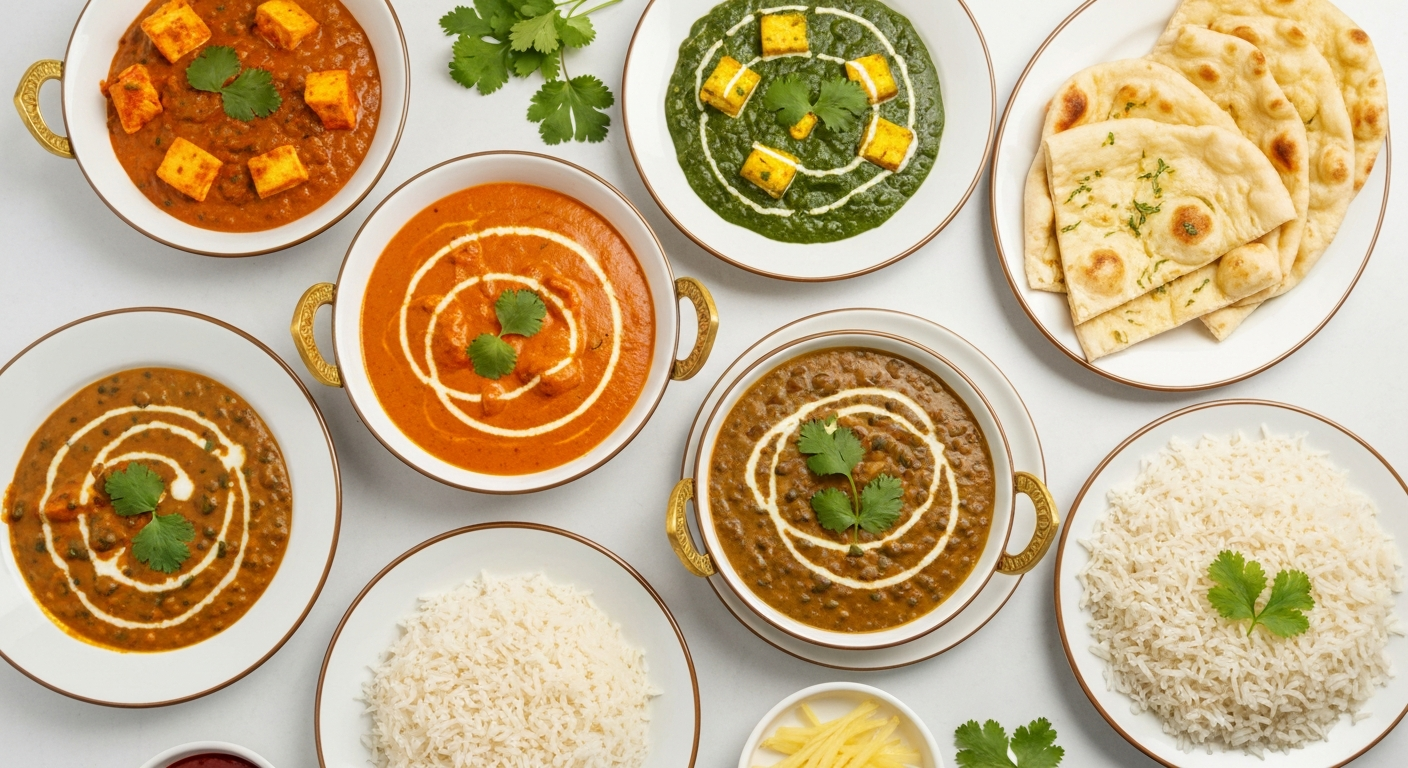
The rapid expansion of ghost kitchens presents both immense opportunity and significant operational challenges. For operators looking to capture the growing demand for diverse ethnic cuisines, Indian food offers a compelling proposition. However, successfully achieving ghost kitchen multi-location Indian menu scaling requires more than just good recipes; it demands a strategic approach to standardization, consistency, and supply chain management.
Indian cuisine, with its rich tapestry of regional flavors, complex spice blends, and diverse cooking techniques, can be notoriously difficult to scale while maintaining authenticity and quality. In a multi-location ghost kitchen model, where consistency is paramount to brand reputation and customer loyalty, these challenges are amplified. This article explores the strategies and solutions that enable ghost kitchen operators to efficiently and consistently deploy authentic Indian menus across their expanding networks.
The Unique Challenges of Scaling Indian Menus in Ghost Kitchens
Before diving into solutions, it’s crucial to understand the specific hurdles involved in scaling Indian menus:
Complexity and Consistency
Indian cooking is often characterized by multi-stage preparations, precise spice tempering, and long simmering times for gravies. Replicating this intricate process consistently across numerous ghost kitchen sites, often with varying skill levels among kitchen staff, is a significant challenge. A slight variation in spice ratios or cooking times can drastically alter the final dish, leading to inconsistent customer experiences.
Skilled Labor Shortage
The demand for skilled Indian chefs and cooks who can execute complex recipes authentically is high, and the supply is often limited. Relying heavily on highly specialized labor for every location is not only expensive but also creates a bottleneck for rapid expansion. Training new staff to master the nuances of Indian cooking takes considerable time and resources.
Ingredient Sourcing and Supply Chain
Authentic Indian cuisine relies on a diverse array of spices, herbs, and specialty ingredients. Sourcing these components consistently, at scale, and at a competitive price across multiple geographic locations can be a logistical nightmare. Quality fluctuations, availability issues, and varying vendor relationships can compromise menu integrity.
Cost Control and Waste Reduction
Traditional Indian cooking, with its often lengthy preparation times and fresh ingredient requirements, can lead to higher labor costs and potential food waste if not managed meticulously. For ghost kitchens operating on tight margins, efficient cost control is non-negotiable.
The Power of Standardization for Multi-Location Indian Menus
Standardization is the bedrock of successful multi-location ghost kitchen operations. When applied to Indian menus, it offers a powerful solution to the challenges outlined above:
- Ensuring Consistent Taste and Quality: Standardized recipes and pre-prepared components guarantee that a butter chicken in one location tastes identical to a butter chicken in another, reinforcing brand trust.
- Streamlining Operations: Simplified processes reduce complexity in the kitchen, allowing for faster order fulfillment and smoother workflows.
- Reducing Labor Costs and Training Time: By minimizing the need for highly specialized cooking skills at each station, operators can utilize a broader talent pool and significantly shorten training periods. Staff can focus on assembly and finishing rather than complex foundational cooking.
- Improving Inventory Management: Standardized ingredients and portion sizes lead to more predictable usage, reducing waste and optimizing procurement.
- Enhancing Customer Satisfaction and Brand Loyalty: A consistent, high-quality product across all touchpoints builds a strong brand reputation, encouraging repeat business and positive reviews.
Key Strategies for Ghost Kitchen Multi-Location Indian Menu Scaling
Achieving seamless ghost kitchen multi-location Indian menu scaling involves a multi-pronged approach:
1. Centralized Recipe Development and Ingredient Specifications
The journey begins with a centralized culinary team developing master recipes that are optimized for consistency and scalability. This includes:
- Precise Ingredient Specifications: Defining exact quality standards, brands, and cuts for all raw materials.
- Standardized Portioning: Implementing strict portion control guidelines for every dish to manage costs and ensure consistency.
- Detailed Assembly Instructions: Clear, step-by-step guides for final dish assembly, minimizing room for error.
2. Leveraging Chef-Grade Pre-Made Ingredients: The Game Changer
This is perhaps the most impactful strategy for scaling complex cuisines like Indian food. By partnering with a reputable supplier of chef-grade Indian gravies, pastes, and sauces, ghost kitchens can:
- Guarantee Consistency: Professionally manufactured bases ensure identical flavor profiles every time, eliminating variations in spice blends and cooking techniques across locations.
- Significantly Reduce Prep Time and Labor Costs: The most time-consuming aspects of Indian cooking—preparing foundational gravies like makhani, kadai, or vindaloo—are outsourced. Kitchen staff can then focus on quicker finishing steps, protein cooking, and assembly.
- Minimize Waste: Pre-made products often come in bulk, ready-to-use formats, reducing spoilage of individual spices and fresh ingredients.
- Enhance Food Safety: Products manufactured under stringent quality controls and certifications like FSSAI, US FDA, ISO, Halal, HACCP, and GMP offer a higher level of food safety assurance than on-site, from-scratch preparation.
- Accelerate Menu Rollouts: New locations can be brought online faster, as the core flavors are already standardized and readily available.
3. Robust Supply Chain Management
A streamlined and reliable supply chain is critical. This involves:
- Consolidating Suppliers: Working with a limited number of trusted suppliers for core ingredients, especially for specialized Indian products.
- Leveraging Bulk Purchasing: Economies of scale through bulk orders can significantly reduce ingredient costs.
- Efficient Logistics: Ensuring timely and consistent delivery to all ghost kitchen locations. For example, if a product is in stock in our US (Houston) or local-country warehouse, it ships in 2 days. If not in stock, the lead time is 35-60 days, with immediate notification of any delay.
- Quality Assurance Protocols: Implementing checks at every stage of the supply chain to maintain ingredient quality and freshness.
4. Comprehensive Training Programs
While pre-made bases simplify cooking, effective training is still essential. Focus on:
- Product Knowledge: Understanding the characteristics and handling of pre-made gravies and spices.
- Finishing Techniques: Training on how to properly cook proteins, temper garnishes, and plate dishes for optimal presentation.
- Hygiene and Food Safety: Reinforcing best practices in food handling and kitchen cleanliness.
5. Technology Integration
Modern ghost kitchens leverage technology to their advantage:
- Point-of-Sale (POS) Systems: Integrating with delivery platforms and providing real-time sales data.
- Inventory Management Software: Tracking ingredient usage, predicting demand, and automating reorders.
- Kitchen Display Systems (KDS): Streamlining order fulfillment and ensuring accurate dish preparation.
Ensuring Authenticity While Standardizing
The concern that standardization might compromise authenticity is valid. However, with the right approach and high-quality ingredients, it's entirely possible to maintain genuine Indian flavors:
- Choose High-Quality Bases: The foundation of your standardized menu must be chef-grade, authentic Indian gravies and pastes. These are developed by culinary experts to replicate traditional flavors.
- Focus on Finishing Touches: Authenticity can be enhanced through fresh garnishes, precise tempering of whole spices (tarka) at the point of service, and high-quality proteins. These elements allow for customization and regional differentiation even with a standardized base.
- Regional Variations: While a core menu can be standardized, specific regional dishes can be introduced by using a common base gravy and then adding unique regional spices, vegetables, or proteins, allowing for a diverse offering without reinventing the wheel for every dish.
Operational Benefits and ROI
Implementing these strategies for ghost kitchen multi-location Indian menu scaling yields significant returns:
- Faster Expansion: The ability to rapidly onboard new locations and launch new menus with confidence.
- Increased Profit Margins: Reduced labor costs, optimized ingredient purchasing, and minimized waste directly contribute to a healthier bottom line.
- Superior Customer Experience: Consistent quality across all locations translates to higher customer satisfaction and stronger brand loyalty.
- Reduced Operational Stress: Streamlined processes and reliable supply chains alleviate many of the day-to-day operational headaches.
- Enhanced Compliance: Working with certified products and suppliers ensures adherence to critical food safety and quality standards, including FSSAI, US FDA, ISO, Halal, HACCP, and GMP.
Choosing the Right Partner for Your Scaling Journey
Successfully scaling an Indian menu across multiple ghost kitchen locations hinges on selecting the right partners for your foundational ingredients. Look for suppliers who understand the nuances of Indian cuisine, prioritize quality and consistency, and can meet the demands of a growing multi-location operation. A reliable partner will offer:
- Chef-Grade Quality: Products developed for professional kitchens, ensuring authentic taste and performance.
- Consistent Supply: The capacity to deliver reliably, meeting your minimum order quantity of a 50 kg MOQ and supporting your expansion.
- Stringent Certifications: Adherence to international food safety and quality standards such as FSSAI, US FDA, ISO, Halal, HACCP, and GMP.
- Global Reach: The ability to serve your operations in various countries, including USA, Canada, UK, UAE, Australia, Germany, Italy, India, France, Ireland, Switzerland, and Netherlands.
By strategically leveraging standardized, chef-grade Indian gravies and pastes, ghost kitchens can overcome the complexities of Indian cuisine and achieve efficient, consistent, and authentic multi-location menu rollouts. This approach not only accelerates growth but also solidifies brand reputation and optimizes profitability in the competitive food delivery landscape.
Ready to streamline your Indian menu operations and expand your ghost kitchen empire? Inquire today to learn how our range of chef-grade Indian gravies, pastes, and sauces can support your ghost kitchen multi-location Indian menu scaling needs. Visit ododgroup.com to request a quote or sample.