
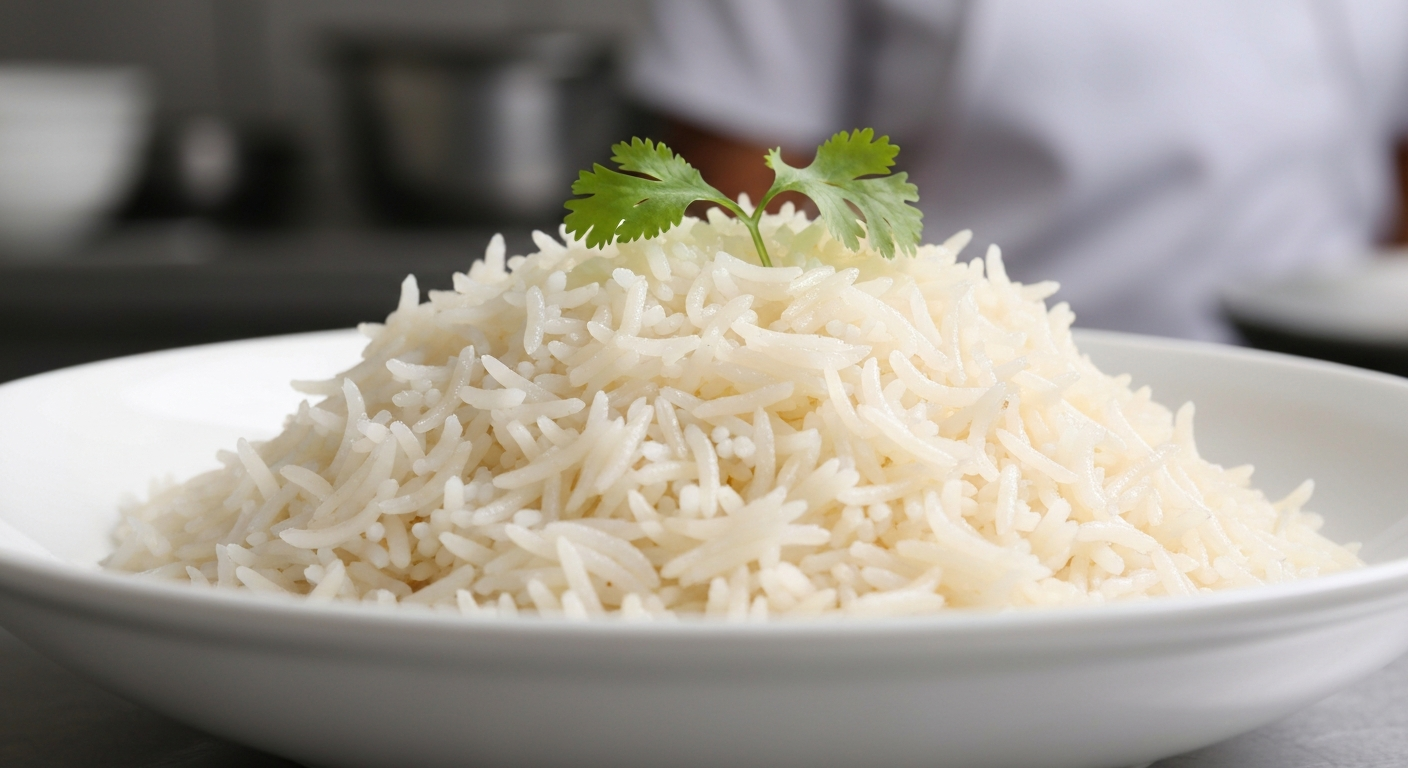
In the competitive landscape of the food service industry, maintaining consistent quality across multiple locations is paramount for brand reputation and customer loyalty. For restaurant chains specializing in Indian cuisine, or those featuring Indian dishes, achieving perfect restaurant chain basmati rice consistency is not just an aspiration—it's a fundamental operational necessity. Basmati rice, with its distinctive aroma and delicate, elongated grains, is often the unassuming star of a meal, serving as the perfect canvas for rich gravies and flavorful curries. Any deviation in its texture, aroma, or appearance can significantly impact the overall dining experience.
This article delves into the strategies and best practices for ensuring that every plate of basmati rice served in every one of your restaurant units meets the same high standard, every single time. From sourcing the right grain to implementing rigorous kitchen protocols, we will explore how to elevate your basmati rice program from a variable chore to a consistent triumph.
Why Basmati Rice Consistency Matters for Restaurant Chains
The impact of inconsistent basmati rice extends far beyond a single dish. It touches upon several critical aspects of a restaurant chain's operation and brand perception.
Brand Reputation and Customer Expectations
Customers visiting any location of your restaurant chain expect the same quality and experience they’ve come to know and love. Inconsistent basmati rice—whether it's too sticky, too dry, undercooked, or overcooked—can quickly erode that trust. A perfectly cooked basmati rice sets the tone for the entire meal, reinforcing your brand's commitment to quality. Conversely, a poorly executed batch can lead to disappointment, negative reviews, and a perception of declining standards.
Operational Efficiency and Cost Control
Standardized basmati rice preparation streamlines kitchen operations. When chefs and kitchen staff follow clear, consistent procedures, it reduces guesswork, minimizes errors, and saves valuable time. This efficiency translates directly into cost savings through:
- Reduced Waste: Fewer batches of improperly cooked rice mean less food waste.
- Accurate Portioning: Consistent cooking yields predictable volumes, making portion control easier and more precise, which is vital for managing food costs.
- Faster Service: Efficient preparation allows for quicker dish assembly, improving service times, especially during peak hours.
Menu Integrity
Basmati rice is more than just a side; it's an integral component of many Indian dishes, from biryanis and pulaos to accompaniments for dal and curries. Its texture and flavor profile are crucial to the authenticity and balance of these dishes. Inconsistent rice can throw off the entire dish, altering the intended dining experience and compromising the integrity of your menu.
Key Factors Influencing Basmati Rice Consistency
Achieving consistent basmati rice across multiple locations requires a holistic approach, addressing everything from the quality of the raw ingredient to the training of kitchen staff.
1. Ingredient Quality and Sourcing
The foundation of consistent basmati rice lies in the quality of the grain itself. Not all basmati rice is created equal. Factors such as grain length, aroma, aging, and purity significantly influence the final cooked product.
- High-Grade Basmati: Opt for aged, extra-long grain basmati rice. Aging enhances the aroma and ensures the grains separate beautifully when cooked. Lower-grade or unaged rice may break more easily or become sticky.
- Consistent Sourcing: Partner with a reliable supplier that can provide a consistent quality product batch after batch. Variability in the raw ingredient will inevitably lead to variability in the cooked product. MITRA, for instance, sources premium basmati rice, ensuring that every shipment meets stringent quality standards. This consistency in sourcing eliminates a major variable from your kitchen operations.
2. Preparation Method Standardization
Even with the best rice, inconsistent preparation methods can ruin the outcome. Developing and strictly adhering to Standard Operating Procedures (SOPs) is critical.
- Washing: The goal of washing is to remove excess starch. Standardize the number of rinses (e.g., 3-4 times) until the water runs mostly clear. Over-washing can strip away some of the rice's natural aroma, while under-washing leaves it sticky.
- Soaking: Soaking basmati rice for a specific duration (e.g., 20-30 minutes) before cooking allows the grains to hydrate evenly, resulting in longer, more distinct grains. The water temperature for soaking should also be standardized.
- Water-to-Rice Ratio: This is perhaps the most critical factor. The ideal ratio can vary slightly depending on the rice type, age, and cooking equipment. A typical starting point is 1.5 cups of water to 1 cup of rice (by volume) or a 1.25:1 ratio by weight. This must be precisely measured and consistently applied across all locations.
- Cooking Method: Whether using stovetop pots, commercial rice cookers, or steam ovens, the method must be standardized. This includes:
- Temperature and Heat Application: Consistent heat levels throughout the cooking process.
- Cooking Time: Precise timing after reaching a simmer or boil.
- Resting Period: Crucial for the rice to absorb remaining moisture and firm up. A 10-15 minute rest, covered, after cooking is essential.
- Fluffing: Gently fluffing the rice with a fork after resting helps separate the grains without breaking them.
3. Equipment Calibration and Maintenance
Reliable and well-maintained equipment is fundamental to consistent results.
- Precision Scales: Measuring rice and water by weight is far more accurate than by volume. Invest in and regularly calibrate high-quality digital scales for every station.
- Commercial Rice Cookers/Steamers: These should be consistent across all locations. Ensure they are calibrated to maintain precise temperatures and cooking cycles. Regular maintenance and cleaning prevent performance degradation.
- Standardized Utensils: Use identical measuring cups, spoons, and cooking vessels across all kitchens to eliminate variations.
4. Staff Training and Protocols
Even the most detailed SOPs are ineffective without proper training and oversight.
- Comprehensive Training: All kitchen staff involved in rice preparation must receive thorough, hands-on training. This should cover every step of the SOP, explaining the 'why' behind each action.
- Visual Aids: Post clear, concise visual guides or checklists in the prep area to reinforce correct procedures.
- Regular Audits and Feedback: Conduct unannounced audits at all locations to ensure adherence to SOPs. Provide constructive feedback and retraining as needed. Encourage staff to report any deviations or issues.
- Dedicated Rice Station: Consider designating a specific station or individual responsible for rice preparation during busy shifts to foster expertise and consistency.
The MITRA Advantage: Partnering for Restaurant Chain Basmati Rice Consistency
At ODOD LLC, we understand the complexities of managing quality and consistency across a restaurant chain. Our MITRA brand is designed to be a reliable partner for professional kitchens, offering chef-grade ingredients that form the backbone of authentic Indian cuisine. When it comes to restaurant chain basmati rice consistency, partnering with a supplier like MITRA offers distinct advantages:
- Premium Quality Basmati Rice: We supply high-grade, aged basmati rice that consistently delivers on aroma, grain length, and texture, providing a reliable foundation for your dishes.
- Reliable Bulk Supply: With a minimum order quantity (MOQ) of 50 kg, we cater to the high-volume needs of restaurant chains and food service operations. Our consistent product quality in bulk ensures that every bag you open meets the same standard.
- Rigorous Quality Assurance: Our products are manufactured to stringent quality standards and produced under multiple certifications, including FSSAI, US FDA, ISO, Halal, HACCP, and GMP. These certifications provide peace of mind regarding product safety, purity, and consistent quality.
- Efficient Logistics: We understand that timely supply is critical. If a product is in stock in our US (Houston) or local-country warehouse, it ships in 2 days. If not immediately available, the lead time is 35-60 days, and customers are notified immediately of any delay, allowing for effective inventory planning.
- Global Reach: MITRA products are supplied to professional kitchens in the USA, Canada, UK, UAE, Australia, Germany, Italy, India, France, Ireland, Switzerland, and Netherlands, with our network continually expanding to serve more markets.
By leveraging MITRA's consistent, high-quality basmati rice, your kitchens can focus on perfecting the preparation process, confident that the raw ingredient is never a variable. This partnership helps your restaurant chain achieve an unparalleled level of consistency and operational excellence.
Conclusion
Achieving perfect restaurant chain basmati rice consistency is a multifaceted endeavor, but one that yields significant returns in terms of customer satisfaction, brand reputation, and operational efficiency. It requires a commitment to high-quality ingredients, meticulous standardization of preparation methods, reliable equipment, and thorough staff training.
By implementing the strategies outlined above and partnering with a trusted supplier like MITRA, your restaurant chain can ensure that every serving of basmati rice is a testament to your brand's dedication to culinary excellence. Elevate your Indian cuisine offerings by making consistent, perfectly cooked basmati rice a hallmark of your kitchens.
Ready to elevate your basmati rice program? Inquire about MITRA's premium basmati rice and other chef-grade Indian ingredients by visiting ododgroup.com today. Our team is ready to discuss how we can support your restaurant chain's pursuit of culinary consistency and excellence.