
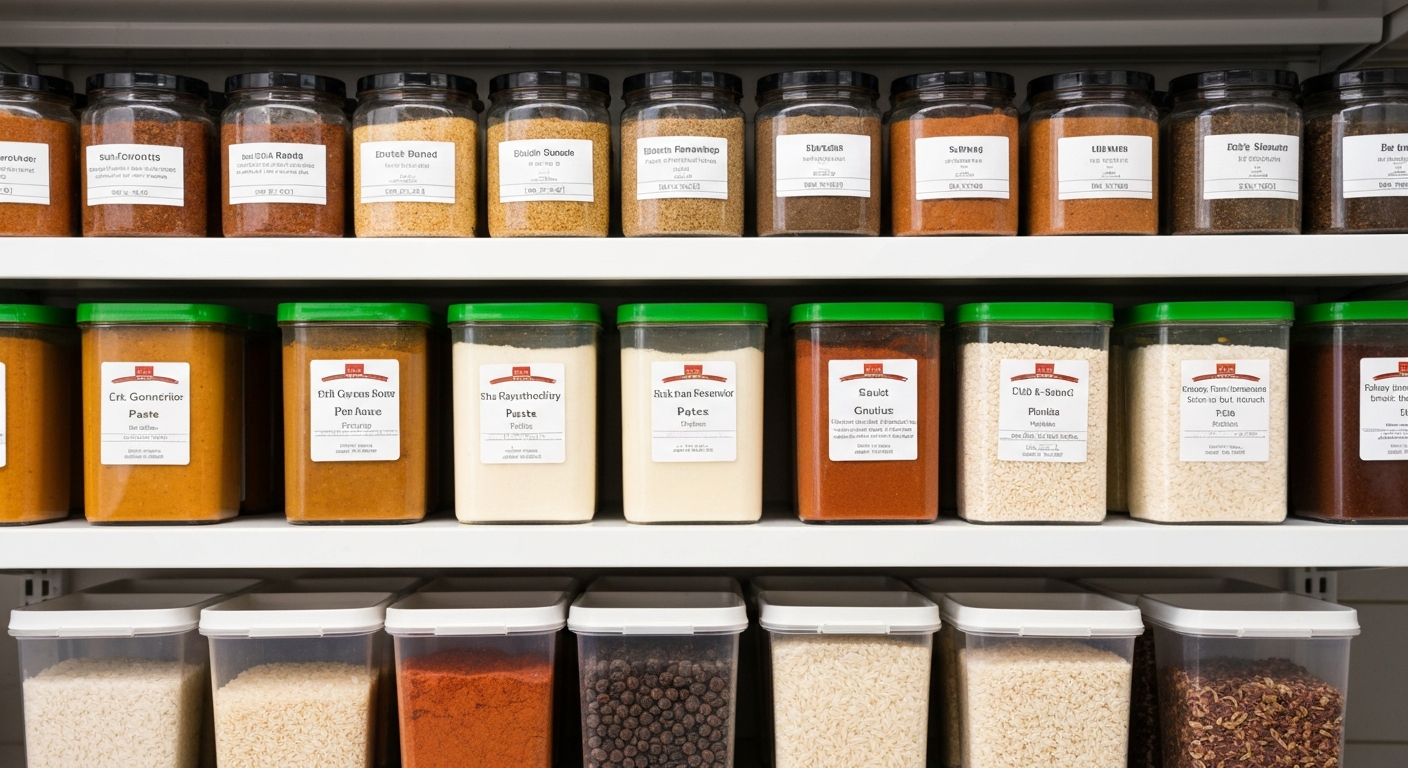
In the competitive landscape of foodservice, distributors are increasingly becoming strategic partners rather than mere suppliers. For establishments specializing in Indian cuisine, managing a diverse array of ingredients—from numerous spices and pulses to fresh vegetables and specialty items—presents unique inventory challenges. This is where the foodservice distributor indian inventory optimization expertise becomes invaluable, helping clients streamline operations, reduce waste, and enhance profitability.
Traditional approaches to inventory often lead to overstocking, spoilage, and tied-up capital. For Indian kitchens, which rely on a complex pantry, these issues are magnified. By offering guidance on lean inventory management, distributors can not only deepen their client relationships but also position themselves as essential consultants in operational efficiency. This article explores how distributors can empower their clients to achieve lean inventory practices for Indian ingredients, leveraging high-quality, consistent products like MITRA's range of chef-grade gravies, pastes, sauces, rice, and spices.
The Unique Challenges of Indian Kitchen Inventory
Indian cuisine is celebrated for its aromatic complexity, achieved through a rich tapestry of spices, fresh produce, and slow-cooked bases. While this diversity is a culinary strength, it poses significant logistical hurdles for inventory management in a professional kitchen:
- Extensive Ingredient List: A single Indian menu can require dozens of unique spices, multiple types of lentils, specialty flours, and a wide variety of fresh vegetables and herbs, each with varying shelf lives.
- Perishability: Fresh ingredients like ginger, garlic, cilantro, and specific vegetables are crucial but highly perishable, leading to significant waste if not managed carefully.
- Batch Cooking & Prep Labor: Many Indian dishes involve extensive prep work and long cooking times for gravies and bases, requiring a steady supply of raw materials and considerable labor investment.
- Quality Consistency: Sourcing and preparing ingredients from scratch daily can lead to inconsistencies in flavor and texture, impacting customer satisfaction.
- Storage Constraints: Maintaining optimal storage conditions for a large inventory of diverse ingredients (refrigerated, dry, frozen) can strain kitchen space and resources.
- Demand Fluctuations: Predicting demand for specific Indian dishes can be challenging, leading to either ingredient shortages or excess stock.
These challenges directly impact a kitchen's bottom line through increased food cost, labor expenses, and potential revenue loss from inconsistent quality or stock-outs. This is precisely where a distributor's strategic guidance in inventory optimization can make a profound difference.
How Distributors Can Drive Indian Inventory Optimization
Distributors possess unique insights into supply chains, product availability, and market trends. By leveraging this expertise, they can offer tangible value to clients struggling with Indian ingredient inventory:
1. Data-Driven Forecasting and Menu Analysis
Distributors often have access to client purchasing data, which can be a goldmine for forecasting. By analyzing historical orders for specific MITRA gravies, spices, or rice, distributors can help clients:
- Identify Usage Patterns: Pinpoint which ingredients are used most frequently and in what quantities.
- Predict Seasonal Demand: Understand how demand for certain Indian dishes or ingredients fluctuates throughout the year.
- Optimize Order Cycles: Recommend ideal ordering frequencies and quantities to align with actual consumption, reducing the need for large, infrequent orders that tie up capital.
This data-driven approach moves beyond guesswork, enabling more precise inventory planning.
2. Streamlining SKUs with High-Quality Prepared Bases
One of the most impactful ways to simplify Indian inventory is by consolidating raw ingredients into fewer, high-quality prepared products. MITRA's range of chef-grade Indian gravies and pastes exemplifies this strategy. Instead of stocking dozens of individual spices, fresh vegetables, and purees for a base gravy, kitchens can rely on a consistent, ready-to-use product.
- Reduced Ingredient Count: A single MITRA gravy can replace 10-15 raw ingredients, drastically cutting down on the number of SKUs a kitchen needs to manage.
- Extended Shelf Life: Our products are manufactured to rigorous standards, holding certifications such as FSSAI, US FDA, ISO, Halal, HACCP, and GMP, ensuring safety and consistency. This also means a significantly longer shelf life compared to fresh components, minimizing spoilage and waste.
- Consistent Quality: Each batch of MITRA product delivers the same authentic flavor and texture, ensuring culinary consistency without the variability of scratch preparation.
Distributors can educate clients on how integrating these products not only simplifies inventory but also frees up valuable chef time for finishing and innovation.
3. Implementing Just-In-Time (JIT) Delivery Strategies
For many Indian kitchens, the goal is to receive ingredients exactly when they are needed, minimizing on-site storage and handling. Distributors are perfectly positioned to facilitate JIT principles:
- Optimized Delivery Schedules: Work with clients to establish precise delivery windows that align with their operational needs, ensuring fresh stock arrives without overfilling storage.
- Reliable Supply Chain: For products in stock at our US (Houston) or local-country warehouses, shipping occurs within 2 days. If a product is not immediately available, the lead time is 35-60 days, and clients are promptly notified of any delays. This transparency allows for effective planning.
- Consolidated Deliveries: Grouping multiple MITRA products (gravies, rice, spices) into single deliveries reduces receiving time and logistical overhead for the client.
By offering reliable and flexible delivery, distributors enable clients to operate with lower inventory levels, reducing carrying costs and improving cash flow.
4. Education on Best Practices and Product Utilization
Distributors can go beyond product delivery by offering training and guidance on best practices for Indian ingredient management:
- First-In, First-Out (FIFO): Reinforce proper stock rotation to prevent spoilage, especially for ingredients with varying expiry dates.
- Portion Control: Advise on accurate portioning for gravies and spices to minimize waste and ensure consistent dish cost.
- Storage Optimization: Provide recommendations on proper storage conditions for MITRA products to maximize their shelf life and maintain quality.
- Cross-Utilization of Products: Demonstrate how versatile products like a MITRA base gravy can be adapted for multiple dishes, further reducing the need for diverse raw ingredients.
MITRA's Role in a Lean Indian Inventory Strategy
MITRA products are designed to address the core challenges of Indian kitchen operations, making them ideal for lean inventory strategies. As an American food-supply company, ODOD LLC ensures that our MITRA brand products meet the stringent demands of professional kitchens globally. We currently serve a growing list of countries including the USA, Canada, UK, UAE, Australia, Germany, Italy, India, France, Ireland, Switzerland, and Netherlands.
Unparalleled Consistency and Quality
Our chef-grade gravies, pastes, and sauces are manufactured to deliver consistent flavor profiles every time. This eliminates the variability inherent in scratch cooking, ensuring that a Chicken Tikka Masala tastes the same whether prepared on a Monday morning or a Saturday night. This consistency is a cornerstone of customer satisfaction and brand reputation for any Indian restaurant.
Extended Shelf Life, Reduced Waste
MITRA products boast an extended shelf life, significantly reducing the risk of spoilage common with fresh ingredients. This means less food waste, lower inventory write-offs, and more predictable food costs. Distributors can highlight this benefit as a direct path to improved profitability for their clients.
Labor Savings and Operational Efficiency
By providing ready-to-use bases, MITRA products drastically cut down on prep time and skilled labor required for tedious tasks like chopping, grinding spices, and slow-cooking gravies. This allows chefs to focus on plating, garnishing, and developing new dishes, rather than foundational prep. This efficiency translates directly into lower operational costs and the ability to scale production quickly during peak hours.
Simplified Ordering and Storage
Consolidating purchases to fewer, high-quality MITRA products simplifies the ordering process for clients. Instead of managing orders from multiple suppliers for various raw ingredients, they can rely on a single, trusted source for their essential Indian components. With a 50 kg minimum order quantity, clients can balance inventory needs without overstocking, ensuring they have enough product to meet demand without excessive storage. This also optimizes storage space, as fewer SKUs mean less cluttered dry storage, refrigeration, and freezer areas.
A Step-by-Step Approach for Distributors
Distributors can guide their clients through the following steps to implement a successful lean Indian inventory strategy:
- Initial Assessment: Conduct a thorough review of the client's current menu, sales volume for each Indian dish, existing inventory levels, and procurement processes. Identify pain points related to waste, labor, and consistency.
- Product Recommendation: Based on the assessment, recommend specific MITRA gravies, pastes, and spices that align with their menu and can replace multiple raw ingredients. Highlight the benefits of extended shelf life and consistent quality.
- Forecasting Collaboration: Work with the client to analyze their sales data and establish a realistic forecasting model for MITRA products. This helps in determining optimal order quantities and frequencies.
- Logistics Optimization: Collaborate on a JIT delivery schedule that minimizes on-site inventory while ensuring continuous supply. Discuss lead times for out-of-stock items and the prompt notification process.
- Training and Implementation: Provide guidance on proper storage, FIFO practices, and efficient utilization of MITRA products within their kitchen operations. Offer recipe suggestions for cross-utilization of bases.
- Performance Monitoring: Regularly review inventory turnover, waste reduction, and cost savings with the client. Celebrate successes and identify areas for further optimization.
Conclusion: Your Partnership for Profitability
For foodservice distributors, the opportunity to move beyond transactional relationships into strategic partnerships is immense, especially in the specialized niche of Indian cuisine. By guiding clients toward lean Indian inventory management, distributors can offer solutions that directly impact profitability, operational efficiency, and culinary consistency.
MITRA products, manufactured to the highest standards, provide the foundation for such a strategy: consistent quality, extended shelf life, labor savings, and simplified inventory. By championing these solutions, distributors not only secure their position as indispensable partners but also help Indian kitchens thrive in a competitive market.
To learn more about partnering with ODOD LLC and how MITRA products can enhance your client offerings and support their lean inventory goals, please inquire via ododgroup.com. Discover how our chef-grade Indian ingredients can transform kitchen operations and boost your clients' bottom line.