
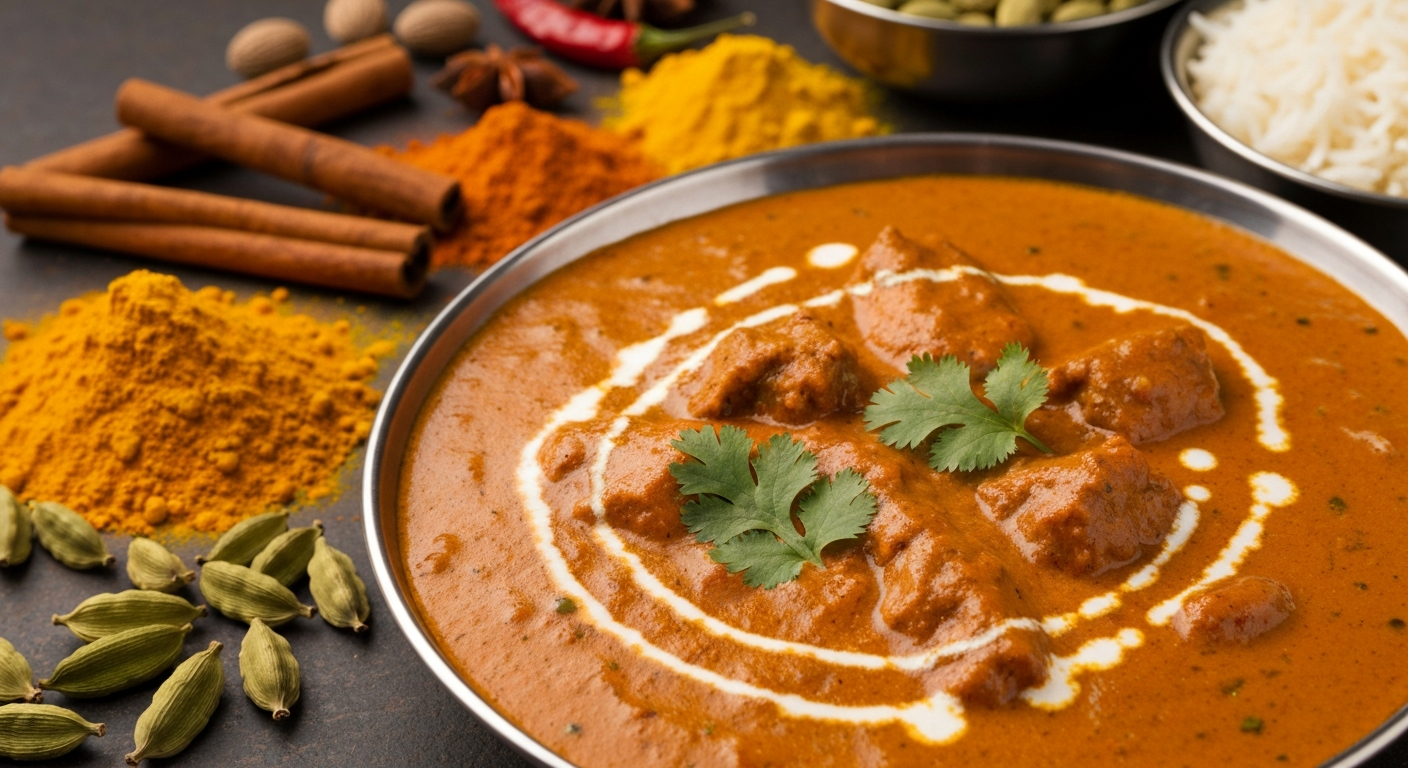
For restaurant owners and chefs specializing in Indian cuisine, the selection of ingredients is paramount. While the initial price tag of an ingredient often dictates purchasing decisions, a deeper analysis reveals that focusing solely on upfront cost can obscure the true financial implications and long-term profitability. Understanding the indian food ingredient roi restaurant operators can achieve by investing in premium quality is essential for sustainable success.
Premium Indian ingredients, from meticulously blended spices to ready-to-use gravies and pastes, offer more than just superior flavor. They deliver consistency, reduce labor, minimize waste, and ultimately enhance customer satisfaction—all factors that significantly impact a restaurant's bottom line. This article delves into the hidden costs associated with lower-quality alternatives and illuminates the substantial return on investment that premium ingredients can provide.
The Hidden Costs of "Cheaper" Indian Ingredients
At first glance, opting for less expensive ingredients might seem like a straightforward way to cut costs. However, this approach often introduces a cascade of hidden expenses that erode profits and compromise operational efficiency. These costs are rarely reflected on an invoice but manifest in various aspects of kitchen management and customer experience.
Inconsistent Quality and Unpredictable Outcomes
One of the most significant drawbacks of budget ingredients is their inherent inconsistency. Spices might vary in potency and aroma from batch to batch, and gravies or pastes can fluctuate in texture, color, and flavor profile. This variability forces chefs to constantly adjust recipes, leading to:
- Wasted Batches: A dish might not meet quality standards due to an off-flavor, requiring it to be discarded and remade.
- Increased Rework: Kitchen staff spend extra time tasting, adjusting, and correcting dishes, diverting their attention from other tasks.
- Unpredictable Flavor Profiles: Customers might experience a different taste each visit, leading to dissatisfaction and a perception of inconsistency in the restaurant's offerings.
Elevated Labor Costs
Lower-quality ingredients often require more extensive preparation. For instance, less refined spices may need additional cleaning or toasting, and gravies might require more doctoring to achieve the desired consistency and flavor. This translates directly into higher labor costs:
- More Prep Time: Staff spend longer on basic ingredient preparation that could be minimized with ready-to-use, high-quality alternatives.
- Skilled Labor Dependency: Achieving consistent results with inconsistent ingredients often demands more experienced and higher-paid chefs, increasing payroll expenses.
- Reduced Throughput: Extended prep and adjustment times slow down the kitchen, impacting the volume of dishes that can be produced, especially during peak hours.
Higher Food Waste
When ingredients are substandard, food waste inevitably rises. This can occur in several ways:
- Spoilage: Lower quality ingredients may have a shorter shelf life or be more prone to spoilage, especially if not handled perfectly.
- Unusable Portions: Ingredients with more impurities or lower yields mean a larger percentage of the purchased product ends up in the bin rather than on a plate.
- Mistakes and Discards: As mentioned, inconsistent ingredients lead to more errors in cooking, resulting in dishes that must be discarded.
Damage to Reputation and Lost Business
Perhaps the most insidious hidden cost is the damage to a restaurant's reputation. Inconsistent or subpar dishes directly impact customer satisfaction. Diners seeking authentic Indian cuisine expect a certain standard, and failing to meet it can lead to:
- Negative Reviews: Online reviews and word-of-mouth are powerful. A few inconsistent experiences can deter potential new customers.
- Lost Repeat Business: Dissatisfied customers are unlikely to return, directly impacting revenue streams.
- Erosion of Brand Value: Over time, a restaurant known for inconsistent quality loses its competitive edge and may struggle to attract and retain a loyal customer base.
Supply Chain Unreliability
Sourcing the cheapest ingredients can sometimes mean dealing with less established or less reliable suppliers. This can lead to:
- Stockouts: Unexpected unavailability of key ingredients can disrupt menu offerings and lead to customer disappointment.
- Delays: Irregular delivery schedules or extended lead times force kitchens to manage inventory more tightly, increasing the risk of running out of essential items.
- Quality Fluctuations: Without robust quality control, even if an ingredient is initially acceptable, subsequent batches might decline in standard.
The Tangible Benefits of Premium Indian Ingredients
Conversely, investing in premium Indian ingredients yields substantial, measurable benefits that directly contribute to a restaurant's profitability and reputation. These advantages extend beyond mere flavor, impacting every aspect of kitchen operations and customer experience.
Consistent Quality and Flavor
High-quality ingredients are inherently more consistent. This means:
- Reliable Taste: Every dish tastes as intended, ensuring a predictable and enjoyable dining experience for customers.
- Reduced Variability: Chefs can trust that their spices will have the same potency and their gravies the same richness every time, eliminating the need for constant adjustments.
- Brand Consistency: A restaurant builds a reputation for excellence and reliability, fostering customer loyalty and positive word-of-mouth.
Reduced Labor Costs and Enhanced Efficiency
Premium, often ready-to-use, Indian gravies, pastes, and perfectly blended spices significantly streamline kitchen operations:
- Minimized Prep Time: Many premium products are designed for convenience, reducing the need for extensive in-house preparation, grinding, or blending. This allows staff to focus on cooking and presentation rather often time-consuming foundational tasks.
- Less Skilled Labor Required: Achieving consistent quality becomes less dependent on highly skilled (and thus higher-paid) chefs for foundational tasks. Junior staff can execute dishes with greater confidence and accuracy using reliable base ingredients.
- Faster Service: Streamlined processes mean dishes can be prepared more quickly, improving table turnover and increasing revenue potential during busy periods.
Minimized Waste and Optimized Yield
High-quality ingredients often come with better yields and longer shelf lives, directly reducing waste:
- Higher Yield: Spices are purer, gravies are concentrated, and rice grains are less broken, meaning more usable product per kilogram purchased.
- Extended Shelf Life: Properly processed and packaged premium ingredients can often be stored for longer without degradation, reducing spoilage.
- Fewer Discards: With consistent ingredients, errors in cooking are reduced, leading to fewer dishes being thrown away.
Enhanced Customer Satisfaction and Loyalty
This is where the indian food ingredient roi restaurant investment truly shines. Superior taste and consistent quality lead to:
- Memorable Dining Experiences: Customers are more likely to enjoy and remember a meal prepared with authentic, high-quality ingredients.
- Repeat Business: Satisfied customers become regulars, forming the backbone of a restaurant's revenue.
- Positive Reviews and Referrals: Happy diners are more inclined to leave glowing reviews and recommend the restaurant to others, generating organic marketing and attracting new clientele.
- Stronger Brand Reputation: A restaurant becomes known for its authentic flavors and consistent excellence, allowing it to command premium pricing and stand out in a competitive market.
Operational Simplicity and Reliability
Working with premium ingredients simplifies inventory management and kitchen flow:
- Predictable Performance: Knowing how an ingredient will behave allows for more accurate recipe scaling and menu planning.
- Streamlined Inventory: Fewer variables in ingredient quality mean easier tracking and less need for emergency orders.
- Reduced Stress: Chefs and kitchen staff operate more smoothly, reducing stress and improving overall morale.
Menu Expansion and Innovation Potential
With reliable, high-quality base ingredients, chefs are empowered to:
- Offer Diverse Regional Dishes: Premium gravies and pastes make it easier to introduce a wider array of authentic regional Indian dishes without extensive in-house development for each one.
- Innovate Confidently: Chefs can experiment with new flavor combinations or modern interpretations, knowing their foundational ingredients are steadfast.
- Maintain Authenticity: Access to genuinely premium and authentic ingredients ensures that new menu items remain true to their culinary roots.
Calculating Your Indian Food Ingredient ROI in a Restaurant Setting
To truly understand the indian food ingredient roi restaurant operators can expect, it's crucial to look beyond the per-kilogram price. Consider a holistic view that incorporates all the factors discussed:
Scenario 1: Labor Savings with Premium Gravies
Imagine a restaurant producing 100 portions of a popular Indian curry daily. If using a high-quality, ready-to-use gravy reduces prep and adjustment time by just 30 minutes per day compared to making it from scratch or adjusting an inconsistent lower-quality base, this translates to 15 hours of saved labor per month. At an average chef's wage of $25/hour, that's $375 in direct labor savings monthly, or $4,500 annually. This saving alone can easily offset a higher per-unit cost of premium gravy.
Scenario 2: Reduced Waste and Increased Yield
If a premium spice blend guarantees consistent flavor and potency, reducing the likelihood of discarded batches by even 5% (e.g., 5 dishes out of 100 daily), this directly impacts food cost. For dishes with a food cost of $5, saving 5 portions daily prevents $25 in waste per day, totaling $750 per month or $9,000 annually. This doesn't even account for the cost of ingredients in the discarded dish.
Scenario 3: Customer Retention and Reputation
While harder to quantify directly, the impact of customer satisfaction is immense. If consistent quality from premium ingredients leads to even a 10% increase in repeat customers or a significant improvement in online ratings (e.g., from 3.5 to 4.5 stars), the resulting boost in revenue from loyal patrons and new customers attracted by positive reviews can be exponential. A single positive review influenced by a consistently excellent dish can lead to dozens of new diners over time. The long-term value of a loyal customer far outweighs any marginal increase in ingredient cost.
Key Metrics for ROI Calculation:
- Food Cost Percentage (FCP): While premium ingredients might slightly raise the raw FCP, the reduction in waste and labor often results in a lower effective FCP.
- Labor Cost Percentage (LCP): Direct savings from reduced prep and adjustment time.
- Customer Lifetime Value (CLV): The total revenue a customer is expected to generate over their relationship with your restaurant. Premium ingredients boost CLV.
- Average Customer Spend: Higher quality can justify slightly higher menu prices, increasing average spend.
- Kitchen Productivity Metrics: Dishes per hour, order turnaround time, etc.
By analyzing these metrics, restaurant owners can clearly see how investing in premium Indian ingredients is not an expense, but a strategic investment that delivers a robust indian food ingredient roi restaurant businesses can rely on.
MITRA's Commitment to Premium Indian Ingredients
At ODOD LLC, under our MITRA brand, we understand the critical role that consistent, high-quality ingredients play in the success of professional kitchens. We supply chef-grade Indian gravies, pastes, sauces, rice, and spices, all produced to exacting standards to ensure reliability and authenticity.
Our products are manufactured to meet stringent international quality benchmarks, holding certifications such as FSSAI, US FDA, ISO, Halal, HACCP, and GMP. These certifications are a testament to our commitment to food safety, quality control, and consistent product performance, ensuring that every batch you receive meets the high standards your kitchen demands.
We focus on providing solutions that enhance operational efficiency and culinary excellence. Our ready-to-use gravies and pastes are designed to reduce prep time, minimize labor costs, and guarantee a consistent flavor profile, allowing your chefs to focus on creativity and execution rather than foundational ingredient preparation.
For our B2B partners, we maintain a 50 kg minimum order quantity (MOQ) to ensure we can efficiently serve professional kitchens. We pride ourselves on reliable supply chain management. If a product is in stock in our US (Houston) or local-country warehouse, it ships in just 2 days. For items not immediately in stock, the lead time is typically 35-60 days, and we ensure immediate notification of any potential delays, allowing you to plan effectively.
MITRA currently serves a growing list of countries, including the USA, Canada, UK, UAE, Australia, Germany, Italy, India, France, Ireland, Switzerland, and the Netherlands, with continuous expansion to new markets.
Conclusion
The decision to invest in premium Indian ingredients is a strategic one that extends far beyond the initial purchase price. By considering the full spectrum of costs—including labor, waste, and the invaluable impact on customer satisfaction and reputation—restaurant owners can unlock significant long-term profitability. The indian food ingredient roi restaurant operators gain from consistency, efficiency, and superior culinary outcomes makes premium sourcing not just a choice, but a competitive necessity in today's demanding culinary landscape. Elevate your dishes, streamline your operations, and build a lasting reputation for authenticity and excellence.
Ready to experience the difference premium Indian ingredients can make in your kitchen? Inquire about our wholesale options, request a sample, or get a custom quote by visiting ododgroup.com today.