
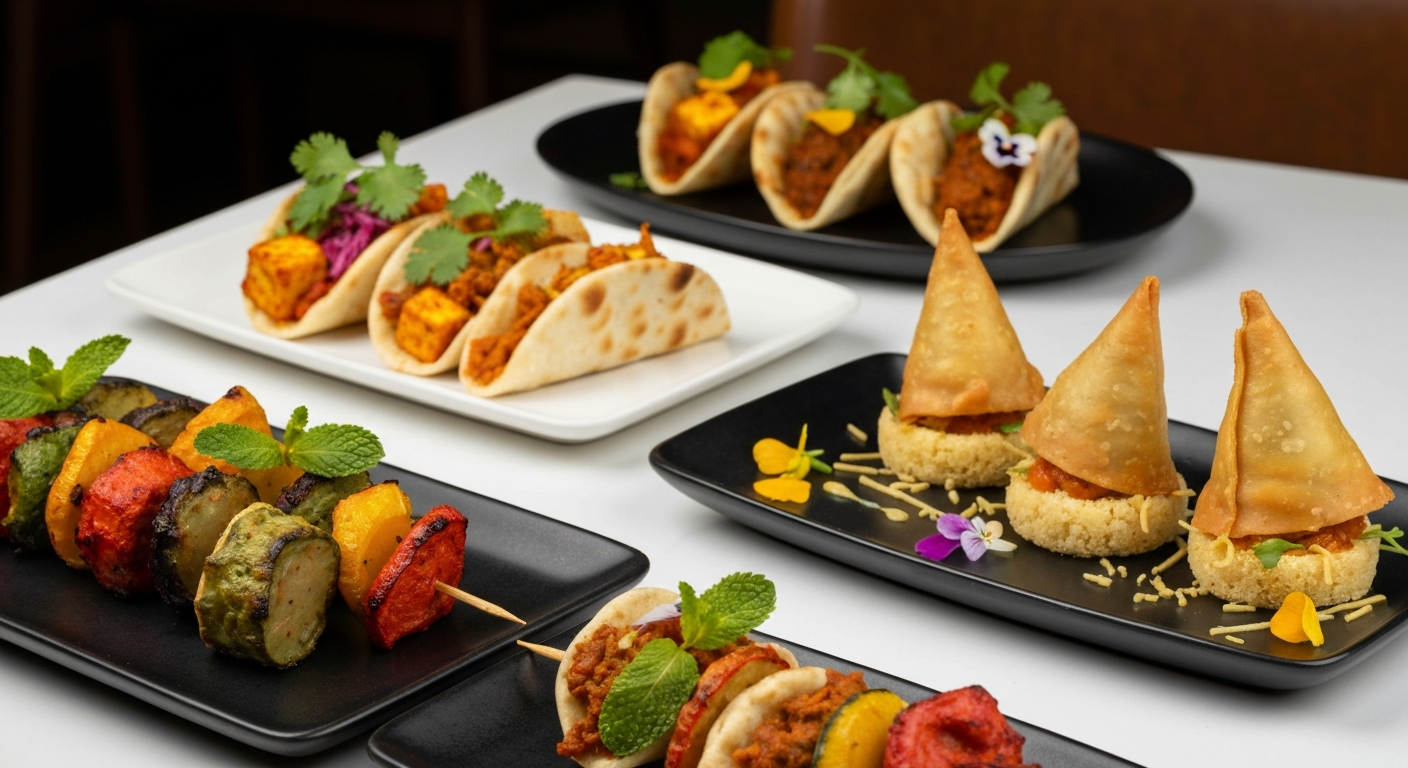
The culinary landscape is constantly evolving, driven significantly by the preferences of younger generations. For restaurant operators, understanding and adapting to the tastes of Gen Z and millennial diners is not just an option, but a strategic imperative. These demographics represent a substantial and growing segment of the market, characterized by their adventurous palates, demand for authenticity alongside innovation, and a strong inclination towards unique dining experiences. For establishments looking to update their offerings, particularly those with or considering an Indian concept, crafting a `restaurant indian menu millennial gen z` friendly approach can unlock significant growth.
Traditional Indian cuisine, with its rich history, complex flavors, and diverse regional variations, holds immense appeal. However, to capture the attention of younger diners, it often benefits from thoughtful modernization—not to dilute its essence, but to present it in formats and flavor combinations that resonate with contemporary dining trends. This article explores practical strategies for refreshing your Indian menu, from innovative dishes and presentation styles to leveraging high-quality, consistent ingredients that support efficient kitchen operations.
Understanding the Modern Diner: Gen Z and Millennial Preferences
Before delving into specific menu innovations, it's crucial to grasp what drives the dining choices of Gen Z and millennials. Their preferences are distinct and often influence broader culinary trends:
1. Authenticity Meets Approachability
Younger diners appreciate authenticity, but they also seek approachability. This means they are often open to traditional flavors presented in novel ways, or to dishes that fuse Indian elements with other global cuisines. They value the story behind the food – its origins, ingredients, and cultural context – but also want it to be easy to understand and enjoy without extensive prior knowledge.
2. Dietary Consciousness and Plant-Forward Eating
Gen Z and millennials are highly conscious of health, sustainability, and ethical eating. Plant-based and vegan options are no longer niche but mainstream expectations. Indian cuisine, with its natural abundance of vegetarian and vegan dishes, is perfectly positioned to cater to this trend. Highlighting these options, and even developing new ones, can be a major draw.
3. Experiential Dining and Social Sharing
Dining out for these generations is often an experience to be shared, both with friends and on social media. Visually appealing dishes, unique presentations, and an engaging atmosphere contribute significantly. Small plates, communal dining, and interactive elements are particularly popular.
4. Global Palates and Culinary Exploration
These diners are global citizens, exposed to a vast array of international cuisines through travel, social media, and diverse communities. They are adventurous eaters, eager to explore new flavors and culinary fusions. An Indian menu that thoughtfully incorporates global influences can excite and intrigue them.
5. Value and Transparency
While they are willing to pay for quality and experience, value for money remains important. Transparency about ingredients, sourcing, and preparation methods builds trust. This is where high-quality, consistent ingredients become invaluable, ensuring every dish meets expectations.
Innovating the Indian Menu: Strategies for Modern Appeal
Transforming your `restaurant indian menu millennial gen z` friendly involves a blend of creativity, culinary skill, and strategic operational choices. Here are actionable strategies:
1. Small Plates and Tapas-Style Indian
Move beyond the traditional entrée-based model. Offer a selection of smaller, shareable dishes that allow diners to sample a wider variety of flavors. This format encourages exploration and social dining. Examples include:
- Mini Samosa Chaat Bites: Deconstructed samosas served in a spoon or small bowl with chutneys, yogurt, and sev.
- Paneer Tikka Skewers: Griddled paneer tikka served as individual skewers, perhaps with a drizzle of mint chutney.
- Street-Style Tacos/Wraps: Featuring fillings like Butter Chicken, Lamb Keema, or Chana Masala, served in mini naan or roti wraps with fresh slaw.
- Deconstructed Biryani Bowls: Individual portions of biryani rice with a choice of protein/vegetable, served with raita on the side.
2. Thoughtful Indian Fusion Concepts
Fusion should be a harmonious blend, not a jarring mix. Identify complementary cuisines and create dishes that introduce familiar Indian flavors in new contexts. Consider:
- Indian Spiced Burgers/Sliders: Lamb Keema or spiced chickpea patties with mango chutney aioli and pickled onions.
- Naan Pizzas: Thin naan bases topped with Makhani sauce, paneer, peppers, and mozzarella.
- Curry Bowls with Global Grains: Offer traditional gravies (e.g., Korma, Vindaloo) served over quinoa, couscous, or jasmine rice instead of just basmati.
- Indian-Inspired Pasta: Pasta dishes with creamy tomato-based sauces infused with Indian spices and vegetables or chicken.
3. Plant-Forward and Vegan Indian Options
Capitalize on the inherent vegetarian richness of Indian cuisine and explicitly label vegan dishes. Develop innovative plant-based options that go beyond standard curries:
- Jackfruit Biryani/Tacos: Jackfruit, with its meaty texture, is an excellent plant-based substitute.
- Lentil & Vegetable Kofta: Spiced lentil and vegetable dumplings in a rich, creamy vegan gravy.
- Vegan Saag Paneer: Using tofu or a plant-based cheese alternative in a spinach-based gravy.
- Vegetable Kati Rolls: Spiced mixed vegetables wrapped in a flaky paratha.
4. Global Street Food Inspired Indian
Elevate popular Indian street foods with premium ingredients and refined presentation. This taps into the desire for authentic yet approachable experiences.
- Gourmet Pav Bhaji: A richer, more complex vegetable mash served with artisanal buttered buns.
- Deconstructed Dahi Puri: Crispy puris served alongside bowls of spiced yogurt, chutneys, and fillings for diners to assemble.
- Chaat Boards: A platter featuring an assortment of mini chaat items, perfect for sharing.
5. Deconstructed and Reimagined Classics
Take well-loved Indian dishes and present their components in new, visually appealing ways without altering the core flavors.
- Butter Chicken Poutine: Crispy fries topped with rich Butter Chicken gravy and cheese curds.
- Tandoori Chicken Salad: Slices of tandoori chicken over a bed of mixed greens with a light, spiced yogurt dressing.
- Gulab Jamun Cheesecake: A fusion dessert combining traditional Indian sweets with Western favorites.
6. Customization and Build-Your-Own Bowls
Empower diners to create their own meals, appealing to individual preferences and dietary needs. Offer a base (rice, quinoa, naan), a choice of protein (chicken, lamb, paneer, chickpeas, lentils), a gravy, and toppings (pickled onions, fresh herbs, crispy fried onions, chutneys).
Leveraging Quality Ingredients for Consistency and Efficiency
To successfully implement these modern menu strategies, especially across multiple locations or for high-volume operations like ghost kitchens, hotel kitchens, or large-scale catering, consistency and efficiency are paramount. This is where chef-grade, ready-to-use ingredients become indispensable.
MITRA's range of authentic Indian gravies, pastes, and sauces provides a robust foundation for culinary innovation. Our products are manufactured to stringent standards, ensuring consistent flavor, texture, and quality with every batch. This allows your chefs to focus on creativity, presentation, and customization, rather than spending valuable time on foundational prep work.
Imagine the efficiency of creating a diverse `restaurant indian menu millennial gen z` friendly experience when your base gravies for Butter Chicken, Korma, Vindaloo, or Saag are consistently perfect. This not only reduces labor costs and preparation time but also guarantees a predictable, high-quality dining experience for your customers, fostering repeat business and positive reviews.
Our products are produced under internationally recognized certifications including FSSAI, US FDA, ISO, Halal, HACCP, and GMP. These certifications underscore our commitment to food safety and quality, giving you confidence in the ingredients you serve.
Whether you're developing a new line of Indian fusion tacos, a selection of plant-based curries, or a build-your-own Indian bowl concept, MITRA's consistent base products free your kitchen to innovate. Our minimum order quantity (MOQ) is 50 kg, designed to support professional kitchens and food service providers, ensuring you have the supply you need to meet demand.
Marketing Modern Indian: Beyond the Plate
Even the most innovative menu needs effective marketing to reach its target audience:
- Visual Storytelling: High-quality photography and video for social media are non-negotiable. Visually appealing dishes, vibrant colors, and unique presentations resonate strongly with Gen Z and millennials.
- Highlight Ingredients and Origins: Share the story of your ingredients, spices, and the regional inspirations behind your dishes. This builds authenticity and connection.
- Engage Online: Maintain a strong online presence. Partner with food delivery apps, engage with local influencers, and encourage user-generated content.
- Transparency: Be open about your ingredients, dietary accommodations, and sustainable practices.
Operational Considerations for a Modern Indian Kitchen
Implementing a modern Indian menu also requires attention to operational details:
- Staff Training: Ensure your front-of-house staff are well-versed in the new menu, able to explain fusion concepts, dietary options, and recommend dishes. Kitchen staff should be trained on new preparation techniques and presentations.
- Supply Chain Management: Reliable sourcing of specialty ingredients is crucial. For bulk orders, consider lead times. If a MITRA product is in stock in our US (Houston) or local-country warehouse, it ships in 2 days. If it is not in stock, the lead time is 35-60 days, and the customer is notified immediately of any delay. We currently serve businesses in the USA, Canada, UK, UAE, Australia, Germany, Italy, India, France, Ireland, Switzerland, and Netherlands, with more countries being added.
- Menu Engineering: Regularly analyze menu performance to identify popular dishes, optimize pricing, and make data-driven adjustments.
Conclusion
Attracting Gen Z and millennial diners to your restaurant's Indian menu is an exciting opportunity that blends culinary tradition with modern dining sensibilities. By focusing on innovative formats like small plates and fusion dishes, prioritizing plant-based options, and leveraging high-quality, consistent ingredients, you can create a vibrant and appealing dining experience. This strategic approach not only broadens your customer base but also positions your establishment as a forward-thinking culinary destination.
Ready to explore how MITRA's chef-grade Indian gravies, pastes, and sauces can help you modernize your menu and capture the next generation of diners? Visit ododgroup.com to request a quote or sample and discover our full range of products. We look forward to partnering with you in culinary innovation.