
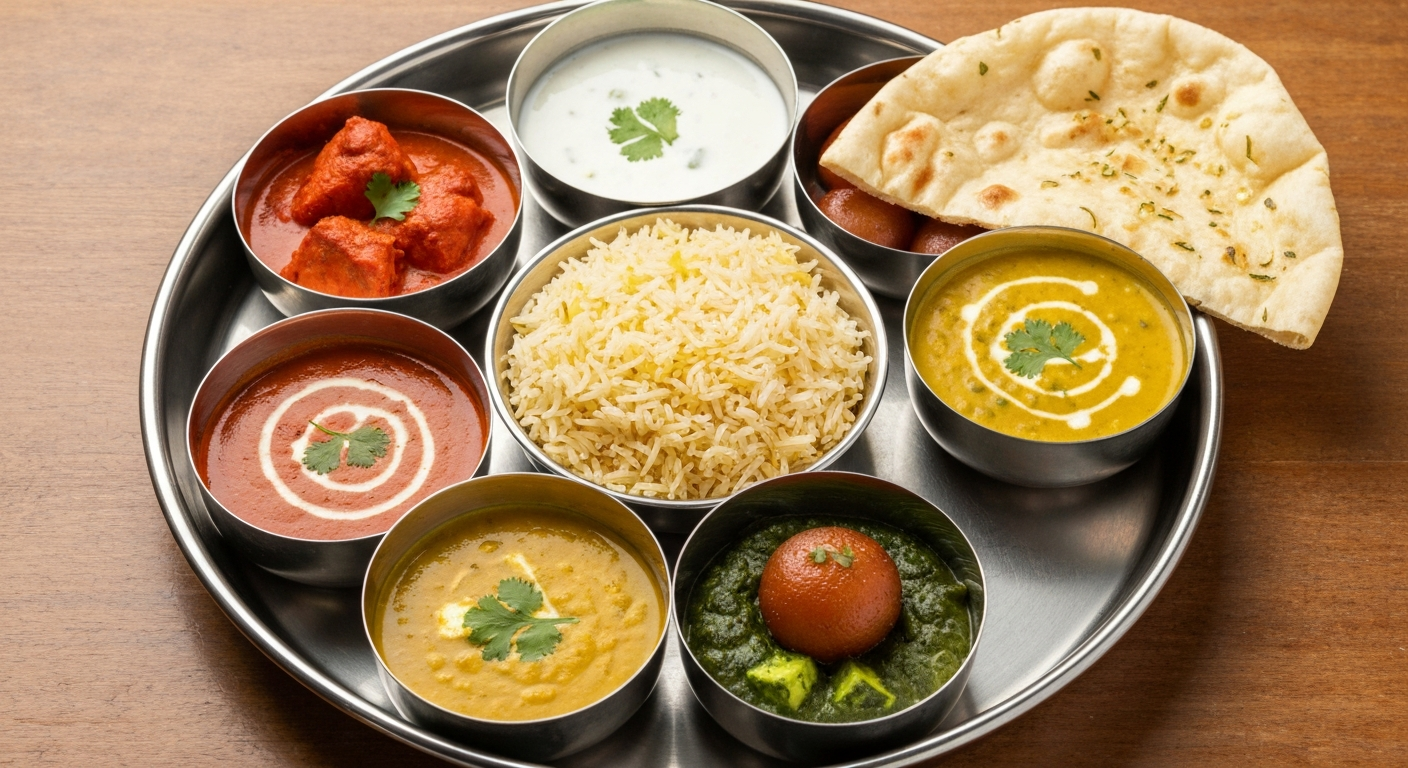
In the competitive culinary landscape, restaurant owners and chefs are constantly seeking innovative ways to enhance customer experience, streamline operations, and, crucially, increase their average check value. For establishments specializing in Indian cuisine, a well-executed restaurant indian meal combo strategy can be a powerful tool to achieve these goals. By thoughtfully bundling complementary dishes, restaurants can offer compelling value propositions that encourage guests to spend more, simplify ordering, and even introduce them to new flavors.
This guide explores the strategic approach to designing, pricing, and marketing Indian meal combos, moving beyond simple discounts to create truly high-value offerings that resonate with your clientele and optimize your kitchen's output.
Why Indian Meal Combos Are a Strategic Imperative
Indian cuisine, with its vast array of curries, breads, rice dishes, and accompaniments, is particularly well-suited for meal combos. Diners often appreciate the opportunity to sample a variety of items, and a curated combo simplifies the decision-making process while ensuring a balanced, satisfying meal. For the restaurant, the benefits extend far beyond perceived customer value:
Enhancing Customer Perceived Value
Combos offer a sense of abundance and completeness that individual à la carte items might not. When a customer sees a thoughtfully assembled meal that includes a main, a side, a bread, and perhaps a dessert or drink for a single, attractive price, they perceive greater value. This psychological aspect can often lead to a higher overall spend than if they had ordered each item separately.
Streamlining Ordering and Operations
For busy lunch services or peak dinner hours, pre-designed combos can significantly speed up order taking and kitchen prep. Chefs know exactly what components are needed for each combo, reducing the chances of errors and optimizing the flow of dishes from the pass. This operational efficiency is vital for maintaining service quality and staff morale, especially in high-volume environments like cloud kitchens or large catering operations.
Showcasing Menu Diversity and Authenticity
Indian cuisine boasts incredible regional diversity. Combos provide an excellent platform to showcase this breadth, introducing diners to dishes they might not otherwise order. A "South Indian Thali" or a "Punjabi Dhaba Platter" can highlight specific culinary traditions and flavors, educating customers while reinforcing the authenticity of your offering. This is particularly relevant when utilizing high-quality, authentic ingredients and gravies, such as those supplied by MITRA.
Reducing Decision Fatigue
An extensive menu, while offering choice, can sometimes overwhelm diners. Combos act as curated pathways, guiding customers to optimal meal experiences. This reduces the mental effort required to order, leading to a more pleasant and efficient dining experience.
Core Principles of a Successful Restaurant Indian Meal Combo Strategy
Developing an effective combo strategy requires careful consideration of your target audience, menu engineering, and operational capabilities.
Understanding Your Audience and Occasion
Not all combos are created equal. A quick, affordable lunch combo for office workers will differ vastly from a lavish family dinner pack or a premium chef's tasting menu. Consider:
- Lunch Crowd: Speed, value, and portability are key. Think smaller portions, simpler choices.
- Dinner Diners: Variety, a more relaxed pace, and perhaps higher-end options. Focus on a balanced, satisfying meal.
- Families/Groups: Generous portions, shareable items, and options that cater to diverse tastes.
- Special Events/Catering: Customizable, scalable options that maintain quality for larger quantities.
Strategic Pairing: Complementary Flavors and Textures
The art of a great Indian meal combo lies in the thoughtful pairing of dishes. Consider:
- Spice Levels: Balance a rich, spicy curry with a milder lentil dish or cooling raita.
- Textures: Combine creamy gravies with crisp breads or crunchy accompaniments.
- Flavors: Ensure a harmonious blend – perhaps a tangy curry with an earthy vegetable dish.
- Regionality: Group dishes from the same region for an authentic culinary journey.
Value Perception vs. Actual Cost
The goal is to make customers feel like they're getting a great deal, while still maintaining healthy profit margins. This requires careful food cost management. Analyze the cost of each component, factor in labor, and then determine a combo price that is appealing to the customer and profitable for your business. Remember, the perceived value should always exceed the actual cost for the customer.
Operational Efficiency as a Design Driver
Design combos around dishes that are already popular, easy to prepare in batches, or utilize existing prep components. This minimizes additional kitchen complexity. Using consistent, high-quality base gravies and pastes, such as those from MITRA, can significantly enhance this efficiency by ensuring consistent flavor and reducing prep time for multiple dishes within a combo.
Menu Engineering for Profitability
Strategic placement and description of combos on your menu are crucial. Highlight the savings, describe the delicious pairings, and use enticing language. Consider psychological pricing (e.g., ending prices in .99) and positioning high-profit combos prominently.
Types of Indian Meal Combos to Consider
Diversify your combo offerings to cater to various dining scenarios and preferences.
1. Thali-Style Combos
The quintessential Indian meal combo, a Thali (meaning "platter") offers a complete, balanced meal with small portions of multiple dishes arranged on a single tray. This is an excellent way to showcase regional specialties.
- Classic North Indian Thali: Butter Chicken/Paneer Butter Masala, Dal Makhani, mixed vegetable, rice, naan, raita, gulab jamun.
- South Indian Thali: Sambar, Rasam, poriyal (vegetable stir-fry), curd rice, papad, appalam, dosa/puri.
- Regional Thali: Focus on specific states like Gujarati, Rajasthani, or Bengali Thalis.
2. Lunch Specials / Express Combos
Designed for speed and value, ideal for the weekday lunch rush.
- Curry & Rice Combo: Choice of one curry (veg/non-veg) with basmati rice and a small salad.
- Biryani Box: Mini biryani with raita and a small dessert.
- Tandoori Platter: Selection of tandoori meats/paneer, naan, and mint chutney.
3. Family Packs / Party Platters
Larger, shareable portions designed for groups, takeout, or catering.
- Family Feast: Large portions of two curries, generous rice, naan, papad, and a dessert.
- Party Starter Kit: Assortment of appetizers (samosas, pakoras, kebabs) with chutneys.
- Biryani Party Pack: Large biryani with multiple sides of raita, salan, and perhaps a sweet.
4. Chef's Tasting Menus / Premium Combos
For a more upscale dining experience, offering a curated selection of signature dishes at a higher price point.
- Gourmet Indian Journey: Smaller, exquisite portions of premium dishes, perhaps paired with specialty breads or rice, and an exclusive dessert.
- Signature Curry Collection: A tasting of the restaurant's most popular or unique curries with appropriate accompaniments.
5. Themed and Dietary Combos
Cater to specific preferences or occasions.
- Vegetarian/Vegan Delight: Focus on plant-based curries, dals, and breads.
- Festival Special: Combos designed around Diwali, Eid, or other cultural festivals.
- Street Food Combo: A selection of popular Indian street snacks like chaat, vada pav, or pav bhaji.
Crafting Profitable Indian Meal Combos: A Step-by-Step Guide
Step 1: Analyze Your Best Sellers and Underperformers
Start by reviewing your sales data. What are your most popular dishes? These are often good candidates to anchor a combo. Also, consider dishes that are delicious but might not sell well individually; bundling them with a popular item can boost their appeal and reduce waste.
Step 2: Component Selection and Sourcing
Carefully choose the items that will make up each combo. This is where the quality and consistency of your ingredients shine. For gravies, pastes, and sauces, consider how using chef-grade, authentic options from a reliable supplier like MITRA can elevate your combos.
- Gravies & Curries: Select 1-2 main gravies (e.g., a chicken curry and a paneer dish, or two distinct vegetarian options). MITRA's range of Indian gravies and pastes, manufactured to FSSAI, US FDA, ISO, Halal, HACCP, and GMP standards, ensures consistent quality and authentic flavor profiles, crucial for a repeatable combo experience.
- Rice: Basmati rice is standard. Consider flavored rice like biryani rice for premium combos.
- Breads: Naan, roti, paratha – offer a choice or a fixed accompaniment.
- Sides: Raita, pickle, salad, papad – these add value and balance.
- Dessert/Beverage: A small portion of a traditional Indian sweet or a refreshing drink like mango lassi.
Step 3: Pricing Strategy
Calculate the individual cost of all components in your proposed combo. Then, determine a combo price that is:
- Attractive to the Customer: It should be noticeably less than ordering each item individually, creating a clear perception of savings.
- Profitable for the Restaurant: Ensure your food cost percentage for the combo remains within your target range (typically 25-35%). Factor in labor costs saved through efficiency.
- Competitive: Benchmark against similar offerings from competitors.
Example: If a curry is $15, rice $4, naan $3, and raita $2, the individual total is $24. A combo price of $19.99 offers a clear saving and looks appealing.
Step 4: Naming and Description
Give your combos appealing, evocative names that hint at the experience or regional origin. Descriptive language that highlights the freshness, authenticity, and delicious pairings will entice customers. Avoid generic names like "Combo A"; instead, opt for "Maharaja's Thali" or "Coastal Curry Feast."
Step 5: Testing, Feedback, and Refinement
Launch your combos as specials first to gauge customer interest and gather feedback. Monitor sales data closely: which combos are popular? Are there components that consistently get left behind? Be prepared to adjust portions, swap dishes, or refine pricing based on real-world performance.
Leveraging MITRA Products for Your Restaurant Indian Meal Combo Strategy
For restaurants, cloud kitchens, and caterers aiming to execute a high-value Indian meal combo strategy, the quality and consistency of ingredients are paramount. This is where MITRA, an ODOD LLC brand, becomes an invaluable partner. Our chef-grade Indian gravies, pastes, sauces, rice, and spices are designed to deliver authentic flavors with unparalleled efficiency.
By incorporating MITRA products, you can:
- Ensure Consistency: Every combo, every time, will taste exactly as intended, a critical factor for customer satisfaction and repeat business.
- Reduce Prep Time & Labor Costs: Our ready-to-use gravies and pastes significantly cut down on the time and skilled labor required for mise en place, allowing your chefs to focus on assembly and presentation.
- Maintain Authentic Flavor: Developed by culinary experts, our products capture the true essence of regional Indian cuisine, ensuring your combos deliver an authentic dining experience.
- Simplify Inventory Management: Standardized products mean fewer raw ingredients to manage, leading to better food cost control and less waste.
Our products are manufactured under stringent quality controls, holding FSSAI, US FDA, ISO, Halal, HACCP, and GMP certifications. We serve professional kitchens across the USA, Canada, UK, UAE, Australia, Germany, Italy, India, France, Ireland, Switzerland, and Netherlands, with more countries being added. With a minimum order quantity (MOQ) of 50 kg, we cater to the needs of busy commercial kitchens. For products in stock in our US (Houston) or local-country warehouses, shipping is typically within 2 days. For items not immediately in stock, the lead time is 35-60 days, and customers are notified promptly of any delays.
Marketing Your Indian Meal Combos
Even the best combos need effective marketing to succeed.
- Menu Design: Feature combos prominently with attractive photos and clear descriptions.
- Online Presence: Highlight combos on your website, social media, and third-party delivery platforms. Use high-quality images.
- Staff Training: Ensure your front-of-house staff understand the value and components of each combo so they can confidently recommend them.
- Promotions: Introduce new combos with special launch pricing or limited-time offers to generate buzz.
Conclusion
Implementing a strategic restaurant indian meal combo strategy is more than just bundling dishes; it's about crafting a superior dining experience that offers clear value to your customers while simultaneously boosting your restaurant's check averages and operational efficiency. By thoughtfully curating your offerings, leveraging high-quality ingredients like those from MITRA, and employing smart menu engineering, you can transform your menu into a powerful profit driver. Embrace the versatility of Indian cuisine to create irresistible combos that keep your customers coming back for more.
Ready to elevate your Indian meal combos with premium, chef-grade ingredients? Explore the MITRA range of gravies, pastes, sauces, rice, and spices. Visit ododgroup.com today to request a quote, sample, or wholesale inquiry for your professional kitchen needs.