
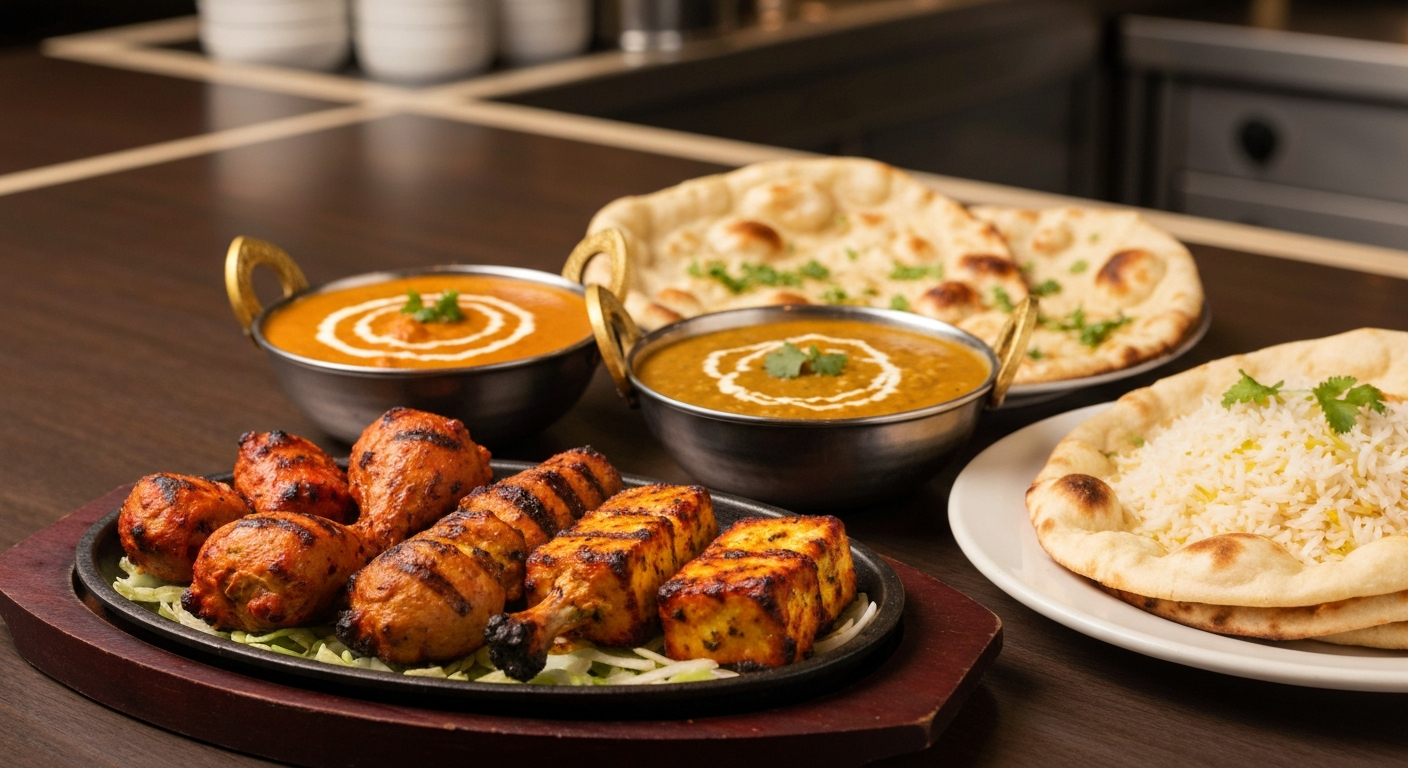
The culinary landscape is constantly evolving, and diners are increasingly seeking diverse, authentic flavors. For restaurant owners and chefs, this presents a unique opportunity: adding Indian dishes to menu to attract new customers and enhance profitability. However, many operators hesitate, often daunted by the perceived need for specialized equipment like a tandoor oven or extensive training in complex Indian culinary techniques.
This article explores how modern commercial kitchens can integrate popular Indian specialties, achieve authentic flavors, and significantly boost their bottom line—all without the capital investment and operational complexities of a traditional tandoor. By strategically leveraging high-quality, chef-grade Indian gravies, pastes, and sauces, restaurants can expand their offerings efficiently and effectively, meeting consumer demand for diverse and exciting dining experiences.
The Opportunity: Why Add Indian Dishes Now?
Indian cuisine consistently ranks among the most popular ethnic foods globally. Its rich, aromatic spices, diverse regional flavors, and wide array of vegetarian and non-vegetarian options appeal to a broad demographic. Integrating Indian dishes into your existing menu isn't just about following a trend; it's about making a strategic business decision that can yield substantial benefits.
Expanding Your Customer Base
Offering Indian dishes can attract a new segment of diners actively seeking these flavors. This includes patrons who enjoy Indian food regularly, as well as adventurous eaters looking to try something new. A diverse menu can also cater better to groups with varied preferences, making your establishment a more appealing choice for larger parties and events. For instance, a restaurant known for its American fare could introduce a couple of well-executed Indian curries, immediately broadening its appeal.
Standing Out in a Competitive Market
In a crowded restaurant market, differentiation is key. A thoughtfully curated selection of Indian specialties can set your establishment apart from competitors offering similar cuisines. It signals culinary versatility and a commitment to offering exciting choices, enhancing your brand's reputation and attracting positive reviews. Imagine a gastropub offering a stellar butter chicken alongside its gourmet burgers—it creates an unexpected and memorable dining experience.
Overcoming the Tandoor Challenge: Authentic Flavors, Simplified Operations
The tandoor oven is synonymous with iconic Indian dishes like tandoori chicken, various kebabs, and naan bread. Its high heat and unique cooking environment impart a distinct smoky flavor and charred texture. While a tandoor is ideal for these preparations, it requires significant investment, dedicated space, specialized training, and ongoing maintenance. For many commercial kitchens, these requirements are prohibitive.
Traditional Tandoor Dishes and Their Appeal
Let's consider some beloved tandoor-cooked items:
- Chicken Tikka: Marinated chicken pieces, traditionally cooked on skewers in a tandoor, known for their tender interior and slightly charred exterior.
- Seekh Kebab: Spiced minced meat (often lamb or chicken) molded onto skewers and tandoor-cooked, offering a juicy, flavorful bite.
- Paneer Tikka: Cubes of paneer (Indian cheese) marinated and grilled, a popular vegetarian option.
- Naan Bread: The quintessential Indian flatbread, traditionally slapped onto the inside walls of a tandoor, resulting in its characteristic bubbly texture and soft chew.
The appeal of these dishes lies in their rich marinades, tender textures, and the unique smoky notes imparted by the tandoor. The good news is that these qualities can be largely replicated and even enhanced using standard kitchen equipment and high-quality prepared ingredients.
Achieving Tandoor-Style Results Without the Oven
Modern culinary techniques and ready-to-use ingredients allow chefs to create dishes that capture the essence of tandoor cooking without needing the specialized oven. Here’s how:
- High-Quality Marinades and Pastes: The secret to authentic tandoor flavor lies heavily in the marinade. Using chef-grade tandoori pastes and marinades ensures that the meat, paneer, or vegetables absorb deep, complex flavors. These pastes are formulated with the precise blend of spices, yogurt, and other ingredients found in traditional recipes.
- Broilers and Salamanders: A broiler or salamander can achieve the intense, direct heat necessary to char and caramelize surfaces, mimicking the tandoor's effect. Marinated chicken tikka, for example, can be cooked under a broiler until perfectly browned and cooked through.
- Grills (Charcoal or Gas): For a smoky flavor, a commercial grill is an excellent substitute. Skewered meats and vegetables can be grilled, developing a desirable char and imparting a smoky aroma that closely resembles tandoor cooking.
- Convection Ovens: While not providing direct char, convection ovens can cook marinated items evenly and efficiently, especially when paired with a finishing step under a broiler or on a flat-top to achieve surface browning.
- Cast Iron Pans/Flat-Tops: For items like naan, a very hot cast iron pan or a commercial flat-top griddle can produce a similar bubbly, slightly charred texture to naan, especially when brushed with butter or ghee. Combine this with a quick finish under a broiler to get the characteristic puffed pockets.
The key is starting with a robust, authentic marinade or paste. When these are expertly crafted, the cooking method becomes a tool to achieve texture and finish, rather than the sole source of flavor.
Strategic Menu Integration: Adding Indian Dishes to Menu with Ease
Successfully adding Indian dishes to menu involves more than just cooking; it requires thoughtful planning and execution to ensure seamless integration and operational efficiency.
Curated Selection: Beyond Just Chicken Tikka Masala
While Chicken Tikka Masala is a universally loved dish, don't limit your menu to just the most obvious choices. Consider a curated selection that showcases the breadth of Indian cuisine while remaining manageable for your kitchen:
- Regional Diversity: Explore dishes from different Indian regions. For example, a rich Northern Indian Butter Chicken, a spicy Goan Vindaloo, or a fragrant South Indian Coconut Curry.
- Vegetarian and Vegan Options: Indian cuisine is rich in vegetarian and vegan dishes. Offering options like Chana Masala (chickpea curry), Dal Makhani (black lentil curry), or Aloo Gobi (potato and cauliflower) can significantly broaden your appeal, especially to health-conscious diners.
- Appetizers and Sides: Beyond main courses, consider Indian appetizers like Samosas (which can be baked or fried) or side dishes like aromatic Basmati rice, Raita (yogurt dip), or a simple Cucumber Salad. These complement your existing menu items and introduce Indian flavors gently.
Start with 2-3 main dishes and an appetizer or two. As customer interest grows, you can gradually expand your Indian offerings.
Utilizing Pre-Made Gravies and Pastes for Consistency and Efficiency
This is where the real operational advantage lies. High-quality, chef-grade Indian gravies, pastes, and sauces are specifically designed for commercial kitchens. They offer:
- Authenticity: Developed by culinary experts, these products capture the true essence of Indian flavors, ensuring your dishes taste genuinely authentic.
- Consistency: Every batch of gravy is identical, guaranteeing that your Indian dishes taste the same, every time. This is crucial for maintaining quality standards and customer satisfaction.
- Reduced Prep Time: Eliminating the need to source, roast, grind, and blend dozens of spices saves significant labor costs and kitchen time. Chefs can focus on protein preparation and plating.
- Simplified Training: Kitchen staff can quickly learn to prepare dishes using pre-made bases, reducing the need for extensive training in complex Indian spice blends.
- Waste Reduction: Pre-portioned or easy-to-measure gravies help minimize ingredient waste, leading to better inventory management and cost control.
By using these ready-to-use solutions, you can achieve restaurant-quality Indian food with the efficiency and consistency demanded by commercial operations.
Staff Training and Presentation
Even with pre-made gravies, a basic understanding of Indian cuisine and proper presentation can elevate the dining experience. Brief your front-of-house staff on the ingredients, flavor profiles, and origins of the Indian dishes you're serving. This enables them to confidently answer customer questions and make informed recommendations. For back-of-house, ensure they understand proper heating, finishing, and plating techniques to ensure dishes are served hot, fresh, and visually appealing.
The Profitability Factor: Maximizing ROI
Adding Indian dishes to menu is not just about culinary expansion; it's a direct path to increased revenue and improved profit margins. The operational efficiencies gained by using chef-grade prepared ingredients translate directly into financial benefits.
Reduced Labor Costs and Prep Time
Traditional Indian cooking can be highly labor-intensive, requiring extensive prep for spice blending, vegetable chopping, and sauce reduction. By using ready-to-use gravies and pastes, you drastically cut down on the hours spent on these tasks. This allows your existing kitchen staff to produce more dishes in less time, or to allocate their efforts to other areas of the menu, without needing to hire additional specialized chefs.
Consistent Quality, Reduced Waste
Inconsistent quality leads to customer dissatisfaction and wasted ingredients. Chef-grade gravies ensure a consistent flavor profile across all servings, minimizing re-dos and negative feedback. Furthermore, precise ingredient usage reduces spoilage and excess inventory, directly impacting your food cost percentages positively. This consistency builds customer loyalty and enhances your restaurant's reputation.
High-Demand Dishes, Premium Pricing
Indian cuisine, particularly authentic and well-executed dishes, often commands a premium price point. Diners are willing to pay for unique and flavorful experiences. By offering high-quality Indian specialties, you can achieve healthy profit margins on these menu items, contributing significantly to your overall profitability. The perceived value of authentic Indian food, even when prepared efficiently with quality bases, allows for strong pricing strategies.
Partnering for Success: MITRA's Solution for Commercial Kitchens
For restaurants and commercial kitchens looking to capitalize on the demand for Indian cuisine without the operational hurdles, MITRA offers a comprehensive solution. Our range of chef-grade Indian gravies, pastes, sauces, rice, and spices are designed for professional kitchens, ensuring authenticity, consistency, and ease of use.
Our products are manufactured to the highest international standards, holding certifications including FSSAI, US FDA, ISO, Halal, HACCP, and GMP. These certifications provide assurance of quality, safety, and compliance for your commercial operations.
We understand the demands of a professional kitchen. That's why we offer a practical minimum order quantity (MOQ) of 50 kg, making it accessible for businesses of various sizes to integrate our products. For your convenience, if a product is in stock in our US (Houston) or local-country warehouse, it ships in just 2 days. If a product is not immediately in stock, the lead time is between 35-60 days, and we notify customers immediately of any potential delays, allowing for effective planning.
MITRA currently serves a growing list of countries, including the USA, Canada, UK, UAE, Australia, Germany, Italy, India, France, Ireland, Switzerland, and Netherlands, with more locations continuously being added to our distribution network.
Explore MITRA's Range for Your Menu Expansion:
- Classic Gravies: Rich Butter Chicken Gravy, spicy Vindaloo Gravy, creamy Korma Gravy, versatile Curry Gravy.
- Tandoori Pastes & Marinades: Authentic blends to achieve tandoor-style flavors with standard kitchen equipment.
- Specialty Sauces: Chutneys, dipping sauces, and more to complement your Indian offerings.
- Premium Spices & Rice: Sourced for quality and authenticity to complete your Indian culinary experience.
Conclusion
Adding Indian dishes to menu is a smart, profitable move for any restaurant aiming to diversify its offerings and attract a broader customer base. The perceived challenge of specialized equipment like a tandoor oven is easily overcome with high-quality, chef-grade gravies and pastes, combined with standard kitchen tools. By choosing a reliable partner like MITRA, you gain access to authentic flavors, consistent quality, and operational efficiencies that directly translate into increased profitability.
Ready to elevate your menu and boost your restaurant's appeal? Inquire about MITRA's range of Indian gravies, pastes, and spices today. Visit ododgroup.com to learn more and request a quote or sample for your commercial kitchen.