
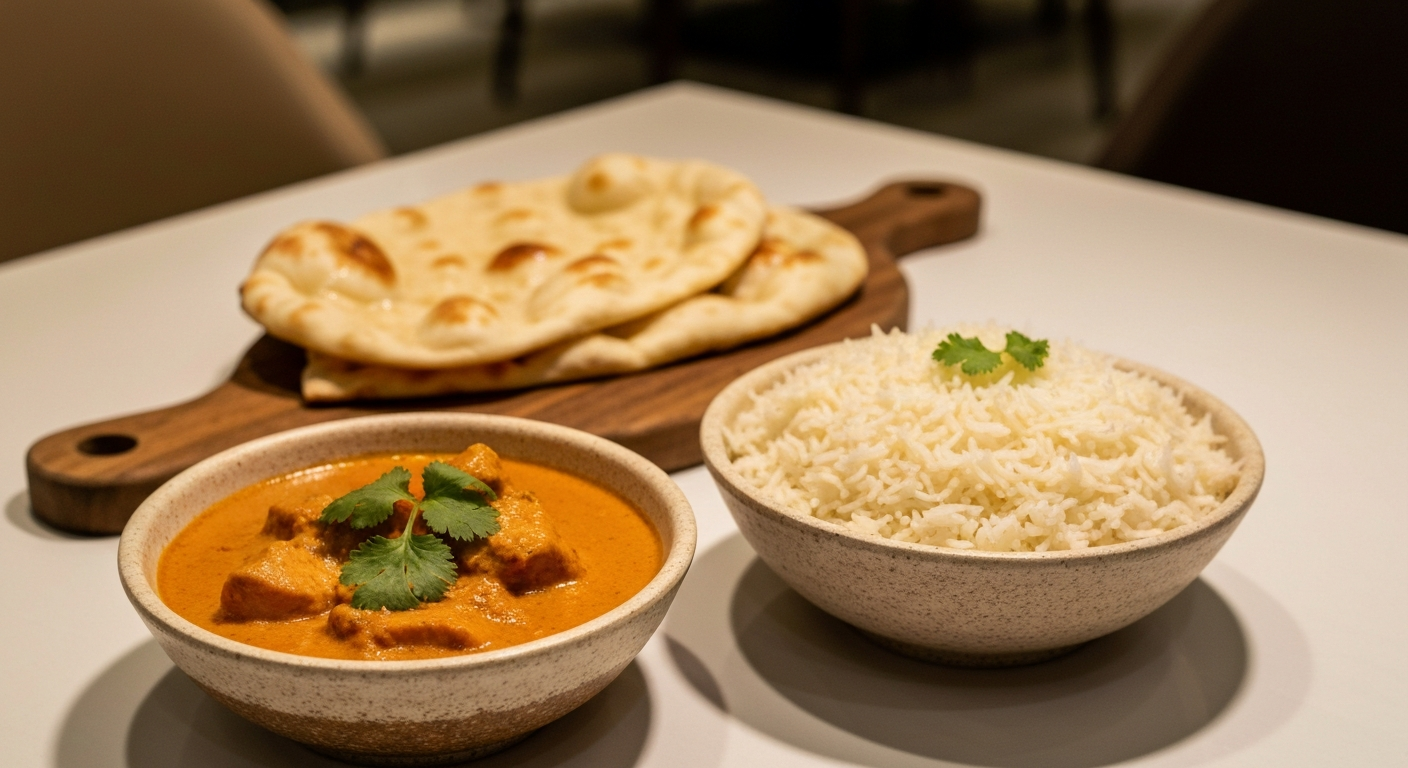
As a restaurant owner or chef specializing in Indian cuisine, optimizing profitability is a constant pursuit. Every dish served carries a cost—ingredients, labor, and overhead—and understanding how to maximize the value and margin of each plate is critical for long-term success. This article delves into the strategies behind smart restaurant Indian menu profit per plate design, offering practical insights into how thoughtful planning, strategic sourcing, and clever presentation can significantly enhance your bottom line.
Moving beyond simply selling food, we'll explore how to engineer your menu to highlight high-margin items, control costs without compromising authenticity, and create a dining experience that encourages repeat business. For professional kitchens, from standalone restaurants and cloud kitchens to large-scale catering operations, the principles of menu engineering and cost management are universal, but their application to the rich and diverse world of Indian cuisine requires specific attention.
Understanding Your Indian Menu's Profit Drivers
Before diving into design, it’s essential to dissect the components that influence the profitability of each Indian dish. Unlike some cuisines, Indian cooking often involves a complex interplay of spices, fresh produce, and labor-intensive preparation methods. Each element contributes to the overall Cost of Goods Sold (COGS) and ultimately, your profit per plate.
Ingredient Costs: The Foundation of Profitability
Indian cuisine is renowned for its aromatic spices, fresh vegetables, lentils, and a variety of meats. While these ingredients are fundamental to authentic flavors, their cost can fluctuate significantly. Key considerations include:
- Spices: High-quality, whole spices are vital. Purchasing in bulk can reduce unit costs.
- Fresh Produce: Vegetables and herbs are often central. Seasonal sourcing can offer cost advantages and freshness.
- Dairy: Ghee, yogurt, and paneer are staples. Their quality and price point impact many dishes.
- Proteins: Meat, poultry, fish, and legumes form the core of many main courses. The cut, source, and market price are critical.
Labor Costs: The Hidden Variable
Traditional Indian cooking can be very labor-intensive. Preparing gravies from scratch, grinding spices, chopping vegetables, and crafting breads all demand significant time and skilled labor. This impacts your overall operational efficiency and directly affects the true cost of each plate. Streamlining these processes, perhaps through the use of high-quality, pre-prepared gravies and pastes, can dramatically reduce labor overhead.
Overhead and Perceived Value
Rent, utilities, equipment maintenance, and marketing all contribute to the cost of doing business. While not directly tied to a single plate, these overheads must be covered by your menu's overall profitability. Simultaneously, how customers perceive the value of a dish—its presentation, portion size, and unique flavor profile—allows for strategic pricing that can elevate your profit margins.
Menu Engineering for Indian Cuisine: Optimizing Your Offerings
Menu engineering is a strategic approach to designing your menu to maximize profitability and customer satisfaction. It categorizes dishes based on their popularity and profitability, helping you make informed decisions about pricing, placement, and promotion.
The Menu Engineering Matrix Applied to Indian Dishes
- Stars (High Popularity, High Profit): These are your signature Indian dishes that customers love and that generate excellent margins. Think classic Butter Chicken, Chicken Tikka Masala, or a well-executed Lamb Rogan Josh. For these items, focus on maintaining consistency, potentially upselling with premium sides, and ensuring they are prominently featured on your menu.
- Plow Horses (High Popularity, Low Profit): These dishes are customer favorites but may have lower profit margins due to high ingredient costs or labor. Examples might include a simple Daal Tadka or a basic Vegetable Korma. The goal here is to gently increase their profitability without alienating loyal customers. Strategies could include:
- Slightly reducing portion size (if appropriate).
- Finding more cost-effective suppliers for certain ingredients.
- Optimizing preparation methods to reduce labor.
- Bundling them with higher-margin items.
- Puzzles (Low Popularity, High Profit): These are often unique regional specialties or innovative dishes that carry good margins but aren't selling well. Perhaps a specific Goan seafood curry or a less common vegetarian thali. To boost their sales:
- Feature them as chef's specials.
- Offer samples or promotions.
- Train staff to recommend them enthusiastically.
- Improve their description on the menu to highlight unique ingredients or heritage.
- Dogs (Low Popularity, Low Profit): These items are neither popular nor profitable. They clutter your menu and tie up inventory. It's often best to remove them or significantly re-engineer them. Before removing, consider if a slight recipe tweak, better sourcing, or a complete overhaul could move them into another category. If not, make space for more profitable offerings.
Strategic Ingredient Sourcing and Management
Effective cost control starts with smart sourcing. For an Indian kitchen, this means more than just finding the cheapest suppliers; it means finding the right suppliers who can provide quality, consistency, and value.
Bulk Purchasing for Core Ingredients
For staples like rice, lentils, and common spices, purchasing in bulk can lead to significant cost savings. Establish relationships with reliable food distributors who can offer competitive pricing for large quantities. This is particularly beneficial for foundational ingredients that see constant use across multiple dishes.
Leveraging Pre-Prepared Solutions for Efficiency
Preparing complex Indian gravies and pastes from scratch daily is a major drain on labor and kitchen consistency. High-quality, pre-prepared solutions can be a game-changer for restaurant Indian menu profit per plate. Products like MITRA's chef-grade gravies and pastes are manufactured to exacting standards, ensuring authentic flavor profiles while drastically cutting down on prep time, labor costs, and ingredient waste. This allows your chefs to focus on finishing and presentation, not foundational cooking.
Inventory Management and Waste Reduction
Implementing robust inventory management systems is crucial. Track usage rates for all ingredients to prevent over-ordering and spoilage. "First-In, First-Out" (FIFO) practices are essential. For fresh produce, consider incorporating seasonal ingredients more prominently, which are often more affordable and flavorful.
Optimizing Indian Dishes for Higher Margins
Beyond menu engineering, individual dish optimization is key to improving profitability.
Standardization and Consistency
Inconsistent dishes lead to customer dissatisfaction and wasted ingredients. Standardized recipes, combined with accurate portion control, ensure that every plate meets quality expectations and cost targets. Using consistent, high-quality base gravies (like those from MITRA) helps achieve this standardization, ensuring that your Butter Chicken tastes the same every time, regardless of which chef is on duty.
Portion Control: The Profit Protector
Over-portioning is a silent profit killer. Train staff on precise portion sizes for all components of a dish, from the amount of gravy to the protein and rice. Utilizing standard scoops and weighing scales can enforce this discipline effectively.
Value-Added Sides and Add-ons
Strategically price your accompaniments. Offering a premium garlic naan, a unique raita, or a house-made chutney as an upsell can significantly boost the average check value without adding much to the main dish's COGS. Ensure these items are high-quality and complement your main courses.
Recipe Optimization and Cross-Utilization
Review your recipes regularly. Are there opportunities to reduce expensive ingredients slightly without impacting flavor? Can a single base gravy be adapted for two or three different dishes with minor modifications (e.g., a rich tomato-onion base for both a paneer and a chicken curry)? Cross-utilization reduces prep time and minimizes inventory complexity.
Pricing Strategies for Your Indian Menu
Setting the right prices is a delicate balance between covering costs, achieving desired profit margins, and remaining competitive. Your pricing strategy directly impacts your restaurant Indian menu profit per plate.
Cost-Plus vs. Value-Based Pricing
- Cost-Plus Pricing: Calculate the total cost of a dish (ingredients + labor + overhead contribution) and add a desired profit percentage. This is a foundational method but might not capture perceived value.
- Value-Based Pricing: Price dishes based on what customers are willing to pay, considering market trends, competitor pricing, and the perceived quality and uniqueness of your offerings. Premium, authentic regional dishes can often command higher prices.
Psychological Pricing and Menu Layout
Small pricing adjustments can have a big impact. Prices ending in .99 or .95 often appear more appealing. The layout of your physical or digital menu also matters: place your most profitable items in prime viewing spots (e.g., top right or center of a two-page spread). Use descriptive language that highlights quality and authenticity to justify prices.
Bundling and Combos
Offer combos or thalis that combine several items at a slightly reduced price compared to ordering them individually. This encourages customers to try more dishes and can increase the total spend, especially if the bundled items include a high-profit main with lower-cost sides.
Leveraging Efficiency with MITRA Products
For professional kitchens seeking to maximize their restaurant Indian menu profit per plate, MITRA offers a compelling solution. Our chef-grade Indian gravies, pastes, and sauces are designed to deliver authentic flavors with unparalleled consistency, directly addressing many of the challenges outlined above.
By incorporating MITRA products into your kitchen, you can:
- Reduce Labor Costs: Eliminate hours of prep time spent on making gravies from scratch, allowing your skilled chefs to focus on presentation and innovation.
- Ensure Consistency: Every batch of curry will have the same authentic taste and texture, leading to higher customer satisfaction and fewer re-dos.
- Control Food Costs: Our products help standardize ingredient usage, reducing waste and providing predictable costs per serving.
- Maintain High Standards: Our products are manufactured to rigorous international standards, holding certifications such as FSSAI, US FDA, ISO, Halal, HACCP, and GMP.
We understand the demands of a professional kitchen. Our minimum order quantity (MOQ) is 50 kg, designed to meet the needs of businesses. Products in stock at our US (Houston) or local-country warehouses typically ship within 2 days. For items not immediately in stock, the lead time is 35-60 days, and customers are notified promptly of any delays. We proudly serve professional kitchens across the USA, Canada, UK, UAE, Australia, Germany, Italy, India, France, Ireland, Switzerland, and Netherlands, with our distribution network continually expanding.
Conclusion
Boosting your restaurant Indian menu profit per plate is an ongoing process that combines culinary expertise with astute business strategy. By meticulously analyzing your costs, intelligently engineering your menu, optimizing sourcing, and leveraging efficient pre-prepared solutions, you can significantly enhance your profitability without compromising the authentic flavors that define Indian cuisine. A data-driven approach, coupled with a commitment to quality and efficiency, will set your establishment apart in a competitive market.
Ready to explore how MITRA products can enhance your kitchen's efficiency and profitability? Visit ododgroup.com to request a quote, sample, or wholesale inquiry today.