
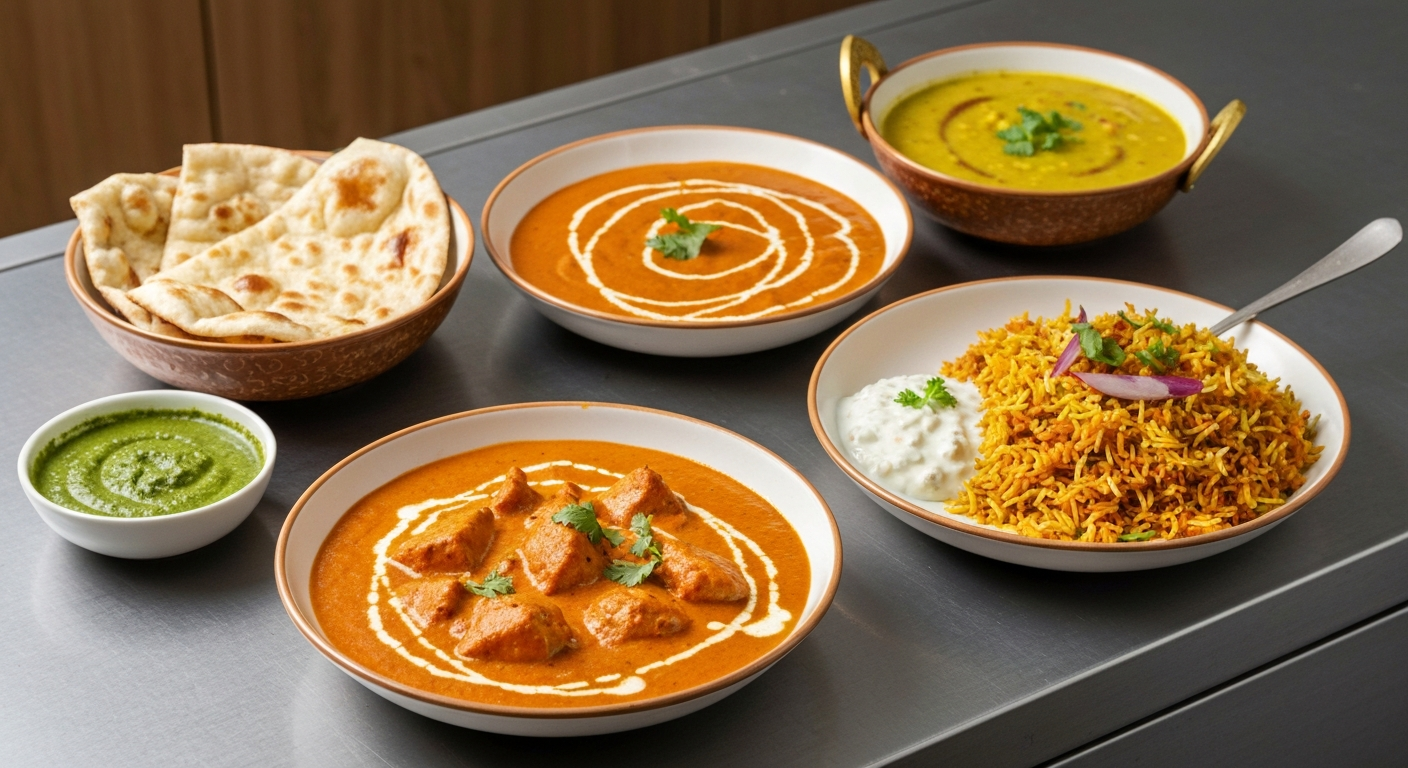
In the dynamic world of hospitality, hotel kitchens face constant pressure to deliver diverse, high-quality culinary experiences. Guests increasingly seek authentic international flavors, with Indian cuisine consistently ranking among the most popular. For hotel chains, meeting this demand while maintaining operational efficiency and consistency across multiple outlets presents a unique challenge. This is where kitchen staff cross-training indian cuisine becomes not just an advantage, but a strategic imperative.
Cross-training your culinary team in the nuances of Indian cooking can significantly enhance kitchen versatility, reduce reliance on single-skill chefs, and improve overall service delivery. It allows your staff to adapt quickly to changing menu trends, cater to special events, and ensure a seamless flow of operations, even during peak times or staff absences. For multi-outlet hotels or those with extensive catering services, this flexibility translates directly into improved guest satisfaction and a stronger competitive edge.
The Strategic Imperative of Culinary Team Versatility
Modern hotel guests expect more than just a place to stay; they seek immersive experiences, and dining plays a crucial role. Offering a robust and authentic Indian menu can differentiate your property, attracting a broader clientele and increasing revenue streams through diverse dining options, banqueting, and room service. However, the perceived complexity of Indian cuisine, with its intricate spice blends, slow-cooking techniques, and regional variations, often deters kitchens from fully embracing its potential.
Cross-training mitigates this by:
- Enhancing Menu Breadth: Equipping your team to prepare a wider array of Indian dishes, from classic curries like Butter Chicken and Rogan Josh to regional specialties such as Goan Fish Curry or Hyderabadi Biryani, expands your menu offerings without needing to hire an entirely new specialist chef for every cuisine.
- Boosting Operational Efficiency: A versatile team can pivot between different stations and culinary styles as needed, reducing bottlenecks and optimizing labor costs. This is particularly valuable in large hotel operations where demand can fluctuate significantly across different dining venues or events.
- Ensuring Consistency and Quality: Standardized training and access to consistent, high-quality ingredients are key. When multiple chefs are trained on the same foundational techniques and recipes, the quality of dishes remains consistent, regardless of who is in the kitchen.
- Improving Staff Morale and Retention: Investing in staff development through cross-training demonstrates a commitment to their professional growth. This can lead to higher job satisfaction, reduced turnover, and a more engaged culinary team.
Overcoming Challenges in Indian Cuisine Training
Traditional Indian cooking often involves a deep understanding of spices, precise tempering (tadka), and time-consuming preparation of foundational gravies and pastes. These complexities can make comprehensive cross-training seem daunting. Common challenges include:
- Time Commitment: Training staff from scratch on the intricacies of Indian cuisine can be lengthy and resource-intensive, pulling chefs away from their primary duties.
- Ingredient Sourcing and Consistency: Sourcing authentic, high-quality Indian spices and ingredients consistently can be a challenge, especially for large-scale operations or those in diverse geographical locations.
- Recipe Standardization: Achieving consistent flavor and quality across different chefs and locations requires rigorously standardized recipes, which can be difficult to develop and implement for complex dishes.
- Skill Gaps: Not all chefs have a foundational understanding of Indian culinary principles, requiring more intensive initial training.
MITRA's Role in Streamlining Indian Cuisine Training and Operations
This is where MITRA, an ODOD LLC brand, offers a practical solution for hotel kitchens. Our range of chef-grade Indian gravies, pastes, sauces, rice, and spices are designed to simplify the preparation of authentic Indian dishes without compromising on flavor or quality. By integrating MITRA products, hotel kitchens can significantly shorten the learning curve for kitchen staff cross-training indian cuisine.
Standardized Bases for Consistent Excellence
Our prepared gravies and pastes, such as rich Makhani, robust Rogan Josh, aromatic Korma, or fiery Vindaloo bases, provide a consistent and authentic foundation for a wide array of dishes. This means:
- Reduced Training Time: Instead of teaching staff how to prepare gravies from scratch over several hours, training can focus on finishing techniques, protein preparation, and presentation. This dramatically cuts down on the time required to bring a chef up to speed on Indian menu items.
- Guaranteed Flavor Consistency: Every batch of our products is manufactured to stringent standards, ensuring that a Butter Chicken prepared in one hotel will taste identical to one prepared in another, regardless of the chef. This is critical for brand consistency across hotel chains.
- Simplified Inventory Management: Using pre-prepared bases reduces the number of individual spices and ingredients that need to be stocked and managed, streamlining your supply chain and reducing waste.
High-Quality Spices and Rice for Authentic Results
Beyond gravies, MITRA supplies premium, whole, and ground spices, and carefully selected rice varieties. These essential components are critical for authentic Indian flavors. By sourcing these from a reliable provider like MITRA, hotels ensure:
- Authenticity and Purity: Our spices are selected for their quality and aromatic profiles, ensuring that even simplified dishes retain their traditional character.
- Ease of Access: A single source for gravies, pastes, and spices simplifies procurement for multi-location hotel chains, ensuring that all kitchens have access to the same high-quality ingredients.
Practical Steps for Implementing Effective Cross-Training
To successfully implement kitchen staff cross-training indian cuisine within your hotel, consider these steps:
- Assess Current Skill Sets: Identify which team members have some experience with Indian cuisine and where the biggest knowledge gaps lie. This helps tailor your training program.
- Develop a Phased Training Plan: Start with foundational dishes and gradually introduce more complex ones. Focus on a core set of popular Indian dishes that leverage MITRA's gravies and pastes.
- Utilize MITRA Products as Training Tools: Demonstrate how MITRA's ready-to-use gravies and pastes serve as the consistent base, allowing chefs to focus on protein preparation, garnishing, and understanding flavor profiles rather than time-consuming initial steps.
- Hands-On Workshops: Conduct regular, practical workshops. Encourage chefs to experiment with different proteins and vegetables using the same base gravies to understand versatility.
- Create Standard Operating Procedures (SOPs): Document detailed, step-by-step recipes and procedures for each Indian dish, incorporating the use of MITRA products. This ensures consistency and provides a reference for all staff.
- Ongoing Support and Feedback: Provide continuous support and constructive feedback. Encourage chefs to share their learning and challenges.
Business Advantages for Hotel Chains
Embracing cross-training with the support of specialized suppliers like MITRA brings tangible benefits to hotel operations:
- Cost Efficiency: By reducing reliance on highly specialized, single-cuisine chefs and optimizing preparation times, labor costs can be better managed. Reduced food waste from consistent product quality also contributes to savings.
- Enhanced Guest Experience: A wider, more authentic, and consistently high-quality Indian menu directly translates to higher guest satisfaction, positive reviews, and repeat business.
- Competitive Differentiation: Hotels that can confidently and consistently offer diverse and authentic international cuisine stand out in a crowded market.
- Agility and Adaptability: A cross-trained team is better equipped to handle unexpected demand spikes, staff shortages, and menu changes, ensuring seamless operations.
- Supply Chain Reliability: ODOD LLC products are manufactured to stringent quality standards, holding certifications such as FSSAI, US FDA, ISO, Halal, HACCP, and GMP. This ensures that your hotel kitchens receive products that meet global food safety and quality benchmarks. We maintain a 50 kg minimum order quantity (MOQ) to support consistent supply for professional kitchens. For products in stock in our US (Houston) or local-country warehouses, shipping occurs within 2 days. For items not in stock, the lead time is 35-60 days, with immediate notification of any delays. We currently serve the USA, Canada, UK, UAE, Australia, Germany, Italy, India, France, Ireland, Switzerland, and Netherlands, with our network continuously expanding to meet global demand.
Conclusion
For hotel chains striving for culinary excellence and operational efficiency, kitchen staff cross-training indian cuisine is a powerful strategy. By leveraging MITRA's chef-grade gravies, pastes, and spices, you can simplify the training process, ensure unparalleled consistency, and empower your culinary team to confidently deliver the authentic Indian flavors your guests crave. This investment in your team and your menu will not only enhance the guest experience but also drive significant operational advantages and strengthen your brand's reputation.
Ready to elevate your hotel's Indian culinary offerings? Inquire about our wholesale solutions and discover how MITRA can support your kitchen staff cross-training initiatives and menu expansion. Visit ododgroup.com to request a quote or sample.