
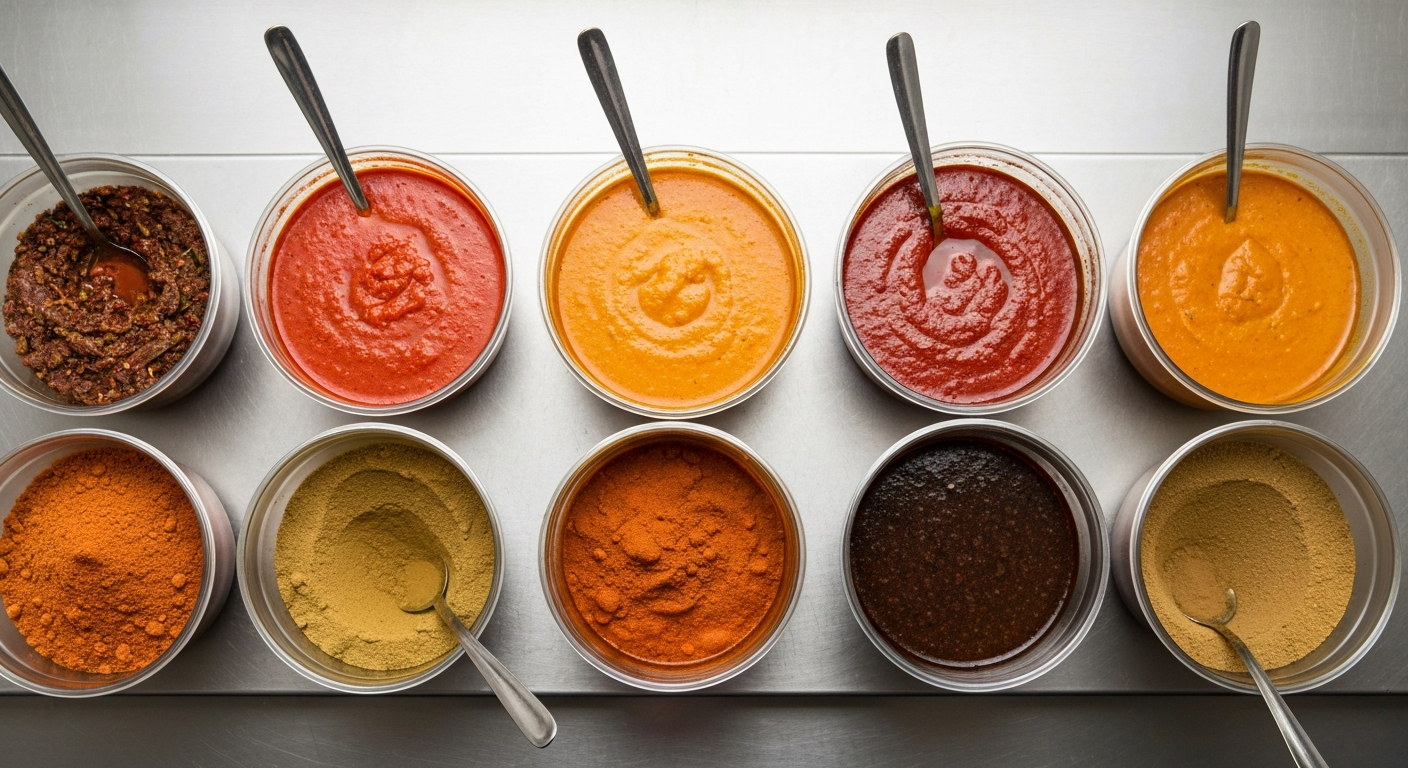
The culinary landscape is constantly evolving, with Indian cuisine experiencing a remarkable surge in popularity across the global foodservice sector. From fine-dining establishments to bustling cloud kitchens, caterers, and institutional feeders, the demand for authentic, high-quality Indian gravies, pastes, spices, and rice is on a consistent upward trajectory. For food distributors, this rising demand presents both immense opportunity and significant challenges, particularly in managing inventory and ensuring consistent supply. This is where indian foodservice demand forecasting, powered by robust data analytics, becomes not just an advantage, but a necessity for operational excellence and sustained profitability.
Accurate demand forecasting allows distributors to anticipate client needs with greater precision, reducing the risks associated with overstocking or understocking. In a market as dynamic and nuanced as Indian foodservice, where regional preferences, seasonal festivals, and evolving dietary trends play a crucial role, relying on guesswork is a recipe for inefficiency. By embracing data-driven strategies, distributors can optimize their supply chains, enhance customer satisfaction, and solidify their position as reliable partners in the rapidly expanding Indian food market.
The Expanding Palate: Growth of Indian Cuisine in Foodservice
The appeal of Indian food has transcended cultural boundaries, becoming a staple in diverse culinary settings. This growth is fueled by several factors:
- Diversification of Menus: Chefs are increasingly incorporating Indian flavors and dishes into their menus, both as authentic offerings and fusion creations.
- Rise of Specialty Restaurants: The proliferation of Indian restaurants, from casual eateries to upscale dining, continues to drive demand for specialized ingredients.
- Cloud Kitchens and Delivery Services: The convenience economy has boosted the popularity of Indian takeaways, requiring a steady supply of consistent, chef-grade products.
- Dietary Adaptations: The versatility of Indian cuisine allows for easy adaptation to vegetarian, vegan, and gluten-free diets, broadening its appeal.
- Global Exposure: Travel and media have introduced more people to the rich diversity of regional Indian dishes, creating demand for specific gravies like Rogan Josh, Madras Curry, Vindaloo, and Makhani.
For distributors, this means managing an increasingly complex product portfolio, ranging from foundational ingredients like turmeric and cumin to ready-to-use gravies and specialty rice varieties. Without precise forecasting, balancing this inventory becomes a precarious act.
Navigating Complexity: Challenges in Indian Foodservice Demand Forecasting
While the market growth is exciting, forecasting demand for Indian foodservice products comes with its unique set of complexities:
Seasonal and Cultural Influences
Indian cuisine is deeply intertwined with cultural events and festivals. Diwali, Eid, Holi, and regional harvest festivals can significantly impact demand for specific products. For instance, increased demand for sweets or richer gravies might be observed during festive periods. Conversely, certain ingredients might see a dip during religious fasting periods. Accurately mapping these seasonal fluctuations requires historical data and an understanding of cultural calendars.
Evolving Menu Trends and Consumer Preferences
Just like any other cuisine, Indian food trends evolve. The rise of South Indian dishes like dosas and idlis, the increasing popularity of regional specialties from Kerala or Bengal, or the demand for healthier, lighter versions of traditional dishes, all influence what foodservice operators need. Distributors must track these trends to adjust their stock accordingly.
Geographic and Demographic Variations
Demand for specific Indian dishes can vary significantly by geography and local demographics. A city with a large South Asian diaspora might have high demand for specific regional gravies or rice varieties, while another area might prefer more generalized North Indian dishes. Understanding the demographic makeup of your client base and their patrons is crucial.
Supply Chain Volatility
Global events, agricultural yields, and international logistics can impact the availability and pricing of raw ingredients. While MITRA ensures consistent supply of its manufactured products, distributors must still account for broader market volatilities when planning their own inventory.
The Power of Data: Precision in Indian Foodservice Demand Forecasting
Moving beyond anecdotal evidence and gut feelings, data-driven approaches provide the clarity needed for effective indian foodservice demand forecasting. By systematically collecting, analyzing, and interpreting various data points, distributors can build robust predictive models.
Key Data Sources for Forecasting:
- Historical Sales Data: This is the bedrock. Analyzing past sales of specific MITRA products over different periods (daily, weekly, monthly, annually) reveals patterns, trends, and seasonality. Look for:
- Volume sold per SKU.
- Sales trends over time.
- Impact of promotions or discounts.
- Client-specific purchase histories.
- Point-of-Sale (POS) Data from Clients: Collaborating with key clients to access aggregated, anonymized POS data can provide invaluable insights into their patrons' preferences. This granular data can highlight specific dishes that are selling well, ingredient consumption rates, and peak service times.
- Market Research and Industry Reports: Stay abreast of broader foodservice trends, culinary publications, and reports on ethnic food consumption. Organizations tracking restaurant sales, food innovation, and consumer preferences can offer macro-level insights.
- Geographic and Demographic Data: Tools that analyze population demographics, ethnic concentrations, and income levels in different service areas can help predict regional demand for specific Indian products.
- Seasonal and Event Calendars: Overlaying cultural and religious calendars with historical sales data helps identify and quantify the impact of festivals and holidays on demand.
- Economic Indicators: Broader economic health, consumer spending habits, and disposable income can influence dining-out frequency and, consequently, demand for foodservice products.
Essential Data Points to Track:
- Product-Level Demand: Not just overall Indian food, but specific SKUs like "Makhani Gravy Base" versus "Chettinad Paste".
- Client Segmentation: Large hotel chains will have different ordering patterns and volumes than independent restaurants or small caterers.
- Order Frequency and Volume: Understanding how often and how much each client orders helps predict their future needs.
- Promotional Impact: Quantify how promotions or new product introductions affect sales volumes.
- Competitor Activity: While not directly internal data, understanding competitor strategies can inform your own forecasting.
Tools and Techniques for Robust Forecasting
Implementing data-driven indian foodservice demand forecasting requires the right tools and methodologies:
- Statistical Forecasting Models:
- Moving Averages: Simple yet effective for smoothing out short-term fluctuations.
- Exponential Smoothing: Gives more weight to recent data, useful for dynamic markets.
- ARIMA (AutoRegressive Integrated Moving Average): More sophisticated, capable of handling trends and seasonality.
- Machine Learning and AI: For larger distributors with significant data, machine learning algorithms can identify complex, non-linear patterns that traditional statistical methods might miss. These can incorporate a vast array of variables to produce highly accurate predictions.
- ERP and Inventory Management Systems: Modern Enterprise Resource Planning (ERP) systems and dedicated inventory management software are crucial for collecting, organizing, and analyzing sales and inventory data in real time. Integration with client POS systems can further enhance data richness.
- Collaborative Planning, Forecasting, and Replenishment (CPFR): This strategy involves working closely with both your foodservice clients and your suppliers (like MITRA) to synchronize forecasting and replenishment plans. Sharing insights improves accuracy across the entire supply chain.
Tangible Benefits of Accurate Forecasting for Distributors
The investment in advanced indian foodservice demand forecasting yields substantial returns:
- Optimized Inventory Levels: Reduce the costs associated with holding excess inventory (storage, spoilage, insurance) and free up capital. Minimize waste from expired or slow-moving products.
- Reduced Stockouts and Backorders: Ensure your clients always have access to the MITRA products they need, when they need them. This is critical for maintaining their operational flow and your reputation.
- Enhanced Client Satisfaction and Loyalty: Consistent product availability strengthens relationships and positions you as a reliable, indispensable partner. Happy clients are loyal clients.
- Improved Operational Efficiency: Better forecasts lead to more efficient warehouse management, optimized picking and packing processes, and smarter route planning for deliveries.
- Strategic Sourcing and Procurement: Accurate demand predictions allow for more strategic purchasing from suppliers, potentially leading to better pricing and terms, especially for products with a 35-60 day lead time if not in stock.
- Increased Profitability: The cumulative effect of reduced costs, improved efficiency, and higher customer retention directly translates to a healthier bottom line.
Partnering for Success: MITRA's Role in Your Supply Chain
As you refine your indian foodservice demand forecasting, partnering with a reliable, high-quality supplier is paramount. ODOD LLC, through its MITRA brand, is committed to supporting distributors with the consistent supply of chef-grade Indian gravies, pastes, sauces, rice, and spices.
Our Commitment to Quality and Consistency:
Our products are manufactured to rigorous international standards, holding essential certifications such as FSSAI, US FDA, ISO, Halal, HACCP, and GMP. These certifications are your assurance of quality, safety, and authenticity, minimizing variability in the products you distribute and simplifying your inventory management.
A Comprehensive Product Range:
MITRA offers a wide array of products designed to meet the diverse needs of the foodservice industry, from foundational spice blends to ready-to-use gravies that save chefs valuable prep time. Explore MITRA's Product Range. This breadth allows you to cater to varied client demands with a single, trusted supplier.
Streamlined Logistics and Support:
We understand the importance of timely delivery. If a product is in stock in our US (Houston) or local-country warehouse, it ships in 2 days. For items not immediately in stock, the lead time is typically 35-60 days, and we notify customers immediately of any delay. This transparency allows you to integrate our lead times into your forecasting models effectively. Understand Our Shipping Process.
Our minimum order quantity (MOQ) is a 50 kg, designed to support wholesale operations efficiently. We currently serve a growing list of countries, including the USA, Canada, UK, UAE, Australia, Germany, Italy, India, France, Ireland, Switzerland, and Netherlands, with more being added regularly, ensuring a broad market reach for our partners.
Implementing Your Data-Driven Forecasting Strategy
Embarking on a data-driven forecasting journey doesn't have to be overwhelming. Here’s a pragmatic approach:
- Start Small: Begin by focusing on your highest-volume or most critical Indian foodservice products.
- Gather and Clean Data: Ensure your historical sales data is accurate and complete. This is the most crucial step.
- Invest in the Right Tools: Explore software solutions that fit your budget and operational scale.
- Train Your Team: Equip your staff with the skills to use new tools and interpret data effectively.
- Foster Collaboration: Work closely with your sales team, clients, and suppliers (like MITRA) to share insights and improve collective accuracy.
- Continuously Review and Refine: Forecasting is an iterative process. Regularly review your predictions against actual sales and adjust your models accordingly.
Conclusion
In the competitive world of foodservice distribution, precision is power. Mastering indian foodservice demand forecasting through data-driven strategies is no longer optional; it's a strategic imperative for optimizing inventory, mitigating risks, and ensuring client satisfaction. By leveraging historical data, market insights, and collaborative partnerships, you can transform your supply chain into a lean, responsive, and highly profitable operation.
MITRA stands as your reliable partner in this journey, providing the consistent quality and supply of high-demand Indian food products that empower your distribution network. Elevate your operational efficiency and meet the growing demand for authentic Indian cuisine with confidence.
Ready to enhance your supply chain with premium Indian foodservice products? Request a Quote or Sample today via ododgroup.com to discover how MITRA can support your distribution needs.