
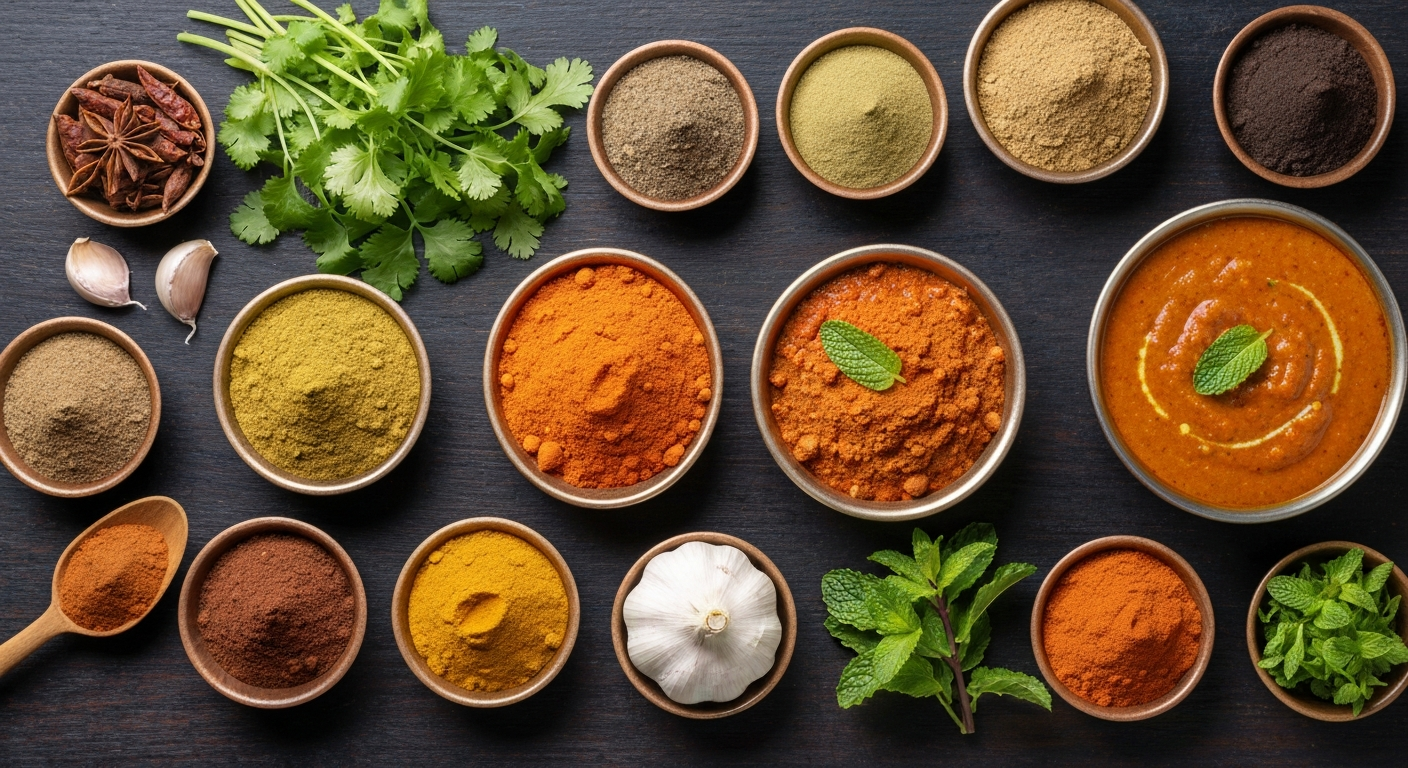
In the competitive landscape of modern foodservice, ghost kitchens operate on the razor's edge of efficiency. Success hinges on streamlined operations, minimal waste, and consistent quality, all while managing costs. For ghost kitchens specializing in Indian cuisine, these challenges are amplified by the inherent complexity and diversity of ingredients. Mastering `lean ghost kitchen indian inventory` is not just an operational goal; it's a strategic imperative for profitability and growth.
Indian cuisine is renowned for its rich tapestry of flavors, which often translates into a vast and varied ingredient list. From dozens of aromatic whole and ground spices to an array of fresh herbs, vegetables, and dairy products, managing this inventory efficiently demands precision. This article explores how data analytics and lean principles can transform inventory management for Indian ghost kitchens, ensuring authenticity, reducing waste, and boosting the bottom line.
The Unique Challenges of Indian Ingredient Inventory in Ghost Kitchens
Ghost kitchens, by nature, prioritize speed, volume, and low overhead. This model presents particular hurdles when dealing with the intricacies of Indian ingredients:
- Diversity and Complexity: Unlike some cuisines that rely on a core set of ingredients, Indian cooking often calls for a wide spectrum of spices, pulses, flours, and fresh produce. Stocking these in optimal quantities without over-ordering is a constant balancing act.
- Perishability: Fresh ingredients like cilantro, mint, ginger, garlic, tomatoes, onions, and dairy products such as paneer and yogurt have short shelf lives. Spoilage can quickly erode profits if not managed meticulously.
- Consistency: Replicating authentic Indian flavors consistently across multiple orders, or even multiple ghost kitchen locations, requires precise ingredient measurement and quality. Variations in spice potency or fresh produce quality can impact the final dish.
- Space Constraints: Ghost kitchens often operate within compact footprints, making efficient storage of a diverse Indian inventory crucial. Every square foot counts.
- Labor-Intensive Prep: Preparing foundational Indian gravies and pastes from scratch involves significant labor for chopping, grinding, and slow cooking. This impacts both time and ingredient usage.
Leveraging Data Analytics for Precision Inventory Management
Data is the most powerful tool in a ghost kitchen's arsenal. For Indian ingredient inventory, analytics provide actionable insights that traditional guesswork cannot match.
1. Sales Performance Data
Your Point-of-Sale (POS) system is a goldmine of information. By analyzing sales data, ghost kitchens can:
- Predict Demand: Understand which Indian dishes are popular, at what times, and on which days. This allows for more accurate forecasting of specific gravies, proteins (like chicken, lamb, or paneer), and accompaniments (naan, rice).
- Identify Trends: Spot seasonal demand shifts for certain ingredients (e.g., warmer weather might increase demand for lighter, yogurt-based dishes; colder weather for richer curries).
- Optimize Menu Offerings: Pinpoint high-selling, high-profit dishes and identify slow-moving items that might be contributing to inventory bloat or waste.
2. Waste Tracking and Analysis
Every discarded gram of food is lost revenue. Implementing robust waste tracking allows you to:
- Identify Spoilage Hotspots: Which fresh herbs or vegetables are most frequently expiring before use? Is it excess fresh coriander, unused ginger, or over-prepped onions?
- Analyze Over-Preparation: Are chefs consistently preparing more of a base gravy or a side dish than is actually sold? This data can inform portion control and batch cooking adjustments.
- Pinpoint Inefficient Practices: Data can reveal if certain ingredients are being mishandled during storage, leading to premature spoilage.
3. Supplier Performance Metrics
Your relationship with suppliers is critical for lean inventory. Data helps you evaluate:
- Lead Times: Track how long it takes for orders to arrive. This is crucial for implementing Just-in-Time (JIT) ordering, especially for perishable Indian ingredients. For example, if a product is in stock in our US (Houston) or local-country warehouse, it ships in 2 days. If it is not in stock, the lead time is 35-60 days, and the customer is notified immediately of any delay.
- Delivery Accuracy: Are orders consistently correct and complete? Inaccurate deliveries disrupt inventory flow and lead to operational inefficiencies.
- Pricing Fluctuations: Monitor ingredient costs over time to make informed purchasing decisions and adjust menu pricing as needed.
4. Ingredient Cost Analysis and Menu Engineering
Connecting sales data with ingredient costs provides a clear picture of true dish profitability. Menu engineering, informed by this data, allows you to:
- Optimize Ingredient Usage: Design your Indian menu to maximize the cross-utilization of common ingredients across multiple dishes, reducing the total number of unique items you need to stock.
- Highlight Profitable Dishes: Promote dishes that offer the best balance of popularity and ingredient cost efficiency, guiding customer choice towards optimal inventory usage.
Implementing Lean Principles for Indian Inventory Management
Lean methodology, originating in manufacturing, is perfectly suited for the high-volume, efficiency-driven environment of a ghost kitchen. Applying these principles to Indian ingredient inventory can drastically reduce waste and improve flow.
1. Just-in-Time (JIT) Ordering
JIT aims to receive ingredients only when they are needed, minimizing storage time and reducing the risk of spoilage. This is particularly effective for highly perishable Indian ingredients like fresh vegetables, dairy, and herbs.
- Requires Strong Supplier Relationships: Reliable suppliers with consistent delivery schedules are paramount. Understanding supplier lead times, such as ODOD's 2-day shipping for in-stock items, is vital for precise JIT planning.
- Small, Frequent Orders: Instead of large weekly orders, consider smaller, more frequent deliveries for critical fresh items.
2. Standardization and Centralization
Consistency is key in Indian cuisine. Standardized recipes ensure that every batch of a dish uses the same ingredients in the same proportions, leading to predictable inventory usage and flavor. Centralizing the preparation of core components can also streamline operations.
3. First-In, First-Out (FIFO)
This fundamental inventory principle is critical for all ingredients, but especially for spices (which lose potency over time) and fresh produce. Ensure older stock is used before newer stock to prevent expiry and maintain quality.
4. Minimizing Batch Sizes
While batch cooking can be efficient, excessively large batches of prepared Indian gravies or components can lead to waste if demand fluctuates. Use data to determine optimal batch sizes that meet anticipated demand without creating significant surplus.
5. Cross-Utilization of Ingredients
Review your Indian menu for opportunities to use the same core ingredients in multiple dishes. For example, a tomato-onion base can be adapted for a butter chicken, a paneer makhani, or a vegetable curry, reducing the need for unique ingredient stocks.
The Strategic Advantage of MITRA's Pre-Made Indian Gravies and Pastes
For ghost kitchens, MITRA's chef-grade Indian gravies, pastes, and sauces offer a powerful solution to many inventory and operational challenges. These products are designed to integrate seamlessly into a lean kitchen environment, offering numerous benefits:
- Reduced Ingredient Complexity: Instead of stocking dozens of individual spices, fresh vegetables, and dairy for a basic gravy, you rely on a single, high-quality pre-made product. This dramatically simplifies your `lean ghost kitchen indian inventory`.
- Consistent Quality and Flavor: Achieving authentic and consistent Indian flavors from scratch, day in and day out, can be challenging. MITRA's products ensure that every dish tastes the same, every time, building customer trust and brand reputation.
- Significant Labor Savings: The most time-consuming aspects of Indian cooking – chopping, grinding, sautéing, and slow-simmering gravies – are eliminated. Chefs can focus on finishing touches and high-volume order fulfillment.
- Minimized Waste: With pre-made products, the risk of spoilage from raw ingredients like onions, tomatoes, ginger, and garlic is greatly reduced. Products like gravies often have longer shelf lives when stored correctly, further cutting waste.
- Scalability and Efficiency: Standardized pre-made bases make it easier to train new staff, expand operations to new ghost kitchen locations, and maintain consistency across a growing enterprise.
- Certified Quality Assurance: Our products are manufactured to stringent quality standards, holding FSSAI, US FDA, ISO, Halal, HACCP, and GMP certifications, providing peace of mind regarding safety and compliance.
By incorporating MITRA's range, ghost kitchens can streamline their Indian inventory, reduce labor costs, and ensure a consistently high-quality product, all while embracing lean operational principles.
Technology Solutions for Optimized Indian Inventory
Beyond data analytics, specific technology solutions can further enhance inventory control:
- Inventory Management Systems (IMS): These systems integrate with your POS to track real-time usage, monitor stock levels, and even automate reordering when an ingredient falls below a pre-set threshold.
- Recipe Management Software: Ensures consistent recipes, tracks ingredient usage per dish, and can even calculate theoretical food costs for menu items.
- Demand Forecasting Tools: More advanced systems can use historical sales data, seasonal trends, and even external factors (like local events or weather) to predict future demand with greater accuracy.
Building a Resilient Supply Chain for Indian Ingredients
A lean inventory strategy is only as strong as its supply chain. For Indian ghost kitchens, building resilient sourcing relationships is paramount.
- Diversify Suppliers: Avoid relying on a single source for critical ingredients. Having backup suppliers can mitigate risks associated with stockouts or delivery issues.
- Establish Clear Communication: Maintain open lines of communication with your suppliers regarding anticipated demand, lead times, and any potential disruptions.
- Understand Shipping Logistics: For bulk orders of specialized Indian ingredients or pre-made gravies, understand the logistics. ODOD LLC serves a wide range of countries including USA, Canada, UK, UAE, Australia, Germany, Italy, India, France, Ireland, Switzerland, and Netherlands. Remember our minimum order quantity (MOQ) is 50 kg.
Beyond Inventory: Data-Driven Menu Optimization
Inventory data isn't just for stock control; it's a powerful tool for menu development. By understanding which ingredients are frequently overstocked, underutilized, or contribute to high waste, you can:
- Revise Menu Offerings: Remove dishes that are consistently low-profit and high-waste. Introduce new specials that strategically utilize ingredients you currently have in abundance.
- Seasonal Menus: Align your Indian menu with seasonal availability of fresh produce to reduce costs and ensure peak flavor, further optimizing your `lean ghost kitchen indian inventory`.
- Test and Iterate: Use inventory data to evaluate the success of new menu items quickly, adjusting as needed based on actual ingredient usage and sales performance.
Conclusion
For ghost kitchens specializing in Indian cuisine, mastering `lean ghost kitchen indian inventory` is a complex but achievable goal. By embracing data analytics, implementing lean operational principles, and leveraging high-quality, consistent pre-made solutions like MITRA's chef-grade gravies and pastes, operators can significantly reduce waste, optimize labor, and ensure a consistently authentic and delicious product. This strategic approach not only streamlines operations but also fortifies profitability and scalability in a rapidly evolving market.
To explore how MITRA's chef-grade Indian gravies, pastes, and spices can transform your ghost kitchen's operational efficiency and consistency, inquire via ododgroup.com.