
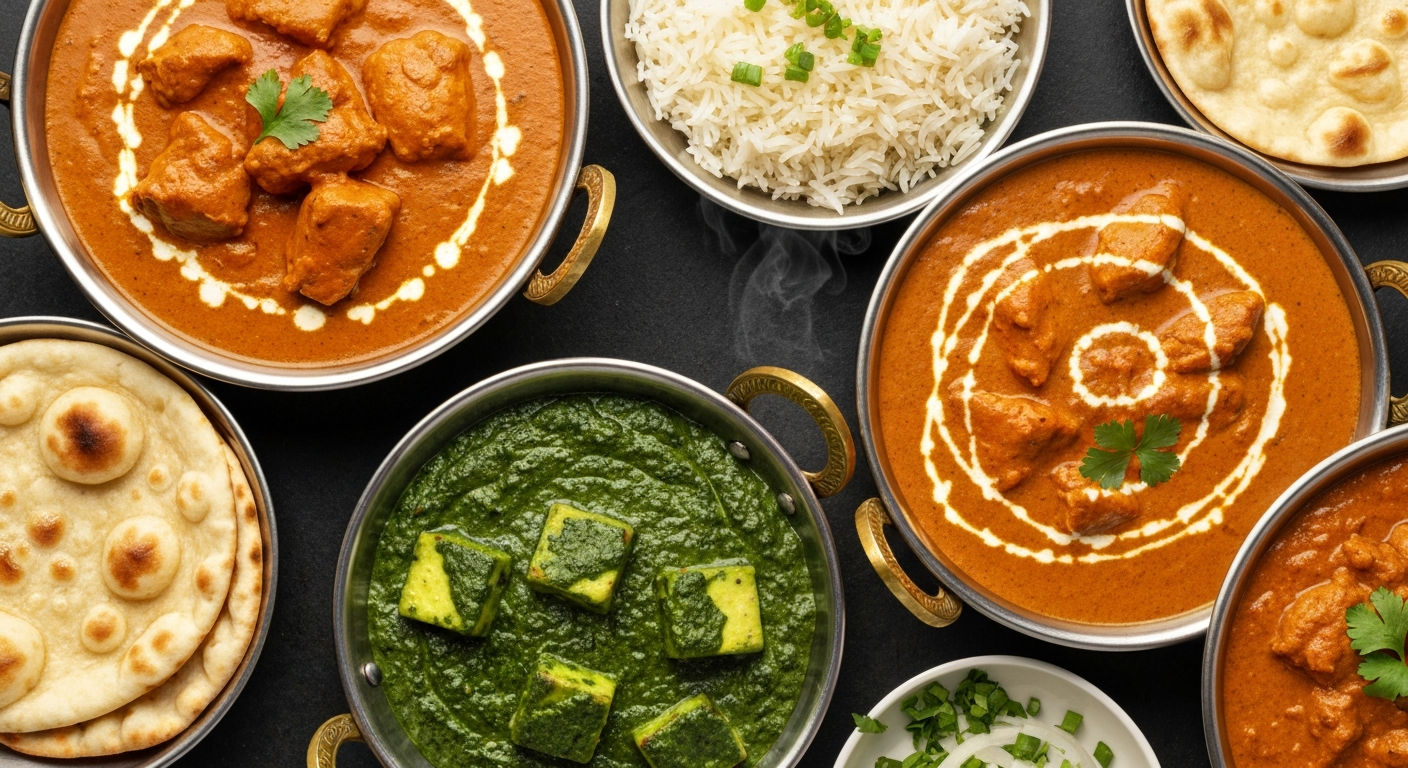
The ghost kitchen model thrives on agility, efficiency, and a deep understanding of customer demand. In this hyper-competitive landscape, success hinges on more than just good food; it requires intelligent operations, especially when navigating the rich and diverse world of Indian cuisine. For ghost kitchens specializing in or incorporating Indian dishes, ghost kitchen Indian menu analytics is not just an advantage—it's a fundamental requirement for sustained profitability and market responsiveness.
Indian cuisine, with its vast regional variations and complex flavor profiles, offers immense potential for ghost kitchens. However, crafting, executing, and optimizing such a menu can be labor-intensive and challenging without the right tools and strategies. This article explores how ghost kitchens can leverage data and scalable Indian food solutions to rapidly adapt their menus, optimize offerings, and maximize profits.
The Imperative of Data-Driven Menu Development for Ghost Kitchens
Ghost kitchens operate with lower overheads than traditional restaurants, but they face intense pressure to maximize every order. This environment makes data an invaluable asset. Unlike brick-and-mortar establishments that might rely on intuition or anecdotal feedback, ghost kitchens have direct access to a wealth of digital data points, including:
- Sales Trends: What dishes sell best at what times, on which days, and in which delivery zones?
- Customer Preferences: What spice levels, dietary accommodations (vegan, gluten-free), or regional specialties are most popular?
- Peak Demand Periods: Identifying times when specific dishes are in high demand to optimize prep and staffing.
- Ingredient Costs & Usage: Tracking what goes into each dish and minimizing waste.
- Competitor Analysis: Understanding what other Indian ghost kitchens are offering and at what price points.
- Customer Feedback: Aggregated reviews and ratings from delivery platforms.
This data isn't just for reporting; it's for actively informing menu choices, optimizing pricing, refining marketing promotions, and ultimately, boosting the bottom line. It allows for a proactive approach to menu management, moving beyond guesswork to strategic, informed decisions.
Leveraging Ghost Kitchen Indian Menu Analytics
Identifying Popular Dishes and Regional Trends
One of the first applications of ghost kitchen Indian menu analytics is to pinpoint best-selling dishes. For Indian cuisine, this can reveal fascinating insights:
- Regional Dominance: Is North Indian comfort food (like Butter Chicken, Dal Makhani) outperforming South Indian specialties (Dosai, Idli) in your area, or vice-versa? Or are specific regional dishes gaining traction?
- Dish Performance: Which curries, biryanis, or tandoor items consistently generate the highest sales and profit margins? Which ones are underperforming and might need re-evaluation or removal?
- Cuisine Adaptations: Data can show if customers prefer traditional preparations or if fusion dishes or modern interpretations of Indian classics are gaining popularity.
By analyzing sales data, ghost kitchens can double down on what works, feature popular items more prominently, and identify opportunities for expansion into less-served niches.
Optimizing Ingredient Sourcing and Cost Control
Effective cost control is paramount for ghost kitchens. Data analytics can provide granular insights into ingredient usage, helping to:
- Minimize Waste: By understanding precise demand, kitchens can order ingredients more accurately, reducing spoilage and waste, a significant factor in perishable Indian ingredients.
- Streamline Inventory: Optimized ordering leads to leaner inventory, freeing up working capital and storage space.
- Reduce Labor Costs: When ingredients like gravies are prepared in-house from scratch, they demand significant skilled labor and prep time. Utilizing high-quality, pre-made base gravies, like those from MITRA, can drastically reduce this labor overhead. This allows kitchen staff to focus on finishing dishes, plating, and ensuring consistency, rather than the time-consuming process of making complex gravies from raw ingredients.
MITRA's business model, with a 50 kg minimum order quantity (MOQ), is specifically designed for B2B operations like ghost kitchens. This MOQ enables cost-effective bulk purchasing, further supporting cost control strategies by providing ingredients at a competitive price point, optimizing bulk ingredient purchasing, and ensuring a consistent supply of essential components.
Agile Menu Adaptation and Experimentation
Ghost kitchens have an inherent advantage: the ability to change menus rapidly without the logistical burdens of a physical dining space. Data analytics amplifies this agility:
- Rapid A/B Testing: Introduce new dishes, seasonal specials, or limited-time offers (LTOs) and use data to quickly assess their performance. If a new Paneer Tikka Masala isn't hitting sales targets, it can be adjusted or removed within days, not weeks or months.
- Seasonal Responsiveness: Identify shifts in demand based on seasons or holidays. For instance, lighter, fresher Indian dishes might sell better in summer, while heartier curries dominate in winter.
- Trend Spotting: Analytics can highlight emerging Indian menu trends, whether it's a spike in demand for specific regional street food or a growing interest in plant-based Indian options.
This iterative process of analysis, adaptation, and re-analysis allows ghost kitchens to stay ahead of consumer preferences and maintain a dynamic, appealing menu.
Personalization and Customer Segmentation
As data collection matures, ghost kitchens can move towards more sophisticated strategies:
- Targeted Promotions: Identify customer segments (e.g., frequent biryani orders, customers who prefer mild spice) and offer personalized promotions or recommendations.
- Dietary-Specific Menus: If analytics reveal a significant demand for vegan or gluten-free Indian options, a ghost kitchen can develop and promote a dedicated menu section, catering directly to these segments.
- Feedback Loops: Analyze customer reviews and ratings to identify common praise or complaints, using this qualitative data to refine dishes or service aspects.
Scalable Indian Solutions: The MITRA Advantage for Ghost Kitchens
Implementing a data-driven strategy requires reliable, high-quality ingredients that can support agile menu changes and consistent execution. This is where scalable Indian solutions become critical.
Consistent Quality, Reduced Labor
MITRA's range of chef-grade Indian gravies, pastes, and sauces provides a foundational solution for ghost kitchens. These products are manufactured to stringent standards, ensuring:
- Unwavering Consistency: Every batch of a MITRA gravy delivers the same authentic flavor and quality, crucial for maintaining brand integrity across multiple virtual brands or locations.
- Significant Labor Savings: By eliminating the need for extensive in-house spice grinding, sautéing, and long simmering times, kitchens dramatically reduce skilled labor requirements and prep time. Chefs can focus on the art of cooking—adding fresh proteins, vegetables, and final garnishes—rather than the foundational gravy preparation.
- Skill Gap Bridging: Access to consistent, high-quality bases allows ghost kitchens to produce authentic Indian dishes even with a diverse culinary team, reducing reliance on highly specialized Indian chefs for every step of the process.
Supply Chain Reliability and Inventory Management
For ghost kitchens, supply chain reliability is paramount. Unpredictable ingredient availability or inconsistent quality can disrupt operations and damage reputation. MITRA addresses these challenges directly:
- Global Reach: ODOD LLC serves a growing list of countries including USA, Canada, UK, UAE, Australia, Germany, Italy, India, France, Ireland, Switzerland, and Netherlands, ensuring broad access to our products.
- Efficient Shipping: If a product is in stock in our US (Houston) or local-country warehouse, it ships in 2 days. If it is not in stock, the lead time is 35-60 days, and customers are notified immediately of any delay. This transparency allows for effective planning and inventory management.
- Certified Quality: Our products are manufactured under rigorous quality control and hold essential certifications: FSSAI, US FDA, ISO, Halal, HACCP, and GMP. These certifications provide assurance of product safety, quality, and adherence to international standards.
This robust supply chain allows ghost kitchens to maintain optimal inventory levels, reducing the risk of stockouts while supporting the rapid menu adjustments that ghost kitchen Indian menu analytics might dictate.
Expanding Menu Offerings with Ease
With MITRA's versatile range, ghost kitchens can experiment with and expand their Indian menu offerings without significant R&D or investment in new equipment. Want to test a new regional curry? Simply choose the appropriate base gravy, add your proteins and vegetables, and you're ready to go. This capability is invaluable for responding to Indian menu trends identified through data analytics, allowing for quick pivots and introductions of popular new items.
Practical Steps for Implementing Data-Driven Indian Menu Analytics
- Choose the Right Technology Stack: Invest in a robust Point-of-Sale (POS) system and delivery platform that offers comprehensive analytics and reporting features. Integration across platforms is key.
- Define Key Performance Indicators (KPIs): Beyond just sales volume, track metrics like profit per dish, ingredient cost percentage, labor cost per order, customer satisfaction ratings, and average order value.
- Establish a Review Schedule: Regularly review your data—weekly for quick adjustments, monthly for broader strategic decisions. Look for patterns, anomalies, and opportunities.
- Listen to Your Customers: While quantitative data is crucial, don't ignore qualitative feedback from reviews and direct messages. This can provide context and reveal insights that numbers alone might miss.
- Partner with Reliable Suppliers: Work with partners like MITRA who can provide the consistent, high-quality, and scalable ingredients needed to execute your data-driven menu strategy efficiently and reliably.
Conclusion
For ghost kitchens, success in the competitive food delivery market, especially with a rich and diverse cuisine like Indian food, demands a data-first approach. By leveraging ghost kitchen Indian menu analytics, operators can gain unparalleled insights into customer preferences, optimize their offerings for maximum profitability, and respond with agility to market shifts. Paired with scalable, high-quality ingredient solutions from MITRA, ghost kitchens can achieve operational excellence, reduce costs, and consistently deliver authentic, delicious Indian cuisine to a growing customer base. Embrace the power of data to transform your Indian ghost kitchen menu into a highly profitable and responsive operation.
Ready to elevate your Indian ghost kitchen menu with chef-grade, scalable solutions? Inquire today via ododgroup.com to request a quote, sample, or discuss wholesale opportunities.