
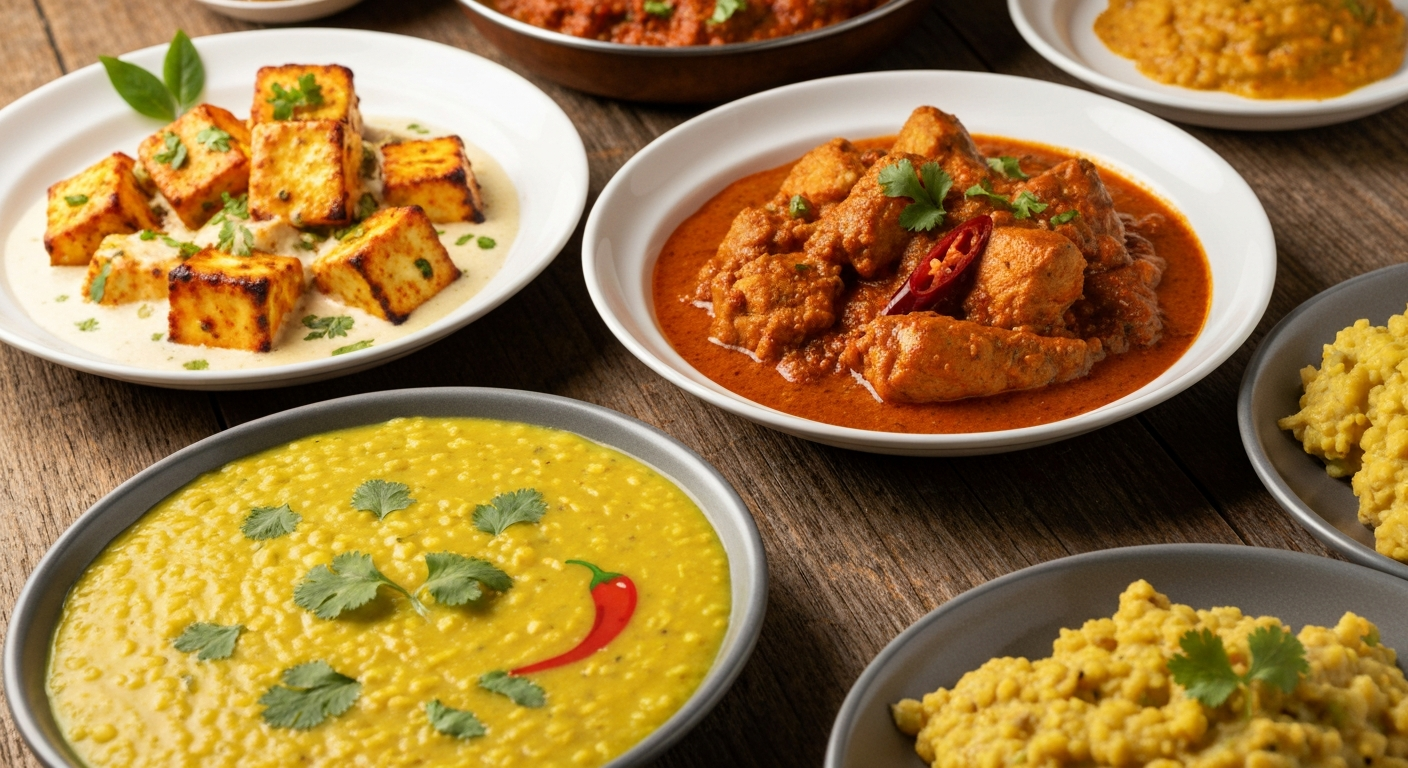
The competitive landscape of the restaurant industry demands more than just great food. For Indian restaurants, where cuisine is inherently diverse and personal, indian restaurant menu personalization is a powerful strategy to cultivate customer loyalty and drive repeat visits. This article explores how leveraging customer data can transform the dining experience, making each guest feel uniquely valued and understood.
In an era where diners seek unique and memorable experiences, a one-size-fits-all approach to menu offerings can fall short. Indian cuisine, with its vast regional variations, complex spice profiles, and diverse dietary adaptations, presents both a challenge and an immense opportunity for personalization. Understanding and catering to individual preferences not only elevates the dining experience but also builds a strong foundation for repeat business and positive word-of-mouth.
The Power of Personalization in Indian Cuisine
Indian food is renowned globally for its incredible depth and variety, spanning from the rich, creamy curries of North India to the tangy, coconut-infused dishes of the South, and the vibrant, seafood-centric preparations of the coastal regions. This inherent diversity means that no two diners will have identical preferences. One guest might crave the fiery heat of a Vindaloo, while another prefers the mild, aromatic comfort of a Korma. Some diners are strict vegetarians or vegans, others require gluten-free options, and many have specific spice level tolerances.
Personalization in an Indian restaurant setting means moving beyond simply offering a broad menu. It involves proactively understanding these individual nuances and tailoring recommendations, preparations, and even the overall dining narrative to each guest. This approach transforms a transactional meal into a bespoke culinary journey, significantly enhancing the perceived value and unique experience. When a restaurant consistently demonstrates that it understands and caters to a diner's specific tastes and needs, it fosters a deep sense of loyalty that generic service cannot achieve.
Gathering Customer Data: The Foundation of Personalization
The cornerstone of effective indian restaurant menu personalization is robust customer data. Without reliable insights into who your diners are and what they prefer, personalization efforts will remain guesswork. Fortunately, modern restaurant operations offer numerous avenues for collecting valuable data points, often integrated into existing systems.
Point-of-Sale (POS) Systems and Online Ordering Platforms
Your POS system is a treasure trove of transactional data. It captures every order, providing a clear history of preferred dishes, average spend, visit frequency, and even specific modifications requested. When integrated with online ordering platforms, this data extends to digital interactions, revealing patterns in delivery vs. dine-in orders, popular takeout items, and peak ordering times. Analyzing this data can reveal which dishes are consistently ordered together, suggesting natural cross-selling opportunities.
Loyalty Programs
Implementing a loyalty program is one of the most direct ways to gather explicit customer preferences. When guests sign up, you can collect valuable demographic information, birthdays, anniversaries, and even direct preferences (e.g., favorite spice level, dietary restrictions). Loyalty programs also track visit frequency and total spend, allowing you to segment customers into different tiers and offer increasingly personalized rewards.
Direct Feedback and Staff Observations
Never underestimate the power of direct human interaction. Your front-of-house staff are on the front lines, interacting with guests and receiving real-time feedback. Training them to record preferences, allergies, special requests, and even casual comments about their dining experience can provide qualitative data that quantitative systems might miss. For instance, a server might note that a customer always asks for extra cilantro or avoids bell peppers. This information, when systematically recorded, adds rich detail to customer profiles.
Customer Relationship Management (CRM) Tools
For restaurants serious about personalization, a dedicated CRM system can centralize all customer data from various sources. This allows for a holistic view of each guest, consolidating their order history, loyalty points, feedback, and special notes into a single, accessible profile. A well-implemented CRM enables targeted marketing campaigns and ensures consistent personalized service across all touchpoints.
Guest Wi-Fi Sign-ups
Offering free guest Wi-Fi can be another subtle way to gather basic contact information and track visit frequency. While less detailed than other methods, it can contribute to building a customer database for broader marketing efforts and identifying repeat visitors.
Analyzing Data for Actionable Insights
Collecting data is only the first step; the real value lies in analyzing it to uncover actionable insights. This analysis transforms raw information into strategic opportunities for indian restaurant menu personalization.
Identify Popular Dishes and Trends
By examining order history, you can pinpoint your most popular dishes, understand seasonal trends, and identify items that may be underperforming. This helps in menu optimization and in knowing what to recommend to new customers or those with similar past orders.
Spice Level Preferences
Indian cuisine's hallmark is its nuanced use of spices. Analyzing order modifications can reveal clusters of customers who prefer mild, medium, or extra-hot preparations. This insight is critical for offering truly personalized recommendations and ensuring customer satisfaction.
Dietary Restrictions and Preferences
Tracking common dietary requests (vegan, gluten-free, nut-free, Jain) allows your kitchen to be better prepared and your staff to proactively suggest suitable options. Over time, you might identify a significant demand for specific dietary categories, prompting targeted menu additions or promotions.
Regional Preferences
If your menu features dishes from various Indian regions, analyzing customer choices can reveal preferences for specific culinary styles. For example, some customers might consistently order South Indian dosas and curries, while others gravitate towards North Indian tandoori and rich gravies. This knowledge can inform personalized promotions or special event invitations.
Visit Frequency and Spend
Segmenting customers by their visit frequency and average spend helps identify your most loyal and high-value guests. These individuals are prime candidates for exclusive personalized offers, early access to new menu items, or special recognition that reinforces their loyalty.
Cross-Selling Opportunities
By understanding which dishes are frequently ordered together, you can train staff to suggest complementary appetizers, sides, or beverages. For instance, if a customer consistently orders a specific biryani, recommending a popular raita or a particular dessert could enhance their experience and increase average check size.
Strategies for Indian Restaurant Menu Personalization
Once you have gathered and analyzed your customer data, you can implement concrete strategies to personalize the dining experience. These strategies move beyond generic service to create a truly tailored interaction.
Tailored Dish Recommendations
Based on a customer's past orders or the preferences of similar diners, your staff can offer highly relevant dish recommendations. Imagine a server suggesting, "Given your enjoyment of our Chicken Tikka Masala, you might appreciate our Lamb Rogan Josh tonight – it shares a similar aromatic richness with a slightly different spice profile." This level of insight makes a guest feel truly seen and understood.
Customizable Spice Levels and Ingredients
This is perhaps the most fundamental aspect of indian restaurant menu personalization. Clearly communicating options for varying spice levels (mild, medium, hot, extra hot) and offering flexibility for ingredient swaps (e.g., substituting paneer for chicken in a curry, or omitting certain vegetables) empowers diners to craft their ideal meal. This flexibility, when managed efficiently, significantly boosts satisfaction.
Proactive Dietary Accommodations
Knowing a customer's dietary needs before they even articulate them is a hallmark of exceptional service. If your CRM indicates a guest is vegan, your staff can immediately highlight suitable menu items or even suggest a custom preparation. This foresight removes the burden from the diner and demonstrates a commitment to their well-being and preferences.
Regional Culinary Journeys
For diners who consistently show a preference for a particular regional cuisine, offer personalized invitations to special tasting menus or themed nights. For example, a customer who frequently orders South Indian dishes could receive an exclusive invitation to a "Taste of Kerala" event featuring coconut-based stews and seafood specialties. This creates a sense of exclusivity and caters directly to their known tastes.
Personalized Loyalty Programs and Rewards
Move beyond generic discount codes. Offer birthday discounts specifically on a customer's favorite dish, or provide early access to new menu items for your most loyal patrons. Tiered reward systems, where higher-spending or more frequent visitors receive enhanced benefits, further incentivize repeat business and make guests feel valued for their continued patronage.
Event-Based and Seasonal Personalization
Leverage special occasions and seasonal changes. Send personalized offers for anniversaries, or suggest seasonal menu additions (like mango-infused desserts in summer) to customers who have previously shown interest in fruit-based dishes or sweets. This timely and relevant communication strengthens the customer relationship.
Streamlining Personalization with MITRA Products
Achieving high levels of indian restaurant menu personalization can seem complex from an operational standpoint, especially for busy professional kitchens. This is where high-quality, pre-prepared ingredients become invaluable. MITRA's range of chef-grade Indian gravies, pastes, sauces, rice, and spices are designed to support efficiency without compromising authenticity or flavor.
Consistency and Quality
MITRA's products ensure a consistent, high-quality base for every dish, regardless of customization. This is crucial for maintaining brand reputation even with varied orders. Whether a customer requests a mild Korma or a spicy Tikka Masala, starting with a reliable, standardized base means the core flavor profile remains authentic and delicious every time.
Operational Efficiency
Pre-prepared gravies and pastes significantly reduce prep time in the kitchen. This frees up your culinary team to focus on the nuances of personalization – precise spice adjustments, specific ingredient swaps, and impeccable presentation – rather than spending hours on foundational cooking. This efficiency allows your kitchen to handle a wider range of customizable options without overwhelming staff or slowing down service.
Scalability
As your restaurant grows and your personalization efforts expand, MITRA products provide the scalability needed to meet increasing demand. Easily add new vegetarian options, accommodate more dietary restrictions, or offer a broader spectrum of spice levels, knowing that your foundational ingredients are readily available and consistent. Our products are manufactured to rigorous standards, holding FSSAI, US FDA, ISO, Halal, HACCP, and GMP certifications, ensuring reliability and safety.
Cost Control
Minimizing waste and ensuring predictable ingredient costs are vital for profitability. Using standardized, high-quality bases helps control portions and reduces spoilage, even when offering a diverse and customizable menu. Our minimum order quantity (MOQ) is 50 kg, ensuring you have the necessary supply to meet consistent demand. We understand the importance of timely supply; if a product is in stock in our US (Houston) or local-country warehouse, it ships in 2 days. If it is not in stock, the lead time is 35-60 days, and the customer is notified immediately of any delay. We currently serve businesses in the USA, Canada, UK, UAE, Australia, Germany, Italy, India, France, Ireland, Switzerland, and Netherlands, with more countries being added regularly.
Overcoming Challenges in Personalization
While the benefits of personalization are clear, implementing it effectively requires addressing certain challenges.
Data Privacy and Security
Collecting customer data necessitates a strong commitment to privacy. Be transparent with your diners about what data you collect and how it's used. Ensure your systems are secure and comply with all relevant data protection regulations.
Operational Complexity
Introducing personalization can add complexity to kitchen operations and front-of-house service. Start with manageable steps, integrate data tools gradually, and ensure clear communication channels between the kitchen and serving staff. Leveraging high-quality base ingredients, like those from MITRA, can significantly mitigate kitchen complexity.
Staff Training
Your team is crucial to the success of any personalization strategy. Invest in comprehensive training for both front-of-house and kitchen staff on how to access and utilize customer data, offer personalized recommendations, handle special requests gracefully, and understand the flexibility of your menu offerings.
Technology Integration
Ensure your POS, CRM, and online ordering systems can communicate seamlessly. A fragmented technology stack will hinder your ability to collect and act on data effectively. Investing in integrated solutions pays dividends in streamlining personalization efforts.
Measuring the Impact of Personalization
To ensure your personalization efforts are yielding the desired results, it's essential to track key performance indicators (KPIs).
- Repeat Visit Rate: Monitor how often personalized customers return compared to those who have not experienced personalization. A higher repeat rate indicates success.
- Average Spend: Analyze if personalized recommendations or loyalty offers lead to a higher average check size or increased customer lifetime value.
- Customer Lifetime Value (CLV): This long-term metric reflects the total revenue a customer is expected to generate over their relationship with your restaurant. Effective personalization should significantly boost CLV.
- Customer Feedback: Actively solicit and analyze direct customer feedback through surveys, online reviews, and direct conversations. Positive comments about tailored experiences are a strong indicator of success.
Conclusion
In the dynamic world of Indian cuisine, indian restaurant menu personalization is no longer a luxury but a strategic imperative for driving repeat business and fostering deep customer loyalty. By thoughtfully collecting, analyzing, and acting on customer data, restaurants can create dining experiences that resonate deeply, making each guest feel uniquely valued and understood. This approach not only enhances customer satisfaction but also builds a resilient and thriving business model.
With partners like MITRA providing the foundational quality and consistency through chef-grade Indian gravies, pastes, sauces, rice, and spices, professional kitchens can confidently embrace customization. This allows them to deliver authentic, memorable Indian flavors tailored to every guest's preference, ensuring both operational efficiency and culinary excellence.
To explore how MITRA's range of products can support your restaurant's personalization strategy and operational efficiency, we invite you to inquire via ododgroup.com.