
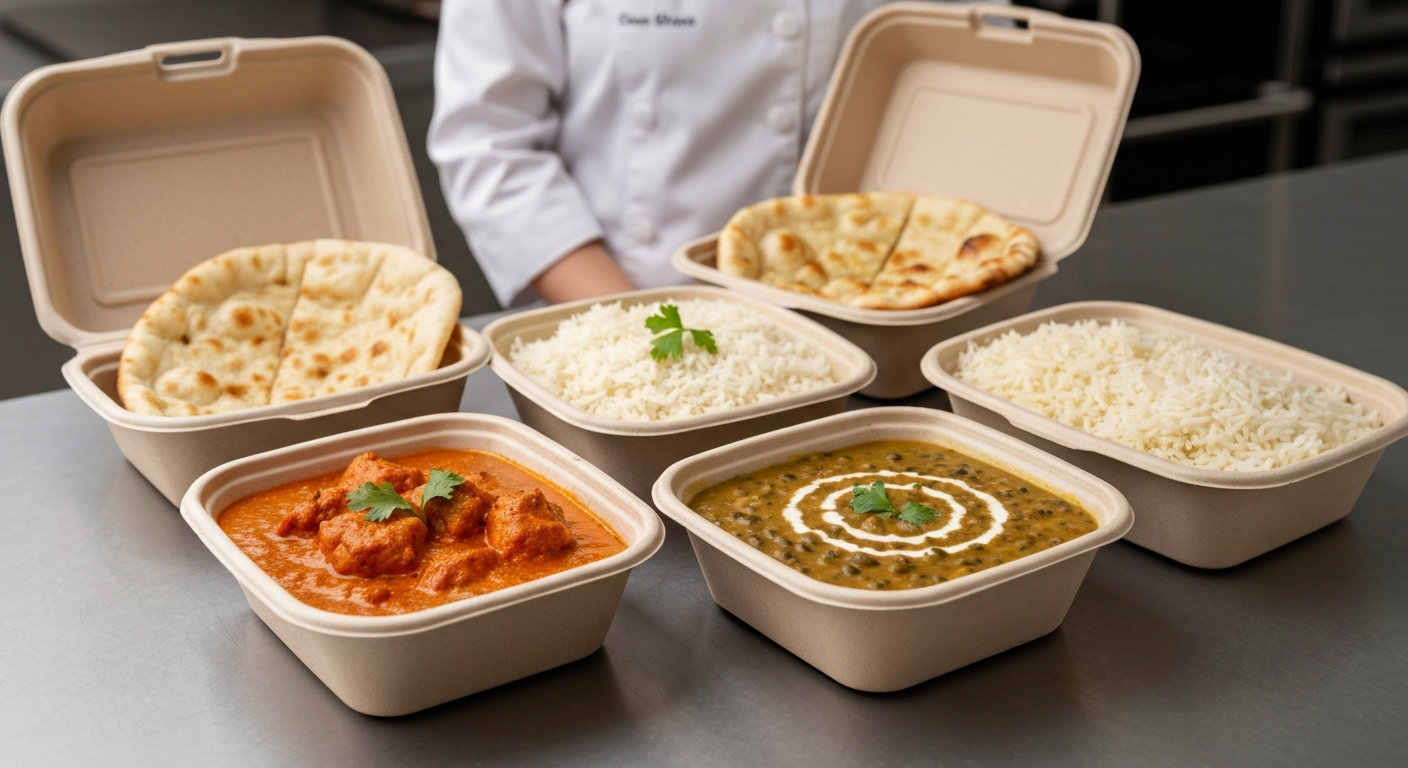
The culinary landscape is rapidly evolving, with ghost kitchens leading the charge in reshaping how food reaches consumers. These delivery-only operations thrive on efficiency and adaptability, but as consumer awareness grows, so does the demand for sustainability. For ghost kitchens specializing in Indian cuisine, mastering ghost kitchen Indian food sustainable packaging is not just an ethical imperative—it's a strategic advantage that can significantly enhance brand reputation, reduce operational costs, and meet the expectations of an environmentally conscious market.
Indian food, celebrated for its rich gravies, aromatic curries, and diverse accompaniments, presents unique challenges for delivery. Ensuring that these dishes arrive fresh, hot, and intact, without compromising on eco-friendly principles, requires thoughtful planning and the right material choices. This article explores practical, B2B-focused strategies for implementing sustainable packaging solutions tailored for the complex needs of Indian cuisine within a ghost kitchen model.
The Strategic Imperative of Sustainable Packaging for Ghost Kitchens
In the competitive ghost kitchen market, differentiation is key. Beyond menu innovation and operational speed, sustainability has emerged as a powerful brand differentiator. Adopting eco-conscious practices, particularly in packaging, offers several strategic benefits:
Enhancing Brand Image and Customer Loyalty
Modern diners, especially younger demographics, increasingly prioritize businesses that demonstrate environmental responsibility. By visibly committing to sustainable packaging, ghost kitchens can:
- Attract and Retain Customers: Many consumers are willing to pay a premium for sustainable options. A strong eco-friendly stance can draw new customers and foster loyalty among existing ones.
- Build Trust and Credibility: Transparency about sustainable practices builds trust. Communicating your efforts through your branding and delivery experience reinforces your commitment to quality and responsibility.
- Stand Out in a Crowded Market: While many ghost kitchens focus on speed and price, those that integrate sustainability into their core operations can carve out a unique niche.
Meeting Evolving Regulatory Standards
Governments and local municipalities worldwide are implementing stricter regulations on single-use plastics and non-recyclable packaging. Proactively adopting sustainable solutions helps ghost kitchens stay ahead of these changes, avoiding potential fines and ensuring long-term compliance.
Operational Efficiency and Cost Reduction
While sustainable packaging may sometimes have a higher upfront cost, it can lead to long-term savings through:
- Reduced Waste Disposal Costs: Lighter, more compact, or compostable packaging can lower waste volume and associated disposal fees.
- Improved Supply Chain Management: Partnering with a limited number of reliable sustainable packaging suppliers can streamline procurement.
- Enhanced Reputation: A positive brand image can reduce marketing spend by fostering organic word-of-mouth referrals.
Minimizing Environmental Impact
Ultimately, the core motivation for sustainable packaging is to reduce the ecological footprint of food delivery. This includes:
- Reducing Landfill Waste: Using compostable, recyclable, or reusable materials diverts waste from landfills.
- Conserving Resources: Opting for packaging made from recycled content or rapidly renewable resources minimizes the demand for virgin materials.
- Lowering Carbon Emissions: Efficient packaging design and responsible material sourcing can contribute to a lower carbon footprint across the supply chain.
Unique Packaging Challenges of Indian Cuisine
Indian food is renowned for its vibrant flavors and diverse textures, but these very qualities pose specific challenges for delivery packaging. Effective ghost kitchen Indian food sustainable packaging must address several key areas:
Gravies, Sauces, and Curries
Many Indian dishes are gravy-based, requiring containers that are:
- Leak-Proof: Absolutely critical to prevent spills during transit and maintain food quality.
- Grease-Resistant: Oils and fats in gravies can degrade certain packaging materials.
- Temperature Retentive: Must keep food hot for an extended period, especially for dishes like Butter Chicken, Dal Makhani, or various curries.
Aromatic Intensity
Indian spices are potent and fragrant. While this is a hallmark of the cuisine, packaging needs to:
- Contain Odors: Prevent strong aromas from mixing with other dishes or permeating the delivery bag, which can be off-putting for some customers.
- Preserve Flavor: Ensure the integrity of the dish's aroma and flavor profile until it reaches the customer.
Multiple Components and Textures
An Indian meal often consists of several distinct components—rice, bread (naan, roti), a main curry, a side vegetable, and perhaps raita or chutney. This necessitates packaging that can:
- Compartmentalize: Separate items to prevent mixing, maintain texture, and ensure visual appeal.
- Accommodate Different Textures: Keep rice fluffy, bread soft, and gravies contained without making items soggy.
Temperature Separation
Some Indian meals include both hot and cold elements (e.g., hot curry with cold raita). Packaging solutions should ideally allow for:
- Thermal Separation: Maintain distinct temperatures for different items within the same order if possible, or advise on separate packaging for cold items.
Sustainable Packaging Materials and Solutions for Indian Cuisine
Addressing these challenges with eco-friendly options requires a deep understanding of available materials and smart design. Here are key categories and examples of ghost kitchen Indian food sustainable packaging:
1. Compostable and Biodegradable Materials
These materials break down naturally, returning nutrients to the earth. They are ideal for single-use applications where recycling infrastructure might be limited or complex due to food contamination.
- Bagasse (Sugarcane Fiber): Excellent for bowls, plates, and hinged containers. It's sturdy, grease-resistant, and microwave-safe, making it perfect for curries, rice, and even some dry items. It's a rapidly renewable resource.
- PLA (Polylactic Acid): A plant-based plastic alternative, often used for clear cold cups or lids. It's compostable in industrial facilities. Note: Not suitable for hot foods above certain temperatures.
- CPLA (Crystallized Polylactic Acid): A heat-resistant version of PLA, suitable for hot food containers and cutlery. Still requires industrial composting.
- Paperboard (with Bio-Linings): Recycled or virgin paperboard containers with a compostable bio-lining (like PLA or a water-based coating) are great for noodle boxes, rice containers, and some curries. Ensure the lining is certified compostable.
2. Recyclable Materials
These materials can be reprocessed into new products, reducing the need for virgin resources. Effectiveness depends on local recycling infrastructure and consumer compliance.
- Aluminum: Highly recyclable and excellent for heat retention. Aluminum trays or foil containers are superb for keeping Indian dishes hot and preventing leaks. They can also be oven-safe for reheating.
- PET (Polyethylene Terephthalate): Clear plastic, commonly used for deli containers. While widely recyclable, it's generally best for cold items like raita or chutneys due to its lower heat resistance. Made from 100% recycled content (rPET) is an even better option.
- PP (Polypropylene): A durable, microwave-safe plastic that is becoming more widely recyclable. Good for multi-compartment containers and general food storage. Can be used for hot items.
3. Reusable Systems
This is the most sustainable option, eliminating single-use waste entirely. It requires a different operational model.
- Customer-Owned Containers: Offering incentives for customers to bring their own reusable containers for pickup orders.
- Deposit Schemes: Partnering with local services that provide reusable containers for delivery, which are then returned, cleaned, and reused. This is gaining traction in some urban areas.
4. Minimizing Packaging and Efficient Design
Sometimes, the most sustainable solution is to use less packaging overall.
- Multi-Compartment Containers: Instead of multiple small containers, a single, well-designed container with dividers can hold an entire meal, reducing material use and assembly time.
- Stackable Designs: Packaging that stacks efficiently reduces storage space in the kitchen and transport volume, leading to fewer delivery trips.
- Right-Sizing: Using containers that are appropriately sized for portion control, avoiding excessive empty space.
Practical Implementation Strategies for Ghost Kitchens
Implementing sustainable packaging for Indian cuisine requires a systematic approach:
1. Conduct a Packaging Audit
Review your current packaging: What materials are you using? What are the pain points (leaks, temperature loss)? Which items are most problematic? This audit will inform where to focus your sustainable efforts.
2. Partner with Specialized Suppliers
Work with B2B packaging suppliers who understand food service needs and have a robust portfolio of sustainable options. They can guide you on material suitability, certifications, and cost-effectiveness. Discuss minimum order quantities and lead times.
3. Test and Iterate
Before a full rollout, rigorously test new packaging solutions. Conduct internal delivery runs, assess temperature retention, leak resistance, and customer experience. Gather feedback from delivery drivers and a small group of customers.
4. Educate Your Staff
Ensure your kitchen staff are trained on proper assembly, sealing, and handling of new sustainable packaging. This is crucial for maintaining food quality and preventing waste.
5. Communicate with Your Customers
Clearly communicate your sustainability efforts to your customers. Explain what materials you use, why you chose them, and how customers can properly dispose of or recycle the packaging. This reinforces your brand message and encourages responsible action.
- Website/App Information: Dedicated section on your menu or FAQ.
- Packaging Labels: Clear instructions on the containers themselves.
- Social Media: Share your journey and commitment.
6. Consider the Full Lifecycle Cost
Look beyond the per-unit cost. Factor in reduced waste disposal fees, improved brand perception leading to increased sales, and potential for grants or incentives for sustainable businesses.
ODOD LLC: Supporting Your Sustainable Kitchen Operations
At ODOD LLC, we understand the operational demands and sustainability goals of modern ghost kitchens. While our focus is on supplying premium, chef-grade Indian gravies, pastes, sauces, rice, and spices under the MITRA brand, our products indirectly contribute to your sustainability efforts by promoting efficiency and reducing waste within your kitchen.
By utilizing our consistent, high-quality bulk ingredients, you can:
- Minimize Food Waste: Our standardized products reduce preparation errors and spoilage common with raw ingredients.
- Streamline Operations: Ready-to-use gravies and pastes cut down on prep time, labor costs, and the associated energy consumption of cooking from scratch.
- Ensure Consistency: Delivering a consistently delicious product reduces customer complaints and the need for remakes, further lowering waste.
Our products are manufactured under stringent quality controls, holding certifications such as FSSAI, US FDA, ISO, Halal, HACCP, and GMP, ensuring you receive safe, reliable, and high-quality ingredients. We cater to B2B clients with a 50 kg minimum order quantity (MOQ).
We pride ourselves on efficient logistics. If a product is in stock in our US (Houston) or local-country warehouse, it ships in 2 days. If it is not in stock, the lead time is 35-60 days, and the customer is notified immediately of any delay. We currently serve a growing list of countries including the USA, Canada, UK, UAE, Australia, Germany, Italy, India, France, Ireland, Switzerland, and Netherlands.
Conclusion
Embracing ghost kitchen Indian food sustainable packaging is a crucial step for any modern ghost kitchen aiming for long-term success. It's a commitment that resonates with consumers, aligns with evolving regulations, and positions your brand as a responsible leader in the food delivery space. By carefully selecting materials, optimizing design, and communicating effectively with both staff and customers, ghost kitchens can deliver authentic Indian flavors in a way that benefits both their business and the planet. Explore the range of sustainable options available and empower your ghost kitchen to thrive in an eco-conscious future.
To learn more about how MITRA products can enhance your kitchen's efficiency and consistency, or to request a quote or sample, please visit ododgroup.com today.