
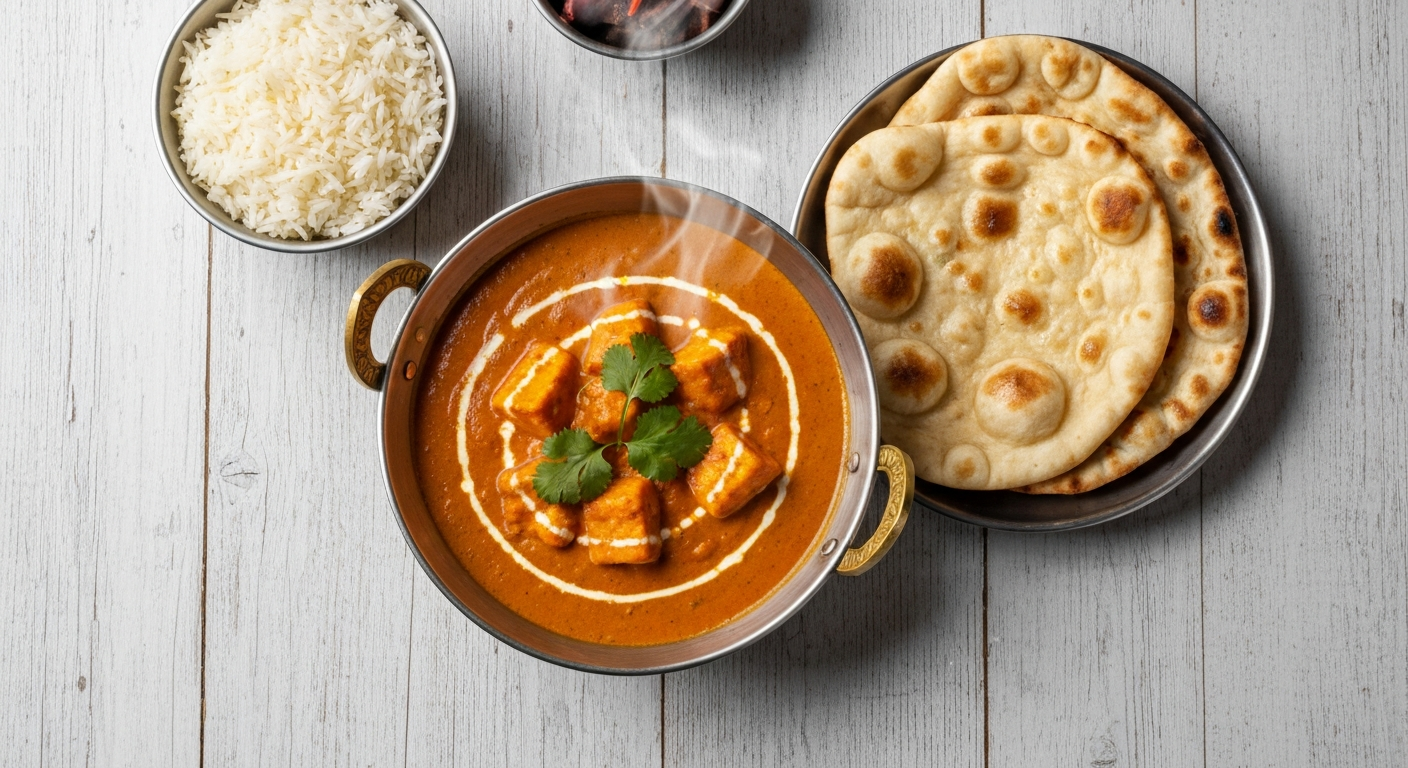
The culinary landscape is constantly evolving, and Indian cuisine stands out as a global favorite, known for its rich flavors, diverse regional specialties, and aromatic spices. For restaurant owners and chefs, tapping into this demand represents a significant opportunity. However, expanding an Indian menu, especially with gourmet dishes, often presents challenges related to labor, consistency, and initial investment. This article explores how a profitable Indian menu expansion restaurant strategy can be implemented with minimal investment, leveraging high-quality, chef-grade prepared ingredients to meet customer demand and optimize kitchen operations.
The Growing Appetite for Authentic Indian Cuisine
The appeal of Indian food transcends cultural boundaries, with a steady increase in demand across various dining segments. From traditional favorites like Butter Chicken and Biryani to regional specialties such as Goan Fish Curry or Hyderabadi Haleem, diners are increasingly seeking authentic and diverse Indian flavors. This trend is not limited to dedicated Indian restaurants; mainstream establishments, cloud kitchens, and catering services are also exploring ways to incorporate Indian dishes into their offerings to attract a wider customer base and differentiate their menus.
For many operators, the idea of a profitable Indian menu expansion restaurant strategy is appealing, but the perceived complexities can be daunting. Traditional Indian cooking, while rewarding, is often labor-intensive, requires specialized culinary skills, and demands a vast array of fresh ingredients and spices. These factors can lead to high operational costs, inconsistent quality, and significant food waste if not managed efficiently.
Overcoming Traditional Kitchen Challenges in Indian Cuisine
Expanding an Indian menu typically involves several hurdles:
- Labor Intensity: Many classic Indian dishes require extensive preparation, including slow-cooking gravies, grinding fresh spices, and intricate cooking techniques. This translates to higher labor costs and the need for skilled chefs specializing in Indian cuisine.
- Consistency: Achieving consistent flavor and texture across multiple batches and different chefs can be challenging, impacting customer satisfaction and brand reputation.
- Ingredient Sourcing and Storage: A wide variety of specific spices, fresh herbs, and specialty ingredients are essential. Sourcing high-quality ingredients consistently and managing their storage to prevent spoilage adds complexity and cost.
- Waste Management: Due to the extensive ingredient list and often batch-cooking methods, traditional Indian kitchens can generate significant food waste, impacting profitability.
- Space and Equipment: Dedicated space for spice grinding, tandoors, and large-scale prep can be a constraint for many kitchens.
These challenges often deter restaurants from fully embracing Indian cuisine, limiting their menu to a few basic items or outsourcing catering, thus missing out on a substantial market opportunity. However, with strategic planning and the right culinary partners, these obstacles can be transformed into opportunities for a profitable Indian menu expansion restaurant model.
Strategic Menu Expansion: Focusing on High-Impact Dishes
The key to a successful and profitable Indian menu expansion restaurant strategy lies in smart menu design. Instead of attempting to offer an exhaustive list of dishes, focus on high-impact items that can be executed efficiently while delivering authentic flavors and appealing to a broad audience.
Leveraging Gravies and Sauces: The Foundation of Indian Cuisine
Many Indian dishes share common base gravies and sauces. By utilizing high-quality, pre-prepared gravies, restaurants can drastically reduce prep time and ensure consistency. For example, a single rich tomato-onion gravy can be the base for Butter Chicken, Paneer Butter Masala, or even a vegetarian Kofta Curry. Similarly, a robust brown onion gravy can form the foundation for dishes like Rogan Josh or Nihari.
This approach allows chefs to focus their creativity on finishing touches, protein selection, and presentation, rather than spending hours on base preparations. It also enables menu flexibility, allowing for daily specials or seasonal variations without overhauling the entire kitchen operation.
Beyond the Usual Suspects: Introducing Regional Specialties
While classics like Chicken Tikka Masala are perennial favorites, there's a growing demand for exploring India's diverse regional cuisines. Introducing a few well-executed regional dishes can significantly enhance your menu's appeal. Consider:
- South Indian Delights: Explore curries from Kerala or Tamil Nadu, often characterized by coconut milk, mustard seeds, and curry leaves.
- Goan Flavors: Introduce tangy and spicy seafood curries with a Portuguese influence.
- North Eastern Cuisine: Experiment with dishes featuring bamboo shoots, fermented ingredients, and unique spice blends.
With pre-made, authentic bases, even complex regional dishes become accessible to kitchens without specialized regional chefs. This allows for a wider, more interesting menu without a proportional increase in kitchen complexity.
Fusion Opportunities: Integrating Indian Flavors
For restaurants not looking to go full-Indian, fusion dishes offer a fantastic entry point. Incorporate Indian spices and gravies into existing menu items:
- Indian-Spiced Burgers or Tacos: Use a rich tikka masala sauce as a topping or marinade.
- Curried Pasta or Risotto: Infuse Italian staples with a creamy Korma or Madras curry sauce.
- Naan Pizzas: Utilize naan bread as a base for pizzas topped with Indian-inspired ingredients and gravies.
These fusion concepts can attract diners who are curious about Indian flavors but might not opt for a traditional Indian meal, expanding your reach and increasing your menu's versatility.
The Role of Chef-Grade Prepared Ingredients in Profitable Indian Menu Expansion
This is where strategic partnerships with suppliers of chef-grade prepared ingredients become invaluable for a profitable Indian menu expansion restaurant strategy. ODOD LLC, through its MITRA brand, offers a comprehensive range of Indian gravies, pastes, sauces, rice, and spices specifically designed for professional kitchens. These products are manufactured to exacting standards, ensuring authenticity, consistency, and safety.
Consistency and Quality, Batch After Batch
One of the most significant advantages of using MITRA's prepared gravies and sauces is unwavering consistency. Every batch delivers the same authentic flavor profile, spice balance, and texture. This eliminates the variability often associated with manual preparation, ensuring that every dish served meets your restaurant's high standards, regardless of who is in the kitchen.
Significant Cost Savings Through Efficiency
- Reduced Labor Costs: Eliminate hours of chopping, grinding, and slow-cooking. Your chefs can focus on assembly, cooking proteins, and plating, reducing the need for highly specialized or extensive kitchen staff.
- Minimized Food Waste: Prepared ingredients have a longer shelf life and are used as needed, drastically cutting down on spoilage of fresh ingredients and pre-prepped bases. The minimum order quantity is 50 kg, designed for efficient bulk purchasing.
- Optimized Inventory Management: Fewer raw ingredients to stock and manage. MITRA's products simplify inventory, leading to better cost control and less capital tied up in perishable goods.
- Energy Savings: Less time spent on stovetops and ovens for base preparations translates to lower utility bills.
Speed and Efficiency in Service
In a fast-paced restaurant environment, speed of service is critical. With MITRA's ready-to-use gravies, complex Indian dishes can be assembled and cooked in minutes rather than hours. This enables faster table turnover, increased capacity during peak hours, and more efficient catering operations, directly contributing to a more profitable Indian menu expansion restaurant model.
Bridging the Skill Gap
Not every kitchen has a master Indian chef on staff. MITRA's products empower your existing culinary team to produce authentic Indian dishes with confidence. The foundational flavors are already perfected, allowing chefs to quickly learn assembly and finishing techniques, expanding their repertoire without extensive specialized training.
Implementing a Profitable Indian Menu Expansion Strategy with MITRA
Integrating MITRA products into your kitchen workflow is a straightforward process that yields immediate benefits.
1. Ingredient Sourcing and Quality Assurance
MITRA products are produced under stringent quality controls and hold multiple certifications, including FSSAI, US FDA, ISO, Halal, HACCP, and GMP. These certifications provide assurance of quality, safety, and authenticity, which is crucial for any professional kitchen. Our commitment to sourcing premium spices and ingredients ensures that the foundational flavors of your dishes are always exceptional.
2. Kitchen Workflow Optimization
Evaluate your current kitchen layout and processes. Identify where MITRA gravies and pastes can replace labor-intensive prep steps. For example, instead of a dedicated station for making a Korma base, chefs can directly use the ready-to-heat Korma gravy, adding their choice of protein and garnishes. This streamlines operations and frees up valuable kitchen space.
3. Staff Training and Empowerment
While the gravies are ready, a brief training session for your staff can ensure they understand how to best utilize the products. Focus on:
- Customization: How to adjust spice levels for individual diners or add fresh herbs and aromatics for unique twists.
- Protein Integration: Best practices for cooking and adding various proteins (chicken, lamb, paneer, vegetables, seafood) to the gravies.
- Plating and Presentation: Elevating the visual appeal of dishes to match their gourmet quality.
Empowering your team with high-quality, consistent bases allows them to experiment and personalize dishes, fostering creativity and job satisfaction.
4. Menu Engineering for Profit
Design your menu to highlight the new Indian offerings. Use descriptive language that emphasizes authenticity, quality, and the unique flavors. Strategically price dishes to reflect the gourmet quality and the efficiency gained from using premium prepared ingredients. Consider offering Indian-themed tasting menus or specials to introduce customers to the expanded range.
MITRA's Global Reach and Reliable Supply Chain
ODOD LLC is committed to supporting professional kitchens worldwide. Our products are designed for global distribution, ensuring that restaurants in various regions can access authentic Indian ingredients.
- Shipping: If a product is in stock in our US (Houston) or local-country warehouse, it ships in 2 days. If it is not in stock, the lead time is 35-60 days, and the customer is notified immediately of any delay.
- Countries Served: We currently serve customers in the USA, Canada, UK, UAE, Australia, Germany, Italy, India, France, Ireland, Switzerland, and Netherlands, with our network continuously expanding.
This robust supply chain ensures that your restaurant can consistently offer high-quality Indian dishes without worrying about ingredient shortages or inconsistent deliveries.
Conclusion: A Smart Path to Profitable Growth
For restaurants looking to capitalize on the growing demand for Indian cuisine, a profitable Indian menu expansion restaurant strategy doesn't have to mean significant investment or operational upheaval. By leveraging chef-grade prepared Indian gravies, pastes, sauces, rice, and spices from MITRA, professional kitchens can achieve authenticity, consistency, and efficiency.
This approach reduces labor costs, minimizes waste, and streamlines operations, allowing your culinary team to focus on creativity and customer experience. Whether you're a fine-dining establishment, a casual eatery, a cloud kitchen, or a catering service, MITRA provides the foundation for a successful and highly profitable Indian menu expansion.
Ready to explore how MITRA can transform your Indian menu? Inquire today via ododgroup.com to request a quote or sample and discover the difference chef-grade ingredients can make for your business.