
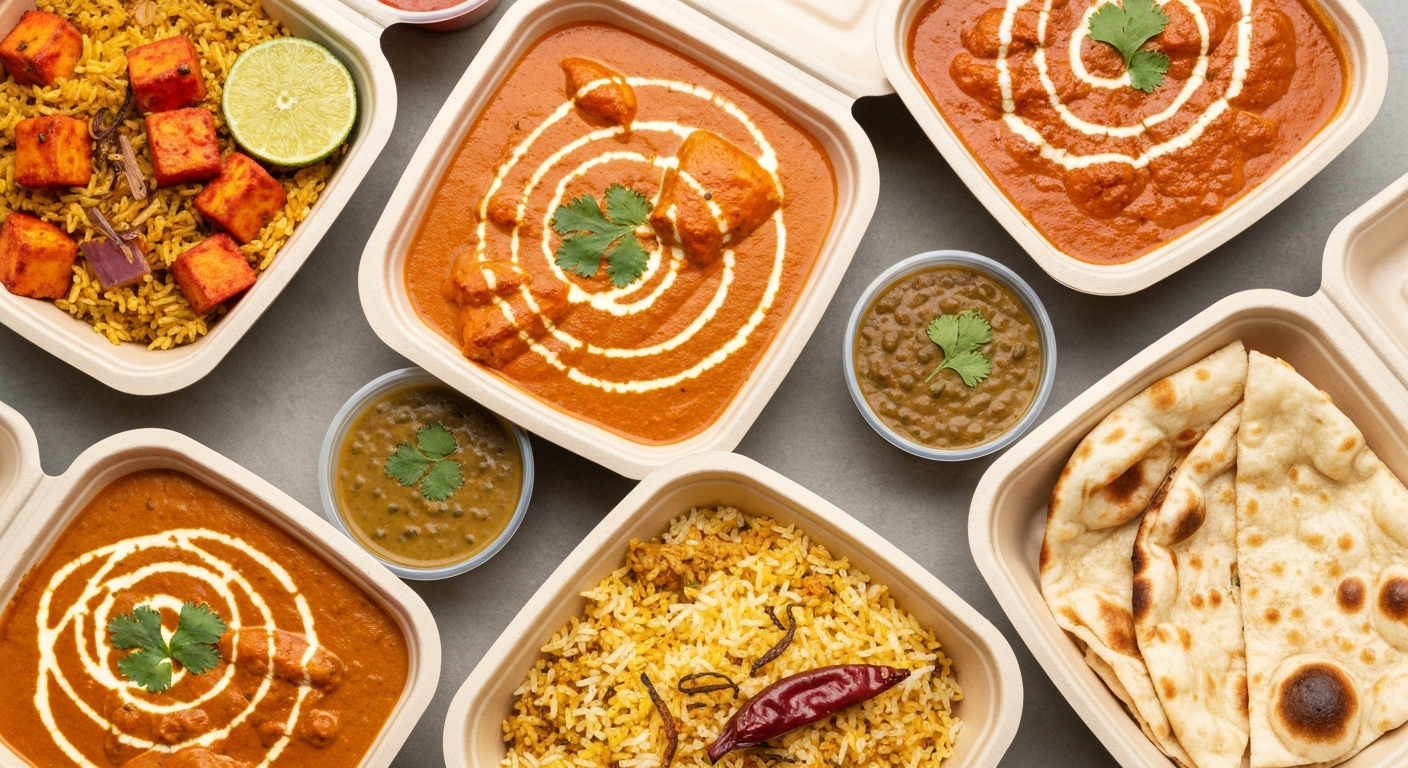
The landscape of the restaurant industry has been profoundly reshaped by the exponential growth of food delivery services. For restaurants specializing in Indian cuisine, adapting to this shift means more than just offering your menu online; it requires a strategic approach to maintaining the integrity, aroma, and presentation of dishes from kitchen to customer. This is where indian food delivery packaging innovation becomes not just a convenience, but a critical component of your brand and customer satisfaction.
Premium Indian food delivery is about extending the in-dining experience into the customer's home or office. It means ensuring that a rich Butter Chicken arrives as warm and aromatic as if it were just served, that a crispy Samosa retains its crunch, and that a fluffy Naan remains soft and pliable. The right packaging solutions are vital for preserving quality, preventing leaks, managing temperature, and ultimately, enhancing the overall perception of your restaurant's offerings. For operators striving to differentiate their brand in a competitive market, investing in innovative and functional packaging is a non-negotiable strategy.
The Unique Challenges of Delivering Indian Cuisine
Indian cuisine presents a distinct set of challenges for delivery, primarily due to its diverse textures, aromatic profiles, and often gravy-rich nature. Addressing these challenges effectively is the first step toward selecting appropriate packaging.
Gravies and Sauces: The Leakage Lament
Perhaps the most significant challenge is preventing leaks and spills. Many signature Indian dishes, from creamy Kormas to fiery Vindaloos, are characterized by their rich, flavorful gravies. A leaking container not only creates a mess but also diminishes the portion size and ruins the anticipation of a meal. Packaging must offer robust, leak-proof seals that can withstand the jostling of transit.
Temperature Retention: Hot, Cold, and Everything In Between
Maintaining optimal serving temperatures is crucial. Curries, dals, and rice need to stay hot, while accompaniments like Raita or salads must remain cool. This often requires different packaging solutions for various components, or highly effective insulated containers that can handle varying thermal demands without compromising food safety or quality.
Aroma Management: A Double-Edged Sword
The vibrant spices and herbs in Indian food create intoxicating aromas. While delightful when fresh, these strong scents can transfer between dishes if not properly contained, or overwhelm a delivery vehicle. Packaging needs to seal effectively to preserve individual dish aromas and prevent cross-contamination of scents, ensuring each item smells as it should upon arrival.
Texture Preservation: Crispness, Fluffiness, and Tenderness
Indian cuisine is a symphony of textures. Samosas and Pakoras should remain crispy, Naan and Rotis soft and pliable, and Biryani rice fluffy and distinct. Packaging that traps steam can turn crispy items soggy and make breads rubbery. Proper ventilation or separation is essential to maintain these delicate textures.
Presentation and Multiple Components
An Indian meal often consists of several distinct items: a main curry, rice, bread, a side dish, and perhaps a chutney or pickle. Presenting these components attractively, ensuring they don't mix prematurely, and making the overall package easy for the customer to manage, is key to a premium experience. Compartmentalized containers or intelligent grouping of individual packages can elevate the unboxing.
Innovations in Packaging Materials and Design for Indian Cuisine
Addressing the unique demands of Indian food delivery requires moving beyond generic takeout containers. Innovative packaging solutions leverage advanced materials and thoughtful design to overcome these challenges.
Advanced Leak-Proofing for Gravies
- High-Grade Polypropylene (PP) Containers: These are widely used for their durability, heat resistance, and excellent sealing capabilities. Many feature snap-on or tight-fitting lids with an inner lip that creates a strong barrier against leaks. Look for containers specifically designed for liquid-heavy foods.
- Induction-Sealed Options: For an extra layer of security and freshness, some premium containers can be induction-sealed. This creates an airtight, tamper-evident seal that guarantees no spillage and preserves the food's aroma and quality until opened by the customer.
- Compartmentalized Trays: Ideal for Thali-style meals or combination platters, these trays keep different gravies and dry items separate, preventing mixing and maintaining distinct flavors and textures. Modern designs often incorporate robust seals for each compartment.
Smart Temperature Control Solutions
- Double-Walled Containers: These provide an insulating air gap that helps maintain food temperature for longer, keeping curries hot without external heating elements.
- Sugarcane Bagasse and Other Insulating Materials: For certain dishes, especially those that benefit from breathability while retaining warmth, molded fiber containers made from materials like bagasse offer natural insulation and are often compostable. These are excellent for drier dishes or those that need to breathe slightly.
- Insulated Delivery Bags: While not part of the food packaging itself, high-quality insulated bags used by delivery drivers are crucial. Ensure your chosen packaging integrates well into these bags for maximum thermal efficiency.
Ventilation for Texture Preservation
- Vented Lids: For items like Naan, Roti, Samosas, or Pakoras, vented lids or containers with small perforations are essential. These allow steam to escape, preventing condensation buildup that leads to sogginess, while still retaining warmth.
- Separate Packaging for Breads: Often, packaging Naan or Roti in breathable paper bags or specially designed vented pouches, separate from the gravies, yields the best results for maintaining their soft texture.
Sustainable and Eco-Friendly Packaging Options
As environmental consciousness grows, sustainable packaging is becoming a significant differentiator. Restaurants can choose from:
- Compostable Materials: Made from plant-based resources like sugarcane bagasse, corn starch (PLA), or bamboo, these break down naturally. They are excellent for single-use applications, but ensure local composting facilities can process them.
- Recyclable Plastics: High-quality PP and PET plastics are widely recyclable. Clearly labeling these containers with recycling instructions can encourage proper disposal by customers.
- Biodegradable Options: Materials that decompose naturally into the environment over time. The key is to verify claims and understand the specific conditions required for degradation.
Enhancing the Unboxing Experience: Beyond Just Food Safety
Innovative packaging goes beyond mere functionality; it transforms the act of receiving takeout into an engaging 'unboxing' experience that reflects positively on your brand.
Aesthetic Appeal and Branding
Your packaging is a mobile billboard. Custom printing with your restaurant's logo, branding elements, and an attractive color palette reinforces your identity. High-quality packaging materials, with a premium look and feel, communicate a commitment to excellence even before the food is tasted. Consider textured finishes or unique shapes that stand out.
Ease of Use and Convenience
Customers appreciate packaging that is easy to open, doesn't require special tools, and is convenient to eat from. Microwave-safe containers are a huge plus for reheating leftovers. Stackable designs aid delivery drivers and make storage easier for customers. Providing clear instructions for reheating or assembly (e.g., for a deconstructed Biryani) further enhances convenience.
Thoughtful Extras and Clear Labeling
- Clear Labeling: Essential for identifying dishes, especially in multi-order deliveries. Include allergen information, spice levels, and clear reheating instructions.
- Quality Utensils: If providing cutlery, opt for sturdy, presentable options rather than flimsy plastic. Biodegradable cutlery is an excellent sustainable choice.
- Small Delights: A branded napkin, a small mint, or even a personalized thank-you note can add a touch of hospitality that elevates the entire experience and encourages repeat business.
Operational Efficiency and Cost Considerations
While premium packaging might seem like an added expense, its operational benefits and impact on customer satisfaction often lead to long-term savings and increased revenue.
Reducing Spoilage and Complaints
Investing in leak-proof, temperature-retaining packaging significantly reduces instances of spillage, food spoilage, and customer complaints. Each complaint requires time, resources, and potentially refunds or re-deliveries, which are far more costly than quality packaging.
Streamlined Kitchen Operations
Standardized, easy-to-assemble packaging can speed up plating and packing processes in a busy kitchen. Stackable containers require less storage space, which is a valuable commodity in any professional kitchen.
Bulk Purchasing and Supplier Relationships
Working with reliable packaging suppliers and leveraging bulk purchasing, such as the 50 kg minimum order quantity (MOQ) often seen for specialty ingredients, can lead to cost efficiencies. Establishing strong relationships ensures consistent supply and access to the latest innovations.
Integrating with Premium Ingredients
At ODOD LLC, we understand that exceptional food deserves exceptional presentation. Our MITRA brand supplies chef-grade Indian gravies, pastes, sauces, rice, and spices, manufactured under stringent quality controls including FSSAI, US FDA, ISO, Halal, HACCP, and GMP certifications. These high-quality ingredients are the foundation of an authentic and delicious Indian meal. Pairing them with innovative, premium packaging completes the experience, ensuring that the excellence crafted in your kitchen translates perfectly to your customer's table. When your ingredients are top-tier, the packaging must reflect that same commitment to quality.
Future Trends in Indian Food Delivery Packaging
The future of food delivery packaging is dynamic, with ongoing advancements focused on sustainability, smart technology, and enhanced user experience.
- Smart Packaging: Expect to see more packaging incorporating QR codes for direct re-ordering, loyalty programs, or even augmented reality experiences that tell the story of the dish.
- Reusable Packaging Models: As circular economy principles gain traction, restaurants may explore partnerships for reusable container programs, reducing waste and fostering customer loyalty.
- Advanced Biodegradable Materials: Research continues into materials that offer superior performance in terms of insulation, leak-proofing, and texture preservation, while being truly compostable or biodegradable without specific industrial processing.
- Personalization: As data analytics improve, packaging could offer greater personalization, from dietary preferences noted on the label to custom meal kits.
Conclusion
In the competitive landscape of food delivery, indian food delivery packaging innovation is no longer an afterthought; it's a strategic imperative. It's the silent ambassador of your brand, a critical component in preserving the quality and authenticity of your Indian cuisine, and a key driver of customer satisfaction and loyalty. By investing in thoughtful, functional, and aesthetically pleasing packaging, you not only protect your culinary creations but also elevate your entire delivery experience, ensuring your customers receive a premium taste of India, right to their doorstep. The effort you put into sourcing high-quality ingredients, like those from MITRA, should be mirrored in the care you take with their final presentation.
Ready to enhance your culinary offerings? Explore how MITRA's chef-grade gravies and spices can elevate your menu. Our products are shipped globally to countries including the USA, Canada, UK, UAE, Australia, Germany, Italy, India, France, Ireland, Switzerland, and the Netherlands. If a product is in stock at our US (Houston) or local-country warehouse, it ships in 2 days. For items not in stock, the lead time is 35-60 days, and customers are immediately notified of any delays. Our minimum order quantity is 50 kg. To learn more or to request a quote or sample, visit ododgroup.com today.