
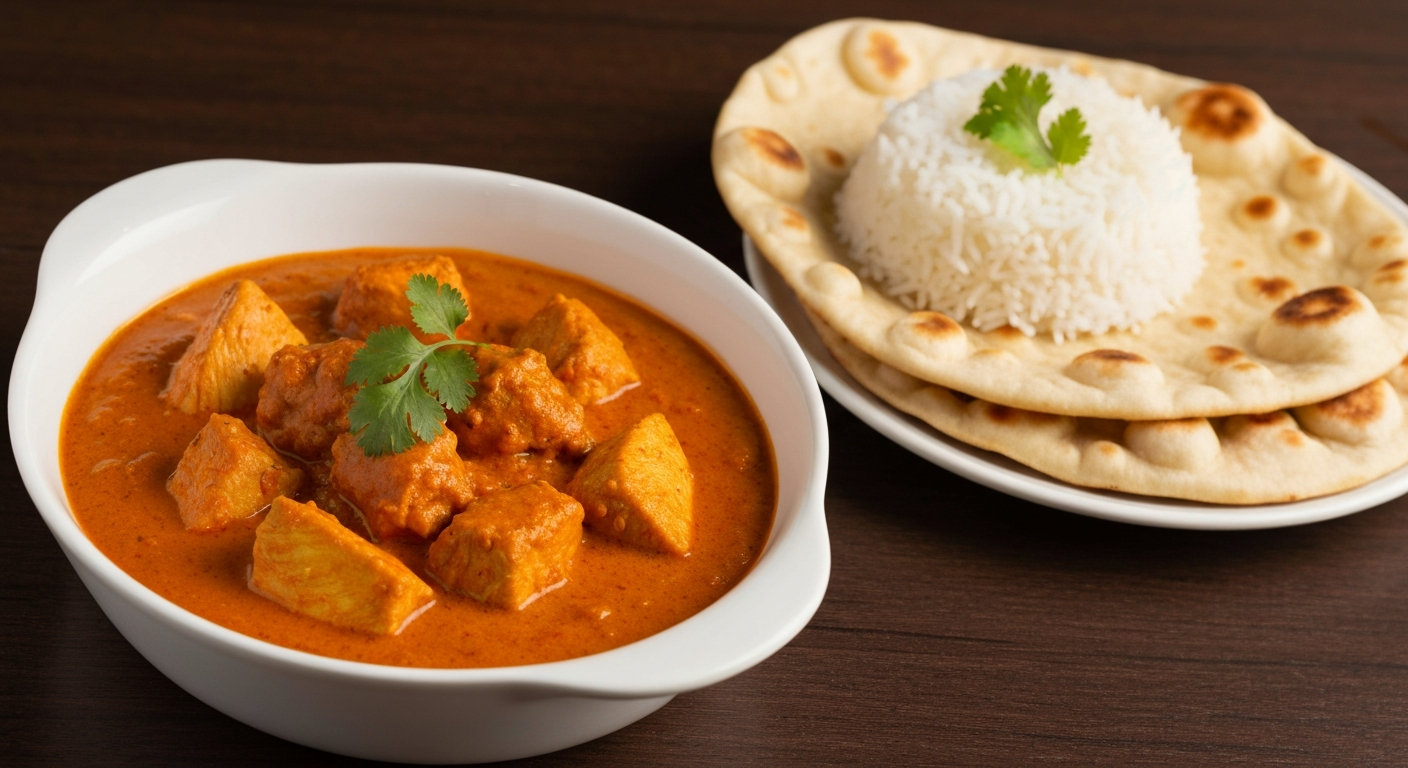
In the competitive culinary landscape, every operational cost impacts a restaurant's bottom line. For establishments specializing in Indian cuisine, significant energy consumption often comes from the extensive preparation required for traditional dishes. From slow-simmering gravies to grinding fresh spices, the energy demands can be substantial. This article explores how strategic ingredient choices can directly impact restaurant Indian menu utility costs, offering practical pathways to greater efficiency and profitability.
The Energy Footprint of Traditional Indian Kitchens
Authentic Indian cooking is renowned for its depth of flavor, which often stems from labor-intensive processes and prolonged cooking times. While these methods yield unparalleled taste, they also contribute significantly to utility expenses. Consider the energy expenditure associated with:
- Prolonged Cooking Times: Many gravies and curries require hours of simmering on high heat, consuming gas or electricity continuously.
- Pre-Preparation Steps: Grinding fresh spices, pureeing onions and tomatoes, and making ginger-garlic paste often involve blenders, grinders, and food processors, adding to electricity bills.
- Specialized Equipment: Dough kneaders for breads, large tandoors, and deep fryers for snacks all contribute to a heavy energy load.
- Refrigeration and Storage: Storing large quantities of fresh produce and prepped ingredients demands consistent refrigeration, a constant energy drain.
- Water Heating and Dishwashing: High volumes of water used for cooking and cleaning require heating, further impacting utility bills.
These factors, while integral to traditional preparation, present opportunities for optimization without compromising authenticity or quality. The key lies in intelligent ingredient sourcing.
Strategic Ingredient Sourcing: A Path to Lower Utility Costs
Optimizing your kitchen's energy usage begins long before the first flame is lit. It starts with the ingredients you choose and how they are processed before they even enter your kitchen. By making smart choices, restaurants can significantly reduce their restaurant Indian menu utility costs.
Embracing Pre-Made Gravies and Bases
One of the most impactful shifts for an Indian kitchen seeking energy efficiency is the adoption of high-quality, pre-made gravies and bases. These products are manufactured to stringent standards, offering consistency and flavor without the extensive in-house prep. The benefits are numerous:
- Reduced Cooking Time: Instead of simmering a base for hours, chefs can achieve a rich, authentic flavor profile in a fraction of the time. This directly cuts down on gas or electricity consumption from stovetops.
- Minimized Equipment Usage: The need for industrial blenders, grinders, and large stockpots for base preparation is drastically reduced, lowering electricity usage and equipment wear-and-tear.
- Lower Water and Dishwashing Costs: Less raw ingredient processing means fewer utensils and pots to clean, saving on hot water and dishwashing machine cycles.
- Consistent Quality: Beyond energy, pre-made bases ensure a uniform taste and texture across all batches, a critical factor for restaurant reputation and customer satisfaction.
Optimizing for Portion Control and Waste Reduction
Energy is also wasted when food is over-prepared and discarded. Smart ingredient choices, especially those that come in pre-portioned or easy-to-measure formats, facilitate better portion control. This means:
- Less Overproduction: By reducing the need for bulk raw ingredient processing, kitchens are less likely to prepare excess components that may spoil or go unused.
- Reduced Spoilage: Utilizing shelf-stable or long-shelf-life pre-made ingredients minimizes the risk of spoilage associated with fresh, perishable items, thus reducing the energy spent on refrigeration for items that are ultimately wasted.
- Efficient Inventory Management: A streamlined inventory of pre-made components simplifies tracking and ordering, preventing overstocking and further reducing waste.
Leveraging Bulk Purchasing and Storage Efficiency
For many staple Indian ingredients that are not part of a pre-made base (e.g., rice, certain whole spices), bulk purchasing can still be an energy-saving strategy when managed correctly:
- Fewer Deliveries: Bulk orders reduce the frequency of deliveries, which in turn means less fuel consumption and carbon emissions associated with transport.
- Optimized Storage: While large quantities require storage space, choosing ingredients with a long shelf life reduces the need for constant refrigeration for everything. Products like dry spices, grains, and even certain pre-made gravies (before opening) can be stored efficiently at ambient temperatures, freeing up valuable and energy-intensive refrigerated space.
Optimizing Your Indian Menu for Energy Efficiency
Smart ingredient choices naturally lead to opportunities for menu engineering that further reduce energy consumption in the kitchen. It's about designing a menu that maximizes efficiency without sacrificing the rich flavors of Indian cuisine.
Menu Engineering for a Lower Energy Footprint
Reviewing and engineering your menu with energy efficiency in mind can yield significant savings. Consider:
- Leveraging Versatile Bases: Design dishes that can be built from a common, energy-efficient base. For example, a single high-quality tomato-onion gravy can be the foundation for several curries like Paneer Butter Masala, Chicken Tikka Masala, or even a vegetable korma, requiring only minor additions and finishing touches.
- Focus on Assembly, Not Creation: Shift the kitchen's focus from creating every component from scratch to assembling dishes from well-prepared, high-quality ingredients. This dramatically cuts down on active cooking time per dish.
- Batch Cooking Smartly: While traditional batch cooking saves energy, using pre-made components takes this a step further, allowing for quicker, more consistent batches with less initial energy investment.
The Role of Smart Equipment Choices
While ingredient choices are paramount, they also influence equipment needs. By reducing the reliance on raw ingredient processing, you might find:
- Reduced Need for Heavy-Duty Grinders/Blenders: If gravies come pre-made, the constant grinding of onions, tomatoes, and spices becomes unnecessary.
- Fewer Burners in Constant Use: Shorter cooking times mean fewer burners are tied up for extended periods, allowing for more efficient use of cooking stations or even the ability to downsize certain equipment.
- Optimized Refrigeration Needs: With less fresh produce requiring immediate, intense refrigeration, you can optimize your cold storage, potentially reducing the load on your refrigeration units.
Beyond Energy: Broader Operational Benefits
The decision to make smart ingredient choices for an energy-efficient Indian menu extends far beyond just lowering utility bills. These strategies contribute to a more streamlined, profitable, and sustainable restaurant operation.
- Reduced Labor Costs: Pre-made gravies and bases drastically cut down on prep time, allowing chefs to focus on cooking, plating, and innovation rather than hours of chopping, grinding, and simmering. This can reduce the need for extensive kitchen staff or free up existing staff for other critical tasks.
- Enhanced Consistency and Quality: Manufactured products adhere to precise recipes and quality controls, ensuring that every dish tastes the same, every time. This consistency is invaluable for customer satisfaction and brand reputation.
- Improved Food Safety: Fewer raw ingredients handled in-house translates to reduced risk of cross-contamination and adherence to higher food safety standards. Our products are manufactured under rigorous certifications including FSSAI, US FDA, ISO, Halal, HACCP, and GMP, providing an added layer of assurance.
- Faster Service and Increased Throughput: With less prep and active cooking time, kitchens can turn out orders more quickly, leading to increased customer satisfaction, higher table turnover, and greater revenue potential.
- Reduced Kitchen Footprint and Capital Expenditure: Less need for specialized, energy-intensive equipment can mean a smaller kitchen footprint, lower initial capital investment in equipment, and reduced maintenance costs over time.
Partnering for Efficiency: The MITRA Advantage
At ODOD LLC, under our MITRA brand, we understand the unique challenges and opportunities facing professional kitchens. Our range of chef-grade Indian gravies, pastes, sauces, rice, and spices are specifically designed to meet the demands of high-volume, quality-focused operations while supporting energy efficiency and cost control.
Our products are manufactured to the highest international standards, holding certifications such as FSSAI, US FDA, ISO, Halal, HACCP, and GMP. These certifications ensure not only product quality and safety but also consistency, which is vital for any commercial kitchen looking to optimize its operations and reduce waste.
We serve a wide range of clients including restaurants, cloud/ghost kitchens, caterers, cruise lines, hotels, and food distributors across the USA, Canada, UK, UAE, Australia, Germany, Italy, India, France, Ireland, Switzerland, and Netherlands, with more countries being added regularly.
Our minimum order quantity (MOQ) is 50 kg, making our solutions accessible for businesses of various sizes. For products in stock in our US (Houston) or local-country warehouse, shipping typically takes 2 days. For items not currently in stock, the lead time is 35-60 days, and customers are notified immediately of any potential delays.
By incorporating MITRA products into your menu, you gain a partner dedicated to helping you achieve culinary excellence alongside operational efficiency, directly impacting your restaurant Indian menu utility costs.
Conclusion
Lowering restaurant Indian menu utility costs is a critical step towards enhancing profitability and sustainability in the food service industry. By strategically choosing ingredients, particularly high-quality pre-made gravies and bases, professional kitchens can significantly reduce energy consumption, labor costs, and operational complexities. This approach not only streamlines kitchen workflows but also ensures consistent quality and allows chefs to focus on the art of cooking. Embracing smart ingredient sourcing is not just an operational adjustment; it's a strategic investment in the future of your restaurant.
Ready to explore how MITRA's chef-grade Indian gravies and ingredients can transform your kitchen's efficiency and reduce your utility costs? Inquire today via ododgroup.com to request a quote or sample.