
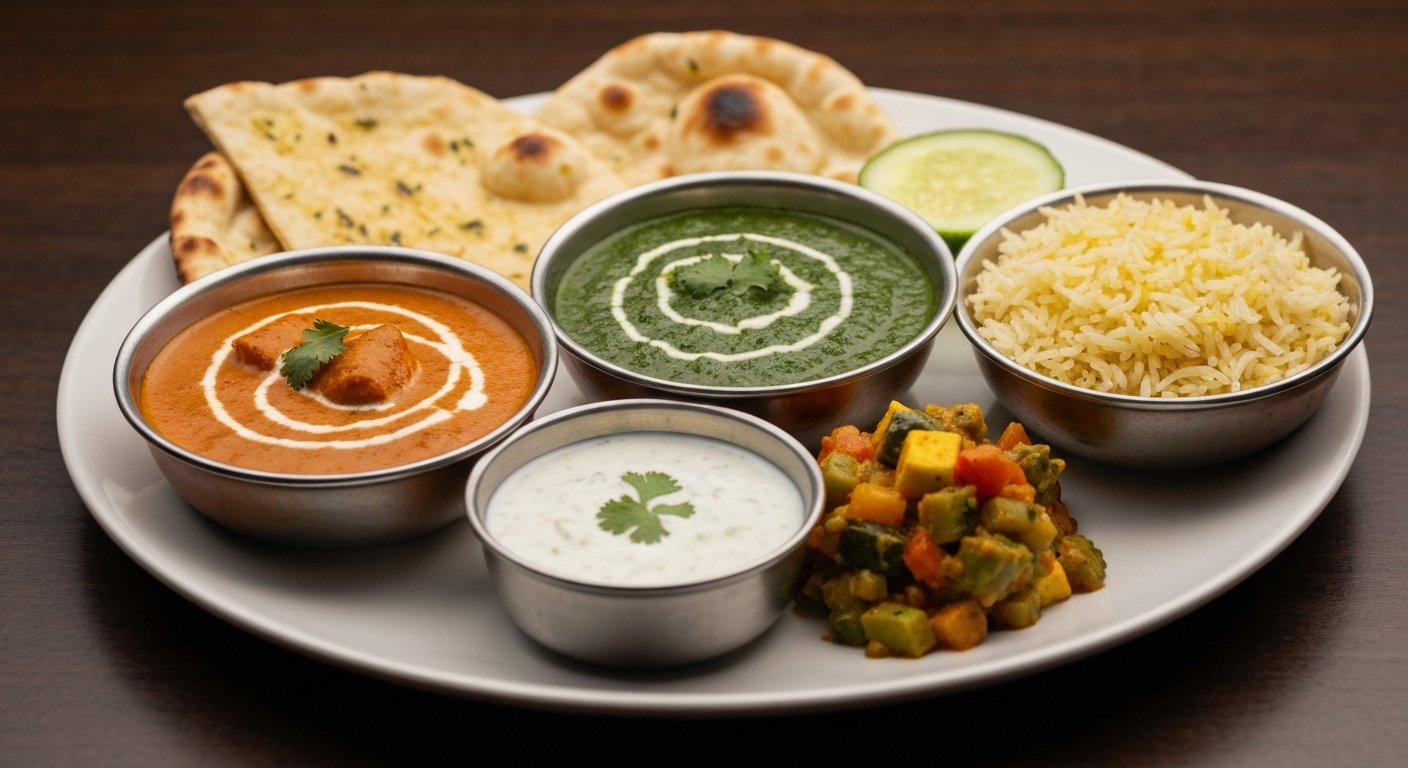
In the competitive landscape of the restaurant industry, achieving robust profitability requires more than just excellent food. For Indian restaurants, the unique complexities of cuisine—from labor-intensive spice grinding and slow-cooked gravies to managing a diverse pantry—present both culinary opportunities and significant operational challenges. This is where indian menu engineering profitability becomes a critical strategy, allowing operators to systematically analyze and optimize their offerings for superior financial performance and guest satisfaction.
Menu engineering is a data-driven approach that assesses the profitability and popularity of each menu item. By understanding which dishes are your 'stars' (high popularity, high profitability), 'puzzles' (high profitability, low popularity), 'plow horses' (high popularity, low profitability), and 'dogs' (low popularity, low profitability), you can make informed decisions to adjust pricing, portion sizes, ingredients, and even promotional efforts. For Indian cuisine, this process is particularly nuanced, demanding an acute awareness of ingredient costs, preparation times, and customer perception of value.
The Core of Indian Menu Engineering for Profitability
Traditional Indian cooking, celebrated for its depth of flavor and aromatic complexity, often involves extensive preparation. Spices are roasted and ground fresh, onions are caramelized slowly, and gravies simmer for hours. While this dedication yields unparalleled authenticity, it can also lead to high labor costs, inconsistent output, and significant ingredient waste if not managed precisely. Effective menu engineering for an Indian restaurant addresses these points directly.
Understanding Cost Drivers in Indian Cuisine
Beyond the raw cost of ingredients, several factors impact the true cost of an Indian dish:
- Labor: The time spent on mise en place, cooking, and plating. Skilled chefs for Indian cuisine command competitive wages.
- Yield Loss: Trimming vegetables, reducing gravies, and potential spoilage of fresh produce or dairy.
- Energy Consumption: Long cooking times for certain dishes increase utility costs.
- Inventory Carrying Costs: Holding a wide array of spices, pulses, and fresh ingredients ties up capital and risks spoilage.
By meticulously tracking these elements, operators can gain a clearer picture of a dish's true contribution margin—the revenue left after deducting its direct food and labor costs. This metric is far more telling than a simple food cost percentage, especially when evaluating the `indian menu engineering profitability` of complex, multi-ingredient dishes.
Strategic Pricing for Indian Dishes
Pricing an Indian menu is an art form that balances perceived value with actual cost. Simply applying a standard food cost multiplier across the board can lead to underpricing complex, labor-intensive dishes or overpricing simpler ones.
Contribution Margin Analysis in Action
Consider a popular Butter Chicken (Murgh Makhani). While the chicken and dairy costs are significant, the labor involved in preparing the creamy tomato gravy and marinating the chicken also contributes substantially to its cost. A menu engineering matrix would reveal its popularity and profitability. If it's a 'plow horse' (high popularity, low profitability), strategies might include:
- Portion Control: Standardizing portion sizes to prevent over-serving.
- Ingredient Substitution/Optimization: Exploring cost-effective yet quality-preserving options for certain ingredients.
- Price Adjustment: A modest price increase that aligns with market perception and competitive pricing, especially if the dish is a consistent bestseller.
- Bundling: Offering Butter Chicken as part of a combo meal with rice and naan at a slightly discounted overall price, increasing the average check value.
Conversely, a 'puzzle' dish (high profitability, low popularity), like a lesser-known regional specialty, might benefit from enhanced menu descriptions, chef recommendations, or promotional features to boost its visibility and appeal.
Psychological Pricing and Perceived Value
Indian cuisine often evokes a sense of authenticity, comfort, and exotic adventure. Pricing should reflect this perceived value. Using strategies like odd pricing (e.g., $15.99 instead of $16.00) can subtly influence customer perception. Highlighting premium ingredients or traditional cooking methods in menu descriptions can also justify higher price points for certain dishes.
Ingredient Optimization: Revolutionizing Indian Kitchen Efficiency
One of the most impactful strategies for enhancing `indian menu engineering profitability` lies in smart ingredient sourcing and preparation. Traditional Indian kitchens often struggle with the sheer volume of prep work required daily, leading to high labor costs, inconsistent product, and significant waste.
Addressing Labor Challenges with Pre-Prepped Solutions
Pre-prepped Indian gravies, pastes, and sauces offer a transformative solution. Instead of spending hours chopping onions, blanching tomatoes, and grinding spices for a base gravy, kitchens can utilize high-quality, ready-to-use products. This significantly reduces:
- Prep Time: Freeing up skilled chefs to focus on finishing dishes, innovation, and presentation.
- Labor Costs: Reducing the need for extensive back-of-house staff dedicated to basic prep.
- Training Time: Ensuring new kitchen staff can quickly produce consistent results.
This shift allows for greater `indian kitchen efficiency` without compromising on flavor or authenticity. For instance, a professionally prepared butter chicken gravy base ensures that every batch of Butter Chicken tastes consistently superb, regardless of which chef is on duty.
Consistency and Quality Control
Consistency is paramount for repeat business. Manually preparing gravies from scratch can lead to variations in taste, texture, and color. High-quality pre-prepped ingredients, manufactured under stringent controls, guarantee uniformity across all dishes, all the time. This reliability builds customer trust and reinforces brand identity.
Reducing Waste and Spoilage
Fresh ingredients, especially produce and dairy, have limited shelf lives. Over-preparing or improper storage leads to costly waste. Bulk pre-prepped gravies and pastes typically have longer shelf lives and are often designed for precise portioning, leading to better `indian gravy cost control` and minimal waste. Products manufactured under certifications such as FSSAI, US FDA, ISO, Halal, HACCP, and GMP provide assurance of quality and safety, contributing to reduced spoilage and consistent product integrity.
Smart Inventory and Supply Chain Management
Effective inventory management is crucial for `restaurant margins Indian food`. For an Indian restaurant, this means balancing the need for fresh, high-quality produce with the efficiency of using shelf-stable, pre-prepped ingredients.
Strategic Sourcing and Bulk Purchasing
Reliable suppliers are key. Partnering with a supplier that understands the specific needs of professional Indian kitchens can streamline operations. Opting for bulk purchasing of non-perishable or long-shelf-life items, such as pre-prepped gravies and spices, can significantly reduce per-unit costs. For example, a 50 kg minimum order quantity (MOQ) allows restaurants to achieve economies of scale, lowering overall `menu costing indian food`.
Optimizing Logistics and Lead Times
Understanding your supplier's shipping capabilities is vital for `inventory management indian cuisine`.
- If products are in stock in our US (Houston) or local-country warehouse, they typically ship in 2 days, allowing for rapid replenishment.
- If an item is not in stock, the lead time is 35-60 days. Customers are notified immediately of any delay, enabling proactive menu planning and inventory adjustments. This necessitates careful forecasting, especially for popular items.
Our products are delivered to a growing list of countries, including the USA, Canada, UK, UAE, Australia, Germany, Italy, India, France, Ireland, Switzerland, and Netherlands, ensuring broad accessibility for professional kitchens worldwide.
Continuous Menu Analysis and Adaptation
Menu engineering is not a one-time exercise but an ongoing process. Market trends, ingredient costs, and customer preferences constantly evolve. Regular analysis of sales data, ideally monthly or quarterly, is essential for maintaining `indian menu engineering profitability`.
Data-Driven Decisions
Utilize your Point-of-Sale (POS) system to track sales volume for each dish. Combine this data with your calculated contribution margins to continuously update your menu engineering matrix. This allows you to:
- Identify Emerging Trends: Spot new popular dishes or declining interest in others.
- React to Cost Fluctuations: Adjust pricing or ingredients in response to changes in supplier costs.
- Seasonal Adjustments: Leverage seasonal produce to create specials, adding variety and managing costs effectively.
Testing and Refinement
Don't be afraid to experiment with new dishes or slight modifications to existing ones. Introduce specials as a test run before adding them permanently to the menu. Gather customer feedback and track their performance rigorously. Removing 'dog' items or re-engineering 'plow horses' are critical steps in `optimizing Indian menu` performance.
Maintaining Authenticity While Optimizing
A common concern among chefs when considering pre-prepped ingredients is the potential compromise on authenticity. However, today's high-quality bulk Indian gravies and pastes are crafted to deliver genuine `authentic Indian flavors`.
These products are developed by culinary experts, using traditional recipes and premium ingredients, often slow-cooked to perfection. They serve as a robust foundation, allowing the chef to focus on customization, fresh garnishes, and precise seasoning to bring their unique touch to each dish. The consistency and quality provided by these bases free up time and resources, enabling greater creativity and ensuring `consistent quality Indian food` across the board.
Conclusion
Achieving maximum `indian menu engineering profitability` in an Indian restaurant requires a multifaceted approach. By strategically pricing dishes based on their true contribution margin, optimizing ingredient sourcing through high-quality pre-prepped solutions, implementing robust inventory management, and continuously analyzing menu performance, restaurant operators can significantly enhance their bottom line. This strategic approach not only boosts financial health but also ensures consistent quality and allows chefs to focus on the artistry of Indian cuisine, ultimately leading to greater guest satisfaction. Embrace the power of data and smart ingredient choices to engineer a truly profitable Indian menu.
To explore how high-quality, pre-prepped Indian gravies, pastes, and sauces can elevate your kitchen's efficiency and profitability, we invite you to inquire via ododgroup.com. Discover our range of products designed for the demands of professional kitchens.