
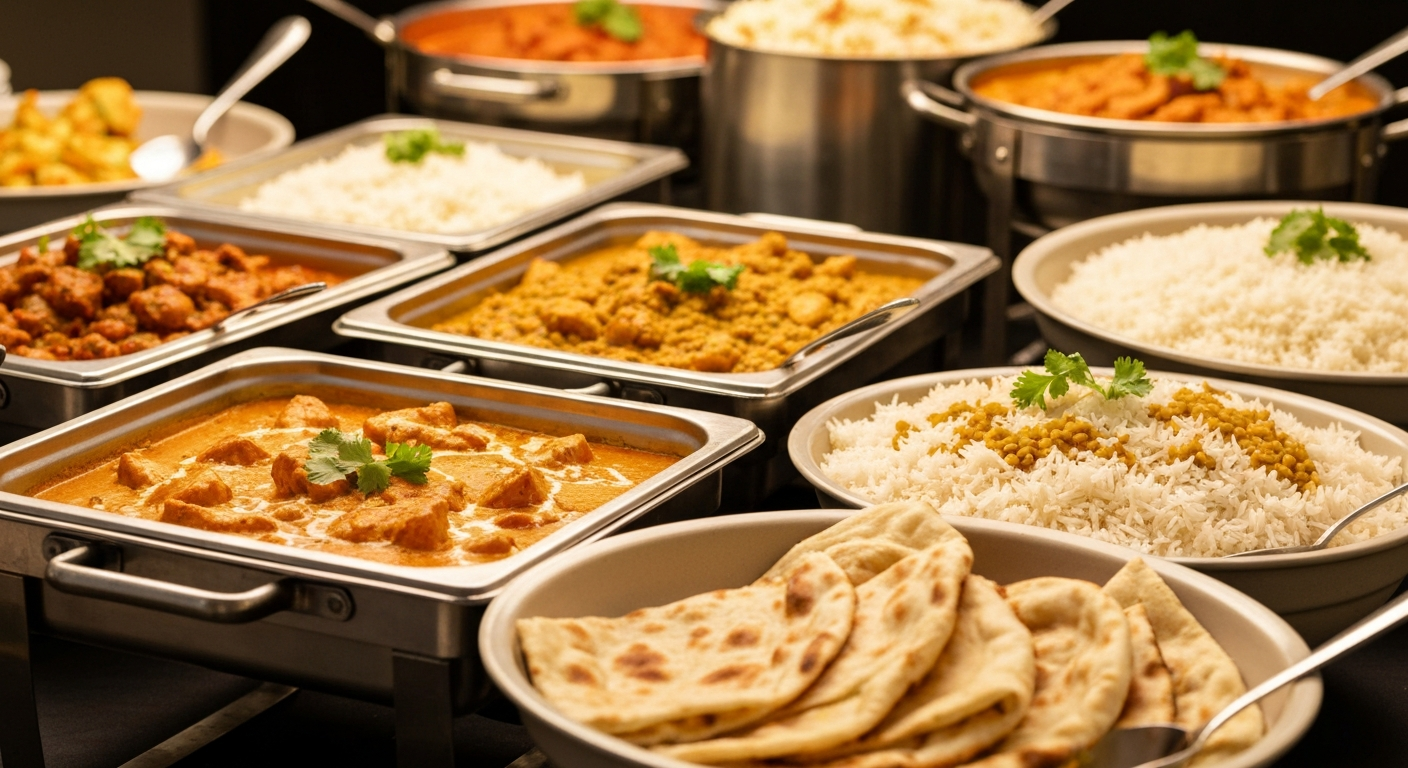
Operating a successful catering business requires precision, especially when delivering complex cuisines to remote venues. For caterers specializing in Indian food, the challenge intensifies. Maintaining the vibrant flavors, delicate textures, and aromatic integrity of Indian dishes from kitchen to client site, often for hundreds of guests, demands a robust strategy. This article explores best practices for ensuring exceptional off-site Indian catering quality, covering everything from menu design to on-site execution.
The Unique Challenges of Indian Cuisine in Off-Site Catering
Indian cuisine is renowned for its diversity, rich spice blends, and intricate cooking processes. While this complexity is its strength, it also presents unique hurdles for off-site catering:
- Flavor Volatility: Many Indian dishes rely on fresh aromatics and specific spice tempering, which can diminish or change over time if not managed properly. Gravies, in particular, can lose their nuanced notes or become oily if not held or reheated correctly.
- Texture Preservation: Dishes like biryani, naan, and certain vegetable preparations have specific textural requirements that are easily compromised. Naan can become chewy, biryani rice can turn mushy, and fried appetizers can lose their crispness.
- Temperature Sensitivity: Food safety is paramount. Indian dishes often involve dairy, meats, and rice, all of which require strict temperature control during preparation, transport, and holding to prevent bacterial growth.
- Aromatic Integrity: The distinct aromas of Indian spices are a key part of the dining experience. These can dissipate or intermingle undesirably during transport.
- Presentation: Garnishes like fresh cilantro, fried onions, or a swirl of cream are crucial for visual appeal, but they need to be applied fresh on-site to maintain their impact.
Addressing these challenges requires a methodical approach that prioritizes consistency, safety, and culinary excellence at every stage.
Strategic Menu Planning for Off-Site Success
Careful menu selection is the first step towards ensuring high off-site Indian catering quality. Not all dishes are equally suited for remote preparation and service.
Prioritize Travel-Friendly Dishes
Opt for dishes that hold their quality well over time and temperature fluctuations. Robust curries like Butter Chicken, Dal Makhani, Chana Masala, and paneer dishes (e.g., Shahi Paneer) are generally excellent choices. Their gravy bases help retain moisture and flavor.
- Gravy-Based Dishes: These are often more forgiving. Their consistency helps to keep ingredients moist and warm.
- Hearty Lentils and Beans: Dal preparations are generally stable and flavorful.
- Dry Dishes (with caution): Tandoori items can be par-cooked and finished on-site. Dry vegetable preparations (sabzis) should be chosen carefully; those that easily become soggy should be avoided.
- Rice Preparations: Plain basmati rice or Pulao can travel well. Biryanis require more careful handling to prevent overcooking or drying out.
Component-Based Assembly
Consider dishes that can be prepared in components and assembled or finished on-site. For instance, a biryani can have its rice and meat gravies cooked separately and layered just before serving. Naan dough can be prepared off-site and baked fresh in a tandoor oven at the venue if feasible.
Balance and Variety
While prioritizing travel-friendly options, ensure the menu still offers variety in flavors, textures, and spice levels. Include a mix of vegetarian and non-vegetarian options, different gravies (creamy, tangy, spicy), and sides (raita, salads) that complement the main dishes.
Sourcing and Consistency: The Foundation of Quality
Consistency in ingredients and preparation is non-negotiable for large-scale catering. This is where reliable sourcing and standardized processes become critical.
Premium Ingredient Sourcing
Quality ingredients are the bedrock of authentic Indian cuisine. Source fresh produce, high-grade meats, and authentic spices from trusted suppliers. For gravies, pastes, and spice blends, partnering with a specialized food supplier like ODOD LLC, under the MITRA brand, can significantly enhance consistency and simplify operations.
Standardized Recipes and Processes
Every dish should have a meticulously documented recipe, detailing ingredient quantities, cooking steps, and critical control points. This ensures that whether a dish is prepared for 50 or 500 guests, the flavor profile and texture remain consistent. Training culinary staff thoroughly on these standardized recipes is essential.
Leveraging Pre-Prepared Bases
Chef-grade Indian gravies and pastes, like those offered by MITRA, are manufactured to strict quality controls. Using such products provides several advantages:
- Flavor Consistency: Eliminates variations that can occur from scratch preparation across different chefs or batches.
- Time Efficiency: Reduces significant prep time, allowing your kitchen staff to focus on finishing and presentation.
- Cost Control: Standardized products help manage ingredient costs and reduce waste.
- Quality Assurance: Our products are manufactured to stringent standards, holding certifications such as FSSAI, US FDA, ISO, Halal, HACCP, and GMP, ensuring safety and quality.
Advanced Preparation and Cooking Techniques for Scale
Efficient and effective cooking techniques are vital for maintaining quality when preparing large volumes of Indian food for off-site events.
Batch Cooking and Par-Cooking
- Batch Cooking: For gravies and dals, cook in large, controlled batches. This ensures uniform flavor development. Use industrial-grade equipment designed for high-volume cooking.
- Par-Cooking: Many components can be partially cooked. For instance, rice can be cooked to 80% doneness and finished on-site. Meats for curries can be browned and simmered partially, then completed at the venue.
Rapid Cooling and Holding
Once cooked, food must be rapidly cooled to safe temperatures (below 41°F/5°C) within a maximum of 6 hours to inhibit bacterial growth. Use blast chillers or ice baths for this purpose. Store food in shallow containers to facilitate quicker cooling. During transport and holding, maintain cold items below 41°F (5°C) and hot items above 135°F (57°C).
Packaging for Preservation
Use appropriate food-grade containers that are airtight and designed for bulk transport. Segregate components to prevent flavor transfer or textural degradation. For example, keep gravies separate from solid ingredients until assembly.
Mastering Transport and Temperature Control
Transport is a critical juncture where food quality and safety can be compromised. Meticulous planning is essential.
Insulated Transport Equipment
Invest in high-quality insulated hot boxes and cold holding units. These are indispensable for maintaining safe food temperatures during transit. Regularly monitor the temperature of food items throughout the journey using calibrated thermometers.
Dedicated Transport Vehicles
Utilize clean, dedicated vehicles for food transport. Ensure these vehicles are equipped to handle the weight and volume of your catering orders. For long distances, refrigerated or heated trucks may be necessary.
Strategic Loading and Unloading
Plan the loading sequence to minimize the time food spends outside optimal temperatures. Hot food should be loaded last and unloaded first. Secure all containers to prevent spills and damage during transit.
On-Site Infrastructure Assessment
Before the event, conduct a thorough site visit. Assess the availability of power, water, refrigeration, and heating facilities. Plan your equipment needs accordingly, including chafing dishes, portable ovens, and hot plates.
On-Site Execution: Reheating, Finishing, and Presentation
The final stage is where your team brings the dishes to life, ensuring they are served fresh, hot, and appealing.
Gentle Reheating Techniques
Avoid aggressive reheating methods that can dry out food or alter its texture. Steam tables are ideal for gently bringing gravies and rice dishes to serving temperature. Portable convection ovens can be used for items like baked appetizers or naan.
Fresh Finishing Touches
This is where you restore the 'freshly cooked' appeal. Have fresh garnishes like chopped cilantro, ginger juliennes, fried onions, or a tempering (tadka) prepared on-site. A drizzle of fresh cream or a squeeze of lime can brighten flavors just before serving.
Artful Presentation
Even for large-scale buffets, presentation matters. Use attractive serving dishes, maintain clean buffet lines, and ensure dishes are replenished promptly. Train staff on proper plating techniques to make each serving visually appealing.
Maintain Food Safety On-Site
Continue to monitor food temperatures throughout the event. Use appropriate serving utensils, and ensure staff adhere to strict hygiene protocols. Discard any food that has been held in the temperature danger zone for too long.
Partnering for Excellence: The ODOD MITRA Advantage
Achieving consistent off-site Indian catering quality for large events is a demanding task. Partnering with a reliable supplier for your core ingredients can significantly streamline your operations and elevate your culinary offerings. ODOD LLC, through its MITRA brand, provides chef-grade Indian gravies, pastes, sauces, rice, and spices specifically designed for professional kitchens.
Our products are manufactured to the highest standards, offering the authentic flavors and consistent quality you need to impress your clients. With MITRA products, you can reduce preparation time, manage costs more effectively, and ensure that every dish served maintains its integrity, regardless of the scale or location of your event.
We understand the logistics of bulk supply. Our minimum order quantity (MOQ) is 50 kg. If a product is in stock in our US (Houston) or local-country warehouse, it ships in 2 days. If it is not in stock, the lead time is 35-60 days, and the customer is notified immediately of any delay. We currently serve businesses in the USA, Canada, UK, UAE, Australia, Germany, Italy, India, France, Ireland, Switzerland, and Netherlands, with more countries being added regularly.
By integrating MITRA products into your catering operations, you empower your team to focus on the artistry of finishing and presentation, confident in the consistent quality of your foundational ingredients.
Conclusion
Mastering off-site Indian catering quality is a testament to meticulous planning, stringent food safety practices, and a commitment to culinary excellence. By strategically selecting menus, standardizing processes, leveraging quality ingredients, and employing best practices for transport and on-site execution, caterers can consistently deliver authentic, delicious Indian cuisine to any large-scale event. Partnering with suppliers who understand the unique demands of professional kitchens can further enhance efficiency and consistency, allowing your business to thrive in the competitive catering landscape.
To learn more about how MITRA products can support your catering operations and help you maintain unparalleled quality, please inquire via ododgroup.com. Request a quote or sample today to experience the difference.