
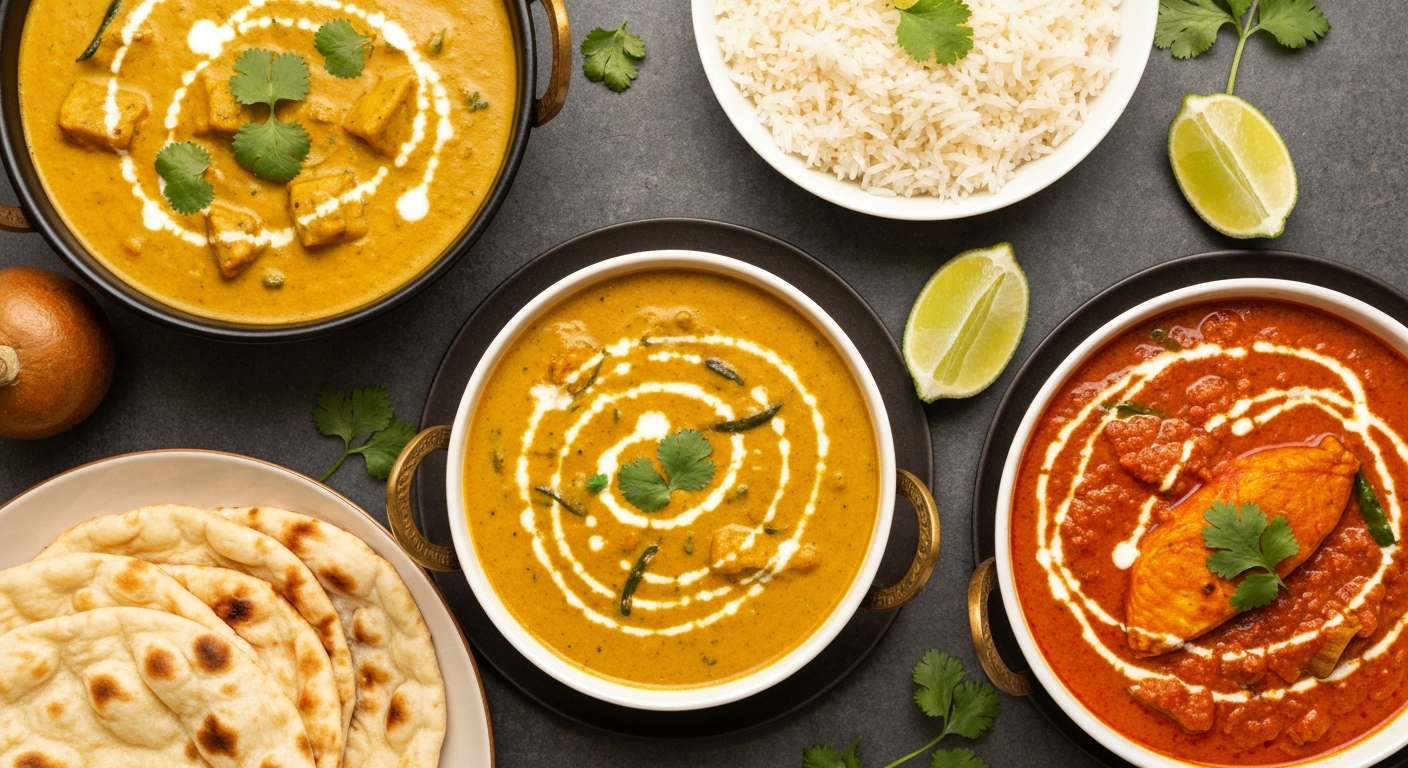
In the rapidly evolving landscape of food service, ghost kitchens represent a strategic advantage for operators seeking efficiency, reach, and profitability. The ability to pivot quickly, test new concepts, and scale operations without the overhead of a traditional storefront makes them uniquely positioned for growth. One of the most compelling avenues for ghost kitchen regional Indian menu expansion lies in tapping into the rich, diverse, and increasingly popular world of regional Indian cuisine. This article explores how ghost kitchens can efficiently diversify their offerings with distinct regional Indian dishes, leveraging high-quality, pre-prepared ingredients to meet market demand and enhance their competitive edge.
The Untapped Potential of Regional Indian Cuisine for Ghost Kitchens
The demand for authentic, diverse, and high-quality ethnic food continues to surge. Indian cuisine, with its vast array of flavors, spices, and preparation methods, is a perennial favorite. However, many consumers are moving beyond generic "Indian food" towards a desire for specific regional specialties. This shift presents a significant opportunity for ghost kitchens:
- Market Differentiation: Offering specialized regional Indian menus allows a ghost kitchen to stand out in a crowded market dominated by more generalized offerings. Instead of just "curry," you can offer a Goan Fish Curry, a Punjabi Butter Chicken, or a Hyderabadi Biryani.
- Broadened Customer Base: Catering to specific regional tastes can attract new customer segments, including those from the Indian diaspora seeking authentic flavors from their home regions, as well as adventurous eaters looking for novel culinary experiences.
- Optimized Operations: With the right supply chain, integrating complex regional Indian dishes can be surprisingly efficient for a ghost kitchen. Pre-made, chef-grade gravies and pastes significantly reduce prep time, labor costs, and the need for highly specialized culinary staff.
- Scalability: Once a regional concept proves successful, it can be easily scaled across multiple virtual storefronts or locations, allowing for rapid expansion and increased revenue streams without substantial additional investment in kitchen infrastructure.
Navigating the Diverse Landscape of Indian Cuisine
India is a subcontinent with a culinary heritage as diverse as its geography. Each region boasts unique ingredients, cooking techniques, and flavor profiles. Understanding these distinctions is key to successful ghost kitchen regional Indian menu expansion.
North Indian Cuisine: Rich, Creamy, and Robust
North Indian food is perhaps the most globally recognized, characterized by its rich gravies, use of dairy (ghee, cream, yogurt), and a focus on wheat-based breads like naan and roti. Key regional styles include:
- Punjabi: Famous for its hearty, rustic dishes like Butter Chicken, Dal Makhani, Palak Paneer, and a variety of tandoori (clay oven) preparations. Flavors are often bold, with a generous use of butter and cream.
- Mughlai: Influenced by the Mughal Empire, this cuisine is known for its aromatic, rich, and often non-vegetarian dishes, including various Kormas, Biryanis, and Koftas. Spices are finely balanced, and nuts and dried fruits are common.
- Kashmiri: Distinct for its use of dried fruits, nuts, and fennel seeds, often featuring lamb dishes like Rogan Josh and Yakhni.
South Indian Cuisine: Light, Spicy, and Rice-Focused
In contrast, South Indian cuisine is typically lighter, spicier, and relies heavily on rice, lentils, and coconut. Fermented batters, tamarind, and curry leaves are staples. Key regional styles include:
- Tamil Nadu: Known for its Chettinad cuisine, which is particularly spicy and aromatic, featuring freshly ground spices. Dishes like Chicken Chettinad and various vegetarian curries are popular.
- Kerala: Characterized by its abundant use of coconut milk, seafood, and unique spices like black pepper, cardamom, and cloves. Fish Moilee and various stews are emblematic.
- Andhra Pradesh & Telangana: Famous for its fiery hot and tangy flavors, especially in its curries and biryanis. Gongura Pachadi and Hyderabadi Biryani are prime examples.
- Karnataka: Features a blend of sweet, sour, and spicy flavors. Bisi Bele Bath and various Dosas are popular.
East Indian Cuisine: Subtle, Sweet, and Seafood-Centric
Eastern Indian cuisine, particularly from West Bengal and Odisha, often uses mustard oil as a cooking medium and emphasizes fish and vegetables. Flavors tend to be more subtle and balanced, with a hint of sweetness.
- Bengali: Known for its delicate balance of sweet, sour, salty, and spicy notes. Fish curries (Macher Jhol), mustard-based preparations (Shorshe Ilish), and sweets like Rasgulla are iconic.
- Odia: Similar to Bengali cuisine but with its own distinct preparations, often using less oil and spices, focusing on fresh ingredients.
West Indian Cuisine: Diverse Coastal and Inland Flavors
Western India offers a vast range of culinary traditions, from the coastal seafood specialties to the vegetarian and often sweet-and-sour dishes of Gujarat, and the robust, arid-region cuisine of Rajasthan.
- Goan: Heavily influenced by Portuguese cuisine, featuring seafood, coconut, and vinegar. Goan Fish Curry (Xacuti, Vindaloo) is world-renowned.
- Maharashtrian: Ranges from mild to very spicy, with a focus on peanuts, cashews, and coconut. Pav Bhaji and Vada Pav are popular street foods, alongside more complex curries.
- Gujarati: Predominantly vegetarian, known for its unique blend of sweet, sour, and spicy flavors, often incorporating jaggery and tamarind. Thali meals with various Farsan (snacks) and Shaak (vegetable curries) are characteristic.
- Rajasthani: Developed to suit the arid desert climate, featuring dishes that use less water and last longer. Dal Baati Churma and Laal Maas (spicy lamb curry) are famous.
Operational Efficiency: The Ghost Kitchen Advantage with Pre-Made Gravies
Successfully implementing ghost kitchen regional Indian menu expansion hinges on operational efficiency. The traditional approach to Indian cooking, with its complex spice blends, long simmering times, and need for skilled chefs, can be a barrier. This is where high-quality, pre-made Indian gravies, pastes, and sauces become indispensable for ghost kitchens.
Consistency and Quality Control
Maintaining consistent quality across multiple virtual brands or locations is a paramount challenge for ghost kitchens. With chef-grade pre-made gravies, every batch of Butter Chicken or Goan Fish Curry will taste the same, regardless of the chef on duty. This ensures customer satisfaction and builds brand loyalty, crucial for repeat business in the delivery-focused market.
Reduced Labor and Training Costs
Indian cuisine often requires specialized knowledge in spice blending and cooking techniques. By using pre-made bases, ghost kitchens can significantly reduce reliance on highly specialized labor. Less time is spent on ingredient prep, grinding spices, or slow-cooking gravies from scratch. This frees up kitchen staff for assembly and finishing, allowing for a smaller, more versatile team and lower labor costs.
Speed and Throughput
In a delivery-centric model, speed is critical. Pre-made gravies cut down cooking times dramatically, enabling faster order fulfillment. This means more orders processed per hour, especially during peak times, directly translating to increased revenue and higher customer satisfaction.
Waste Reduction and Inventory Management
Managing fresh produce and exotic spices for a diverse Indian menu can lead to significant waste. Pre-made gravies and pastes typically have longer shelf lives and come in bulk packaging, reducing spoilage. This simplifies inventory management, minimizes food waste, and improves cost control—a direct benefit to the bottom line of any ghost kitchen operation.
MITRA: Your Partner in Regional Indian Menu Expansion
At ODOD LLC, under our MITRA brand, we understand the unique demands of professional kitchens, especially the agile environment of ghost kitchens. We supply chef-grade Indian gravies, pastes, sauces, rice, and spices designed to empower operators to deliver authentic regional Indian experiences with unparalleled efficiency.
Our products are manufactured to stringent quality standards, holding certifications such as FSSAI, US FDA, ISO, Halal, HACCP, and GMP. These certifications underscore our commitment to food safety and quality, providing peace of mind to our B2B partners. By leveraging our range, ghost kitchens can:
- Unlock Authenticity: Our gravies and pastes are crafted to capture the true essence of regional Indian flavors, developed by culinary experts to ensure an authentic taste profile that resonates with discerning palates.
- Ensure Consistency: Every batch is standardized, guaranteeing that your customers receive the same high-quality, delicious dish every time they order.
- Streamline Operations: Integrate complex Indian dishes into your menu without the extensive prep work, allowing your kitchen staff to focus on assembly and presentation.
- Scale with Confidence: Easily replicate successful regional Indian concepts across various virtual brands or locations, knowing that your core ingredients deliver consistent results.
Logistics Tailored for Your Business
We understand that timely and reliable supply is crucial for ghost kitchens. Our minimum order quantity (MOQ) is 50 kg, designed to support the operational needs of businesses scaling their offerings. For products in stock in our US (Houston) or local-country warehouses, shipping is expedited within 2 days. If a product is not immediately in stock, we provide a clear lead time of 35-60 days and notify customers immediately of any potential delays, ensuring transparency and efficient planning.
MITRA currently serves a growing list of countries, including the USA, Canada, UK, UAE, Australia, Germany, Italy, India, France, Ireland, Switzerland, and Netherlands, with more locations being added regularly. This extensive reach ensures that ghost kitchens in various markets can access our premium Indian food supplies.
Building Your Virtual Indian Brand: Beyond the Kitchen
Successful ghost kitchen regional Indian menu expansion involves more than just great food. It requires a holistic approach to branding and customer engagement in the virtual space.
Crafting a Compelling Virtual Identity
- Concept Naming: Develop evocative names for your regional Indian virtual brands (e.g., "Bombay Bites," "Kerala Curry House," "Punjabi Dhaba Express").
- Menu Design: Clearly articulate the regional origin and unique characteristics of each dish. Use appealing descriptions that highlight key ingredients and flavor profiles.
- Professional Photography: High-quality food photography is non-negotiable for delivery apps. Showcase the vibrant colors and textures of your regional Indian dishes to entice customers.
Marketing in the Digital Realm
- Delivery Platform Optimization: Work closely with delivery aggregators to ensure your virtual brands are discoverable. Utilize their promotional tools and analyze performance data.
- Social Media Engagement: Use platforms like Instagram and Facebook to tell the story of your regional Indian cuisine. Share behind-the-scenes glimpses, highlight special ingredients, and engage with food enthusiasts.
- Targeted Advertising: Leverage digital advertising to reach specific demographics interested in authentic Indian food or specific regional cuisines.
Packaging and Presentation for Delivery
- Maintain Quality: Invest in packaging that preserves the temperature, texture, and integrity of the food during transit. Curries should arrive hot and spill-free, rice perfectly fluffy.
- Branded Packaging: Even in a virtual setting, branded packaging enhances the customer experience and reinforces your brand identity.
- Clear Labeling: Ensure all dishes are clearly labeled, especially for dietary restrictions or spice levels, to avoid confusion and enhance customer trust.
The Path to Profitability with Regional Indian Concepts
Diversifying your ghost kitchen's portfolio with regional Indian concepts offers a clear path to enhanced profitability. By leveraging high-quality, pre-made ingredients like MITRA's chef-grade gravies and pastes, you can:
- Increase Average Order Value: Offer curated regional meal sets or family packs that encourage larger orders.
- Reduce Operational Costs: Benefit from lower labor, reduced waste, and streamlined inventory management.
- Boost Customer Loyalty: Deliver consistent, authentic, and high-quality food that keeps customers coming back and generating positive reviews.
- Expand Market Share: Tap into niche markets and differentiate your offerings from competitors.
Embracing ghost kitchen regional Indian menu expansion is not just about adding new dishes; it's about strategically positioning your operation for sustainable growth in a dynamic industry. With the right culinary partners and a focus on operational excellence, your ghost kitchen can become a go-to destination for authentic regional Indian flavors.
Ready to explore how MITRA can support your ghost kitchen's menu diversification? Visit ododgroup.com to request a quote, sample, or wholesale inquiry and begin your journey into profitable regional Indian cuisine.