
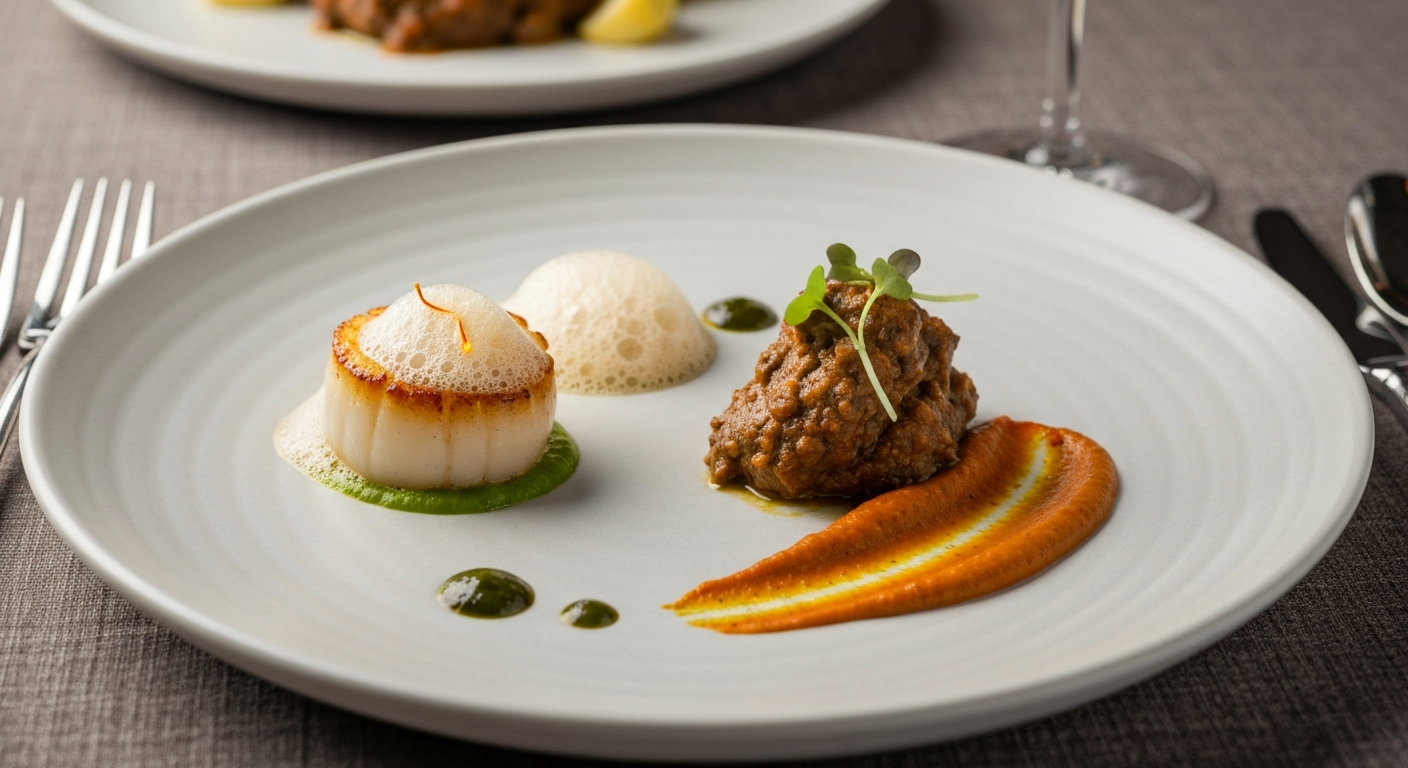
Hotel dining has evolved far beyond mere convenience for guests. Today, hotel restaurants are expected to be culinary destinations, offering unique and memorable experiences that attract both travelers and local patrons. In this competitive landscape, innovation is key. One of the most compelling avenues for culinary creativity and differentiation is the thoughtful integration of global flavors. This article explores how hotels can develop an exceptional hotel restaurant Indian fusion menu, blending authentic Indian flavors with existing non-Indian restaurant concepts to create distinctive and appealing dishes.
The Strategic Advantage of an Indian Fusion Menu for Hotels
Integrating Indian flavors into a diverse culinary portfolio offers significant advantages for hotel operators and chefs:
Broadening Appeal and Attracting New Demographics
The global appreciation for Indian cuisine is on a steep rise. By subtly weaving these flavors into existing menus, hotels can tap into a wider demographic, including those seeking adventurous palates, international travelers, and local food enthusiasts who appreciate sophisticated culinary blends. It signals a restaurant that is globally aware and innovative without alienating its core clientele.
Culinary Versatility and Depth
Indian cuisine is renowned for its incredible diversity of spices, aromatic bases, and cooking techniques. This complexity provides a rich palette for fusion. From the bright tang of tamarind to the earthy warmth of cumin, the floral notes of cardamom, or the robust heat of chili, Indian flavors can elevate, complement, or transform dishes from virtually any other cuisine. This versatility allows chefs to experiment with new dimensions of taste and aroma, breathing new life into classic dishes.
Differentiation in a Competitive Market
Many hotel restaurants offer similar international menus. A well-executed Indian fusion approach provides a distinct competitive edge. Instead of simply adding an "Indian night," hotels can create signature dishes that are uniquely their own, fostering a reputation for culinary excellence and creativity. This can lead to increased patronage, positive reviews, and a stronger brand identity for the hotel's dining establishments.
Operational Efficiency with Authentic Bases
Crafting authentic Indian dishes from scratch requires specialized knowledge, extensive prep time, and a wide array of spices. For hotels managing multiple kitchens or high-volume operations, consistency and efficiency are paramount. This is where high-quality, pre-prepared Indian gravies and pastes become invaluable. Products like those from MITRA allow kitchens to deliver authentic Indian flavor profiles consistently, without the need for specialized training for every chef or extensive spice inventories. This significantly reduces labor costs, streamlines operations, and minimizes waste.
Understanding the Core of Indian Flavors for Fusion
Successful fusion isn't about haphazardly mixing ingredients; it's about understanding the foundational elements of each cuisine and finding harmonious points of convergence. For Indian flavors, this means appreciating:
- The Role of Aromatics: Ginger, garlic, and onion form the ubiquitous aromatic base (often called "bhuna" or "masala") for many Indian dishes, providing a deep umami foundation.
- The Spice Palette: Beyond common spices like cumin, coriander, and turmeric, regional Indian cuisine employs a vast array of whole and ground spices, each contributing unique notes – from the pungency of mustard seeds to the sweetness of cinnamon and cloves, or the smoky heat of Kashmiri chili.
- Sourness and Tang: Ingredients like tamarind, kokum, dried mango powder (amchur), and yogurt provide essential sour notes that balance richness and heat.
- Richness and Body: Cream, coconut milk, nuts (cashews, almonds), and lentils contribute texture and mouthfeel, creating luxurious gravies.
- Regional Diversity: India's culinary landscape is incredibly diverse. North Indian cuisine often features rich, creamy gravies and tandoor-cooked meats, while South Indian dishes might be lighter, spicier, and incorporate coconut and curry leaves. Understanding these nuances allows for more precise and thoughtful fusion.
Crafting a Sophisticated Hotel Restaurant Indian Fusion Menu
Here are practical strategies for integrating Indian flavors across various dining concepts within a hotel:
1. Appetizers and Small Plates: Global Favorites, Indian Twist
Small plates are an ideal entry point for fusion, allowing guests to sample new flavor combinations without committing to a full entrée. Think about familiar formats with an unexpected Indian element:
- Tandoori Chicken Skewers with Mint-Coriander Aioli: A classic tandoori marinade applied to chicken, served with a refreshing, vibrant aioli instead of traditional chutney.
- Paneer Tikka Bruschetta: Marinated and grilled paneer (Indian cheese) replacing mozzarella or feta on toasted bread, perhaps with a tomato-onion relish spiced with cumin and fenugreek.
- Spiced Lamb or Vegetable Samosa Spring Rolls: A beloved Indian snack reinterpreted with a lighter, crispier wrapper and served with a sweet chili dipping sauce.
- Curried Arancini: Risotto balls infused with a subtle curry powder or garam masala, perhaps with a creamy paneer or vegetable filling.
2. Main Courses: Reimagining Classics with Indian Gravies
Indian gravies are natural sauces that can transform proteins and carbohydrates from other cuisines. This is a prime area for a distinctive hotel restaurant Indian fusion menu.
- Butter Chicken Pasta: A rich, creamy butter chicken gravy (often called Murgh Makhani) served as a sauce for pasta, perhaps with grilled chicken or chickpeas.
- Goan Fish Curry Tacos/Burritos: Flaky white fish cooked in a tangy, spicy Goan-style curry, served in tortillas with a fresh cabbage slaw and a hint of lime.
- Lamb Shank Rogan Josh with Polenta or Risotto: A slow-braised lamb shank in the aromatic, Kashmiri Rogan Josh gravy, presented with creamy polenta or saffron-infused risotto instead of rice.
- Paneer Tikka Pizza: A thin-crust pizza topped with a spicy tomato base, marinated paneer tikka, bell peppers, and onions, perhaps with a drizzle of mint chutney post-bake.
- Curried Duck Breast with Lentil Puree: Seared duck breast served alongside a smooth, subtly spiced lentil puree (dal) and perhaps some roasted root vegetables with a light Indian spice blend.
3. Sides and Accompaniments: Elevating the Everyday
Even side dishes can carry a touch of Indian flair, enhancing the overall dining experience:
- Spiced Roasted Vegetables: Broccoli, carrots, or potatoes roasted with a light coating of turmeric, cumin, and coriander.
- Naan Bread as a Side: Offer warm naan as a bread option alongside non-Indian main courses, perfect for dipping into rich sauces.
- Coconut Rice Pilaf: A fragrant rice dish made with coconut milk and tempered with mustard seeds and curry leaves, a versatile alternative to plain rice.
- Indian-Spiced Vinaigrettes: Dressings for salads infused with mango, tamarind, or a touch of chaat masala.
4. Breakfast and Brunch: A Zesty Start
Breakfast and brunch offer ample opportunities for subtle infusion:
- Masala Omelets/Scrambled Eggs: Eggs cooked with finely chopped onions, green chilies, coriander, and a pinch of turmeric.
- Curry Leaf Potato Hash: Classic potato hash elevated with the aromatic tempering of mustard seeds and fresh curry leaves.
- Masala Chai Lattes: A fragrant, spiced tea latte as a premium beverage option.
5. Desserts: Sweet Endings with an Exotic Touch
Indian desserts often feature unique spices and ingredients that translate beautifully into fusion creations:
- Cardamom Panna Cotta: A classic Italian dessert infused with the warm, floral notes of green cardamom.
- Mango Lassi Cheesecake: A creamy cheesecake with the vibrant flavor of mango and the tang of yogurt, reminiscent of the popular Indian drink.
- Pistachio Kulfi Semifreddo: A frozen Italian dessert with the rich, nutty flavor of Indian kulfi (ice cream).
Operational Excellence: Sourcing Authentic Indian Gravies and Pastes
For hotels, maintaining consistency and authenticity across multiple outlets and chefs can be a significant challenge when introducing new cuisines. This is where partnering with a reliable B2B supplier of chef-grade Indian gravies and pastes becomes critical.
MITRA, a brand by ODOD LLC, specializes in providing professional kitchens with high-quality, authentic Indian food bases. Our products are manufactured to stringent international standards, ensuring consistent flavor, quality, and safety. This allows hotel kitchens to:
- Ensure Authenticity: Deliver genuine Indian flavor profiles without needing extensive training for every culinary team member.
- Guarantee Consistency: Achieve the same exceptional taste and quality across all hotel properties and every service.
- Optimize Labor Costs: Significantly reduce prep time, as complex spice blends and slow-cooked bases are already perfected.
- Minimize Waste: Utilize precisely portioned and shelf-stable products, cutting down on spoilage of fresh ingredients and less-used spices.
- Scale Operations: Easily expand fusion menu offerings across multiple dining concepts and locations without compromising quality.
Our products are manufactured under strict quality controls and hold certifications including FSSAI, US FDA, ISO, Halal, HACCP, and GMP, reflecting our commitment to safety and excellence. We serve a growing list of countries including the USA, Canada, UK, UAE, Australia, Germany, Italy, India, France, Ireland, Switzerland, and Netherlands, with new markets continuously being added.
For hotels looking to explore a hotel restaurant Indian fusion menu, our minimum order quantity is a 50 kg MOQ. We understand the demands of professional kitchens, which is why we offer efficient shipping. If a product is in stock in our US (Houston) or local-country warehouse, it ships in 2 days. For items not currently in stock, the lead time is 35-60 days, and customers are notified immediately of any delay, ensuring transparent communication and planning for your culinary needs.
Seamless Integration: Beyond the Plate
Beyond the ingredients, successful fusion also involves:
- Staff Training: Educate front-of-house staff on the origin of the flavors and the inspiration behind each fusion dish, enabling them to confidently describe and recommend items.
- Menu Descriptions: Use evocative and informative language that highlights both the Indian and non-Indian elements of each dish.
- Guest Feedback: Introduce new fusion items as specials initially to gauge guest reactions and refine recipes before a full menu launch.
Conclusion
Developing a sophisticated hotel restaurant Indian fusion menu is a powerful strategy for culinary innovation, differentiation, and attracting a broader customer base. By thoughtfully integrating the rich and diverse flavors of Indian cuisine into existing concepts, hotels can create unique dining experiences that resonate with today's adventurous diners. Partnering with MITRA ensures that your kitchen has access to authentic, high-quality Indian gravies and pastes, allowing your chefs to focus on creativity and execution while guaranteeing consistency and efficiency across your operations.
Elevate your hotel's dining experience and embark on a flavorful journey of fusion. To learn more about our range of chef-grade Indian gravies, pastes, and sauces, or to request a quote and samples, please visit ododgroup.com today.