
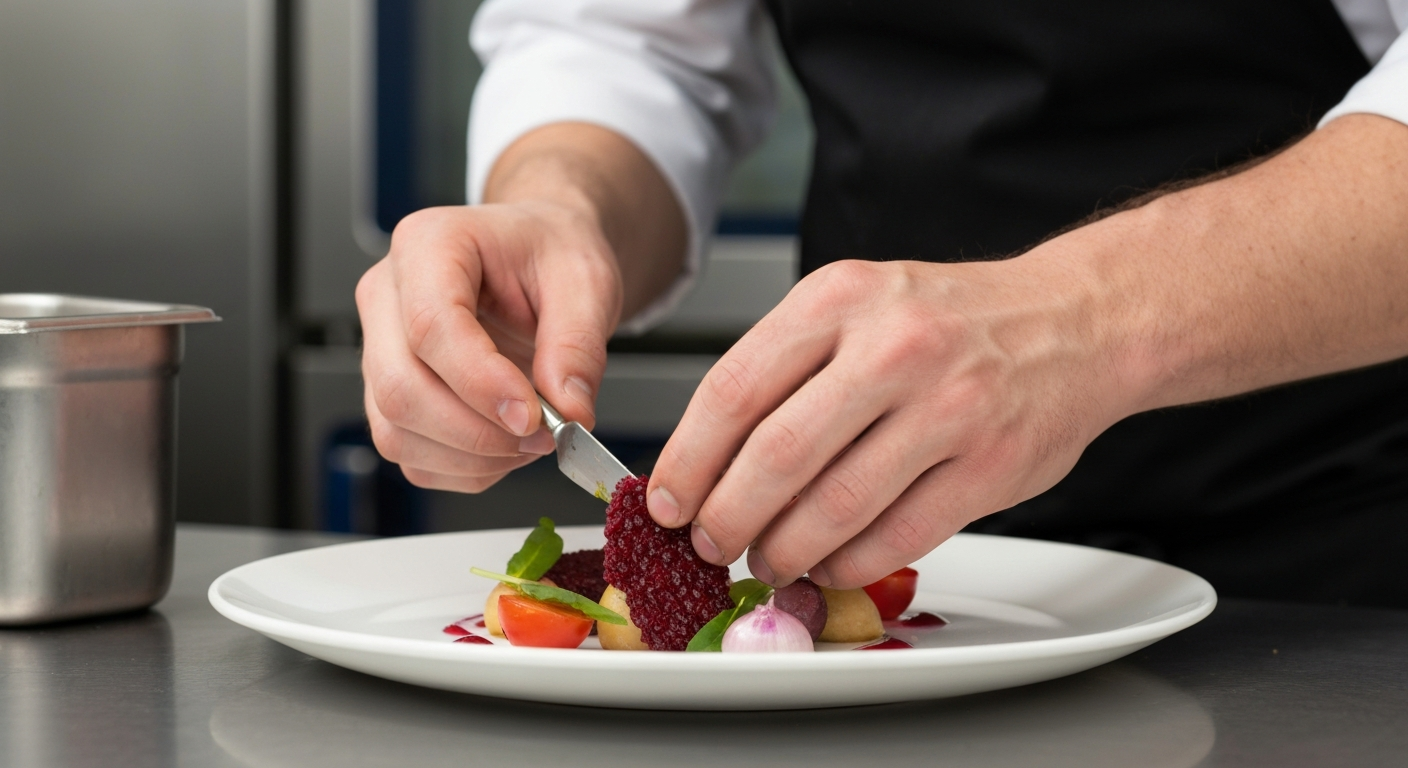
The culinary landscape is constantly evolving, and perhaps nowhere is this more evident than in the expectations of the next generation of chefs. For restaurant owners and operators specializing in Indian cuisine, understanding and adapting to these shifts is crucial not just for staff retention, but for the very future-proofing of their establishments. The challenge lies in balancing the traditional, labor-intensive demands of Indian cooking with the modern professional's desire for efficiency, creativity, and a sustainable work-life balance. This article explores how streamlining Indian menus and kitchen operations can be a powerful strategy for attracting young culinary talent in Indian cuisine and fostering a thriving, innovative environment.
The New Culinary Generation: What Drives Them?
Today's aspiring chefs are entering the industry with a different set of priorities than their predecessors. While passion for food remains paramount, they also seek:
- Work-Life Balance: The days of glorifying grueling, 16-hour shifts are fading. Young chefs are keenly aware of mental and physical well-being and seek environments that promote healthier hours and predictable schedules.
- Opportunities for Creativity and Learning: They want to contribute more than just repetitive prep work. Access to diverse ingredients, opportunities to experiment with techniques, and a chance to develop new dishes are highly valued.
- Modern Tools and Efficiency: Having grown up in a technologically advanced world, they expect kitchens to leverage efficiency-boosting tools and optimized workflows, rather than relying solely on brute force and manual labor.
- Career Growth and Mentorship: Young talent looks for clear pathways for advancement, ongoing training, and mentors who can guide their professional development.
- Respect and Professionalism: A kitchen culture built on mutual respect, clear communication, and professional conduct is far more appealing than one characterized by high stress and a toxic atmosphere.
Traditional vs. Modern Indian Kitchens: A Talent Perspective
Traditional Indian kitchens, while producing incredible flavors, are often synonymous with extensive mise en place, long cooking times for base gravies, and a significant reliance on skilled labor for every stage of preparation. For an owner, this means high labor costs, potential inconsistencies, and a higher barrier to entry for new staff. For a young chef, it can mean spending a disproportionate amount of time on repetitive, foundational tasks rather than on the nuanced art of finishing dishes or innovating.
The Burden of Back-End Prep (and how to alleviate it)
Consider the daily grind: peeling and chopping mountains of onions and garlic, slow-roasting tomatoes, grinding fresh spices, and simmering base gravies for hours. While essential for authentic flavor, these tasks are time-consuming, physically demanding, and often viewed as less creatively fulfilling. A modern Indian kitchen seeks to mitigate this burden without compromising quality.
By adopting high-quality, pre-prepared ingredients for these foundational elements, kitchens can dramatically reduce prep time. This doesn't mean sacrificing authenticity; it means leveraging expertly crafted gravies and pastes that provide a consistent, rich base, allowing chefs to focus their skills on specific dish execution, seasoning, and presentation.
Fostering Creativity Over Repetition
When a chef spends eight hours a day chopping vegetables and stirring a pot of simmering gravy, their creative energy is depleted. A streamlined kitchen, by contrast, frees up this energy. It allows chefs to:
- Experiment with new flavor combinations and regional specialties.
- Develop unique garnishes and plating techniques.
- Focus on advanced cooking methods and precision.
- Engage in menu development and seasonal specials.
This shift from rote labor to creative application is a powerful draw for ambitious young chefs seeking to leave their mark on the culinary world.
Streamlining Operations: The Key to Attracting Young Culinary Talent Indian Cuisine
Implementing operational efficiencies is not just about cost savings; it's a strategic move to create a more attractive and sustainable work environment. Here’s how:
Leveraging High-Quality, Ready-to-Use Ingredients
The most impactful step in streamlining an Indian kitchen is the intelligent integration of high-quality, ready-to-use gravies, pastes, and sauces. Products like those from MITRA, designed for professional kitchens, offer a consistent foundation that would otherwise demand significant labor and time.
Imagine the time saved by eliminating hours of onion caramelization, tomato reduction, or intricate spice grinding. This allows the kitchen team to produce dishes faster, with guaranteed consistency, and significantly reduces the need for extensive, often expensive, skilled labor dedicated purely to base preparation.
Our products are manufactured to stringent international standards, holding certifications such as FSSAI, US FDA, ISO, Halal, HACCP, and GMP. These certifications ensure not only food safety and quality but also reliability and consistency, which are critical for professional kitchens aiming to deliver a uniform product every time. By using these foundational elements, chefs can confidently build a diverse menu, knowing that the core flavors are authentic and consistently excellent.
Standardizing Procedures and Workflows
Beyond ingredients, standardizing kitchen procedures creates a more predictable and less chaotic environment. This includes:
- Recipe Standardization: Detailed, easy-to-follow recipes ensure consistency regardless of which chef is on duty. This also simplifies training for new team members.
- Station Organization: Clearly defined roles and well-organized stations improve flow and reduce bottlenecks.
- Batch Cooking (Strategic): While ready-to-use gravies handle the core, strategic batch cooking for certain elements (e.g., specific vegetable preparations, rice) can further enhance efficiency.
These measures contribute to a calmer kitchen, which is highly appealing to young talent seeking a less stressful workplace.
Technology Integration
Modern kitchens embrace technology to enhance efficiency:
- Inventory Management Systems: Reduce waste and ensure ingredients are always available, preventing last-minute rushes.
- POS Systems: Streamline order taking and kitchen communication.
- Digital Training Resources: Provide easily accessible training materials for new hires, including videos and step-by-step guides for using pre-prepared bases and finishing dishes.
Empowering Creativity and Skill Development
When the foundational work is handled efficiently, chefs gain invaluable time to hone their craft and explore culinary innovation. This is where a modern Indian kitchen truly shines in attracting young culinary talent in Indian cuisine.
Beyond the Basics: Advanced Techniques and Regional Exploration
Instead of spending hours on a basic curry base, chefs can now:
- Master complex tandoor techniques.
- Delve into the nuances of regional Indian cuisines, from the subtle flavors of Kashmiri rogan josh to the fiery notes of Goan vindaloo, using a consistent base for experimentation.
- Develop fusion dishes that blend Indian flavors with global culinary trends.
- Focus on advanced plating and presentation, transforming a dish into a visual masterpiece.
This intellectual stimulation and opportunity for skill diversification are powerful motivators for ambitious chefs.
Mentorship and Growth Opportunities
With less time spent on basic prep, senior chefs have more bandwidth to mentor junior staff. This creates a positive learning environment where knowledge is shared, and young chefs feel invested in. Clear career paths, from line cook to sous chef to executive chef, become more tangible when the daily operations are less about sheer labor and more about skill application and leadership.
The Business Case: Beyond Talent Acquisition
Streamlining operations offers a multitude of benefits that extend far beyond simply attracting young culinary talent in Indian cuisine.
Consistency and Quality: The MITRA Advantage
One of the biggest challenges in any kitchen, especially Indian cuisine, is maintaining consistency across shifts and chefs. MITRA's professional-grade gravies and pastes eliminate this variability for core components. Every batch of Butter Chicken, for instance, will start with the same rich, perfectly balanced makhani gravy, ensuring a consistent flavor profile that customers come to expect and love. This consistency builds customer loyalty and reinforces your restaurant's brand reputation.
Our products are produced under strict quality control measures, adhering to certifications like FSSAI, US FDA, ISO, Halal, HACCP, and GMP. This commitment to quality and safety provides peace of mind for restaurant operators, knowing they are serving products that meet the highest international standards.
Cost Savings and Reduced Waste
- Reduced Labor Costs: Less time spent on extensive prep means fewer hours for prep cooks or allows existing staff to focus on higher-value tasks.
- Reduced Ingredient Waste: Pre-prepared gravies and pastes have longer shelf lives and eliminate waste from spoiled fresh produce or over-prepped ingredients. Accurate portioning also reduces waste at the dish level.
- Energy Savings: Less time required for long simmering processes translates to lower utility bills.
Scalability and Expansion
For restaurant groups or entrepreneurs looking to expand, streamlined operations are indispensable. Replicating a successful Indian menu across multiple locations becomes significantly easier when core components are consistent and efficient to prepare. This scalability is a vital factor for growth in the competitive restaurant industry.
Partnering for Success: How ODOD LLC Supports Modern Indian Kitchens
ODOD LLC, through our MITRA brand, is committed to empowering professional kitchens with high-quality, authentic Indian gravies, pastes, sauces, rice, and spices. We understand the demands of modern restaurant operations and offer solutions that address both efficiency and culinary excellence. Our products are manufactured to the highest standards, ensuring consistency, safety, and authentic flavor.
We serve a growing list of countries, including the USA, Canada, UK, UAE, Australia, Germany, Italy, India, France, Ireland, Switzerland, and the Netherlands. Our minimum order quantity (MOQ) is 50 kg, designed to meet the needs of professional kitchens. For products in stock in our US (Houston) or local-country warehouses, shipping is typically within 2 days. If a product is not in stock, the lead time is 35-60 days, and customers are notified immediately of any potential delay.
Conclusion
The future of Indian cuisine in professional kitchens lies in embracing modernity without sacrificing authenticity. By streamlining operations, leveraging high-quality ready-to-use ingredients, and fostering an environment that prioritizes efficiency, creativity, and career development, restaurants can successfully address the challenge of attracting young culinary talent in Indian cuisine. This strategic approach not only creates a more appealing workplace but also leads to greater consistency, reduced costs, and enhanced customer satisfaction, ultimately future-proofing your culinary business for years to come.
Ready to transform your kitchen and attract the next generation of culinary stars? Inquire about our professional-grade Indian gravies, pastes, and spices at ododgroup.com today to request a quote or sample.