
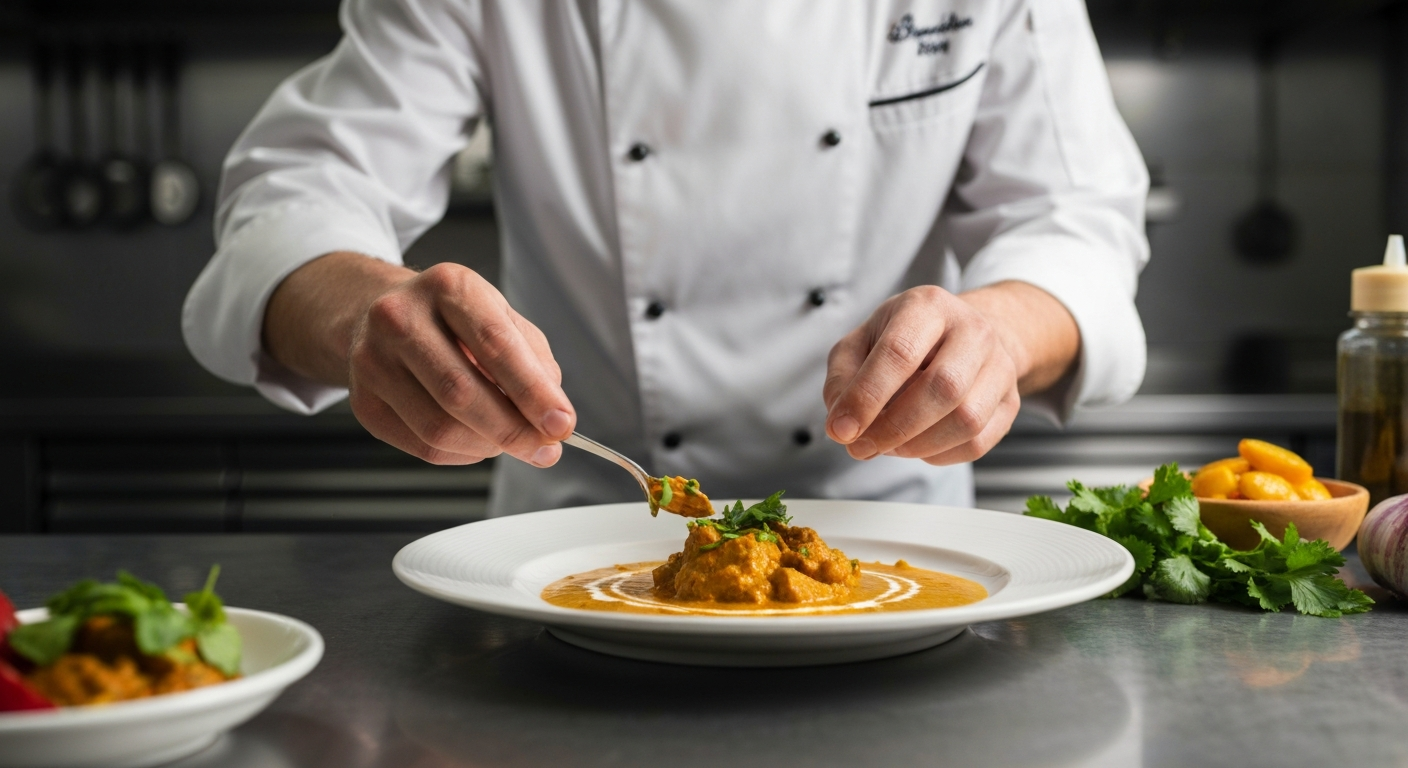
In the demanding world of professional kitchens, challenges such as staffing shortages, the need for consistent quality, and the complexity of diverse cuisines frequently test operational resilience. For restaurants aiming to serve authentic Indian cuisine, these challenges are often amplified by the intricate techniques and extensive preparation times traditionally associated with the culinary tradition. However, a strategic shift towards scalable Indian culinary systems offers a powerful solution, not only streamlining operations but critically, fostering indian cuisine chef empowerment foodservice by developing the skills and confidence of junior culinary staff.
This article explores how adopting high-quality, pre-prepared Indian gravies, pastes, and sauces can transform your kitchen, enabling junior chefs to master complex flavors, expand their repertoire, and contribute more meaningfully to your culinary success, thereby future-proofing your business against common industry hurdles.
The Indian Culinary Landscape: A Dual Challenge for Modern Kitchens
Indian cuisine is celebrated globally for its vibrant flavors, aromatic spices, and diverse regional specialties. From the rich, creamy gravies of North India to the fiery curries of the South, each dish is a testament to centuries of culinary evolution. Yet, this very richness often presents significant hurdles in a commercial kitchen setting:
- Complexity of Preparation: Many traditional Indian dishes involve multi-stage cooking processes, precise tempering of spices (tadka), long simmering times for gravies, and meticulous ingredient preparation. Mastering these techniques requires years of dedicated practice.
- Extensive Mise en Place: The sheer volume of ingredients, fresh spices, and aromatic bases needed for a comprehensive Indian menu can be overwhelming. Prep work alone can consume significant labor hours.
- Consistency Challenges: Achieving consistent flavor and texture across different shifts and culinary staff can be difficult, particularly when relying on individual chefs' interpretations and varying skill levels.
- Staffing Shortages and Skill Gaps: The foodservice industry faces persistent challenges in recruiting and retaining skilled culinary professionals. For Indian cuisine, finding chefs proficient in traditional methods is even more specialized. This leaves junior chefs with limited opportunities for hands-on experience beyond basic prep, hindering their skill development and confidence.
These factors combine to create operational bottlenecks, increase labor costs, and can limit a restaurant's ability to expand its Indian menu offerings or maintain consistent quality across all locations. The goal is to bridge the gap between the authentic complexity of Indian food and the operational realities of a high-volume professional kitchen.
The Path to Empowerment: Scalable Indian Culinary Systems
Scalable Indian culinary systems refer to a range of professionally prepared, chef-grade gravies, pastes, and sauces that form the foundational elements of many Indian dishes. These are not shortcuts that compromise authenticity, but rather expertly crafted bases designed to deliver consistent, high-quality flavor profiles. They embody the essence of traditional Indian cooking, having undergone the time-consuming and labor-intensive stages of slow-cooking, spice blending, and flavor development.
By integrating these systems, kitchens can:
- Standardize Foundational Flavors: Ensure that the base flavor of every butter chicken, tikka masala, or korma is identical, regardless of who is cooking.
- Reduce Prep Time Drastically: Eliminate hours of chopping, grinding, sautéing, and simmering required to create gravies from scratch.
- Minimize Ingredient Waste: Pre-portioned or bulk-prepared bases reduce spoilage of fresh ingredients and ensure efficient usage.
- Improve Operational Flow: Kitchen staff can focus on finishing dishes, plating, and managing orders, rather than being tied up with lengthy base preparations.
This approach frees up valuable resources – time, labor, and ingredients – which can then be reinvested into other areas, most notably, the development and empowerment of your culinary team.
Indian Cuisine Chef Empowerment Foodservice: Building Skills and Confidence
The most significant benefit of adopting scalable Indian culinary systems is their profound impact on junior chefs. Instead of being relegated to basic prep tasks or intimidated by the perceived complexity of Indian cooking, these systems provide a structured pathway for accelerated learning and genuine indian cuisine chef empowerment foodservice.
Accelerated Skill Development
With the foundational gravies and pastes already perfected, junior chefs can immediately engage in more advanced and impactful culinary tasks. Their focus shifts from grinding spices and simmering onions for hours to:
- Protein Preparation and Cooking: Mastering the searing of paneer, grilling of chicken tikka, or slow-cooking of lamb, ensuring perfect texture and doneness.
- Vegetable Sautéing and Blending: Learning how to properly cook and integrate vegetables into a curry, maintaining their texture and flavor.
- Finishing Techniques: Understanding the art of tempering (tadka) for a final aromatic flourish, garnishing with fresh herbs, or adding a touch of cream for richness.
- Flavor Balancing and Adjustment: Developing an understanding of how to adjust salt, acidity, and spice levels to achieve a perfectly balanced dish.
This hands-on experience in actual cooking, rather than just prep, is invaluable for rapid skill acquisition.
Building Confidence and Creativity
Successfully executing authentic and delicious Indian dishes from a high-quality base instills a profound sense of accomplishment in junior chefs. This newfound confidence encourages them to:
- Experiment with Variations: Once they understand the core flavors, they can explore subtle variations, incorporate seasonal ingredients, or adapt dishes to specific dietary needs.
- Focus on Presentation: With less pressure on the foundational cooking, they can dedicate more attention to the visual appeal of dishes, enhancing the overall dining experience.
- Propose New Menu Items: As their understanding deepens, they may feel empowered to suggest new dishes or creative twists on existing ones, contributing to menu innovation.
Expanding Culinary Horizons
By simplifying the most time-consuming aspects, junior chefs gain exposure to a broader range of regional Indian dishes more quickly. They are not confined to mastering one or two complex gravies but can work across an entire menu, becoming more versatile and valuable members of the team. This broader exposure is crucial for their long-term career development.
Effective Mentorship and Leadership Development
Senior chefs, no longer burdened by constant oversight of basic gravy preparation, can shift their focus to higher-level mentorship. They can dedicate time to:
- Advanced Training: Teaching nuanced techniques, complex spice blends for specialty items, or the art of balancing flavors for truly exceptional dishes.
- Menu Innovation and R&D: Collaborating with junior chefs on new recipe development and menu expansions.
- Leadership Skills: Guiding junior staff on kitchen management, inventory control, and effective communication, preparing them for future leadership roles.
This creates a more collaborative and educational kitchen environment, fostering growth at all levels.
Operational Excellence Through Empowerment
The empowerment of junior chefs through scalable Indian culinary systems directly translates into tangible operational benefits for your restaurant:
Unwavering Consistency
Consistency is the cornerstone of a successful restaurant. With standardized bases, every dish leaving your kitchen will meet the same high-quality and flavor standards, regardless of the chef on duty. This builds customer trust and reinforces your brand's reputation for authenticity and excellence.
Enhanced Efficiency and Speed of Service
Reduced prep times mean faster plate times, especially during peak hours. Your kitchen can handle higher volumes without compromising quality or increasing stress levels. This efficiency directly impacts customer satisfaction and table turnover.
Cost Control and Waste Reduction
Scalable systems offer predictable ingredient costs and minimize spoilage associated with fresh, perishable components. Labor hours dedicated to basic, time-consuming prep are significantly reduced, optimizing your overall operational budget.
Menu Agility and Expansion
With a reliable foundation, introducing new Indian dishes or seasonal specials becomes a much simpler process. Your kitchen can adapt quickly to market trends or customer preferences without extensive training periods or specialized hiring, keeping your menu fresh and exciting.
Improved Staff Retention
An empowered and skilled culinary team is a happy and motivated team. Investing in their development through practical, hands-on experience, rather than repetitive tasks, boosts morale, fosters loyalty, and ultimately leads to better staff retention in a highly competitive industry.
Partnering for Success: The MITRA Advantage
Choosing the right culinary partner is paramount to successfully implementing scalable Indian culinary systems. ODOD LLC, through its MITRA brand, is committed to supplying chef-grade Indian gravies, pastes, sauces, rice, and spices that meet the exacting standards of professional kitchens.
Our products are manufactured to stringent quality and safety standards, holding essential certifications including FSSAI, US FDA, ISO, Halal, HACCP, and GMP. This ensures that every product you receive is of the highest quality, authentic in flavor, and safe for your patrons.
We understand the demands of the foodservice industry, which is why we offer flexible ordering and reliable logistics. Our minimum order quantity is a 50 kg MOQ, designed to cater to professional operations. For products in stock in our US (Houston) or local-country warehouses, shipping typically occurs within 2 days. If a product is not immediately in stock, the lead time is generally 35-60 days, and customers are notified immediately of any potential delays, ensuring transparent communication.
MITRA currently serves a growing list of countries, including the USA, Canada, UK, UAE, Australia, Germany, Italy, India, France, Ireland, Switzerland, and Netherlands, with an expanding global footprint.
By partnering with MITRA, you gain access to a reliable supply of authentic, high-quality Indian culinary bases that enable your kitchen to thrive, empower your junior chefs, and consistently deliver exceptional dining experiences.
Conclusion
In an era where operational efficiency and staff development are critical for restaurant survival and growth, scalable Indian culinary systems offer a strategic advantage. They not only simplify the inherent complexities of Indian cuisine but, more importantly, create an environment for indian cuisine chef empowerment foodservice.
By providing junior chefs with the tools to confidently execute authentic dishes, you accelerate their skill development, boost their confidence, and expand their culinary horizons. This investment in your team translates directly into unparalleled consistency, enhanced kitchen efficiency, better cost control, and ultimately, a more resilient and successful restaurant operation. Future-proof your kitchen by empowering your most valuable asset: your culinary talent.
Explore how MITRA products can transform your kitchen operations and empower your culinary team. Visit ododgroup.com to request a quote, sample, or discuss wholesale inquiries.