
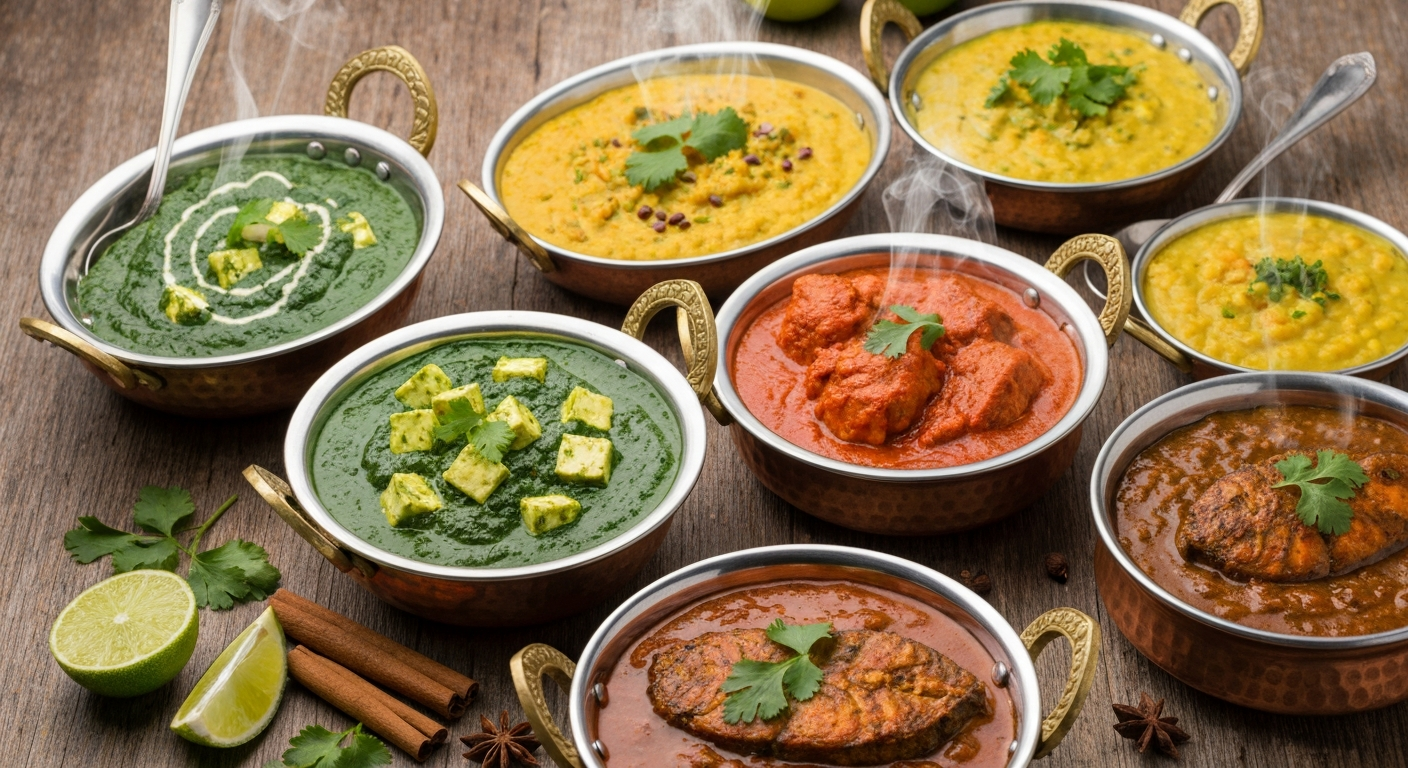
The culinary landscape is in constant flux, driven by an increasingly informed and adventurous consumer base. For restaurants specializing in Indian cuisine, staying abreast of indian cuisine consumer trends foodservice is not just an advantage—it's a necessity for sustained growth and relevance. Modern diners seek more than just traditional dishes; they demand authenticity, health-conscious options, convenience, and a story behind their food. This article explores how professional kitchens can strategically adapt their Indian menus to meet these evolving demands, ensuring a future-proof operation that delights customers and optimizes efficiency.
Understanding Key Indian Cuisine Consumer Trends in Foodservice
To effectively adapt, it's crucial to first understand the forces shaping consumer preferences. These trends are not fleeting fads but fundamental shifts in how people approach food, offering significant opportunities for innovation within Indian cuisine.
Demand for Regional Authenticity Beyond the Classics
While dishes like Butter Chicken, Chicken Tikka Masala, and Naan remain popular, an increasing number of diners are exploring the vast regional diversity of India. They are seeking out less common, yet equally flavorful, specialties from states like Kerala, Goa, West Bengal, and Rajasthan. This trend reflects a desire for deeper cultural immersion and a more authentic culinary experience. Restaurants that can introduce dishes like Goan Fish Curry, Bengali Kosha Mangsho, or Rajasthani Laal Maas, prepared with genuine regional spice blends and techniques, will capture the attention of these discerning patrons. The challenge lies in sourcing and preparing these diverse ingredients consistently, which is where high-quality, pre-prepared bases become invaluable.
Health and Wellness Focus: Plant-Based, Gluten-Free, and Low-Carb Adaptations
Health consciousness continues to be a dominant trend. Consumers are actively looking for dishes that align with their dietary goals, whether that means plant-based, gluten-free, or lower-carb options. Indian cuisine, with its rich tradition of vegetarianism and reliance on legumes, vegetables, and spices, is uniquely positioned to meet these demands.
- Plant-Based Power: The rise of vegan and vegetarian diets is a global phenomenon. Indian restaurants can capitalize on this by expanding their plant-based offerings beyond standard paneer dishes. Think vibrant lentil stews (dals), diverse vegetable curries, and innovative plant-based protein options that showcase the versatility of Indian spices.
- Gluten-Free Options: Many traditional Indian dishes are naturally gluten-free, such as those based on rice, lentils, or chickpea flour (besan). Highlighting these options and ensuring cross-contamination protocols are in place can attract a significant segment of the market. Offering gluten-free bread alternatives or clearly labeling naturally gluten-free gravies is also crucial.
- Low-Carb Adaptations: For diners monitoring carbohydrate intake, offering options like cauliflower rice, low-carb vegetable curries, or protein-rich dishes without heavy rice or bread accompaniments can be appealing.
Convenience and Speed: The Rise of Delivery and Takeout
Modern lifestyles demand convenience. The boom in food delivery and takeout services has fundamentally altered how restaurants operate. Indian cuisine, with its saucy dishes and robust flavors, travels well, making it a natural fit for off-premise dining. Restaurants must optimize their menus and packaging for delivery, ensuring dishes maintain their quality and presentation from kitchen to customer. This includes considering how gravies hold up, how rice stays warm, and how components can be easily reheated without compromising taste or texture.
Sustainability and Ethical Sourcing
While not always explicitly stated, an underlying consumer preference for ethically sourced and sustainably produced food is growing. Though specific claims should be verified, a general commitment to responsible practices in the supply chain can resonate with customers who prioritize environmental and social responsibility. This can manifest in highlighting fresh, seasonal ingredients or working with suppliers who adhere to transparent sourcing practices.
Global Fusion and Modern Interpretations
Indian cuisine is also a canvas for culinary creativity. Fusion dishes, which blend Indian flavors with techniques or ingredients from other cuisines, can attract a younger, more adventurous demographic. This might include Indian-spiced tacos, curried pizzas, or innovative desserts that incorporate traditional Indian sweets with Western elements. The key is to maintain a balance, ensuring the Indian essence remains recognizable while offering a fresh perspective.
Integrating New Flavors and Dietary Preferences Seamlessly
Successfully adapting to these trends requires more than just adding a few new dishes. It involves strategic menu planning, operational adjustments, and often, leveraging high-quality ingredients that simplify complex preparations.
Expanding Your Gravy & Sauce Palette
Gravies are the heart of Indian cuisine. To cater to the demand for regional authenticity, consider expanding your repertoire beyond the ubiquitous makhani (butter chicken sauce) or korma. Introducing gravies inspired by southern Indian coconut-based curries, eastern Indian mustard-infused sauces, or western Indian spicy preparations can significantly diversify your menu. This allows for a broader range of protein and vegetable applications, keeping your menu fresh and exciting.
Plant-Based Power: Elevating Vegetarian and Vegan Indian Options
Go beyond paneer. Explore the vast world of Indian vegetables, lentils, and legumes. Offer innovative plant-based protein dishes using tempeh, tofu, or jackfruit, marinated and cooked in authentic Indian spice blends. Showcase the natural richness of dishes like `Dal Makhani`, `Chana Masala`, `Aloo Gobi`, or `Bhindi Masala`, ensuring they are prepared with vegan-friendly ingredients (e.g., using oil instead of ghee if aiming for strict veganism). Clearly labeling these options on your menu is vital for attracting plant-forward diners.
Accommodating Allergen-Free and Special Diets
This requires careful attention to ingredients and kitchen processes. For gluten-free options, ensure your gravies are thickened with naturally gluten-free agents (like chickpea flour or nuts, if not a nut-free environment) and avoid cross-contamination with wheat-based products. For dairy-free dishes, substitute coconut milk or plant-based yogurts where appropriate. Clearly communicate allergen information to both staff and customers. Utilizing pre-prepared gravies and bases from reputable suppliers that provide detailed ingredient lists and allergen information can significantly streamline this process and reduce risk.
Leveraging Pre-Prepped Solutions for Efficiency
Crafting authentic Indian dishes, especially regional specialties, often requires extensive prep time, specialized knowledge, and a wide array of spices. This can be a significant bottleneck for busy professional kitchens. High-quality, chef-grade gravies, pastes, and sauces offer a powerful solution. They allow kitchens to maintain consistency, reduce labor costs, and expand their menu offerings without compromising on authenticity or quality. By using pre-prepped bases, chefs can focus on finishing touches, protein preparation, and presentation, rather than spending hours grinding spices and slow-cooking gravies from scratch.
Operational Benefits of Adapting to Trends
Embracing indian cuisine consumer trends foodservice offers more than just customer satisfaction; it brings tangible operational advantages to your kitchen.
Cost Control and Waste Reduction
By utilizing versatile, pre-prepped gravies and sauces, kitchens can streamline inventory management. Instead of stocking dozens of individual spices and fresh ingredients for every regional dish, a core set of high-quality bases can be used across multiple menu items. This reduces spoilage, minimizes waste, and allows for more predictable food costs. Furthermore, consistent product yields from pre-prepared components lead to better portion control.
Consistency and Quality Across Locations
For multi-unit restaurants, cloud kitchens, or catering operations, maintaining consistent quality across all outlets is paramount. Pre-prepared, chef-grade gravies ensure that every dish, regardless of the chef or location, adheres to the same high standards of flavor and texture. This uniformity builds brand trust and customer loyalty.
Staff Training and Skill Gaps
Training staff to prepare complex Indian dishes from scratch can be time-consuming and challenging, especially with high turnover rates. By integrating pre-prepped solutions, kitchens can simplify cooking processes, reduce the need for highly specialized culinary expertise, and shorten training times. This frees up skilled chefs to focus on innovation, presentation, and managing the overall kitchen flow.
Menu Agility and Innovation
With a foundation of consistent, high-quality gravies and pastes, kitchens can experiment with new menu items much more quickly. Want to test a new regional curry? Simply pair a new protein or vegetable with an existing base. This agility allows restaurants to respond rapidly to emerging trends, seasonal ingredients, or customer feedback, keeping their menu dynamic and exciting without extensive R&D.
Partnering for Success in Indian Foodservice Trends
Navigating the complexities of indian cuisine consumer trends foodservice requires reliable partners. ODOD LLC, under the MITRA brand, provides professional kitchens with chef-grade Indian gravies, pastes, sauces, rice, and spices, manufactured to stringent international standards.
Our products are manufactured under certifications including FSSAI, US FDA, ISO, Halal, HACCP, and GMP, ensuring safety and quality that professional kitchens demand. We understand the need for both authenticity and efficiency. Our range allows chefs to introduce diverse regional Indian flavors and cater to various dietary preferences without the intensive labor and ingredient sourcing challenges typically associated with authentic Indian cooking.
We support a wide range of foodservice operations, from independent restaurants and cloud kitchens to large-scale caterers and cruise lines. Our minimum order quantity (MOQ) is 50 kg, designed to meet the needs of professional buyers. For products in stock in our US (Houston) or local-country warehouses, shipping is typically within 2 business days. For items not immediately in stock, the lead time is 35-60 days, and we ensure immediate notification of any potential delays.
ODOD LLC currently serves professional kitchens in the USA, Canada, UK, UAE, Australia, Germany, Italy, India, France, Ireland, Switzerland, and the Netherlands, with our network continually expanding to new markets.
Conclusion
Adapting to evolving indian cuisine consumer trends foodservice is not merely about keeping up; it's about leading. By understanding the demand for regional authenticity, embracing health-conscious options, optimizing for convenience, and leveraging high-quality pre-prepared solutions, restaurants can future-proof their menus and operations. Partnering with suppliers like ODOD LLC provides the foundation of consistency, quality, and efficiency needed to innovate and thrive in a competitive market. Equip your kitchen with the tools to meet today's demands and tomorrow's culinary adventures.
Ready to explore how MITRA products can transform your Indian menu? Inquire today via ododgroup.com to request a quote, sample, or wholesale information.