
The competitive landscape for ghost kitchens is intensifying. With low barriers to entry and a focus on delivery, operators constantly seek strategies to stand out, attract customers, and drive repeat business. For those specializing in ethnic cuisines, particularly Indian food, the challenge often lies in moving beyond universally popular dishes to capture a more discerning and loyal customer base. This is where a ghost kitchen Indian menu niche market strategy, powered by data, becomes not just an advantage, but a necessity for sustained profitability.
Traditional Indian restaurant menus, while beloved, often feature a similar roster of North Indian classics like Butter Chicken, Chicken Tikka Masala, and Naan. While these dishes have broad appeal, they also face intense competition. By identifying and catering to underserved regional Indian flavor preferences, ghost kitchens can carve out a unique identity, command higher price points, and build a dedicated following.
The Imperative of Niche: Beyond Mainstream Indian Offerings
In the crowded food delivery ecosystem, differentiation is paramount. A ghost kitchen's success hinges on its ability to offer something distinct, memorable, and consistently high-quality. Simply adding another 'Indian' option to a delivery platform often means competing on price, which can erode margins. A niche strategy, however, shifts the focus from price to unique value.
Consider the vast culinary diversity of India itself. From the coconut and seafood-rich dishes of the Konkan coast to the mustard-infused gravies of Bengal, the sour and spicy curries of Andhra Pradesh, or the delicate, aromatic preparations of Kashmiri Pulao – the spectrum of Indian cuisine is immense. Most delivery menus barely scratch the surface.
By tapping into these less-explored regional cuisines, ghost kitchens can:
- Attract New Customers: People seeking authentic flavors beyond the usual suspects.
- Increase Customer Loyalty: Offer unique dishes that aren't easily replicated by competitors.
- Command Premium Pricing: Specialty and authenticity often justify higher prices.
- Reduce Competition: Operate in a less saturated segment of the market.
- Enhance Brand Identity: Position themselves as experts in specific, authentic Indian culinary traditions.
Leveraging Data for Regional Indian Menu Insights
Identifying a profitable niche isn't about guesswork; it's about data. Ghost kitchen operators have access to a wealth of information that can pinpoint underserved markets and emerging food trends. Here’s how to approach a data-driven menu differentiation strategy:
1. Analyze Delivery Platform Data
Delivery platforms (e.g., DoorDash, Uber Eats, Grubhub) offer insights into customer search queries, popular dishes, and unmet demand. Look for:
- Search Terms: Are customers searching for specific regional Indian dishes or ingredients that aren't widely available? (e.g., "Goan Fish Curry near me," "Hyderabadi Biryani delivery," "Kashmiri food").
- "Out of Stock" or "Unavailable" Items: If competitors are consistently running out of certain unique dishes, it indicates high demand.
- Review Sentiment: What are customers praising or complaining about in existing Indian restaurants? Are there consistent requests for more variety or specific regional options?
2. Competitor Analysis
Examine the menus of existing Indian restaurants and ghost kitchens in your target delivery zones. Identify gaps:
- Menu Overlap: How many offer the exact same 10-15 popular dishes?
- Regional Focus: Does any competitor specialize in a specific regional cuisine? If so, how well are they doing, and what could you do differently or better?
- Pricing Strategies: How are competitors pricing their specialty items versus their mainstream offerings?
3. Demographic and Cultural Data
Understand the ethnic and cultural makeup of your target delivery areas. Areas with a significant South Indian, Bengali, Gujarati, or North-Eastern diaspora might have a latent demand for their comfort foods that are not met by mainstream Indian restaurants. Census data, local community groups, and even social media groups can provide clues.
4. Social Media and Food Trend Monitoring
Platforms like Instagram, TikTok, and food blogs are excellent for spotting emerging food trends and culinary interests. Pay attention to:
- Food Influencers: What Indian dishes are food bloggers or influencers highlighting? Are they showcasing regional specialties?
- Hashtag Analysis: Search for hashtags related to specific Indian regional cuisines (e.g., #KeralaFood, #BengaliCuisine, #GujaratiThali).
- Culinary Forums: What are home cooks and food enthusiasts discussing or wishing they could order?
Exploring Underserved Regional Indian Flavors for Your Menu
Once data points to potential niches, it's time to explore the culinary landscape. Here are a few examples of regional Indian cuisines with significant potential for differentiation:
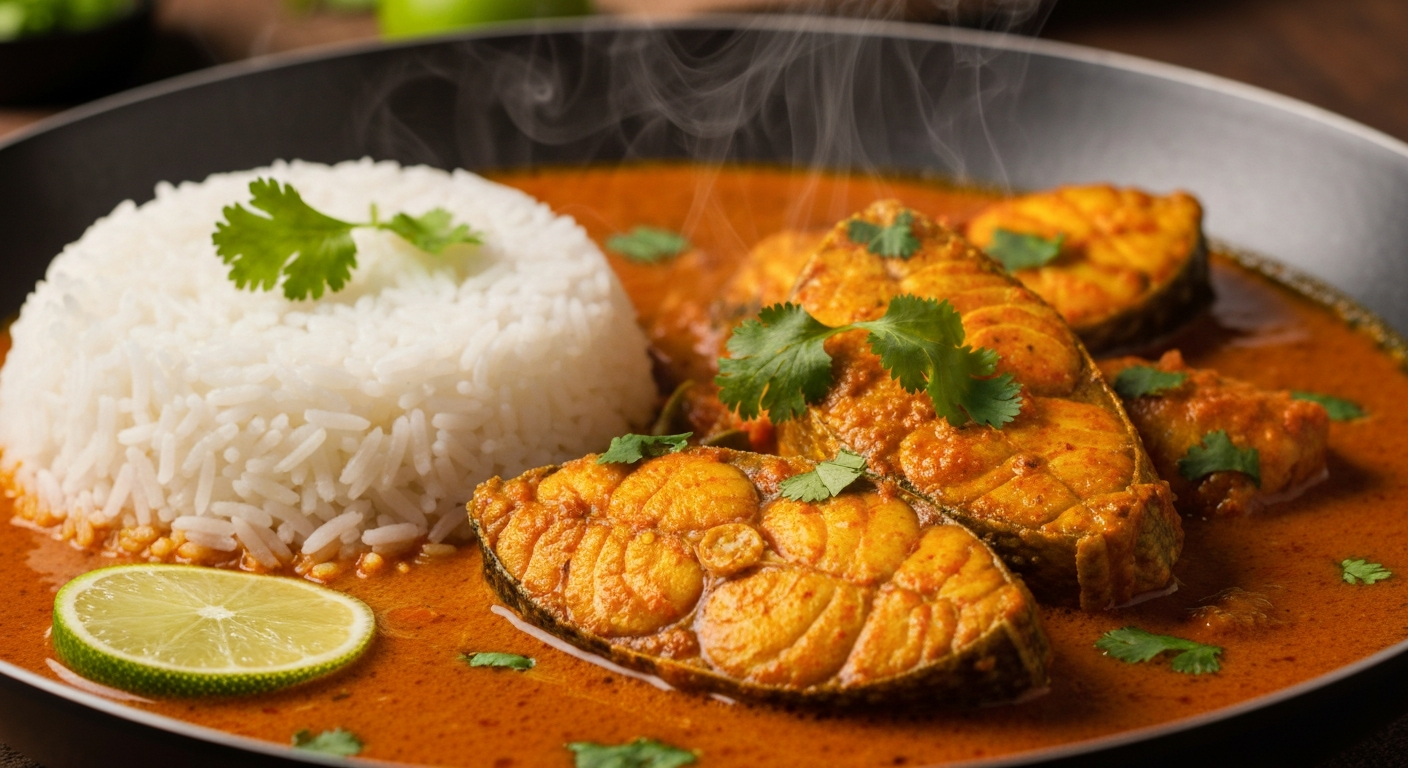
- Goan Cuisine: Beyond Vindaloo, explore the rich flavors of seafood curries like Prawn Balchão, Fish Recheado, or chicken dishes like Chicken Xacuti, characterized by coconut, kokum, and a blend of unique spices. The Portuguese influence offers a distinct profile.
- Bengali Cuisine: Known for its subtle use of mustard oil, panch phoron (five-spice blend), and an emphasis on fish and vegetables. Dishes like Shorshe Ilish (Hilsa in mustard sauce), Kosha Mangsho (slow-cooked mutton curry), or various vegetable preparations (shukto, chorchori) offer a refreshing departure from North Indian gravies.
- Gujarati Cuisine: Famous for its unique balance of sweet, sour, and spicy flavors, often vegetarian-centric. Specialties like Undhiyu (mixed vegetable casserole), Dhokla, Handvo, and a variety of Thalis present a wholesome and distinct offering.
- South Indian Cuisine (Kerala, Tamil Nadu, Karnataka, Andhra Pradesh): While Dosas and Idlis are popular, the curry and rice preparations offer vast untapped potential. Think Chettinad Chicken, Avial (mixed vegetable curry with coconut), Malabar Fish Curry, or fiery Andhra-style Prawn Pulusu. The use of coconut milk, curry leaves, tamarind, and different lentil preparations provides a rich tapestry of flavors.
- North-Eastern Cuisine: A truly distinct category, often featuring fermented ingredients, bamboo shoots, smoked meats, and minimal oil. Dishes from Assam, Nagaland, Manipur, and Mizoram are largely unknown outside their regions but could appeal to adventurous eaters seeking truly unique experiences.
Operationalizing Niche Menus in a Ghost Kitchen
Introducing niche regional Indian dishes requires careful operational planning to maintain efficiency and consistency – critical for ghost kitchen profitability.
1. Standardization and Consistency with Chef-Grade Ingredients
Authenticity doesn't have to mean complexity in the kitchen. Sourcing high-quality, pre-made gravies, pastes, and spice blends from a reliable wholesale supplier is key. This ensures:
- Consistent Flavor Profile: Every batch tastes the same, regardless of the chef on duty.
- Reduced Prep Time: Significantly cuts down on chopping, grinding, and slow-cooking, allowing your kitchen to handle more orders.
- Lower Labor Costs: Requires less specialized culinary skill for foundational preparations.
- Waste Reduction: Pre-portioned or ready-to-use ingredients minimize spoilage.
Our products are manufactured to stringent quality standards, holding FSSAI, US FDA, ISO, Halal, HACCP, and GMP certifications, ensuring both safety and consistent flavor for your kitchen.
2. Efficient Supply Chain for Specialty Ingredients
For unique regional dishes, you might need specific spices, herbs, or even fresh produce that isn't standard. Partner with wholesale suppliers who can reliably source and deliver these items. For ghost kitchens scaling their operations or managing multiple virtual brands, sourcing ingredients in bulk is essential. Our 50 kg minimum order quantity (MOQ) is designed to meet the demands of commercial kitchens, ensuring consistent supply without frequent reordering.
3. Staff Training and Recipe Adherence
While pre-made bases simplify much, final assembly and finishing touches require clear instructions. Invest in concise training for your kitchen staff to ensure proper cooking techniques, garnishing, and portion control for each niche dish. Detailed recipe cards are indispensable.
4. Marketing and Storytelling
Your niche menu needs a compelling story. Educate your customers about the origins, unique ingredients, and cultural significance of the dishes. Use high-quality food photography and clear menu descriptions on delivery platforms. Highlight:
- Regional Origin: "Authentic Goan Seafood Curry."
- Key Ingredients: "Infused with Kokum and fresh coconut milk."
- Flavor Profile: "Tangy, spicy, and subtly sweet."
- Cultural Context: Share a brief, engaging anecdote about the dish.
Profitability Through Differentiation and Operational Excellence
Successfully implementing a data-driven ghost kitchen Indian menu niche market strategy directly impacts your bottom line. By offering unique, high-quality regional dishes, you can:
- Increase Average Order Value (AOV): Niche items often command higher prices.
- Boost Repeat Business: Customers return for dishes they can't find elsewhere.
- Improve Brand Perception: Position your ghost kitchen as an authority on authentic Indian cuisine.
- Optimize Operational Costs: By using high-quality, pre-made gravies and pastes, you reduce labor costs, minimize waste, and streamline kitchen operations, directly contributing to higher profit margins.
Our wholesale gravies, pastes, sauces, rice, and spices are designed to empower professional kitchens to achieve this balance of authenticity and efficiency. With products in stock in our US (Houston) or local-country warehouses, orders can ship in as little as 2 days. For items not immediately in stock, a lead time of 35-60 days applies, with immediate notification of any delays. We proudly serve a growing list of countries including the USA, Canada, UK, UAE, Australia, Germany, Italy, India, France, Ireland, Switzerland, and Netherlands, with more being added to our distribution network.
Conclusion
The future of ghost kitchens, especially in competitive ethnic food segments, lies in smart differentiation. By leveraging data to uncover underserved regional Indian culinary preferences, and by strategically operationalizing these unique menus with high-quality, consistent ingredients, ghost kitchens can unlock significant new profit streams. Moving beyond the expected and embracing the rich diversity of Indian cuisine offers a clear path to standing out in a crowded market and building a loyal customer base eager for authentic, distinct flavors.
Ready to explore how our chef-grade Indian gravies, pastes, and spices can help your ghost kitchen develop a profitable niche menu? Inquire via ododgroup.com to request a quote or sample today.