
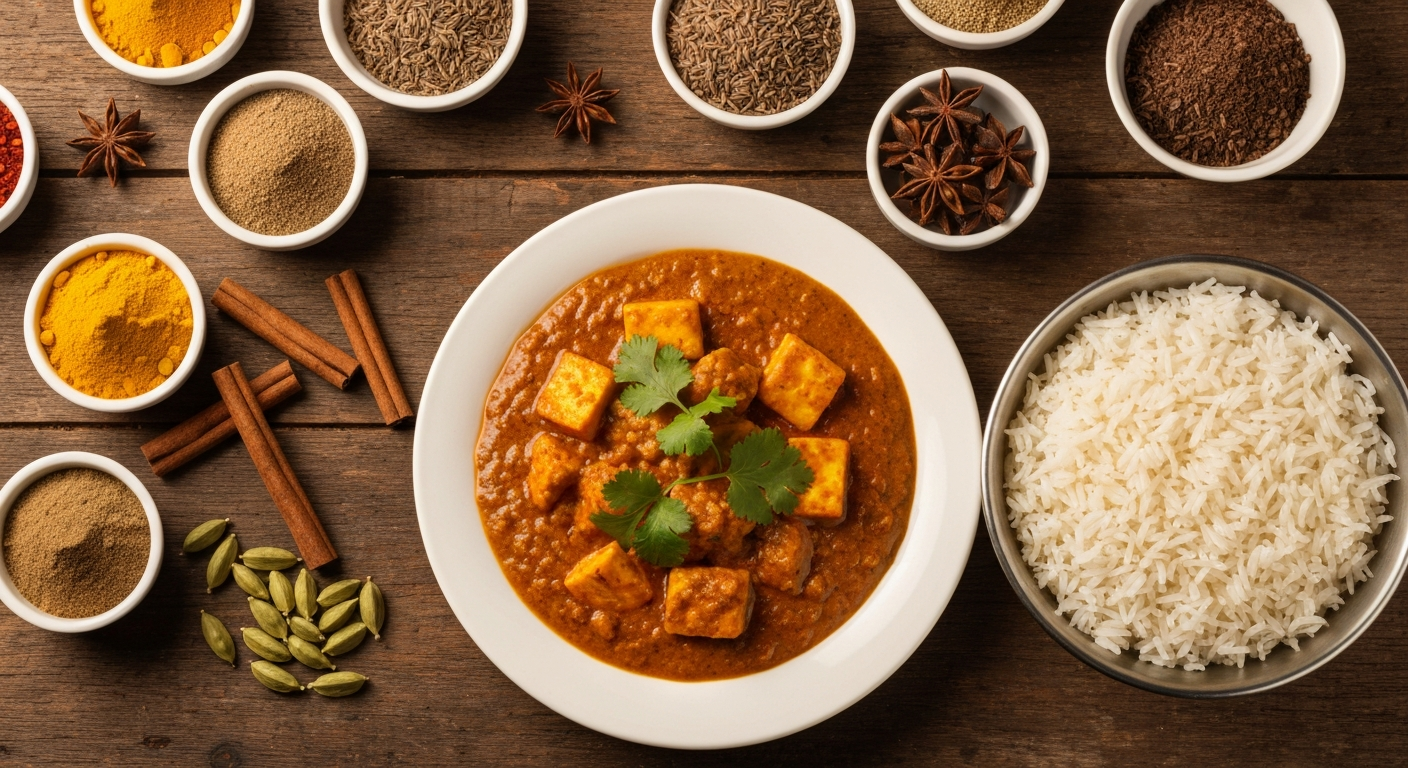
The Growing Demand for Sustainable Sourcing in Foodservice
In today's dynamic foodservice landscape, the conversation around sustainability has moved beyond a niche concern to a core business imperative. Restaurant patrons, chefs, and institutional buyers are increasingly scrutinizing the origins and environmental impact of the ingredients on their plates. For a foodservice distributor sustainable Indian ingredients are not just a product line; they represent a strategic advantage that can differentiate your offering and strengthen client relationships.
As a distributor, you are the crucial link between producers and professional kitchens. Your ability to supply high-quality, authentic Indian gravies, pastes, sauces, rice, and spices that also meet rigorous sustainability criteria can empower your clients to enhance their menus, attract discerning customers, and fulfill their own corporate responsibility goals. This article explores how embracing green sourcing can benefit your business and guide your clients towards a more responsible and flavorful future.
Why Sustainability is a Non-Negotiable for Modern Foodservice
The shift towards sustainable food sourcing is driven by multiple factors:
- Consumer Awareness and Preference: Diners, particularly younger generations, are more informed about environmental and social issues. They actively seek out establishments that demonstrate a commitment to ethical sourcing, often willing to pay a premium for transparency and responsibly produced food.
- Brand Reputation and Loyalty: For restaurants, hotels, and caterers, showcasing a commitment to sustainability enhances their brand image. It builds trust with customers and can be a significant differentiator in a competitive market. Distributors who support this commitment become invaluable partners.
- Regulatory and Industry Pressures: Governments and industry bodies are increasingly implementing guidelines and regulations related to environmental impact, labor practices, and supply chain transparency. Proactive engagement with sustainable sourcing helps clients stay ahead of these developments.
- Operational Resilience: A sustainable supply chain often implies better relationships with producers, more stable sourcing, and reduced exposure to risks associated with environmental degradation or social unrest.
By offering sustainable Indian ingredients, you enable your clients to tap into these trends, ensuring their menus remain relevant and appealing to a conscientious customer base.
Defining Sustainable Indian Ingredients for Professional Kitchens
What does "sustainable" truly mean when applied to the rich tapestry of Indian ingredients, from aromatic spices to foundational gravies and rice? It encompasses a holistic approach that considers environmental, social, and economic impacts throughout the supply chain. For a foodservice distributor, understanding these facets is key to guiding clients effectively.
Environmental Stewardship
This aspect focuses on minimizing the ecological footprint of ingredient production. For Indian agriculture, this means:
- Responsible Land Use: Practices that prevent soil degradation, promote biodiversity, and avoid deforestation.
- Water Conservation: Efficient irrigation techniques, especially critical for water-intensive crops like rice.
- Reduced Chemical Input: Promoting organic or low-pesticide farming methods to protect ecosystems and human health.
- Waste Reduction: Minimizing food waste at the farm, processing, and distribution stages.
Social Responsibility
Ethical sourcing extends to the people involved in cultivation and processing:
- Fair Labor Practices: Ensuring fair wages, safe working conditions, and no exploitation of farmers or laborers. This includes prohibiting child labor and forced labor.
- Community Support: Practices that contribute positively to the economic and social well-being of local farming communities.
- Gender Equality: Promoting equitable opportunities for women in agriculture and processing.
Economic Viability
Sustainability must also be economically viable for all stakeholders:
- Fair Trade Principles: Ensuring farmers receive a fair price for their produce, allowing them to invest in sustainable practices and improve their livelihoods.
- Long-Term Partnerships: Building stable relationships with suppliers that foster mutual growth and commitment to quality and sustainability.
When you offer Indian ingredients that adhere to these principles, you provide your clients with products that not only taste authentic but also carry a story of responsibility and care.
The Distributor's Advantage: Leveraging Green Sourcing
For a foodservice distributor, integrating sustainable Indian ingredients into your product portfolio offers tangible business benefits:
1. Competitive Differentiation
In a crowded market, offering products with a clear sustainability narrative sets you apart. You become a preferred partner for clients who prioritize ethical sourcing, giving you a distinct edge over competitors who offer only conventional options.
2. Enhanced Client Relationships and Acquisition
By helping your clients meet their own sustainability goals, you become an indispensable resource. You enable them to attract new customers, strengthen their brand, and comply with evolving industry standards. This positions you as a forward-thinking, value-added partner, fostering deeper loyalty and opening doors to new business opportunities.
3. Brand Reputation and Trust
Your own brand benefits significantly from a commitment to green sourcing. Associating your distribution business with responsible practices builds trust among your clients and within the wider industry. This positive reputation can lead to increased referrals and a stronger market position.
4. Supply Chain Resilience
Suppliers committed to sustainable practices often have more robust and transparent supply chains. This can lead to greater reliability, consistency in product quality, and a reduced risk of disruptions, ultimately benefiting your clients' operations.
Pillars of a Responsible Indian Ingredient Supply Chain
To effectively guide your clients, understanding the operational aspects that underpin a responsible supply chain is essential. At MITRA, our commitment to quality and consistency is built on foundational standards that support ethical and safe sourcing.
Traceability: Knowing the Journey of Every Ingredient
True sustainability begins with traceability. Your clients want to know where their spices, rice, or gravies come from. For a foodservice distributor, this means partnering with suppliers who can provide clear documentation of origin, processing stages, and transportation. This level of transparency assures clients that the ingredients meet their ethical and quality expectations.
Quality and Safety Certifications
While sustainability certifications are evolving, fundamental quality and safety certifications are non-negotiable for any responsible food supply chain. Products that meet rigorous standards for food safety and quality are inherently part of a well-managed and ethical process. Our MITRA products are manufactured to stringent international standards, holding certifications such as FSSAI, US FDA, ISO, Halal, HACCP, and GMP. These certifications are a testament to controlled processes, hygiene, and consistent product integrity, which are crucial components of a responsible supply chain.
Ethical Labor and Community Impact
Ensuring that the people who cultivate and process Indian ingredients are treated fairly is paramount. This includes advocating for fair wages, safe working conditions, and the absence of exploitative labor practices. When sourcing, consider suppliers who demonstrate a clear commitment to the well-being of their workforce and the communities they operate within.
Environmental Responsibility in Processing
Beyond farming practices, the processing of ingredients must also align with environmental goals. This includes energy efficiency in manufacturing, responsible waste management, and minimizing water usage during the transformation of raw materials into chef-grade gravies, pastes, and spices.
Guiding Your Clients: Practical Steps for Foodservice Distributors
As a foodservice distributor, you are uniquely positioned to educate and empower your clients to make sustainable choices. Here's how you can provide valuable guidance:
- Curate a Sustainable Product Portfolio: Actively seek out and partner with suppliers who prioritize sustainable practices and can provide the necessary traceability and quality assurances. Build a dedicated section of your catalog for responsibly sourced Indian ingredients.
- Educate Your Sales Team: Equip your sales representatives with comprehensive knowledge about the sustainable attributes of your products. They should be able to articulate the benefits of green sourcing to chefs and restaurant owners, explaining the 'why' behind the choices.
- Provide Transparency and Documentation: Offer clients clear information about the origin, certifications, and sustainable practices associated with each product. This might include producer stories, impact reports, or certification details.
- Showcase Menu Applications: Work with chefs to demonstrate how sustainable Indian ingredients can be seamlessly integrated into their menus, highlighting both the ethical appeal and the superior quality and flavor they bring.
- Offer Operational Support: Explain how using high-quality, pre-made Indian gravies and pastes, even when sustainably sourced, can streamline kitchen operations, reduce labor costs, and minimize food waste – further contributing to overall sustainability goals.
Partnering with MITRA for Quality and Consistency
At MITRA, we understand the critical role foodservice distributors play in connecting professional kitchens with authentic, high-quality Indian ingredients. Our range of chef-grade gravies, pastes, sauces, rice, and spices is produced under stringent quality controls, ensuring consistency and safety for your clients.
Our products are manufactured to meet the highest international standards, holding certifications such as FSSAI, US FDA, ISO, Halal, HACCP, and GMP. These certifications are fundamental to our commitment to delivering reliable, safe, and consistent ingredients that empower your clients to create exceptional Indian cuisine.
We support your distribution efforts with a robust supply chain. If a product is in stock in our US (Houston) or local-country warehouse, it ships in 2 days. For items not in stock, the lead time is typically 35-60 days, and we notify customers immediately of any delay. Our minimum order quantity (MOQ) is 50 kg, designed to support the needs of professional kitchens and distributors.
MITRA currently serves a growing list of countries including the USA, Canada, UK, UAE, Australia, Germany, Italy, India, France, Ireland, Switzerland, and the Netherlands, continuously expanding our reach to support global foodservice operations.
By partnering with MITRA, you can confidently offer your clients a range of premium Indian ingredients that not only meet their culinary demands but also align with their evolving sustainability objectives. Our focus on quality and consistency provides a reliable foundation for your green sourcing initiatives.
Conclusion: A Strategic Path Forward
The demand for foodservice distributor sustainable Indian ingredients is a powerful trend that presents significant opportunities for growth and differentiation. By actively embracing green sourcing, you can enhance your value proposition to clients, strengthen your brand, and contribute to a more responsible food system.
Guiding your clients towards ethical, traceable, and environmentally conscious Indian ingredients is not just good for business; it's a commitment to a better future for food. Position your distribution company as a leader in this critical area, and you will build lasting partnerships and drive sustainable success.
---
Ready to explore how MITRA's chef-grade Indian ingredients can enhance your sustainable product offering? Inquire today via ododgroup.com to request a quote or sample.