
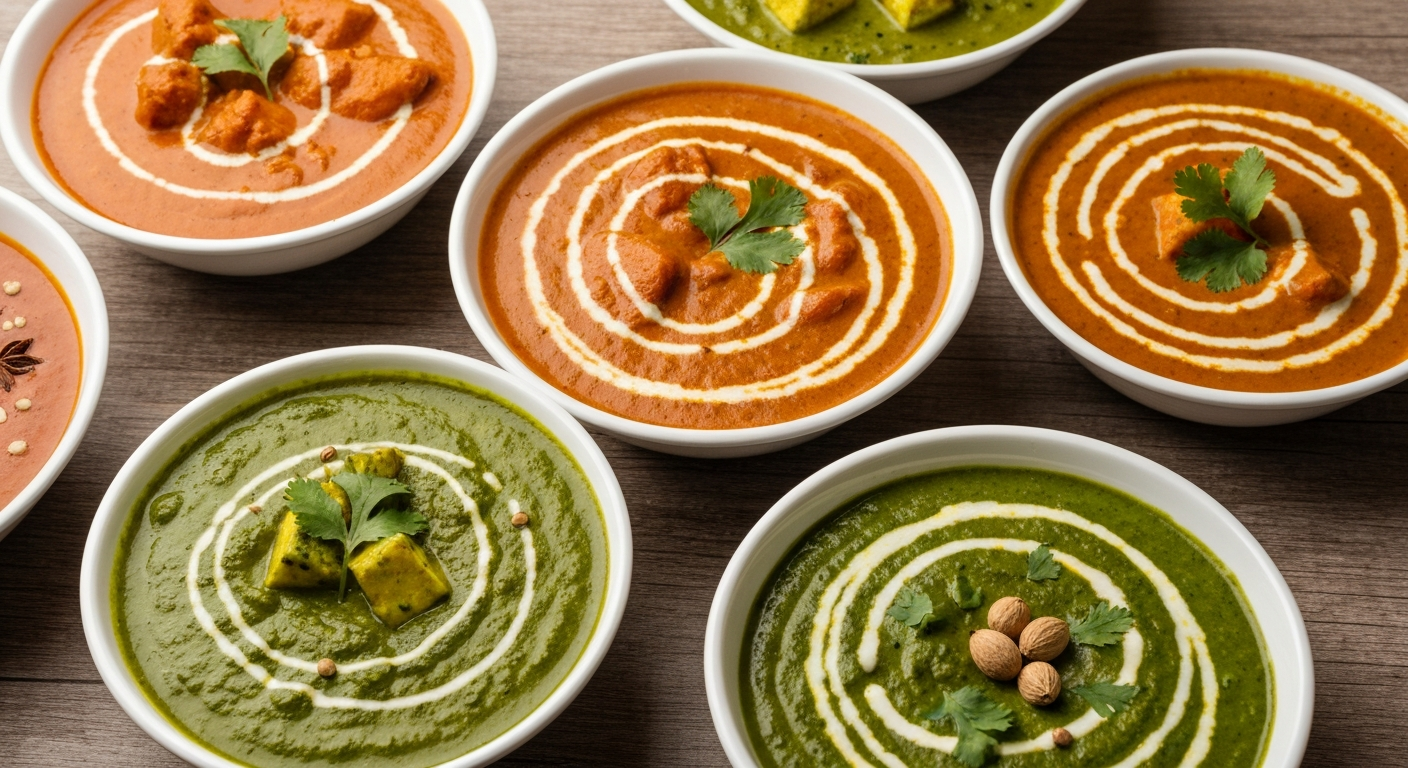
In a dynamic foodservice landscape, Indian menu integration foodservice distributor partners are uniquely positioned to unlock significant growth for their clients. The demand for diverse, authentic, and globally-inspired culinary experiences continues to rise, presenting an unparalleled opportunity for restaurants, caterers, and institutional kitchens to expand their offerings and attract a broader customer base. However, many operators perceive integrating Indian cuisine as complex, labor-intensive, or requiring specialized culinary expertise. This article provides foodservice distributors with a strategic framework to help their clients seamlessly incorporate profitable Indian dishes into a wide array of menu concepts, leveraging high-quality, consistent ingredients.
The Evolving Palate: Why Indian Cuisine is a Growth Driver
The global culinary scene is increasingly interconnected, with consumers actively seeking authentic international flavors. Indian cuisine, with its rich history, regional diversity, and complex flavor profiles, stands out as a top contender. It offers a spectrum of experiences, from the comforting familiarity of Butter Chicken to the vibrant tang of a Goan Fish Curry or the earthy depth of a Dal Makhani. This growing appeal is not confined to specialty Indian restaurants; it's permeating mainstream dining, creating a need for versatile, high-quality Indian ingredients across all foodservice sectors.
For foodservice distributors, understanding this shift is crucial. By guiding clients toward effective Indian menu integration, you're not just selling products; you're offering solutions that address labor challenges, enhance menu appeal, and ultimately drive profitability. The key lies in demonstrating how this integration can be achieved efficiently, without compromising authenticity or operational flow.
Overcoming Client Hesitations: The Distributor's Role in Education
Many restaurant operators, while recognizing the potential, often face common hesitations when considering Indian menu integration. Distributors can play a vital educational role in addressing these concerns:
Perceived Complexity and Skill Requirements
- Client Concern: "Indian cooking is too intricate, requiring highly skilled chefs trained in specific techniques and spice blends."
- Distributor Solution: Emphasize the availability of high-quality, pre-prepared gravies, pastes, and spice blends that capture authentic regional flavors. These products significantly reduce the need for extensive scratch cooking, complex spice grinding, and specialized training. They empower existing kitchen staff to produce authentic Indian dishes with minimal additional instruction.
Sourcing and Consistency of Ingredients
- Client Concern: "Sourcing the right quality and consistent Indian spices and ingredients can be challenging and time-consuming."
- Distributor Solution: Highlight a reliable supply chain for premium, standardized Indian ingredients. Explain how products manufactured under strict quality controls (FSSAI, US FDA, ISO, Halal, HACCP, GMP) ensure consistent flavor, quality, and safety, batch after batch. This mitigates supply chain risks and guarantees product integrity.
Labor and Operational Efficiency
- Client Concern: "Adding Indian dishes means more prep time, more inventory, and potentially increased labor costs."
- Distributor Solution: Focus on the labor-saving benefits of prepared ingredients. By reducing the time spent on chopping, sautéing, and slow-cooking gravies from scratch, kitchens can reallocate labor to other tasks, improve speed of service, and maintain consistent quality during peak hours. Pre-portioned or ready-to-use products also simplify inventory management and reduce waste.
Strategic Indian Menu Integration Across Diverse Concepts
The true power of Indian cuisine lies in its versatility. Distributors can advise clients on how to integrate Indian elements not just as standalone dishes, but as complementary components that enhance existing menus across various restaurant types.
1. Fine Dining and Upscale Restaurants
- Strategy: Introduce Indian flavors through refined presentations, fusion dishes, or as elevated components.
- Examples: A delicate Korma-spiced reduction accompanying pan-seared scallops; a deconstructed Butter Chicken with sous-vide chicken breast and a rich, velvety Makhani sauce; innovative Indian-inspired amuse-bouches or intermezzos. The depth of flavor from high-quality gravies provides a sophisticated base without extensive kitchen labor.
2. Casual Dining and Bistros
- Strategy: Offer familiar dishes with an Indian twist or introduce accessible, popular Indian main courses.
- Examples: Indian-spiced lamb or chicken burgers with a mint-yogurt sauce; Paneer Tikka flatbreads or pizzas; Tandoori chicken wraps; a hearty Chana Masala served as a vegetarian entrée or side. Prepared gravies make it easy to create consistent, flavorful sauces for these applications.
3. Fast Casual and Quick Service Restaurants (QSR)
- Strategy: Focus on speed, customization, and bowl-style meals.
- Examples: Build-your-own Indian bowls with rice, choice of protein (chicken tikka, paneer, lentils), and various gravies (Butter Masala, Korma, Vindaloo); Indian-spiced street food items like Kati rolls or loaded fries. The consistent quality of prepared gravies ensures rapid, repeatable service.
4. Hotel, Catering, and Institutional Foodservice
- Strategy: Leverage Indian cuisine for buffets, banquets, room service, and large-volume production.
- Examples: A rotating selection of classic curries (Chicken Tikka Masala, Lamb Rogan Josh, Dal Bukhara) for buffet lines; Indian-inspired appetizers for catering events; ready-to-heat Indian meals for room service. The scalability and consistency of pre-made gravies are invaluable for high-volume operations.
5. Fusion Concepts and Global Cuisine Restaurants
- Strategy: Seamlessly blend Indian spices and techniques with other culinary traditions.
- Examples: Mexican street corn with a chaat masala dusting; an Indian-spiced ramen broth; pasta dishes with an Indian curry base. Distributors can highlight the versatility of individual spices and foundational gravies to inspire creative fusion applications.
The MITRA Advantage: Partnering for Success
As a leading American food-supply company, ODOD LLC, under the MITRA brand, specializes in providing chef-grade Indian gravies, pastes, sauces, rice, and spices. Our products are manufactured to stringent quality standards, holding certifications such as FSSAI, US FDA, ISO, Halal, HACCP, and GMP. This commitment to quality ensures that your clients receive authentic, consistent, and safe ingredients every time.
Our extensive range of prepared gravies and pastes dramatically reduces kitchen prep time and labor costs, allowing chefs to focus on plating and presentation rather than hours of ingredient preparation. This means higher margins for your clients and a more efficient kitchen operation.
Supply Chain and Logistics That Support Your Business
We understand the critical importance of a reliable supply chain for foodservice distributors. Our robust logistics network ensures timely delivery. If a product is in stock in our US (Houston) or local-country warehouse, it ships in 2 days. For items not immediately in stock, the lead time is 35-60 days, and customers are notified immediately of any delay, allowing for proactive planning. We currently serve a growing list of countries, including the USA, Canada, UK, UAE, Australia, Germany, Italy, India, France, Ireland, Switzerland, and the Netherlands.
Our minimum order quantity (MOQ) is 50 kg, designed to accommodate the needs of wholesale distributors and large-scale foodservice operations. This ensures that clients can efficiently stock their inventory while benefiting from wholesale pricing.
Maximizing Profitability Through Smart Integration
For foodservice distributors, the conversation with clients should always circle back to profitability. Indian menu integration, when executed with high-quality prepared ingredients, directly impacts a client's bottom line:
- Increased Customer Base: Attracts new diners seeking authentic global flavors, including a growing demographic of Indian food enthusiasts.
- Higher Check Averages: Unique and appealing Indian dishes can command premium pricing, increasing average customer spend.
- Labor Cost Reduction: Pre-made gravies and pastes significantly cut down on prep time, reducing the need for specialized labor and improving kitchen efficiency.
- Consistent Quality: Standardized products ensure every dish tastes the same, leading to repeat business and positive reviews.
- Reduced Waste: Predictable ingredient usage and longer shelf life of prepared products minimize spoilage and waste.
- Menu Differentiation: Offers a competitive edge in a crowded market by providing unique and memorable dining experiences.
Conclusion: Your Partner in Culinary Growth
As a trusted indian menu integration foodservice distributor, you hold the key to helping your clients navigate the exciting world of Indian cuisine. By offering MITRA's chef-grade gravies, pastes, sauces, rice, and spices, you provide solutions that are not only authentic and delicious but also operationally efficient and highly profitable. Equip your clients with the tools to innovate their menus, delight their customers, and enhance their financial performance.
Ready to explore how MITRA can support your distribution network and your clients' culinary ventures? Inquire today via ododgroup.com to request a quote, sample, or wholesale information.