
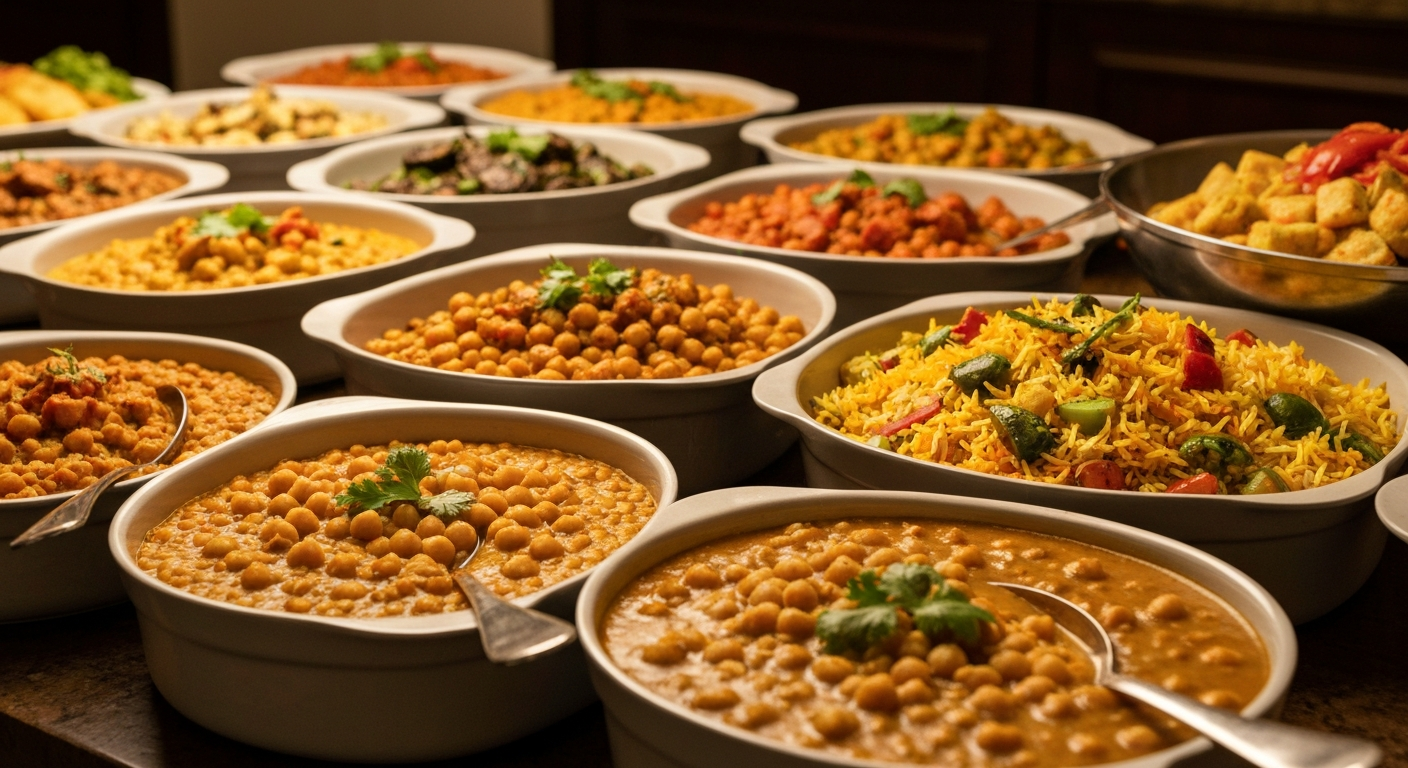
The global hospitality industry is in a constant state of evolution, driven by shifts in consumer preferences, health consciousness, and a growing demand for diverse, sustainable dining options. For hotel chains, staying ahead of these trends isn't just about offering variety; it's about strategic positioning that enhances guest satisfaction, operational efficiency, and ultimately, profitability. One of the most compelling and rapidly expanding culinary trends that perfectly aligns with these objectives is the integration of high protein plant based Indian foodservice.
Indian cuisine, with its rich heritage and natural emphasis on plant-derived ingredients, offers a unique opportunity for hotels to broaden their culinary appeal. It’s a cuisine that effortlessly caters to a spectrum of dietary preferences—from vegans and vegetarians to flexitarians and guests simply seeking healthier, flavorful alternatives. By embracing high-protein, plant-forward Indian dishes, hotels can not only meet evolving guest demands but also unlock significant operational and financial benefits.
The Ascendance of Plant-Forward Dining in Hospitality
The shift towards plant-based and plant-forward eating is more than a fleeting fad; it's a global movement with profound implications for the foodservice sector. Consumers are increasingly making dietary choices influenced by a confluence of factors:
- Health and Wellness: A growing awareness of the health benefits associated with plant-rich diets, including better cardiovascular health, weight management, and reduced risk of chronic diseases.
- Sustainability and Ethics: Concerns about the environmental impact of meat production (carbon footprint, water usage) and animal welfare are driving many towards plant-based options.
- Dietary Diversity: Guests often travel with specific dietary requirements or preferences, whether due to allergies, ethical convictions, or personal health goals. Hotels that can accommodate these needs gain a competitive edge.
- Culinary Exploration: Diners are more adventurous than ever, seeking authentic and diverse culinary experiences. Plant-based versions of ethnic cuisines, particularly those with a strong heritage of vegetarianism like Indian food, are highly sought after.
For hotel foodservice, this means moving beyond a single vegetarian option and instead integrating a thoughtful array of plant-forward dishes that are both nutritious and exciting. This is where Indian cuisine shines, providing a naturally robust framework for high-protein, plant-based offerings that are inherently flavorful and satisfying.
Why Indian Cuisine is a Natural Fit for High-Protein, Plant-Based Menus
Traditional Indian cooking has always excelled at creating incredibly diverse and satisfying vegetarian meals. This long-standing culinary tradition makes it uniquely suited to the modern plant-forward movement, offering a wealth of naturally high-protein ingredients and cooking techniques:
Core Plant-Based Protein Sources in Indian Cuisine
Indian kitchens historically rely on a vast pantry of plant-based proteins, providing a foundation for innovative and authentic menu development:
- Lentils (Dals): The cornerstone of Indian vegetarian diets, lentils come in numerous varieties—toor (split pigeon peas), moong (split green gram), masoor (red lentils), chana (split chickpeas), and urad (black gram). They are incredibly versatile, forming the base for hearty soups, stews, and side dishes. Dals are not only rich in protein but also fiber, essential minerals, and B vitamins.
- Chickpeas (Chole/Chana): A beloved legume, chickpeas are used extensively in curries (like Chole Masala), salads, and snacks. They offer a substantial protein boost and a satisfying texture.
- Beans: Kidney beans (Rajma), black-eyed peas (Lobia), and various other beans are frequently incorporated into curries and wholesome meals, contributing significant protein and complex carbohydrates.
- Nuts and Seeds: Cashews, almonds, peanuts, sesame seeds, and pumpkin seeds are not just garnishes; they are often ground into pastes to thicken gravies, adding richness, healthy fats, and a considerable amount of protein. Think of the creamy texture in a Navratan Korma, often achieved with cashews.
- Grains: While often seen as carbohydrate sources, whole grains like brown rice, quinoa, and various millets are increasingly used in Indian cooking. When combined with legumes, they can form complete protein meals.
- Vegetables: Beyond their vitamin and fiber content, many vegetables contribute to protein intake, especially when consumed in larger quantities as part of a balanced Indian meal. Leafy greens like spinach (palak) are particularly noteworthy.
The natural complexity of Indian spice blends ensures that these plant-based dishes are never bland. The interplay of cumin, coriander, turmeric, cardamom, cloves, and more creates layered flavors that are deeply satisfying, appealing even to guests who typically prefer meat-centric meals.
Strategic Advantages for Hotel Foodservice Operations
Integrating high protein plant based Indian foodservice options into your hotel's culinary program offers a multitude of benefits that extend beyond simply catering to dietary trends:
1. Broadened Guest Appeal and Market Reach
By offering a sophisticated range of plant-based Indian dishes, hotels can attract a wider demographic. This includes:
- Health-Conscious Travelers: Guests actively seeking nutritious and balanced meals during their stay.
- Dietary Restriction Adherents: Vegans, vegetarians, and those with specific allergies or intolerances (many Indian dishes are naturally gluten-free or can be easily adapted).
- International Guests: Indian cuisine is globally popular, and authentic plant-based options will resonate strongly with travelers from diverse backgrounds.
- Conference and Event Planners: Hotels can better meet the diverse dietary needs of large groups, making them a preferred venue for corporate events and social gatherings.
2. Enhanced Cost Efficiency and Profitability
Plant-based proteins often present a more economical alternative to animal proteins, especially when procured in bulk. This can lead to significant cost savings in your kitchen operations:
- Lower Ingredient Costs: Lentils, chickpeas, and many vegetables are typically less expensive per serving than meats or seafood.
- Reduced Food Waste: Dry legumes have a long shelf life, minimizing spoilage compared to fresh animal proteins. This allows for more efficient inventory management.
- Labor Optimization: With the right approach (e.g., utilizing high-quality prepared bases), the labor required for complex Indian dishes can be streamlined, allowing chefs to focus on finishing and presentation rather than lengthy ingredient preparation from scratch.
3. Sustainability and Brand Image
Adopting plant-forward menus aligns with global sustainability initiatives and can significantly enhance a hotel's corporate social responsibility (CSR) profile. Guests are increasingly choosing businesses that demonstrate a commitment to environmental stewardship. By showcasing delicious, sustainable, plant-based Indian options, hotels can:
- Reinforce Green Credentials: Position the hotel as an environmentally conscious brand.
- Appeal to Eco-Minded Guests: Attract guests who prioritize sustainable travel and dining.
- Contribute to a Healthier Planet: Play a role in reducing the environmental impact of the food industry.
4. Menu Versatility and Operational Simplicity
Indian gravies and bases are incredibly versatile. A single, well-prepared plant-based gravy can serve as the foundation for multiple dishes:
- Adaptable Bases: A rich tomato-onion gravy, for instance, can be used for a Chana Masala, a Vegetable Jalfrezi, or even as a base for a chicken curry for non-plant-based options on the same buffet line. This reduces the number of unique base preparations required.
- Reduced Cross-Contamination Risk: Centralizing plant-based preparation can simplify kitchen flow, minimizing the risk of cross-contamination for guests with severe allergies or strict dietary requirements.
- Buffet and À La Carte Integration: Plant-based Indian dishes seamlessly fit into breakfast, lunch, dinner buffets, à la carte menus, and even room service, offering flexibility in menu design.
Crafting a High-Protein, Plant-Based Indian Menu for Hotels
Integrating these dishes into your hotel's offerings requires thoughtful menu planning across various meal periods and service styles:
Breakfast Offerings
Start the day with protein-packed, flavorful options:
- Dosai and Idli: Fermented lentil and rice crepes (dosai) or steamed cakes (idli) served with sambar (lentil and vegetable stew) and coconut chutney. Easily made vegan and high in protein.
- Uttapam: Thick, savory pancakes made from fermented lentil and rice batter, topped with finely chopped vegetables.
- Poha: Flattened rice dish often cooked with vegetables, peanuts, and spices. Can be enriched with chickpeas.
- Besan Cheela: Savory pancakes made from chickpea flour, packed with protein and often mixed with finely chopped vegetables.
Lunch and Dinner Buffets
Buffets are an excellent platform to showcase a diverse range of plant-based Indian dishes:
- Signature Dals: Offer at least two varieties, such as a hearty Dal Makhani (a vegan version using plant-based cream) or a comforting Toor Dal or Moong Dal Tadka.
- Chickpea Specialties: Chole Masala (spicy chickpea curry) or Pindi Chana (dry roasted chickpeas) are perennial favorites.
- Vegetable Curries: Navratan Korma (a rich, creamy curry with nine vegetables, nuts, and dried fruits, easily made vegan with plant-based cream), Vegetable Jalfrezi, Palak Tofu (spinach with pan-fried tofu cubes as a paneer alternative), or Aloo Gobi (potato and cauliflower).
- Rice Dishes: Vegetable Biryani (made with basmati rice, mixed vegetables, and spices, can be augmented with beans or peas for extra protein), Lemon Rice, or a Quinoa Pulao for a modern twist.
- Breads: Offer whole wheat Rotis, Parathas, or a vegan Naan option.
- Accompaniments: Plant-based Raita (cucumber and mint in vegan yogurt), fresh salads, and a selection of chutneys and pickles.
À La Carte and Room Service
For a more refined dining experience, consider:
- Plant-Based Thalis: A platter offering a small portion of several dishes, providing a complete and balanced meal.
- Fusion Dishes: Incorporate Indian flavors into modern plant-based bowls or wraps.
- Gourmet Curries: Elevate classic dishes with premium ingredients and elegant presentation.
Ensuring Authenticity and Operational Efficiency with MITRA Products
While the concept of high-protein, plant-based Indian cuisine is compelling, the practicalities of implementing it across a hotel chain can be challenging. Achieving consistent, authentic flavors requires skilled chefs, precise spice blending, and extensive ingredient sourcing—all of which can be time-consuming and costly. This is where high-quality, chef-grade prepared ingredients become invaluable.
MITRA, a brand by ODOD LLC, specializes in supplying professional kitchens with authentic Indian gravies, pastes, sauces, rice, and spices. Our products are designed to address the unique needs of hotel foodservice:
- Unwavering Consistency: Our gravies and pastes ensure that every dish, whether served in Houston or London, maintains the same authentic taste and quality. This consistency is crucial for brand reputation and guest satisfaction.
- Operational Efficiency: By using pre-made bases, hotels can significantly reduce prep time, labor costs, and the need for extensive spice inventories. Your culinary team can focus on customization, fresh additions, and presentation, rather than starting every dish from scratch.
- Authentic Flavor Profiles: Our products are crafted to deliver genuine regional Indian flavors, allowing your chefs to create dishes that truly resonate with guests seeking an authentic culinary experience. Many of our bases are naturally plant-based or easily adaptable to vegan/vegetarian profiles.
- Quality and Safety: Our products are manufactured to rigorous standards, holding certifications such as FSSAI, US FDA, ISO, Halal, HACCP, and GMP. These certifications ensure that you are serving your guests products that meet global safety and quality benchmarks.
By integrating MITRA's chef-grade ingredients, hotels can confidently offer a sophisticated high protein plant based Indian foodservice menu that is both authentic and operationally profitable.
Seamless Supply and Partnership for Your Hotel Chain
ODOD LLC, under the MITRA brand, understands the demanding logistics of large-scale hotel operations. We are committed to being a reliable and efficient supply partner. Our minimum order quantity (MOQ) is 50 kg, designed to cater to the volume requirements of professional kitchens.
We currently serve a growing list of countries, including the USA, Canada, UK, UAE, Australia, Germany, Italy, India, France, Ireland, Switzerland, and Netherlands, with more locations being added regularly. Our streamlined shipping process ensures timely delivery:
- For products in stock in our US (Houston) or local-country warehouses, orders typically ship within 2 days.
- If an item is not in stock, the lead time is 35-60 days, and customers are notified immediately of any delays, allowing for effective inventory planning.
Our goal is to simplify your supply chain for authentic Indian ingredients, enabling your hotel to focus on delivering exceptional dining experiences.
Conclusion
The integration of high-protein, plant-based Indian cuisine into hotel foodservice is not merely a response to a trend; it is a strategic imperative for modern hospitality. It addresses the converging demands of guests seeking healthier, sustainable, and culturally rich dining experiences, while simultaneously offering significant operational and financial benefits for hotel chains. By leveraging the natural strengths of Indian cuisine and partnering with suppliers like MITRA, hotels can confidently expand their menus, enhance guest satisfaction, and boost profitability.
Elevate your hotel's culinary offerings and meet the future of dining head-on. Explore how MITRA's chef-grade Indian gravies, pastes, and sauces can seamlessly enhance your hotel's plant-forward menu and operational efficiency.
Visit ododgroup.com to request a quote, sample, or make a wholesale inquiry today.