
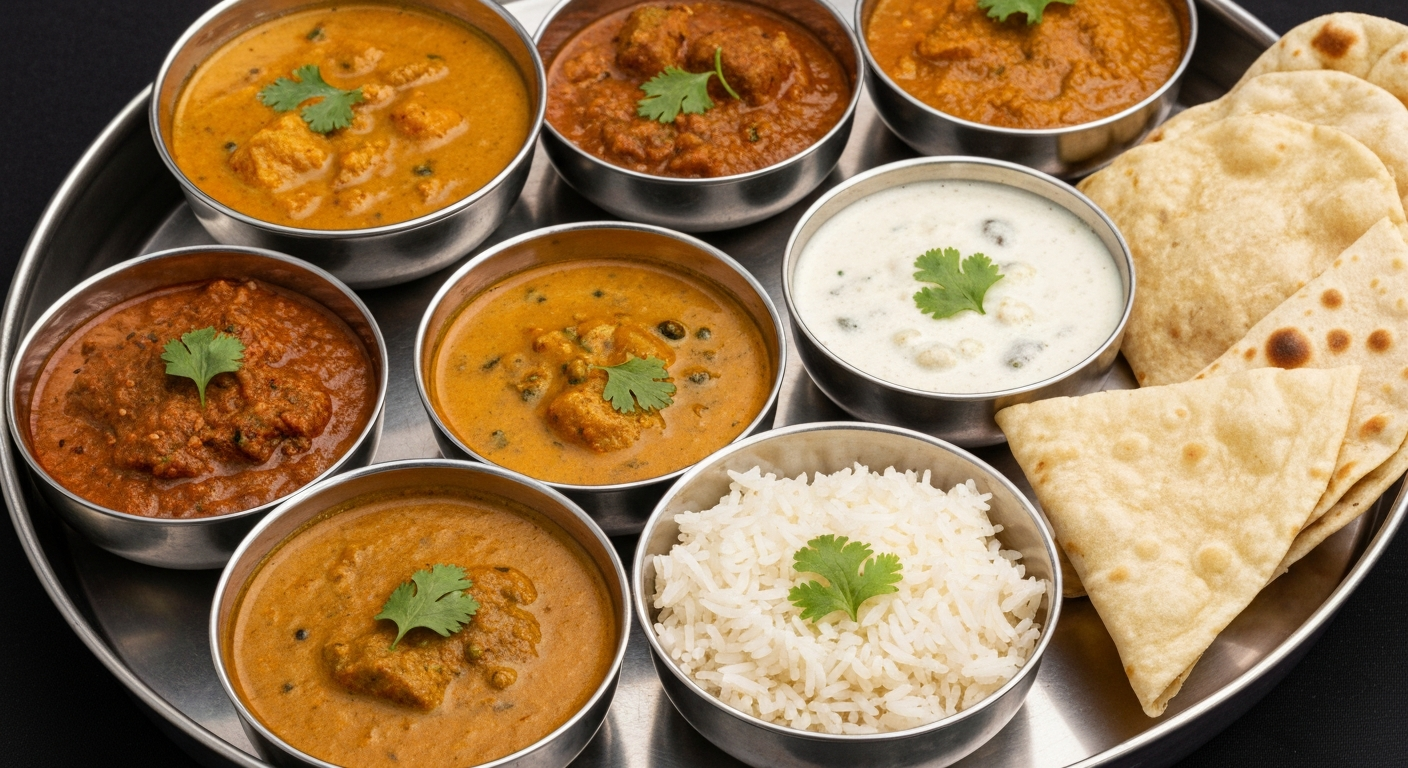
The landscape of food service has undergone a dramatic transformation, with ghost kitchens emerging as pivotal players. These delivery-only operations thrive on efficiency, adaptability, and the ability to meet diverse consumer demands without the overhead of a traditional storefront. For ghost kitchens specializing in Indian cuisine, the path to market dominance isn't just about offering authentic dishes; it's about mastering the ghost kitchen localized Indian menu.
Hyper-localization is more than a trend; it's a strategic imperative. It involves tailoring your menu to the specific tastes, preferences, and cultural nuances of a precise geographic area – sometimes down to a few zip codes. For Indian cuisine, with its vast regional diversity and spectrum of flavors, this approach offers an unparalleled opportunity to capture and retain a loyal customer base. By understanding and responding to the unique culinary pulse of your micro-market, a ghost kitchen can move beyond generic offerings, creating a distinctive identity and a competitive edge.
This article explores how ghost kitchens can effectively implement hyper-localization for their Indian menus, leveraging data, culinary strategy, and efficient B2B food solutions like those offered by MITRA to achieve rapid adaptation and market leadership.
The Imperative of Hyper-Localization for Ghost Kitchens
Ghost kitchens operate in a highly competitive digital space, where customer acquisition and retention are directly tied to relevance and satisfaction. A generic Indian menu, while broadly appealing, often fails to resonate deeply with specific local demographics. Hyper-localization addresses several critical operational and market challenges:
- Enhanced Customer Loyalty: When a menu reflects local preferences, customers feel understood and are more likely to become repeat patrons. This could mean adjusting spice levels, offering specific regional specialties, or catering to prevalent dietary trends in an area.
- Competitive Differentiation: In a crowded delivery market, a localized menu helps your ghost kitchen stand out. Instead of being just another Indian option, you become the preferred Indian option for that specific community.
- Optimized Marketing Efforts: Targeted menus allow for more precise and effective digital marketing campaigns. Promotions can highlight dishes specifically designed for the local palate, leading to higher conversion rates.
- Reduced Food Waste and Improved Inventory Management: By aligning your menu with actual local demand, you can better predict ingredient needs, reducing waste and optimizing inventory turnover.
- Agility in Responding to Trends: Ghost kitchens, by their nature, are built for agility. Hyper-localization enables quick pivots to capitalize on emerging micro-trends, seasonal ingredients, or local events.
Indian cuisine, with its incredible regional variations—from the rich, creamy gravies of the North to the tangy, coconut-infused curries of the South, and the distinct flavors of the East and West—is perfectly positioned for hyper-localization. The challenge lies in executing this diversity efficiently and consistently.
Understanding Your Micro-Market: Data-Driven Menu Insights
Successful hyper-localization begins with a deep dive into data. For ghost kitchens, valuable insights can be gleaned from various sources:
Delivery Platform Analytics
Most third-party delivery platforms provide anonymized data on popular dishes, peak order times, customer demographics, and even search terms within specific delivery zones. Analyze:
- Top-selling dishes: Are customers in one area consistently ordering mild Korma, while another area prefers spicy Vindaloo?
- Cuisine popularity: Beyond Indian, what other ethnic cuisines are popular? This can inform fusion ideas or complementary offerings.
- Dietary filters: Are vegan, vegetarian, or gluten-free options frequently searched?
Local Demographics and Cultural Insights
Investigate the cultural fabric of your target delivery zones:
- Ethnic Communities: Are there significant populations from specific regions of India (e.g., a large Gujarati community, a strong South Indian presence)? This is a direct signal for specific regional dishes.
- General Palate Preferences: Is the area generally inclined towards sweeter, spicier, or milder flavors? Are health-conscious options highly valued?
- Local Events and Festivals: Aligning your menu with local festivals (even non-Indian ones) or community events can create timely, relevant specials.
Competitor Analysis
Study what competing ghost kitchens and even traditional restaurants in your delivery radius are offering. Identify gaps in the market or areas where you can offer a superior or more tailored experience. What Indian dishes are missing from the local scene that could be a hit?
Social Listening and Community Engagement
Monitor local social media groups, food blogs, and community forums. What are people talking about? What are they craving? Direct feedback, even informal, can be invaluable.
Strategies for a Ghost Kitchen Localized Indian Menu
Once you have a clear understanding of your micro-market, you can begin to craft a truly localized Indian menu. This isn't about creating entirely new cuisines but intelligently adapting and presenting existing ones.
Regional Deep Dives and Adaptations
- North Indian Comfort: In areas with a preference for rich, creamy, and often milder flavors, focus on dishes like Butter Chicken, Paneer Makhani, Dal Makhani, and various Kormas. Adapt spice levels to suit local palates, perhaps offering a slightly sweeter or tangier profile if data suggests it. Consider introducing regional bread variations like Amritsari Kulcha.
- South Indian Zest: For markets open to bolder, tangier, and often spicier profiles, explore dishes from Kerala, Tamil Nadu, Andhra Pradesh, and Karnataka. This could include coconut-based curries, tangy Sambar, crispy Dosas, or flavorful Biryanis with a distinct South Indian twist. Highlighting vegetarian and rice-based dishes can also be a strong draw.
- East Indian Flavors: If your market shows an adventurous streak, introduce dishes from Bengal and Odisha, known for their use of mustard oil, unique fish preparations, and subtle spice blends. These can be niche but highly rewarding offerings.
- West Indian Diversity: Cater to regions with a strong vegetarian demand by focusing on Gujarati Thalis, Maharashtrian street food adaptations like Vada Pav (reimagined for delivery), or Parsi dishes. Emphasize the unique sweet-and-sour balance often found in these cuisines.
Adapting Spice Levels and Flavor Profiles
Beyond regional dishes, customize the core elements of Indian cooking:
- Tiered Spice Levels: Always offer options like 'mild', 'medium', and 'spicy' for most gravies. For a truly localized approach, the 'medium' in one area might be milder than the 'medium' in another.
- Fusion Elements: Explore subtle fusion. An Indian-spiced burger or wrap, Indian-flavored loaded fries, or even a 'naan pizza' can appeal to a broader audience while retaining core Indian flavors. These can act as 'gateway' dishes.
- Dietary Adaptations: Offer clearly labeled vegan, vegetarian, gluten-free, and even low-carb options. Many Indian dishes are naturally vegetarian or can be easily adapted (e.g., paneer for chicken, lentil bases). Highlight these features prominently.
Leveraging Local Ingredients
Integrating locally sourced, seasonal ingredients can add a fresh dimension to your Indian menu and appeal to customers who value sustainability and local produce. This could mean incorporating seasonal vegetables into curries or using local dairy products for paneer and yogurt-based dishes.
Operationalizing Rapid Menu Adaptation with MITRA's Solutions
The idea of constant menu adaptation can seem daunting for any kitchen, let alone a ghost kitchen focused on high volume and efficiency. This is where strategic B2B partnerships become invaluable. MITRA offers chef-grade Indian gravies, pastes, sauces, rice, and spices that are specifically designed to empower professional kitchens, including ghost kitchens, to execute a ghost kitchen localized Indian menu with unparalleled speed and consistency.
The Challenge of Scratch Cooking vs. Prepared Bases
Developing multiple regional Indian dishes from scratch for various localized menus is labor-intensive, requires highly skilled chefs, and can lead to inconsistencies. Ingredients must be sourced, prepped, and cooked with precision for each variant. This is where MITRA's solutions shine:
- Unwavering Consistency: Our products are manufactured to stringent quality standards, ensuring that every batch of gravy or paste delivers the same authentic flavor profile. This consistency is crucial for maintaining customer trust, especially when adapting menus across different delivery zones.
- Dramatic Time and Labor Savings: By using pre-made, chef-grade bases, your kitchen staff can significantly reduce prep and cooking times. Instead of spending hours building a gravy from scratch, your chefs can focus on rapid assembly, customization, and finishing touches, enabling faster order fulfillment and the agility to switch menu items quickly.
- Cost-Effectiveness and Waste Reduction: Streamlined operations translate to lower labor costs and less food waste. Our products allow for precise portioning and reduced reliance on perishable raw ingredients, optimizing your bottom line.
- Scalability and Expansion: As your ghost kitchen operations grow, MITRA's consistent products make it easy to replicate successful localized menus across multiple locations or expand into new micro-markets. The minimum order quantity (MOQ) for our products is 50 kg, designed to support professional kitchen volumes.
- Quality and Certifications: Our products are produced under robust quality and safety certifications, including FSSAI, US FDA, ISO, Halal, HACCP, and GMP. This ensures you are sourcing ingredients that meet the highest international standards, providing peace of mind for your operations.
Seamless Integration for Customization
MITRA's gravies and pastes serve as excellent foundations for customization. Your chefs can easily:
- Adjust Spice Levels: Add fresh chilies, chili powder, or tempering (tadka) to increase heat, or dairy/coconut milk to mellow it.
- Introduce Local Ingredients: Incorporate seasonal vegetables, local meats, or unique garnishes specific to your micro-market.
- Create Fusion Dishes: Use our bases as a flavor anchor for innovative fusion concepts, such as an Indian-spiced pasta sauce or a curry-infused ramen.
Supply Chain Reliability
We understand the critical need for a reliable supply chain. If a product is in stock in our US (Houston) or local-country warehouse, it ships in 2 days. If an item is not in stock, the lead time is 35-60 days, and the customer is notified immediately of any delay. We proudly serve a growing list of countries, including USA, Canada, UK, UAE, Australia, Germany, Italy, India, France, Ireland, Switzerland, and Netherlands.
Marketing Your Localized Indian Menu
Having a perfectly tailored menu is only half the battle; customers need to know about it. Effective marketing for a localized Indian menu involves:
- Storytelling: Highlight the inspiration behind your localized dishes. Explain how you've adapted traditional recipes to suit local tastes or incorporated regional ingredients. This builds a connection with your audience.
- Targeted Promotions: Use delivery platform advertising and social media to promote specific localized dishes to the relevant delivery zones. Offer limited-time specials that align with local events or seasonal availability.
- Visual Appeal: High-quality food photography that showcases the vibrancy and authenticity of your localized dishes is essential for online menus.
- Gathering Feedback: Actively solicit customer reviews and feedback on your localized offerings. This data is invaluable for continuous refinement and proves to customers that their preferences matter.
Conclusion
For ghost kitchens, market dominance in the competitive Indian food delivery space hinges on more than just efficiency; it demands intelligent adaptation. A ghost kitchen localized Indian menu is a powerful strategy to connect deeply with specific micro-markets, build customer loyalty, and differentiate your brand. By leveraging data-driven insights to understand local palates and partnering with reliable B2B suppliers like MITRA for consistent, chef-grade gravies and pastes, ghost kitchens can rapidly innovate and execute diverse, high-quality Indian menus.
MITRA provides the culinary foundation that allows your ghost kitchen to be agile, creative, and operationally excellent, transforming the challenge of hyper-localization into a significant competitive advantage. Explore our range of products and discover how we can empower your kitchen to thrive.
Ready to elevate your ghost kitchen's Indian menu with speed and authenticity? Inquire today via ododgroup.com to request a quote, sample, or discuss wholesale opportunities.