
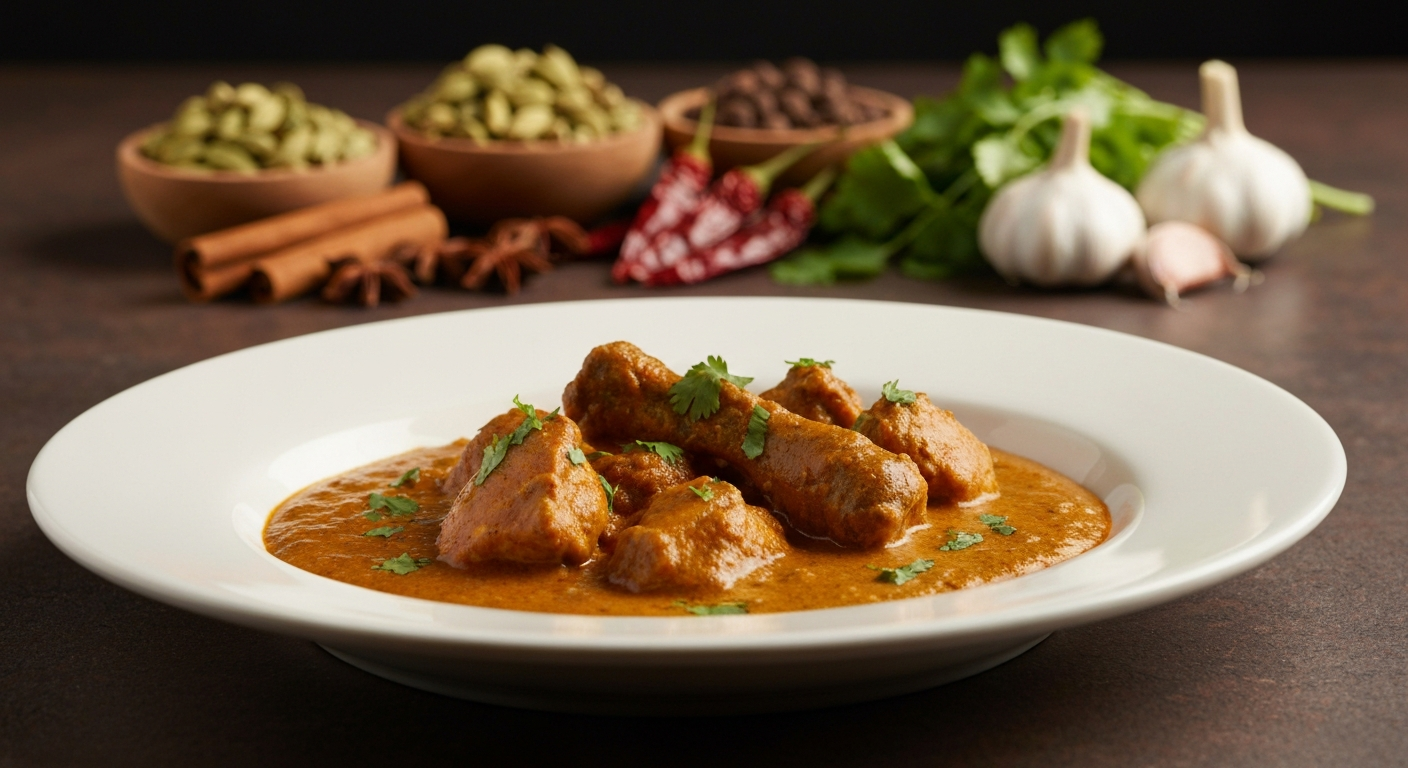
The culinary landscape for restaurants specializing in authentic Indian cuisine is vibrant and in high demand. However, like all segments of the food service industry, it faces the persistent challenge of rising ingredient costs. Managing indian food cost inflation restaurant operations is not just about reacting to price hikes; it requires a proactive, strategic approach to sourcing, menu design, and operational efficiency.
This guide offers practical strategies for restaurant owners and chefs to navigate the complexities of inflation, ensuring that the rich flavors and authenticity of Indian dishes remain accessible and profitable.
Understanding the Volatile Landscape of Indian Ingredient Costs
Indian cuisine relies on a diverse array of spices, pulses, grains, and fresh produce, many of which are subject to global market forces. Several factors contribute to the volatility of these ingredient costs:
- Global Supply Chains: Many essential Indian spices and specialty ingredients originate from specific regions worldwide, making them susceptible to geopolitical events, trade policies, and shipping disruptions.
- Climatic Conditions: Weather patterns, including droughts, floods, or unseasonal rains in growing regions, can significantly impact crop yields for spices like turmeric, cumin, and cardamom, leading to price spikes.
- Demand Fluctuations: Increasing global demand for Indian cuisine and ingredients can drive up prices, especially for premium or rare spices.
- Energy and Transportation Costs: Fuel prices directly affect the cost of transporting ingredients from farms to processing facilities and then to your kitchen door.
- Currency Exchange Rates: For imported ingredients, fluctuating exchange rates can impact the final cost in local currency.
Recognizing these underlying factors is the first step toward developing robust strategies to mitigate their impact on your restaurant's bottom line.
Strategic Sourcing: The Foundation of Cost Control
Effective procurement is paramount in managing indian food cost inflation restaurant profitability. Smart sourcing decisions can stabilize your ingredient costs and ensure consistent quality.
Bulk Purchasing for Economies of Scale
One of the most direct ways to reduce per-unit costs is through bulk purchasing. By committing to larger quantities, restaurants can often negotiate better prices with suppliers. This strategy is particularly effective for non-perishable items like rice, lentils, and a wide range of whole and ground spices. For example, MITRA offers a 50 kg minimum order quantity (MOQ), allowing restaurants to benefit from wholesale pricing and reduce the frequency of orders, which also saves on shipping and administrative costs.
Partnering with Reliable Wholesalers
Establishing relationships with reputable wholesale suppliers is crucial. A reliable partner offers:
- Consistent Quality: Ensures the authenticity and flavor profile of your dishes remain uncompromised.
- Competitive Pricing: Wholesalers can leverage their purchasing power to offer better rates than retail channels.
- Supply Stability: A trusted supplier can provide greater assurance of product availability, even during market fluctuations.
- Transparency: Reputable suppliers offer clear pricing structures and communicate any potential supply chain issues promptly.
Long-Term Supply Agreements
Consider entering into long-term contracts with your key suppliers for high-volume or critical ingredients. These agreements can lock in prices for an extended period, protecting your restaurant from sudden market increases. While they might require commitment, they provide invaluable budget predictability, which is a cornerstone of managing inflation.
Diversifying Your Supplier Network
While strong relationships with primary suppliers are important, having a diversified network of secondary suppliers acts as a crucial safety net. If one supplier faces issues (e.g., stock shortages, unexpected price hikes), you have alternative sources to turn to, preventing menu disruptions and maintaining cost stability.
Leveraging Prepared Indian Gravies and Pastes for Operational Efficiency and Cost Stability
Ready-to-use gravies, pastes, and sauces represent a significant opportunity for restaurants to combat inflation, especially concerning labor and consistency. Products like MITRA's range of chef-grade Indian gravies offer a strategic advantage.
Reducing Labor Costs
Preparing authentic Indian gravies from scratch is a labor-intensive process, requiring skilled chefs, extensive prep time, and specific cooking techniques. By using high-quality prepared gravies, kitchens can:
- Free Up Skilled Labor: Chefs can focus on finishing dishes, plating, and innovation rather than foundational prep.
- Streamline Operations: Reduce the need for extensive training on complex gravy bases.
- Mitigate Staffing Challenges: Less reliance on specialized skills for core components helps during labor shortages.
Minimizing Waste and Spoilage
Raw ingredients for gravies (onions, tomatoes, ginger, garlic, fresh herbs, and numerous spices) have varying shelf lives and can lead to significant waste if not managed perfectly. Prepared gravies come in bulk, shelf-stable formats, reducing spoilage and ensuring that every portion contributes to a dish, not to the bin. This translates directly into cost savings.
Ensuring Consistency and Quality
One of the biggest challenges in a busy kitchen is maintaining consistent flavor profiles across all dishes, especially for complex gravies. Prepared gravies from a trusted supplier guarantee:
- Standardized Taste: Every batch of butter chicken or korma will taste the same, regardless of who is cooking or what time of day it is.
- Authentic Flavor: Products manufactured to exacting standards ensure the traditional taste of Indian cuisine is preserved.
- Reliable Performance: High-quality gravies perform consistently, making kitchen operations smoother and more predictable.
Simplified Inventory Management
Instead of stocking dozens of individual spices, fresh produce, and other raw ingredients for gravy bases, kitchens can manage a more streamlined inventory of ready-to-use gravies. This reduces complexity, storage space requirements, and the risk of stockouts for critical components.
Assurance Through Certifications
When choosing prepared ingredients, look for suppliers who uphold rigorous quality and safety standards. Products manufactured under certifications like FSSAI, US FDA, ISO, Halal, HACCP, and GMP provide assurance of food safety, quality control, and ethical production practices. These certifications are not just labels; they represent a commitment to excellence that protects your restaurant and your customers.
Menu Engineering: Designing for Profitability
Menu engineering is a strategic process that analyzes the profitability and popularity of each dish to optimize your menu for maximum revenue and cost control.
Costing Every Dish Meticulously
Understand the true cost of every ingredient in every dish, including spices, oil, and garnishes. Calculate portion costs accurately. This detailed analysis reveals which dishes are genuinely profitable and which might be hidden cost sinks. When ingredient prices fluctuate, re-costing dishes is essential.
Optimizing Portion Control
Consistent portioning is critical to cost control. Over-portioning, even slightly, across many dishes can lead to significant ingredient waste and reduced profitability over time. Implement strict portion control guidelines and use standardized measuring tools.
Highlighting High-Margin Dishes
Once you've identified your most profitable dishes, strategically promote them on your menu. Use enticing descriptions, position them prominently, and train your staff to recommend them. This guides customer choices toward items that benefit your bottom line most.
Strategic Pricing Adjustments
When inflation hits, price adjustments might be necessary. Instead of blanket increases, consider:
- Small, Incremental Adjustments: Minor price increases are often less noticeable to customers.
- Bundling or Value Adds: Offer set menus or combos that provide perceived value while allowing you to adjust individual component prices.
- Premium Pricing for Signature Dishes: If a dish is exceptionally popular and unique, a slightly higher price point might be acceptable.
Cross-Utilization of Ingredients
Design your menu so that core ingredients can be used across multiple dishes. For example, a base onion-tomato gravy might be adaptable for several curries, or a specific blend of spices could feature in both a dry vegetable dish and a lentil preparation. This reduces inventory complexity, minimizes waste, and helps leverage bulk purchases more effectively.
Operational Efficiencies Beyond the Plate
Controlling costs extends beyond just ingredient procurement. Optimizing kitchen operations can significantly impact overall profitability.
Robust Inventory Control Systems
Implement a reliable inventory management system, whether manual or software-based. Track incoming and outgoing ingredients, conduct regular stock counts, and identify slow-moving items. This prevents over-ordering, reduces spoilage, and ensures you have critical ingredients on hand when needed.
Waste Reduction Programs
Train your kitchen staff on best practices for waste reduction, including:
- Proper Storage: Ensuring ingredients are stored at optimal temperatures and conditions to extend shelf life.
- First-In, First-Out (FIFO): Regularly rotating stock to use older ingredients before they expire.
- Creative Utilization: Finding ways to use trim or scraps, such as making stocks or purees.
- Portion Control Adherence: Reinforcing the importance of accurate portioning.
Energy and Resource Management
While not directly related to ingredient costs, managing utility consumption (electricity, gas, water) can significantly impact operational overheads. Simple practices like regular equipment maintenance, turning off unused appliances, and optimizing kitchen layout can yield savings.
Building a Resilient Supply Chain
In an unpredictable market, a resilient supply chain is your best defense against inflation and disruptions.
Accurate Demand Forecasting
Use historical sales data, seasonal trends, and upcoming promotions to accurately forecast your ingredient needs. Precise forecasting allows for smarter bulk purchasing and reduces the risk of both stockouts and excess inventory.
Maintaining Strategic Buffer Stock
For critical, non-perishable ingredients, consider maintaining a strategic buffer stock. This small reserve can protect you from short-term supply disruptions or sudden price increases, buying you time to find alternative solutions if needed.
Cultivating Strong Supplier Relationships
Treat your suppliers as partners. Open communication, timely payments, and mutual respect foster stronger relationships. In times of crisis or market volatility, a good relationship can mean preferential treatment, early warnings about price changes, or assistance in finding alternative products.
Reliable Shipping and Logistics
Understanding your supplier's shipping capabilities is crucial. For example, if a product is in stock in our US (Houston) or local-country warehouse, it ships in 2 days. If it is not in stock, the lead time is 35-60 days, and the customer is notified immediately of any delay. This transparency allows for better planning and inventory management, especially for restaurants operating in countries like USA, Canada, UK, UAE, Australia, Germany, Italy, India, France, Ireland, Switzerland, Netherlands, and more countries being added.
Conclusion
Managing indian food cost inflation restaurant profitability requires a holistic and proactive approach. By implementing strategic sourcing, leveraging high-quality prepared ingredients, optimizing your menu through engineering, and fostering operational efficiencies, restaurants can safeguard their margins without compromising the authenticity and quality that define Indian cuisine. Partnering with reliable suppliers like MITRA, who offer consistent quality, robust certifications, and transparent logistics, is a key component of this strategy, allowing you to focus on culinary excellence while we handle the foundation.
To learn more about how MITRA can support your restaurant with stable, high-quality Indian gravies, pastes, sauces, rice, and spices, please inquire via ododgroup.com. We are committed to being your partner in culinary success and cost management.