
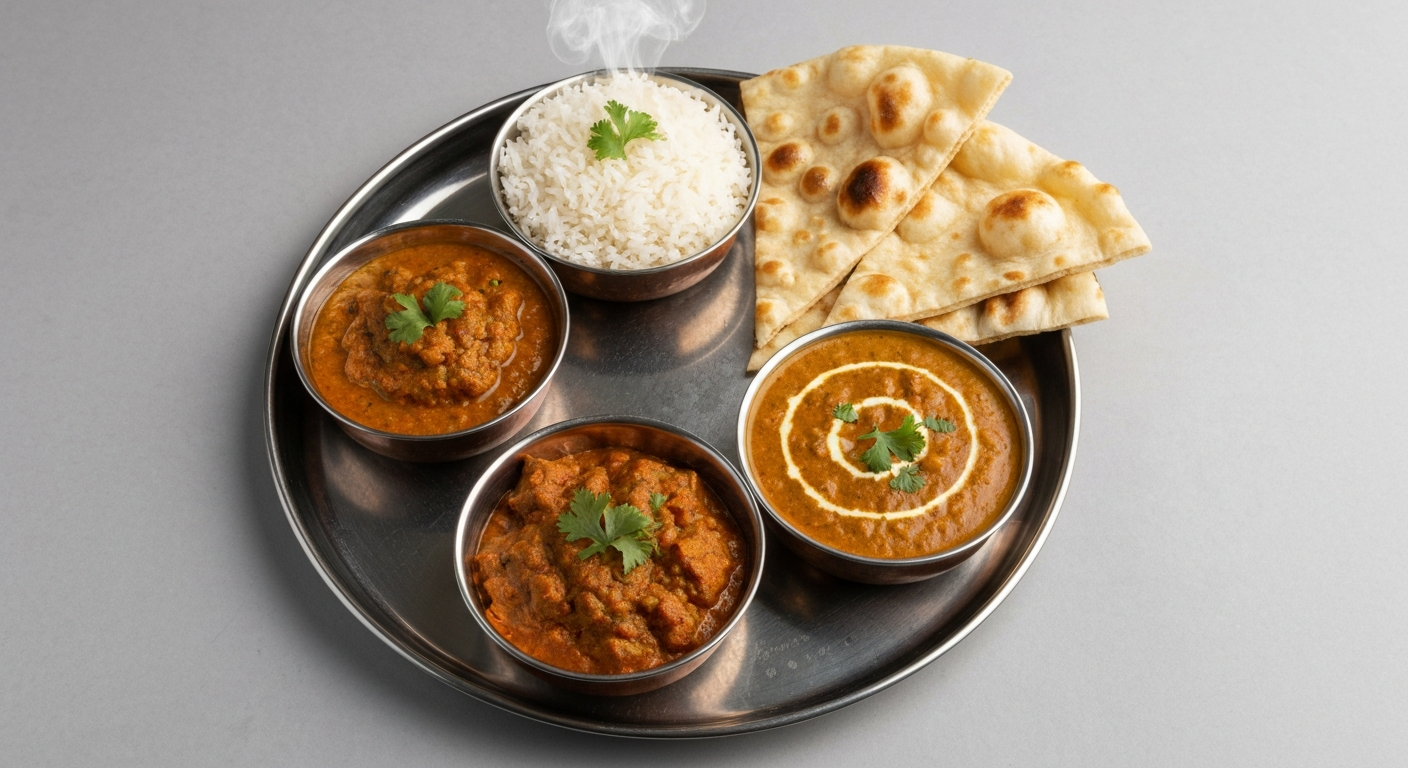
The global appeal of Indian cuisine is undeniable. Its aromatic spices, rich gravies, and diverse regional specialties captivate diners worldwide. For multi-unit hotel chains, integrating authentic Indian dishes into their menus presents a unique opportunity to enhance guest experience and cater to a broad spectrum of palates. However, achieving consistency across multiple locations while also adapting to local tastes and maintaining authenticity is a complex culinary and logistical challenge. This article explores effective strategies for multi-unit Indian menu localization, ensuring your hotel chain delivers a consistently exceptional Indian dining experience, whether in Houston, London, or Dubai.
The Dual Challenge: Authenticity vs. Localization in Indian Cuisine
Indian cuisine is not monolithic; it's a tapestry of distinct regional traditions, each with its own flavor profiles, staple ingredients, and cooking techniques. A South Indian sambar differs vastly from a North Indian dal makhani, just as a Goan fish curry varies from a Bengali macher jhol. This inherent diversity is both a strength and a challenge for multi-unit operators.
Guests, especially those familiar with Indian food, expect authenticity. They seek the genuine taste of a well-made butter chicken or a perfectly spiced biryani. Simultaneously, local demographics and guest preferences necessitate a degree of adaptation. A hotel in a region less familiar with Indian spices might require milder options, while one in an area with a significant South Asian diaspora might demand bolder, more traditional flavors. The key lies in striking a balance: preserving the soul of Indian cuisine while making it accessible and appealing to diverse local palates.
Understanding Your Local Palate: Market Research and Demographic Analysis
Effective menu localization begins with a deep understanding of your target audience at each specific location. This involves:
- Demographic Analysis: Who are your typical guests? Are they international tourists, business travelers, or local residents? What are their cultural backgrounds and culinary preferences?
- Local Food Trends: What are the prevailing dining trends in the area? Is there a demand for vegetarian/vegan options, specific spice levels, or particular regional cuisines?
- Competitor Analysis: What Indian restaurants or dishes are popular in the vicinity? What are they doing well, and where are there gaps in the market?
- Guest Feedback: Utilize surveys, comment cards, and direct interaction to gather insights on preferred flavors, spice levels, and desired dishes.
For example, a hotel property in a European city might find success with a curated selection of popular, broadly appealing Indian dishes with adjustable spice levels. In contrast, a property in the UAE or UK, with a larger South Asian population, might introduce more regional specialties and bolder flavor profiles to cater to a more discerning and knowledgeable clientele.
Strategies for Menu Adaptation in Multi-Unit Chains
Once you understand your local palate, you can implement targeted strategies for menu adaptation:
Core Authentic Dishes: The Non-Negotiables
Establish a core menu of universally loved Indian dishes that form the backbone of your offering. These should be prepared to the highest standards of authenticity and consistency across all locations. Examples include:
- Butter Chicken / Paneer Butter Masala
- Dal Makhani / Dal Tadka
- Chicken Tikka Masala / Paneer Tikka Masala
- Vegetable Korma
- Basmati Rice and assorted Naans
These dishes provide a foundational experience that guests can rely on, regardless of the hotel's location.
Customizable Components: Tailoring to Taste
This is where localization truly shines. Offer flexibility within your core framework:
- Adjustable Spice Levels: Rather than fixed heat, allow guests to choose mild, medium, or hot. This is easily achieved by adjusting chili at the point of service, especially when using standardized gravies.
- Protein Choices: Offer a variety of proteins (chicken, lamb, paneer, mixed vegetables, seafood) that can be incorporated into a consistent base gravy. This allows for diverse offerings without creating entirely new dishes.
- Local Ingredient Integration: Where appropriate, incorporate fresh, seasonal local produce into specific dishes. For instance, a vegetable curry could feature locally sourced seasonal vegetables, adding a unique regional touch while maintaining the Indian flavor profile.
- Regional Specials and Rotations: Introduce 1-2 rotating regional dishes that cater to specific local interests or guest demographics. This keeps the menu fresh and exciting. For example, a hotel in a coastal region might feature a Goan Fish Curry, while an inland location might highlight a Rajasthani Laal Maas.
Presentation and Storytelling
Enhance the dining experience through thoughtful presentation and engaging narratives. Describe the origin of a dish, its key ingredients, or its regional significance. This educates guests and deepens their appreciation for the cuisine, making the localized experience feel more intentional and authentic.
The Role of Standardized Ingredients in Multi-Unit Indian Menu Localization
Achieving consistent quality and flavor across multiple hotel kitchens, often with varying chef expertise, is perhaps the biggest operational hurdle. This is where high-quality, chef-grade standardized ingredients, such as those provided by MITRA, become indispensable for effective multi-unit Indian menu localization.
Ensuring Unwavering Consistency
MITRA's range of Indian gravies, pastes, and sauces are manufactured to rigorous standards, ensuring a consistent flavor, aroma, and texture every time. This means that a guest enjoying Butter Chicken in your New York hotel will experience the same authentic taste profile as a guest in your Sydney property. This consistency is paramount for maintaining brand reputation and guest satisfaction across a multi-unit chain.
Operational Efficiency and Cost Control
Utilizing pre-prepared, chef-grade bases significantly streamlines kitchen operations:
- Reduced Prep Time: Eliminates the need for extensive grinding of spices, sautéing onions, and slow-cooking gravies from scratch, freeing up kitchen staff for finishing and plating.
- Optimized Labor: Reduces reliance on highly specialized Indian chefs at every location, allowing existing culinary teams to execute authentic Indian dishes with confidence.
- Minimized Waste: Standardized portions and reduced spoilage of raw ingredients contribute to better inventory management and lower food costs.
- Scalability: Allows for easy replication of dishes across numerous locations, supporting rapid menu deployment and expansion.
Authenticity as a Foundation
Our products are manufactured to FSSAI, US FDA, ISO, Halal, HACCP, and GMP certifications, ensuring not only safety but also an authentic foundation for your Indian menu. These gravies and pastes are crafted to capture the true essence of Indian regional flavors, providing a robust base that can then be customized. Chefs can confidently build upon these high-quality bases, adding fresh proteins, vegetables, or adjusting spice levels to perfectly suit local preferences, without compromising the core authenticity.
Quality Control and Reliable Supply for Multi-Unit Operations
For multi-unit hotel chains, a dependable supply chain is as crucial as culinary excellence. ODOD LLC is committed to providing a seamless experience:
- Global Reach: We currently serve culinary professionals in the USA, Canada, UK, UAE, Australia, Germany, Italy, India, France, Ireland, Switzerland, and Netherlands, with our network continuously expanding.
- Efficient Shipping: If a product is in stock in our US (Houston) or local-country warehouse, it ships in 2 business days. For items not in stock, the lead time is typically 35-60 days, and customers are immediately notified of any potential delays.
- Bulk Ordering: Our minimum order quantity (MOQ) is 50 kg, designed to meet the demands of large-scale professional kitchens and distributors.
By partnering with a reliable supplier like ODOD LLC, multi-unit hotel chains can ensure a consistent supply of high-quality Indian ingredients, allowing them to focus on delivering exceptional guest experiences through their localized Indian menus.
Conclusion
Successfully implementing multi-unit Indian menu localization for hotel chains requires a strategic blend of culinary authenticity, market intelligence, and operational efficiency. By establishing a core menu of authentic dishes, offering customizable components, and leveraging high-quality standardized ingredients, hotel chains can cater to diverse regional palates while maintaining consistent quality and brand integrity across all their properties. This approach not only enhances guest satisfaction but also optimizes kitchen operations and profitability.
To explore how MITRA's range of chef-grade Indian gravies, pastes, and spices can elevate your multi-unit Indian menu localization strategy, request a quote or sample via ododgroup.com today.