
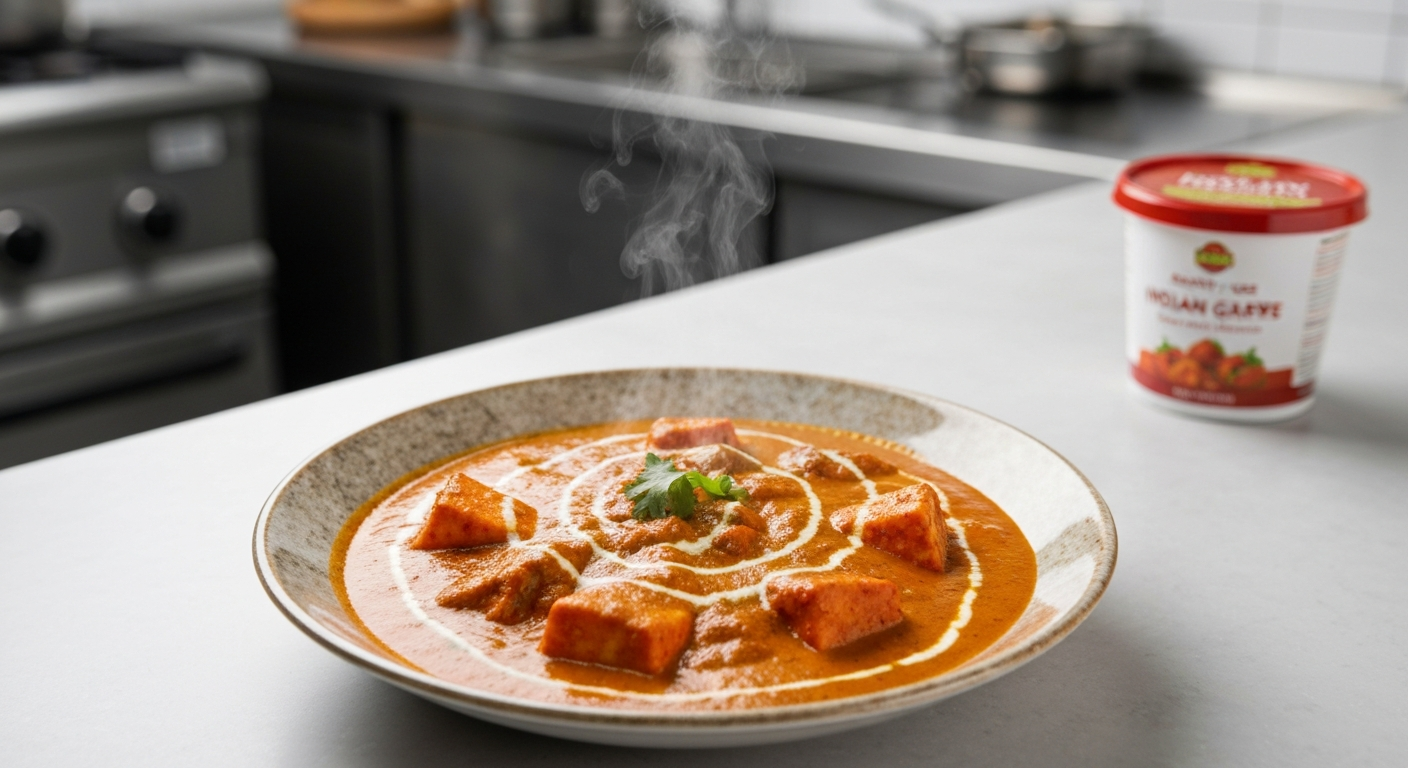
In the demanding environment of commercial kitchens, managing operational costs is paramount for long-term viability and profitability. Among the most significant and often overlooked expenses are utility bills. For restaurants specializing in Indian cuisine, known for its layered flavors and time-intensive preparations, energy consumption can be particularly high. However, strategic adoption of pre-prepped Indian gravies and pastes offers a powerful solution for restaurant utility cost reduction indian cuisine, enabling kitchens to operate more efficiently without compromising authenticity or quality.
The Energy Burden of Traditional Indian Cuisine Preparation
Traditional Indian cooking is a culinary art form, celebrated globally for its rich aromas and complex flavors. Achieving this depth often requires extensive preparation, prolonged cooking times, and the use of multiple pieces of equipment simultaneously. While essential for authentic taste, these methods translate directly into higher utility consumption:
- Extended Stovetop Usage: Many classic Indian gravies—such as Rogan Josh, Butter Chicken, or Korma—require hours of slow simmering to develop their characteristic richness and texture. This means burners operate for prolonged periods, consuming significant amounts of gas or electricity.
- Energy-Intensive Grinding and Blending: Freshly ground spices, onion-ginger-garlic pastes, and pureed tomatoes are foundational to Indian dishes. This involves blenders, food processors, and grinders running frequently, adding to electricity bills.
- Multiple Equipment Operations: A typical Indian kitchen might have several burners active, a tandoor oven heating, and various other appliances in use concurrently, all contributing to the overall energy load.
- Ventilation and HVAC Strain: The heat generated from extensive cooking requires robust ventilation systems to operate for longer durations. This, in turn, places a greater load on the kitchen's heating, ventilation, and air conditioning (HVAC) systems, especially in warmer climates, driving up electricity costs.
- Refrigeration Demands: Storing a wide array of fresh ingredients, from vegetables and dairy to various spices and herbs, necessitates substantial refrigeration capacity, another continuous energy draw.
These cumulative factors make traditional Indian kitchen operations inherently energy-intensive. Identifying areas for efficiency without sacrificing the culinary integrity of the dishes is a critical challenge for restaurant owners and chefs.
How Pre-Prepped Indian Bases Drive Utility Cost Reduction
Ready-to-use Indian gravies and pastes fundamentally alter the operational dynamics of a commercial kitchen, leading to substantial energy savings across several fronts:
1. Drastically Reduced Cooking Times
The most direct impact of pre-prepped Indian gravies is the significant reduction in active cooking time. Since the bases are already slow-cooked and seasoned to perfection, chefs no longer need to dedicate hours to simmering. Instead, the process transforms into a finishing act:
- Minimized Burner Usage: Gravies can be heated quickly, and proteins or vegetables added and simmered for a fraction of the time traditionally required. This means stovetop burners are active for minutes rather than hours, leading to direct savings on gas or electricity.
- Faster Turnaround: Dishes are ready much faster, allowing for more efficient service during peak hours and reducing the overall operational window during which kitchen equipment needs to be running at full capacity.
2. Less Equipment Usage and Wear
Pre-prepped bases eliminate much of the initial, energy-intensive ingredient preparation:
- No Grinding or Blending: The need for electric grinders, blenders, and food processors is significantly reduced or eliminated for base preparations, directly lowering electricity consumption.
- Reduced Water Heating: Less extensive cooking means less water is needed for simmering or cleaning, potentially reducing hot water heater usage.
- Extended Equipment Lifespan: Less continuous operation of heavy-duty equipment also contributes to less wear and tear, potentially extending the lifespan of appliances and reducing maintenance costs.
3. Optimized Ventilation and HVAC Load
Commercial kitchens are notorious for their heat output. By reducing the intensity and duration of cooking:
- Lower Heat Generation: Less prolonged stovetop cooking means less ambient heat is generated within the kitchen. This directly reduces the burden on the ventilation system and the air conditioning units.
- Efficient Air Management: Ventilation hoods don't need to run at maximum capacity for as long, saving electricity and potentially extending filter life.
- Improved Kitchen Comfort: A cooler kitchen environment also contributes to better working conditions for staff, which can indirectly boost productivity.
4. Streamlined Refrigeration and Inventory
While not a direct utility saving, efficient inventory management with pre-prepped bases can indirectly contribute to overall energy efficiency:
- Reduced Spoilage: MITRA's chef-grade gravies and pastes offer consistent quality and reliable shelf life. This minimizes the need to store large quantities of fresh, perishable raw ingredients that might spoil, reducing the load on refrigeration units for extended periods.
- Optimized Storage Space: Concentrated bases often require less storage space than the equivalent volume of raw ingredients, potentially allowing for more efficient use of existing refrigeration or even smaller refrigeration units.
Beyond Utilities: A Holistic Approach to Operational Efficiency
While restaurant utility cost reduction indian cuisine is a primary benefit, pre-prepped Indian bases offer a cascade of other operational advantages that contribute to overall profitability:
Labor Cost Savings
The most significant secondary benefit is often the reduction in labor costs. Eliminating hours of chopping, grinding, simmering, and constant stirring frees up skilled chefs to focus on menu development, plating, and customer experience. This allows for:
- Optimized Staffing: Potentially fewer kitchen staff needed during prep shifts or the ability to reallocate staff to other value-adding tasks.
- Reduced Training Time: Simpler processes mean less time spent training new hires on complex, multi-hour gravy preparations.
- Increased Productivity: Chefs can produce more dishes in less time, enhancing kitchen throughput, especially during peak service hours.
Consistent Quality and Authenticity
Maintaining consistent flavor and quality across all dishes, every single time, is a core challenge for multi-location restaurants or those with high staff turnover. MITRA's chef-grade Indian gravies and pastes ensure this consistency:
- Standardized Flavor Profiles: Each batch delivers the same authentic taste, ensuring customer satisfaction and repeat business.
- Reduced Errors: Minimizing human error in ingredient measurement and cooking steps means fewer re-dos, which indirectly saves energy, ingredients, and labor.
Enhanced Menu Flexibility and Scalability
With ready-to-use bases, kitchens can quickly adapt to changing menu trends or expand their offerings without a proportional increase in kitchen complexity or energy demand:
- Rapid Menu Expansion: New Indian dishes can be introduced with minimal lead time, as the foundational gravies are already prepared.
- Easy Scalability: Whether scaling up for catering events, opening new locations, or managing high-volume service, pre-prepped bases allow for efficient expansion without a significant jump in utility or labor costs.
Waste Reduction and Sustainability
By reducing reliance on raw ingredients and standardizing preparations, kitchens can also see benefits in waste reduction:
- Less Ingredient Spoilage: Pre-prepped bases typically have a longer, more stable shelf life, reducing the waste associated with fresh, perishable ingredients.
- Predictable Portions: Standardized products help in precise portion control, further minimizing food waste.
- Support for Sustainable Practices: By optimizing energy use and reducing waste, kitchens can contribute to more sustainable operational models, an increasingly important factor for conscious consumers and businesses.
Choosing the Right Partner for Pre-Prepped Indian Bases
To truly leverage the benefits of pre-prepped Indian bases for utility cost reduction and overall operational efficiency, selecting a reliable supplier is crucial. ODOD LLC, under the MITRA brand, offers chef-grade Indian gravies, pastes, sauces, rice, and spices specifically designed for professional kitchens.
When evaluating a supplier, consider:
- Authenticity and Quality: Ensure the products deliver the true flavors and textures expected of authentic Indian cuisine.
- Certifications: Look for robust food safety and quality certifications such as FSSAI, US FDA, ISO, Halal, HACCP, and GMP, which guarantee product integrity and compliance.
- Consistency: A reputable supplier will ensure every batch meets the same high standards.
- Reliable Supply Chain: Timely delivery is critical for kitchen operations. ODOD LLC offers shipping in 2 days if a product is in stock in our US (Houston) or local-country warehouse. If not in stock, the lead time is 35-60 days, with immediate notification of any delay. We currently serve businesses in the USA, Canada, UK, UAE, Australia, Germany, Italy, India, France, Ireland, Switzerland, and Netherlands.
MITRA products are manufactured to stringent quality standards, providing the foundation for exceptional Indian dishes while streamlining your kitchen's operations and significantly contributing to restaurant utility cost reduction indian cuisine.
Implementing Pre-Prepped Bases in Your Kitchen
Integrating ready-to-use Indian bases into your menu is a straightforward process:
- Menu Review: Identify dishes that can benefit most from pre-prepped gravies and pastes, especially those with long simmering times.
- Trial and Taste: Experiment with different bases to ensure they meet your culinary standards and blend seamlessly with your existing recipes.
- Staff Training: Educate your kitchen team on the new streamlined processes, highlighting how these bases simplify preparation and reduce cooking time.
- Inventory Adjustment: Adapt your purchasing to reflect the reduced need for raw ingredients, focusing on efficient stock rotation with the pre-prepped bases.
Conclusion
In an era where every operational cost is under scrutiny, leveraging pre-prepped Indian gravies and pastes is a smart, strategic move for any commercial kitchen serving Indian cuisine. From significant restaurant utility cost reduction indian cuisine to substantial savings in labor, enhanced consistency, and greater menu flexibility, the benefits are clear and far-reaching. By embracing these innovative solutions, restaurants can achieve greater profitability and efficiency, allowing chefs to focus on culinary creativity and delivering exceptional dining experiences.
Ready to explore how MITRA's chef-grade Indian gravies and pastes can transform your kitchen's efficiency and bottom line? Discover our range of products and request a quote or sample today. Our minimum order quantity is a 50 kg minimum order quantity (MOQ).
Inquire via ododgroup.com to learn more about our offerings and how we can support your restaurant's success.