
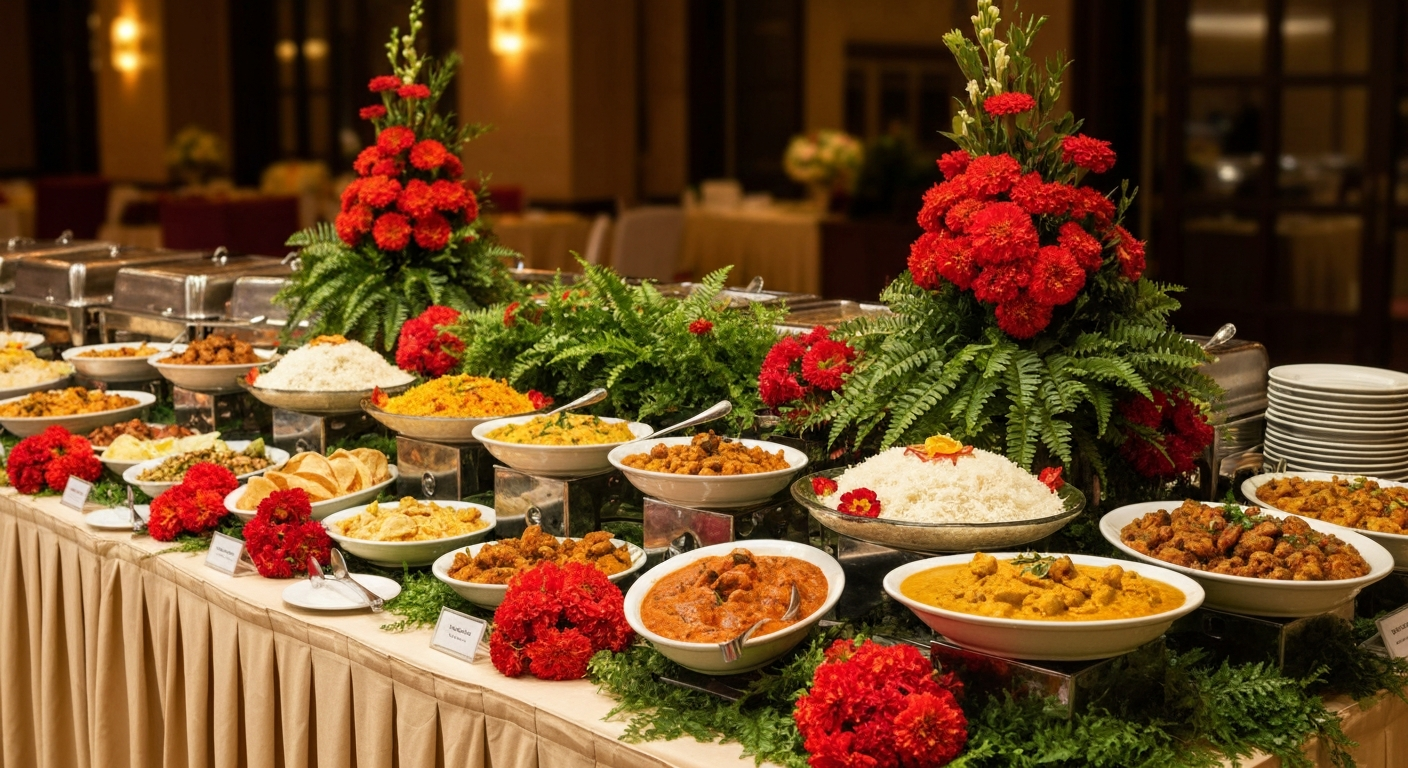
In the competitive hospitality landscape, hotels are constantly seeking ways to elevate guest experiences, particularly when it comes to dining. For large-scale events like weddings, conferences, or corporate galas, offering an authentic and diverse Indian menu is a significant draw. However, catering to the increasing demand for hotel banquet Indian special diets presents unique operational challenges. From vegetarian and vegan requests to gluten-free, dairy-free, nut-free, and Halal requirements, managing diverse dietary needs efficiently, without compromising authenticity or taste, can strain even the most well-equipped hotel kitchens.
This article explores strategic approaches and practical solutions for hotels to master dietary diversity in their Indian banquet offerings. We will delve into how pre-prepared, chef-grade Indian gravies and pastes can revolutionize kitchen operations, ensuring consistency, reducing labor costs, and simplifying allergen management, ultimately enhancing the guest experience and your hotel's reputation.
The Evolving Landscape of Dietary Needs in Banquets
Modern diners are more informed and proactive about their dietary choices and restrictions than ever before. For banquet events, this means a significant portion of guests may have specific requirements that extend beyond simply disliking a particular ingredient. Ignoring these needs is no longer an option; accommodating them seamlessly is a mark of exceptional service.
Common dietary considerations for Indian banquets include:
- Vegetarian and Vegan: A foundational aspect of Indian cuisine, but ensuring distinct vegan options (free from dairy, ghee, and honey) requires careful planning.
- Gluten-Free: Many traditional Indian dishes are naturally gluten-free (rice, lentils), but cross-contamination or specific ingredients (e.g., asafoetida with wheat flour, certain breads) can pose challenges.
- Dairy-Free: Critical for vegan guests and those with lactose intolerance or dairy allergies. Many rich Indian gravies traditionally rely on cream, yogurt, or paneer.
- Nut Allergies: Peanuts, cashews, and almonds are common in Indian cooking, especially in rich gravies like Korma. Dedicated nut-free options are essential.
- Halal: Ensuring all ingredients, from meat to oils and processing methods, comply with Halal standards.
- Jain: A stricter form of vegetarianism that excludes root vegetables (onions, garlic, potatoes, carrots, etc.) and certain other ingredients.
- Other Allergies: Soy, sesame, and other less common but critical allergens.
Manually adapting every dish for every possible restriction in a high-volume banquet setting is resource-intensive, prone to error, and can lead to inconsistencies in flavor and quality. This is where strategic sourcing and operational adjustments become paramount.
Leveraging the Natural Adaptability of Indian Cuisine
Indian cuisine, with its rich tapestry of regional flavors and emphasis on plant-based ingredients, is inherently well-suited for dietary adaptation. Many dishes are naturally vegetarian, and with thoughtful ingredient selection, a significant number can be made vegan, gluten-free, or dairy-free without losing their authentic character.
- Spice-Driven Flavors: The core of Indian taste lies in its complex spice blends, which are naturally free of most major allergens. This allows for flavor profiles to be maintained even when primary ingredients are swapped.
- Lentils and Legumes: Dals and other lentil preparations are naturally vegetarian, often vegan (when ghee is replaced with oil), and gluten-free, forming a hearty and nutritious base.
- Rice-Based Dishes: Pulao, biryani, and plain rice are staple gluten-free components that can be paired with various gravies.
- Vegetable Focus: A multitude of vegetable-based curries and dry preparations can be crafted to meet specific needs.
However, the challenge for banquets remains consistency and scale. How does a hotel kitchen consistently deliver these adaptable dishes for hundreds of guests without increasing prep time or requiring extensive specialized training for every chef?
Strategic Sourcing: The Foundation for Efficiency and Consistency
The most impactful solution for managing hotel banquet Indian special diets lies in strategic sourcing of high-quality, pre-prepared ingredients. This is where chef-grade Indian gravies and pastes become invaluable.
The Advantages of Pre-Prepared Indian Gravies and Pastes
- Labor Cost Reduction: Preparing authentic Indian gravies from scratch is time-consuming and requires skilled labor. Pre-prepared solutions drastically cut down on chopping, grinding, sautéing, and simmering time, allowing kitchen staff to focus on assembly and finishing.
- Unwavering Consistency: Achieving the exact flavor profile for a butter chicken or a rich Korma across multiple batches and different chefs is notoriously difficult. Professionally manufactured gravies ensure a consistent taste, texture, and color every single time, guaranteeing guest satisfaction.
- Simplified Allergen Management: Reputable suppliers provide clear, comprehensive ingredient lists. This makes it significantly easier for hotels to identify potential allergens and confidently label dishes. Furthermore, by using standardized bases, the risk of cross-contamination from raw ingredients or shared prep surfaces is reduced.
- Waste Reduction: Pre-prepared gravies allow for better portion control and reduce spoilage of raw ingredients, leading to less food waste and improved inventory management.
- Authenticity and Quality: High-quality, chef-grade products are formulated by culinary experts to deliver authentic Indian flavors, often replicating traditional slow-cooking methods. This allows hotels to offer genuine regional dishes without needing a full team of specialized Indian chefs.
- Compliance and Safety: Our products are manufactured to stringent quality standards and produced under internationally recognized certifications such as FSSAI, US FDA, ISO, Halal, HACCP, and GMP. These certifications provide an additional layer of assurance regarding food safety and quality for your hotel.
Designing an Inclusive Indian Banquet Menu with MITRA Products
Implementing pre-prepared gravies and pastes allows for a modular approach to menu design, making it simpler to cater to diverse dietary needs.
1. Modular Menu Approach
Start with versatile base gravies that can be customized. For example:
- Tomato-Onion Base: A foundational gravy for many North Indian dishes. It can be made dairy-free by using oil instead of ghee and then adapted for protein (chicken, lamb, paneer, mixed vegetables) or made vegan with chickpeas or lentils.
- Cashew-Coconut Base: Ideal for rich Kormas. A nut-free version can use sunflower seeds or poppy seeds for thickening. A dairy-free version uses coconut milk. This base can then be combined with chicken, vegetables, or plant-based proteins.
- Spinach Base (Palak): Naturally vegetarian. Can be made vegan with oil and used for Palak Paneer (with tofu for vegan), Palak Corn, or Palak Dal.
Using MITRA's range of Indian gravies and pastes, kitchens can quickly create multiple variations from a single base, minimizing complexity.
2. Dedicated Preparation and Serving Stations
For large banquets, designating specific areas or even entire buffet lines for certain dietary categories can prevent cross-contamination.
- Vegetarian/Vegan Station: Clearly marked and served with dedicated utensils.
- Gluten-Free Options: Ensure these dishes are prepared and served separately from items containing gluten (e.g., naan, roti).
- Allergen-Specific Dishes: For severe allergies, consider individual plated portions prepared in a controlled environment.
3. Clear and Informative Labeling
Empower guests to make safe choices. Every dish on the buffet line or menu should be clearly labeled with icons or text indicating:
- Vegetarian (V)
- Vegan (VG)
- Gluten-Free (GF)
- Dairy-Free (DF)
- Nut-Free (NF)
- Halal (H)
- Jain (J)
Include a disclaimer advising guests with severe allergies to speak with staff, and ensure your staff are well-informed.
4. Staff Training and Communication
Even with pre-prepared products, kitchen and front-of-house staff must be knowledgeable. Training should cover:
- Ingredient Knowledge: Understanding the components of each dish and potential allergens.
- Preparation Protocols: Best practices for preventing cross-contamination.
- Guest Interaction: How to confidently answer guest questions and direct them to appropriate options or kitchen supervisors.
Operational Benefits for Hotels
Beyond just meeting guest needs, adopting these solutions provides tangible benefits for your hotel's operations:
- Enhanced Reputation: Hotels known for their ability to cater to diverse dietary needs attract more bookings and positive reviews.
- Increased Efficiency: Reduced prep time and simplified processes lead to smoother kitchen operations, especially during peak banquet seasons.
- Cost Savings: Lower labor costs, reduced ingredient waste, and consistent quality contribute directly to your bottom line.
- Risk Mitigation: Clear allergen management reduces the risk of adverse reactions and associated liabilities.
- Scalability: Easily scale up or down based on event size without overhauling kitchen processes or hiring temporary specialized staff.
Partnering for Success: The MITRA Advantage
At ODOD LLC, under our MITRA brand, we understand the complexities of catering to hotel banquet Indian special diets at scale. Our range of chef-grade Indian gravies, pastes, sauces, rice, and spices are designed to provide professional kitchens with authentic flavors, consistent quality, and operational efficiency.
Our products allow your chefs to focus on creative plating and customization rather than labor-intensive base preparations. We offer a 50 kg minimum order quantity (MOQ), making it accessible for a wide range of hotel operations. For products in stock at our US (Houston) or local-country warehouses, shipping occurs within 2 days. If a product is not immediately available, we notify customers promptly, and the lead time is typically 35-60 days.
We proudly serve hotels and other food service businesses in the USA, Canada, UK, UAE, Australia, Germany, Italy, India, France, Ireland, Switzerland, and the Netherlands, with our distribution network continuously expanding to new regions.
Conclusion
Mastering dietary diversity in Indian hotel banquets is no longer a luxury but a necessity for hotels striving for excellence. By strategically integrating high-quality, pre-prepared Indian gravies and pastes, hotels can streamline operations, ensure consistent authenticity, and confidently cater to a broad spectrum of dietary requirements. This approach not only enhances guest satisfaction and your hotel's reputation but also contributes to significant operational efficiencies and cost savings. Elevate your Indian banquet offerings and differentiate your hotel as a leader in inclusive culinary experiences.
Ready to enhance your hotel's Indian banquet capabilities? Inquire about MITRA's chef-grade Indian gravies, pastes, and spices today. Visit ododgroup.com to request a quote or sample.