
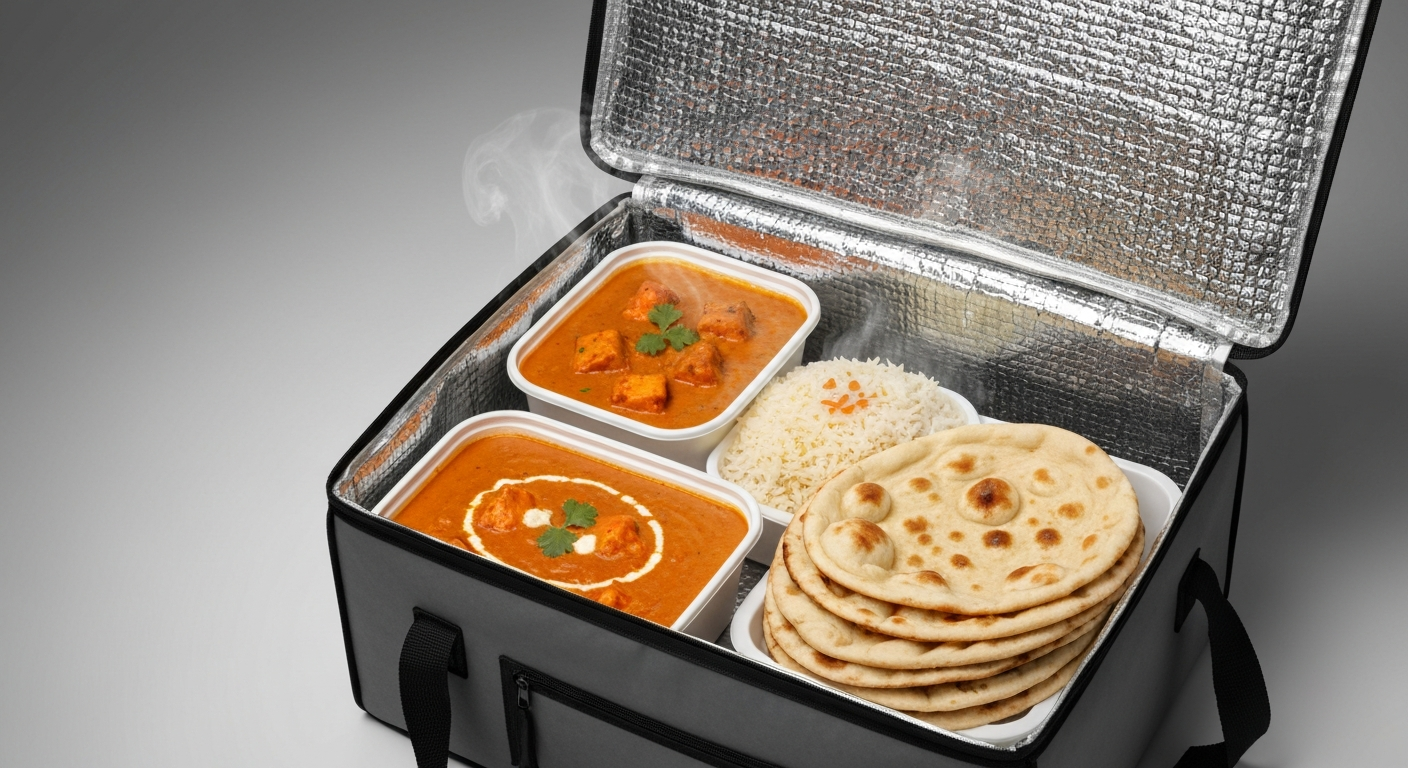
Operating a ghost kitchen presents unique opportunities for culinary entrepreneurs, but it also introduces distinct challenges, especially when specializing in a cuisine as diverse and nuanced as Indian food. Ensuring that aromatic curries, fluffy rice, and crispy breads arrive at the customer's door maintaining their original quality, temperature, and integrity is paramount for success. This article delves into practical strategies for ghost kitchen indian food delivery optimization, focusing on maintaining peak quality and temperature from your kitchen to the customer's table.
The Unique Demands of Indian Cuisine in Delivery
Indian cuisine is characterized by its complex flavor profiles, diverse textures, and often, rich gravies. Unlike some other cuisines, many Indian dishes are designed to be served hot, with distinct components that can suffer significantly if temperature or texture is compromised during transit. Consider the following:
- Gravies and Curries: These are the heart of many Indian meals. They must arrive hot, not lukewarm, to preserve their intricate spice balance and comforting warmth. Cooling can cause oils to separate or textures to congeal.
- Rice and Breads: Basmati rice needs to remain fluffy and warm, not dry or clumpy. Naan, roti, and paratha should ideally retain some softness and warmth, avoiding a rubbery or tough texture.
- Fried Items: Samosas, pakoras, and other fried appetizers are best when crisp. Condensation in packaging can quickly turn them soggy, diminishing their appeal.
- Layered Dishes: Biryanis, with their distinct layers of rice, meat, and vegetables, require careful packaging to prevent mixing and maintain visual appeal.
For ghost kitchens, where the entire customer experience hinges on the delivered product, these challenges are magnified. Without the ambiance of a physical restaurant, the food itself must speak volumes.
Pre-Delivery Kitchen Strategies for Consistency
Optimizing delivery begins long before the order leaves your kitchen. Implementing robust pre-delivery strategies is crucial for maintaining quality and temperature.
Precise Batch Cooking and Holding
- Cook-to-Order vs. Batch Cooking: While some items benefit from being cooked à la minute, many Indian gravies and bases can be efficiently batch-cooked. The key is to hold them at safe, ideal temperatures without overcooking or compromising freshness.
- Holding Equipment: Invest in high-quality holding cabinets, chafing dishes, or steam tables that can maintain precise temperatures (above 140°F / 60°C for hot foods) without drying out or continuing to cook the food. Regular temperature checks are essential.
- Portioning Efficiency: Develop a system for rapid and consistent portioning into delivery containers. This minimizes the time food spends cooling down on a counter.
Initial Temperature Targets
Establish strict internal temperature targets for all dishes immediately prior to packaging. For example, gravies should be at least 165°F (74°C) when transferred to containers. This provides a buffer against heat loss during the packaging and transit phases.
Advanced Packaging: The Silent Partner in Quality
Effective packaging is perhaps the most critical component of ghost kitchen indian food delivery optimization. It's not just about containment; it's about preservation.
Insulated and Vented Containers
- Material Choice: Opt for packaging materials with good insulation properties. Thick, microwave-safe plastic containers, aluminum foil containers with sturdy lids, or even compostable sugarcane pulp containers can work. Double-wall construction can offer superior insulation.
- Venting for Crispness: For fried items like samosas or pakoras, packaging needs strategic venting. A small vent hole allows steam to escape, preventing condensation buildup that leads to sogginess, while still retaining sufficient heat.
- Compartmentalization: Indian meals often consist of several components (main, rice, bread, raita). Use multi-compartment containers or separate smaller containers for each item to prevent flavors from mixing and to maintain distinct textures. This is especially important for items like raita or chutneys that should remain cool, separate from hot dishes.
Secure and Leak-Proof Design
Gravies are prone to spilling. Ensure all containers have tight-fitting, leak-proof lids. Consider using tamper-evident seals for added food safety and customer confidence.
Eco-Friendly Options
As consumers become more environmentally conscious, exploring sustainable packaging options can be a significant differentiator, provided they meet the functional requirements for temperature and quality.
Temperature Control in Transit: From Kitchen to Doorstep
Even the best packaging needs support during the actual delivery journey.
High-Performance Insulated Delivery Bags
- Professional-Grade Bags: Invest in robust, professional-grade insulated delivery bags. These are designed with superior thermal lining and often feature reinforced zippers and handles for durability.
- Active Heating/Cooling Elements: For longer delivery routes or extreme weather, consider adding active heating elements (like heated pads or hot packs) to insulated bags for hot food, or cold packs for items meant to be chilled.
- Bag Maintenance: Regularly clean and inspect delivery bags to ensure they remain sanitary and effective. Damaged insulation can compromise temperature control.
Optimizing Delivery Logistics
- Route Planning Software: Utilize advanced routing software to minimize transit times. Shorter delivery distances mean less time for food to cool down or spoil.
- Driver Training: Educate delivery drivers on the importance of food temperature and handling. Training should cover how to properly load and unload bags, avoid tilting containers, and minimize delays.
- Order Batching: Strategically batch orders going to similar geographical areas to reduce overall delivery time per customer, ensuring fresher arrivals.
Menu Engineering for Delivery Success
Not all dishes travel equally well. Ghost kitchens specializing in Indian cuisine can benefit from a delivery-centric menu approach.
- Travel-Friendly Dishes: Prioritize dishes that naturally hold up well to transit. Hearty curries, robust biryanis, and lentil-based dishes often fare better than delicate, crispy items or quickly perishable salads.
- Reheating Instructions: Provide clear, concise reheating instructions for customers. A small printed card or sticker can significantly enhance the customer experience, ensuring they enjoy the meal as intended.
- Deconstructed Elements: For some dishes, consider deconstructing components that can be assembled by the customer. For example, sauces separate from fried items, or garnishes packed separately.
The Foundation: Consistent, High-Quality Ingredients
The ability to consistently deliver high-quality Indian food starts with the ingredients themselves. For ghost kitchens, where operational efficiency is key, leveraging pre-prepared, chef-grade components can be a game-changer.
MITRA's range of Indian gravies, pastes, sauces, rice, and spices are manufactured to stringent quality controls, ensuring consistency in flavor, texture, and performance. Using a reliable base for your curries means less variability in the kitchen, making it easier to predict cooking times and final product quality, which directly impacts delivery success. Our products are manufactured under certifications such as FSSAI, US FDA, ISO, Halal, HACCP, and GMP, providing a foundation of safety and quality you can trust.
Our products are available with a 50 kg minimum order quantity (MOQ), designed to meet the needs of professional kitchens and caterers. For products in stock in our US (Houston) or local-country warehouses, shipping occurs within 2 days. If an item is not in stock, the lead time is typically 35-60 days, and customers are immediately notified of any potential delays. We currently serve a growing list of countries including the USA, Canada, UK, UAE, Australia, Germany, Italy, India, France, Ireland, Switzerland, and Netherlands.
Upholding Food Safety Standards
Beyond quality and temperature, food safety is non-negotiable. Adhering to strict hygiene protocols throughout the cooking, packaging, and delivery process is paramount. Implement robust HACCP principles, ensuring critical control points are monitored and corrective actions are taken when necessary. Regular training for all kitchen and delivery staff on food safety practices, cross-contamination prevention, and allergen awareness is essential. Our commitment to manufacturing products under certifications like FSSAI, US FDA, ISO, Halal, HACCP, and GMP reflects this dedication to food safety at every stage.
Conclusion
Ghost kitchen indian food delivery optimization is a multi-faceted endeavor that requires attention to detail at every stage, from ingredient sourcing and kitchen preparation to packaging and final transit. By implementing smart strategies for temperature control, investing in appropriate packaging, streamlining logistics, and building your menu around delivery-friendly dishes, your ghost kitchen can not only meet but exceed customer expectations. Providing a consistently high-quality and safe dining experience is the cornerstone of building a successful ghost kitchen brand in the competitive Indian food market.
To learn more about how MITRA's chef-grade Indian gravies, pastes, sauces, rice, and spices can support your ghost kitchen's quality and efficiency goals, please inquire via ododgroup.com. Request a quote or sample today to experience the difference our products can make for your operations.