
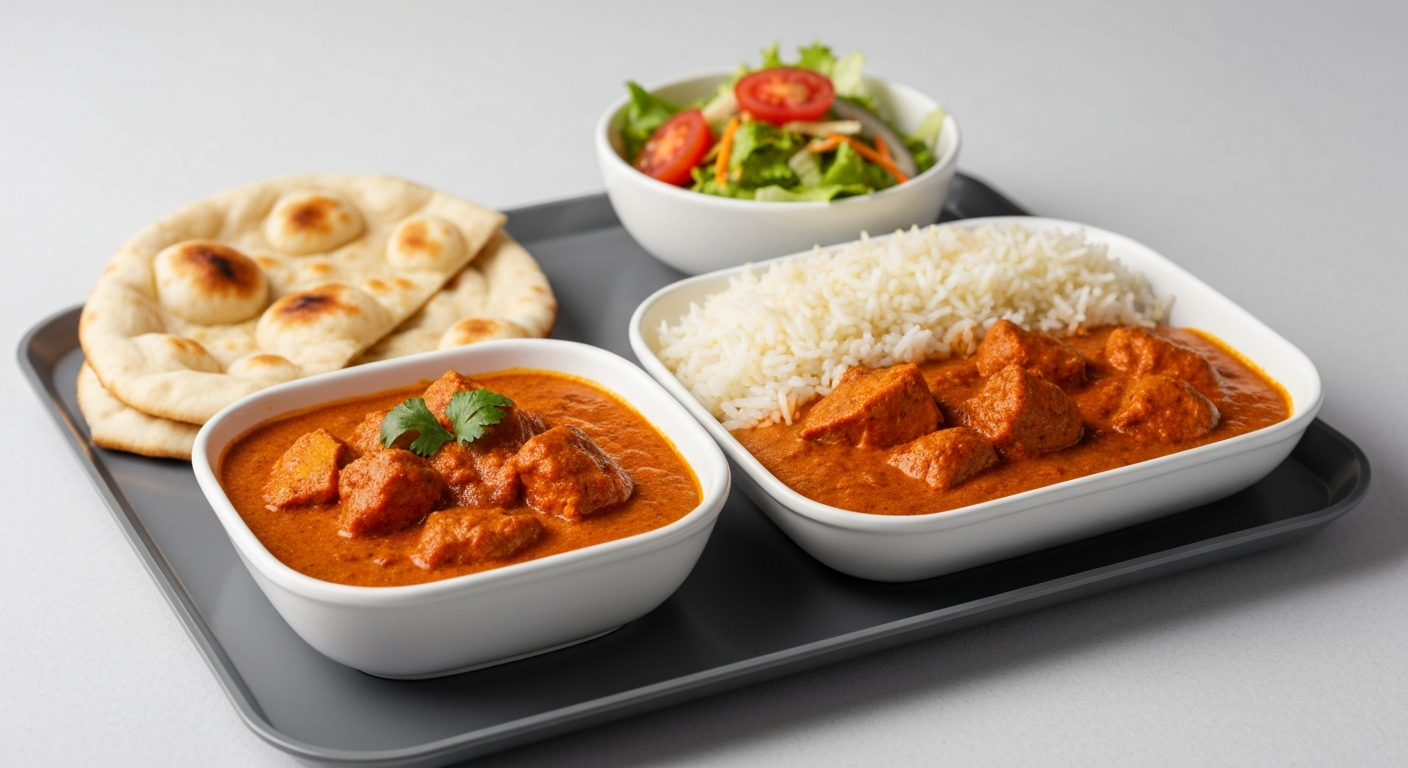
The culinary landscape of air travel and cruise lines presents a unique set of challenges, particularly when delivering diverse and authentic international cuisines. For professional kitchens serving Indian meals at 30,000 feet or across oceans, ensuring robust Indian airline meal food safety and extending product shelf life are paramount. This requires a meticulous approach to ingredient sourcing, preparation, packaging, and logistics, all while preserving the rich, aromatic flavors that define Indian cuisine.
Airline and cruise catering operations demand unwavering consistency and adherence to global safety standards. The environment – from galley constraints to varied onboard temperatures and humidity – necessitates food solutions that are not only delicious but also engineered for stability and safety over extended periods. This article explores the critical strategies and solutions for achieving this balance, offering practical insights for caterers aiming to elevate their Indian meal offerings.
The Unique Demands of Airborne and Seaborne Indian Cuisine
Serving authentic Indian food in a non-traditional environment like an airplane or cruise ship galley introduces specific operational hurdles. Unlike a conventional restaurant kitchen, space is often limited, equipment specialized, and reheating processes standardized. These factors directly impact food preparation, storage, and ultimately, food safety and quality.
Environmental and Operational Constraints
- Temperature Fluctuations: Meals often undergo multiple temperature changes, from chilling post-preparation, during transport, and then reheating onboard. Each transition point is a potential risk for bacterial growth if not managed precisely.
- Humidity Levels: Cabins and ship galleys can have varying humidity, affecting the texture and freshness of certain dishes, especially those with delicate ingredients or fried components.
- Limited Galley Space and Equipment: Onboard kitchens have minimal space for elaborate cooking. This necessitates pre-prepared, ready-to-heat components that minimize on-site cooking and assembly.
- Extended Holding Times: Meals may be prepared hours before consumption, requiring robust shelf-life management to maintain quality and safety.
- Global Supply Chains: Sourcing authentic ingredients and delivering prepared meals across international borders adds layers of complexity to logistics and regulatory compliance.
The Authenticity-Safety Paradox
Authentic Indian cuisine often relies on fresh ingredients, complex spice blends, and cooking methods that are traditionally executed à la minute. Translating this to high-volume, pre-prepared meals without compromising flavor or safety is a significant challenge. The goal is to deliver the characteristic depth of flavor and aroma that passengers expect from Indian dishes, while simultaneously adhering to the most stringent food safety protocols.
Mastering Shelf Life Extension for Indian Gravies and Meals
Extending the shelf life of Indian meals while preserving their sensory qualities is a science. For airline and cruise caterers, this means leveraging advanced food processing and packaging technologies. The focus is on inhibiting microbial growth and preventing spoilage, without resorting to artificial preservatives that could detract from the natural taste.
Thermal Processing and Packaging Innovation
Key strategies include:
- Advanced Thermal Sterilisation: Sealed products are treated with precisely controlled high-temperature processes that destroy spoilage microorganisms and pathogens, giving a significantly extended shelf life at ambient temperatures without refrigeration, until opened. This is particularly effective for gravies, curries, and lentil dishes.
- Vacuum Packaging: Removing air from packaging reduces oxygen levels, which inhibits the growth of aerobic bacteria and slows oxidative spoilage, preserving freshness and flavor.
- Modified Atmosphere Packaging (MAP): Replacing the air inside a package with a controlled mix of gases (e.g., nitrogen, carbon dioxide) can further extend shelf life by slowing respiration rates in fresh ingredients and inhibiting microbial growth.
- Aseptic Processing: For liquid products like sauces and gravies, aseptic processing involves sterilizing the product and the packaging separately, then combining them in a sterile environment. This allows for ambient storage of liquid products.
Ingredient Selection and Formulation
The choice of ingredients plays a crucial role. Using high-quality, fresh raw materials and precise formulations helps in achieving desired shelf life. For instance, the acidity of certain ingredients (like tomatoes or tamarind) in gravies can naturally contribute to preservation. Products like MITRA's ready-to-use Indian gravies are formulated to be shelf-stable, designed for extended usability without compromising the authentic flavor profile.
Cold Chain Integrity
Even with advanced processing, maintaining a robust cold chain from production to the point of use is critical for products requiring refrigeration. This involves:
- Temperature-Controlled Storage: Ensuring products are stored at consistent, appropriate temperatures.
- Refrigerated Transport: Utilizing specialized vehicles for transit that maintain the required temperature range.
- Monitoring Systems: Implementing continuous temperature monitoring throughout the supply chain to identify and address any deviations promptly.
Adhering to Global Food Safety Standards
For any food supplier operating in the global market, especially for sensitive sectors like airline and cruise catering, adherence to international food safety certifications is non-negotiable. These certifications provide a framework for consistent quality and safety management, assuring clients of reliable and compliant products.
MITRA brand products are manufactured under stringent quality control and adhere to a comprehensive suite of international food safety certifications, including:
- FSSAI: Essential for products distributed within India and recognized globally for its robust standards.
- US FDA: A critical certification for products entering the United States market, ensuring compliance with strict American food safety regulations.
- ISO: Demonstrates a commitment to international quality management systems, ensuring consistent product and service delivery.
- Halal: Certifies that products meet Islamic dietary laws, crucial for serving diverse passenger demographics.
- HACCP: A preventive system that identifies, evaluates, and controls hazards significant to food safety, from raw material to consumption. This is particularly vital for mass catering operations.
- GMP: Ensures that products are consistently produced and controlled according to quality standards, minimizing risks involved in any food production.
These certifications are not merely badges; they represent a deep operational commitment to food safety at every stage of production. For airline and cruise caterers, partnering with a supplier whose products are manufactured under these rigorous standards simplifies compliance and mitigates risk, providing peace of mind that every meal served meets the highest global benchmarks.
The Strategic Advantage of Ready-to-Use Indian Gravies and Pastes
For high-volume catering, the shift towards pre-prepared, chef-grade components like MITRA's Indian gravies and pastes offers significant advantages in both food safety and operational efficiency.
Consistent Quality and Flavor Across the Fleet
One of the biggest challenges in catering across multiple aircraft or ships is maintaining consistent taste and quality. Ready-to-use gravies eliminate variability in ingredient sourcing, spice blending, and cooking times. This ensures that a Chicken Tikka Masala served on a flight to London tastes identical to one served on a cruise in the Caribbean, upholding brand reputation and passenger satisfaction.
Enhanced Food Safety and Reduced Cross-Contamination Risk
By minimizing on-site preparation, the risk of cross-contamination and human error in the galley is significantly reduced. These gravies are produced in controlled environments, adhering to strict HACCP protocols, ensuring pathogens are controlled at the source. This translates to a safer product for consumers and reduced liability for caterers.
Operational Efficiency and Cost Savings
- Reduced Labor Costs: Eliminates the need for extensive knife work, spice grinding, and long cooking times, freeing up kitchen staff for assembly and finishing.
- Minimized Waste: Pre-portioned or easy-to-measure gravies reduce ingredient waste and allow for better inventory management.
- Standardized Recipes: Simplifies training for galley staff and ensures consistent product output, even with varied skill levels.
- Speed of Service: Allows for rapid meal assembly and heating, crucial for tight turnaround times in airline and cruise catering.
Authentic Flavors, Simplified
MITRA's range of Indian gravies and pastes are developed by expert chefs, capturing the nuanced and authentic flavors of regional Indian cuisine. From rich Butter Chicken gravy to spicy Kolhapuri, or fragrant Biryani paste, these products offer the complexity of traditional cooking without the extensive preparation time. This allows caterers to offer a diverse and genuinely Indian menu with ease and confidence.
Global Supply Chain and Logistics for Indian Meal Components
A robust and efficient supply chain is the backbone of successful international catering. For specialized products like Indian gravies, this means reliable global distribution capabilities coupled with meticulous inventory and cold chain management.
ODOD LLC operates a sophisticated logistics network designed to serve clients worldwide. Our commitment to timely delivery and product integrity is paramount.
Efficient Order Fulfillment and Shipping
- Minimum Order Quantity: We cater to large-scale operations with a 50 kg minimum order quantity (MOQ), ensuring we meet the demands of high-volume caterers.
- Rapid Dispatch from Stock: If a product is in stock in our US (Houston) or local-country warehouse, orders ship promptly within 2 days.
- Managed Lead Times for Custom Orders: For products not immediately in stock, the lead time is typically 35-60 days. Customers are notified immediately of any delay, ensuring transparency and enabling proactive planning.
Serving a Global Clientele
Our distribution network currently serves an expanding list of countries, including the USA, Canada, UK, UAE, Australia, Germany, Italy, India, France, Ireland, Switzerland, and the Netherlands. This extensive reach ensures that airline and cruise lines operating globally can consistently access MITRA brand products, wherever their routes may take them.
Our supply chain prioritizes maintaining product quality from our manufacturing partners to your kitchen. This includes careful packaging, temperature-controlled shipping when necessary, and efficient customs clearance to prevent delays.
Conclusion: Elevating Indian Culinary Offerings with Confidence
For airline and cruise caterers, the dual imperative of Indian airline meal food safety and extended shelf life is a continuous challenge. By strategically adopting high-quality, certified, ready-to-use Indian gravies and pastes, operators can not only meet but exceed these stringent requirements. This approach ensures culinary authenticity, operational efficiency, and, most importantly, the safety and satisfaction of passengers.
Partnering with a trusted supplier like ODOD LLC, whose products are manufactured under global food safety standards (FSSAI, US FDA, ISO, Halal, HACCP, GMP) and backed by a reliable international supply chain, provides the foundation for delivering exceptional Indian dining experiences at any altitude or latitude. Focus on crafting memorable meals, while we ensure the consistency, safety, and shelf life of your core ingredients.
To learn more about how MITRA brand products can enhance your catering operations or to request a quote for your specific needs, please inquire via ododgroup.com.