
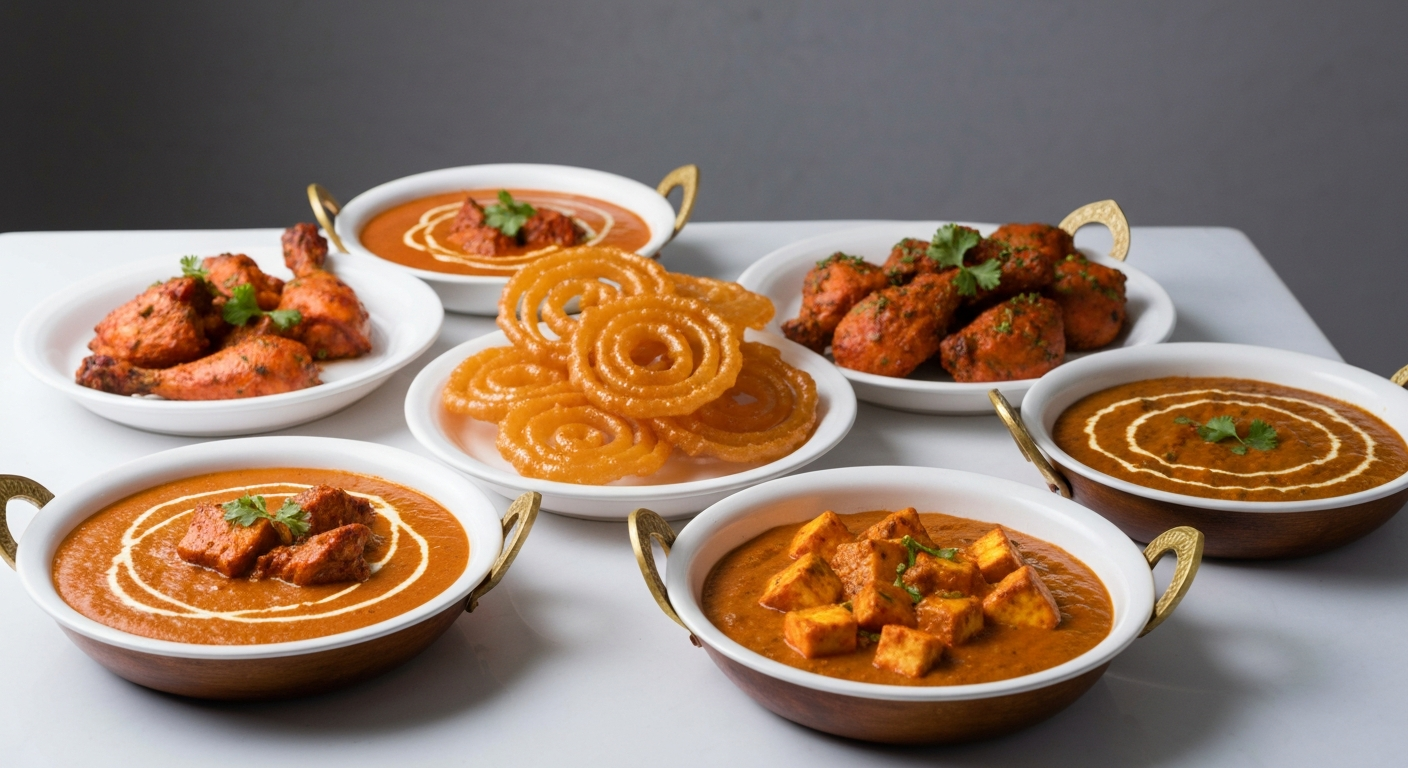
In the dynamic world of event catering, managing costs and maximizing efficiency are paramount. For caterers specializing in Indian cuisine, this challenge is often amplified by the inherent complexity, diverse ingredient lists, and multi-component nature of the dishes. However, with strategic planning and meticulous execution, effective indian catering food waste management is not just achievable, but a critical driver of profitability and sustainability. This article explores actionable strategies for professional caterers to significantly reduce food waste, enhance operational efficiency, and improve their bottom line.
The Unique Landscape of Indian Catering and Food Waste
Indian cuisine is renowned for its rich flavors, aromatic spices, and diverse regional specialties. A typical Indian catering menu might feature multiple appetizers, several main courses (vegetarian and non-vegetarian), a variety of breads, rice dishes, sides, and desserts. Each dish often requires a specific blend of fresh ingredients, spices, and cooking techniques. While this variety is a major draw for clients, it also presents unique challenges for waste management:
- Complex Ingredient Lists: Many dishes demand a wide array of fresh vegetables, dairy products, proteins, and specialty spices, increasing the risk of spoilage for unused raw materials.
- Varied Shelf Lives: Ingredients like fresh paneer, specific herbs, or regional vegetables have shorter shelf lives compared to pantry staples.
- Buffet Style Service: Indian events frequently feature buffet setups, which can lead to over-preparation and significant plate waste if not managed carefully.
- Cultural Expectations: Guests often expect an abundant spread, which can pressure caterers to overproduce to avoid appearing sparse.
- Labor-Intensive Preparation: Scratch preparation of gravies, pastes, and spice blends is time-consuming and can be inconsistent, leading to errors and waste.
Addressing these challenges requires a systematic approach that integrates forecasting, inventory control, operational best practices, and innovative ingredient sourcing.
Strategic Menu Planning and Accurate Forecasting
The foundation of effective indian catering food waste management lies in meticulous planning long before the first ingredient is ordered.
1. Data-Driven Demand Forecasting
Move beyond guesswork. Utilize historical data from similar events – guest counts, menu choices, and actual consumption patterns – to predict future needs. Factors to consider include:
- Guest Demographics: Age, dietary preferences, and cultural background can influence consumption.
- Event Type and Duration: A lunch buffet for a corporate event will have different consumption patterns than a full-day wedding reception.
- Time of Year: Seasonal ingredients can be more cost-effective and reduce waste if incorporated into the menu.
- Client Feedback: Post-event surveys can offer valuable insights into what was popular and what was left untouched.
2. Streamlined Menu Engineering
Design menus that offer variety without excessive ingredient overlap. Can a base gravy be adapted for two different dishes? Can a vegetable side be used in a main course as well? Consider:
- Cross-Utilization of Ingredients: Maximize the use of common ingredients across multiple menu items to reduce the number of unique items to stock.
- Portion-Controlled Dishes: Offer a mix of buffet and live stations for certain items, or pre-portioned appetizers to gauge consumption more accurately.
- Flexible Menu Components: Have a few adaptable dishes that can be easily scaled up or down based on last-minute guest count changes.
3. Standardized Recipes and Yield Management
Consistency is key. Develop and strictly adhere to standardized recipes for every dish. This includes precise measurements for ingredients, cooking times, and yield expectations. This not only ensures consistent quality but also:
- Reduces Overproduction: Knowing exactly how much a recipe yields prevents preparing too much.
- Minimizes Errors: Standardized procedures reduce the likelihood of mistakes that could render a batch unusable.
- Facilitates Costing: Accurate ingredient usage allows for better per-plate cost calculation, informing pricing and profit margins.
Optimizing Inventory Management for Indian Cuisine
Efficient inventory practices are crucial for preventing spoilage and obsolescence of perishable ingredients.
1. Implement First-In, First-Out (FIFO) System
Ensure that older stock is always used before newer stock. This is particularly vital for fresh produce, dairy, and pre-prepped items. Clearly label all ingredients with receiving dates and use-by dates.
2. Regular Inventory Audits and Cycle Counts
Conduct frequent, perhaps weekly, physical inventory counts to compare against your theoretical inventory. This helps identify discrepancies, track popular items, and pinpoint areas of potential waste or theft. Adjust ordering patterns based on these audits.
3. Leverage High-Quality, Consistent Ingredients
Consider sourcing high-quality, professionally prepared gravies, pastes, and sauces. Products like MITRA's chef-grade range offer several advantages for waste reduction:
- Extended Shelf Life: These products often have a longer shelf life than scratch-made components, reducing spoilage risk.
- Consistent Quality and Yield: Pre-made gravies eliminate variations in taste and texture, ensuring every batch meets standards without needing adjustments or discarding sub-par results.
- Reduced Raw Material Waste: By using pre-prepped bases, caterers reduce the need to stock large quantities of perishable raw ingredients (onions, tomatoes, ginger, garlic, etc.) that might otherwise spoil.
- Precise Portioning: Their consistent texture and flavor make portion control easier, whether for buffet replenishment or plated service.
Our products are manufactured under strict adherence to certifications like FSSAI, US FDA, ISO, Halal, HACCP, and GMP, ensuring safety, consistency, and reliability for your kitchen. Understanding the scale of professional kitchens, we operate with a 50 kg minimum order quantity (MOQ) to support your large-scale needs.
4. Optimize Storage Conditions
Ensure all ingredients are stored at appropriate temperatures and humidity levels. Proper refrigeration, dry storage, and airtight containers prolong shelf life and prevent spoilage.
Portion Control and Service Strategies
How food is served and managed during an event significantly impacts waste.
1. Smart Buffet Management
For Indian buffets, which are common, implement strategies to minimize waste:
- Smaller Serving Dishes: Instead of large, full trays, use smaller serving dishes that can be replenished frequently. This keeps food fresh and reduces the amount of food that sits out and potentially goes to waste.
- Strategic Placement: Place less expensive or higher-yield items (like rice or plain breads) before more costly proteins.
- Staff Monitoring: Train staff to monitor buffet lines and remove nearly empty dishes to the kitchen for consolidation or proper disposal/storage, rather than letting them sit.
- Interactive Stations: Live cooking stations for items like dosas or chaat allow for made-to-order portions, reducing waste.
2. Controlled Plated Service
Where appropriate, plated service offers the most control over portions. Even for Indian cuisine, consider plated appetizers or desserts to manage quantities precisely.
3. Staff Training on Waste Awareness
Educate kitchen and service staff on the importance of waste reduction. This includes proper handling, storage, portioning, and the financial impact of waste. Empower staff to identify and report potential waste issues.
Repurposing and Creative Leftover Utilization
Even with the best planning, some leftovers are inevitable. The goal is to minimize what goes to landfill.
1. Creative Repurposing for Staff Meals
Transform suitable leftovers into delicious and nutritious staff meals. For example, leftover chicken tikka can become a filling for wraps, vegetable curries can be blended into a soup base, or rice can be turned into a fried rice dish.
2. Ingredient Transformation
Can excess fresh vegetables be blanched and frozen for future use? Can overripe fruits be made into chutneys or purees?
3. Safe Storage for Future Use
Properly cool and store suitable leftover components immediately after the event. Ensure they are correctly labeled with contents and dates for potential use in subsequent events (if permissible by local health codes and client agreements) or for staff consumption.
Responsible Disposal and Donation
For food that cannot be repurposed or safely consumed, responsible disposal is the next step.
1. Food Donation Programs
Partner with local food banks or charities that accept cooked, unspoiled food. Establish clear protocols for packaging, labeling, and transportation to ensure compliance with food safety regulations.
2. Composting Programs
For unavoidable food scraps and spoiled ingredients, explore commercial composting options. This diverts organic waste from landfills, reducing environmental impact.
3. Waste Audits
Regularly analyze your waste bins. What types of food are being discarded most frequently? This provides valuable insights to refine your menu planning and operational strategies further.
The ODOD Advantage in Waste Reduction
Leveraging high-quality, consistent ingredients from a reliable supplier like ODOD LLC (MITRA brand) can be a cornerstone of your indian catering food waste management strategy. Our range of chef-grade Indian gravies, pastes, sauces, rice, and spices offers:
- Predictable Yields: Consistent product performance means less guesswork and fewer errors that lead to waste.
- Reduced Prep Time & Labor: Eliminating the need for scratch preparation of complex bases frees up kitchen staff, allowing them to focus on precise finishing and service, further reducing potential for waste.
- Streamlined Inventory: Centralizing your spice and gravy needs with a single, reliable supplier simplifies ordering and reduces the risk of multiple small ingredient orders going bad.
- Reliable Supply Chain: With products in stock in our US (Houston) or local-country warehouses, orders ship in 2 days. For items not immediately available, a lead time of 35-60 days is communicated promptly, ensuring you can plan effectively without last-minute ingredient shortages or over-ordering.
We proudly serve professional kitchens across the USA, Canada, UK, UAE, Australia, Germany, Italy, India, France, Ireland, Switzerland, Netherlands, and are continuously expanding our reach to support caterers worldwide.
Beyond Waste: Broader Benefits for Your Catering Business
Implementing robust indian catering food waste management strategies yields benefits far beyond just environmental responsibility:
- Significant Cost Savings: Reducing waste directly translates to lower ingredient costs, decreased labor for prep and disposal, and optimized operational expenses.
- Enhanced Reputation: Clients increasingly value sustainable practices. A commitment to waste reduction can be a powerful selling point and differentiate your business.
- Improved Efficiency: Streamlined processes, better inventory control, and standardized recipes lead to a more efficient and less stressful kitchen environment.
- Higher Profit Margins: Every kilogram of food saved from waste is a direct contribution to your profitability.
Conclusion
Effective indian catering food waste management is an essential practice for modern catering businesses. By embracing data-driven planning, optimizing inventory with high-quality ingredients, implementing smart service strategies, and exploring repurposing and responsible disposal, caterers can transform a major operational challenge into a significant competitive advantage. This commitment not only contributes to a more sustainable food system but also directly boosts your bottom line, ensuring your Indian catering business thrives.
Ready to optimize your kitchen's efficiency and reduce waste with consistent, chef-grade Indian ingredients? Inquire about MITRA's product range and wholesale solutions today at ododgroup.com.