
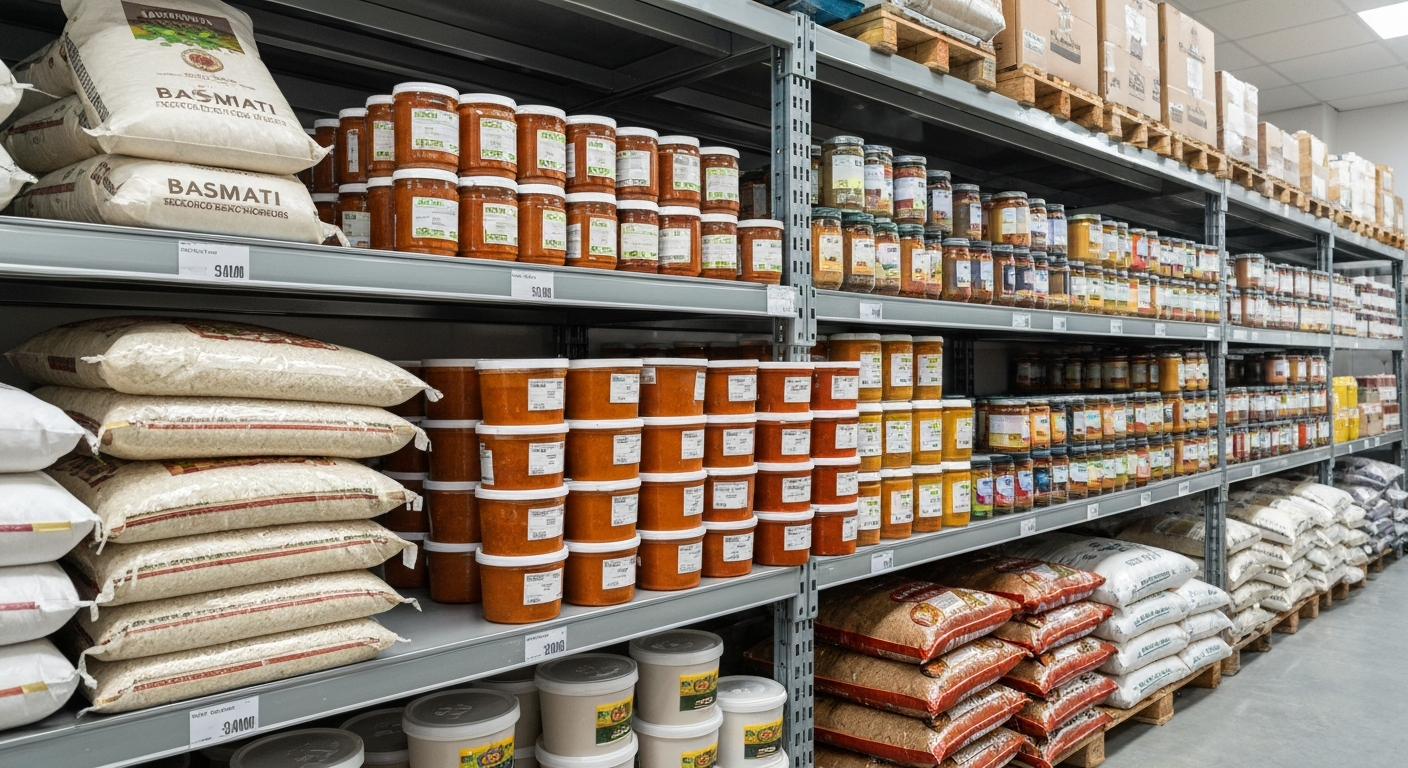
In the dynamic world of foodservice, the journey from producer to professional kitchen involves a complex network, with distributors playing a pivotal role. For specialized products like authentic Indian gravies, spices, and ingredients, this role becomes even more critical. Ensuring product integrity and maximizing shelf life requires a meticulous approach to storage and handling. This guide is designed for the indian foodservice product storage distributor, outlining best practices to maintain the quality, safety, and authenticity of Indian culinary essentials.
Effective storage and handling are not merely logistical tasks; they are fundamental to preserving the flavor, aroma, and safety profile that define high-quality Indian cuisine. For distributors, this translates directly to customer satisfaction, reduced waste, and a strong reputation in a competitive market. As demand for diverse global flavors continues to grow in professional kitchens, understanding the specific needs of Indian foodservice products is paramount.
The Critical Role of Distributors in the Indian Foodservice Supply Chain
Distributors are the vital link connecting manufacturers to restaurants, cloud kitchens, caterers, and other foodservice operators. For Indian ingredients, this means safeguarding the unique characteristics that make these products indispensable. The intricate balance of spices in a curry paste or the delicate texture of basmati rice can be compromised by improper storage, leading to diminished quality, potential food safety issues, and significant financial losses.
Poor handling can impact products in several ways:
- Flavor Degradation: Spices lose their potency, and gravies can develop off-notes.
- Texture Changes: Rice can become brittle or clumpy, and sauces may separate.
- Food Safety Risks: Temperature abuse can lead to bacterial growth, rendering products unsafe.
- Reduced Shelf Life: Improper conditions accelerate spoilage, increasing waste.
- Reputation Damage: Supplying compromised products erodes trust with clients.
Indian cuisine often relies on a blend of fresh, dried, and processed ingredients, each with specific storage requirements. Gravies and pastes, often oil-based or dairy-rich, require strict temperature control. Dry spices and rice, while seemingly robust, are susceptible to humidity, light, and pest infestation. A distributor's robust protocols are the first line of defense against these challenges.
Foundation of Food Safety: Regulatory Compliance and Certifications
For any foodservice distributor, adherence to food safety regulations and certifications is non-negotiable. When dealing with international food products, this becomes a multi-layered responsibility. Ensuring that products are sourced from manufacturers who uphold stringent standards is the first step, followed by maintaining those standards throughout the distribution chain.
Key certifications and regulatory bodies relevant to Indian foodservice products include:
- FSSAI: India's food safety authority, ensuring products meet national standards before export.
- US FDA: The primary regulatory body for food products entering the United States, mandating strict compliance for imported goods.
- ISO: International Organization for Standardization, often indicating robust quality management systems.
- Halal: Certification for products prepared according to Islamic dietary laws, crucial for serving specific demographics.
- HACCP: Hazard Analysis and Critical Control Points, a systematic preventive approach to food safety.
- GMP: Good Manufacturing Practices, a system for ensuring products are consistently produced and controlled according to quality standards.
Distributors must verify that their suppliers, like MITRA, produce items under these certifications. This not only assures product quality and safety at the manufacturing stage but also simplifies the distributor's due diligence. Crucially, the distributor then assumes responsibility for maintaining the integrity of these certified products until they reach the end-user. This includes proper documentation, temperature logging, and maintaining a clean, controlled environment that prevents contamination and spoilage.
Best Practices for Indian Foodservice Product Storage: Temperature and Environment
Effective storage is about creating and maintaining optimal conditions for each product category. This is where a detailed understanding of specific Indian ingredients pays off.
Temperature Control: The Cold Chain Imperative
Temperature is arguably the single most critical factor influencing the shelf life and safety of many Indian foodservice products.
- Refrigerated Items (e.g., certain gravies, fresh pastes): These require consistent temperatures, typically between 34°F (1°C) and 40°F (4°C). Breaking the cold chain, even briefly, can accelerate spoilage. Distributors must employ continuous temperature monitoring systems in their warehouses and during transit. This includes pre-cooling vehicles and using insulated containers for smaller deliveries.
- Frozen Items (e.g., some pre-portioned gravies, specific vegetables): Maintaining a consistent temperature of 0°F (-18°C) or colder is essential. Fluctuations can lead to freezer burn, affecting texture and flavor. Rapid freezing and thawing cycles are particularly damaging, compromising product structure and encouraging microbial growth upon subsequent thawing.
- Dry Storage Items (e.g., rice, whole and ground spices, shelf-stable gravies): While not requiring refrigeration, these products are not immune to temperature effects. A cool, dry, and dark environment is ideal, typically between 50°F (10°C) and 70°F (21°C). High temperatures can degrade volatile compounds in spices, diminishing their aroma and flavor. Direct sunlight can also accelerate degradation.
Humidity Control
Humidity can be a silent enemy for many Indian ingredients.
- Spices and Dry Goods: High humidity can lead to clumping, caking, and mold growth in spices, flours, and rice. It can also attract pests. Dehumidifiers and proper ventilation are crucial in dry storage areas. Conversely, excessively low humidity can dry out some products, making them brittle.
Ventilation
Good air circulation prevents the buildup of moisture and odors. Stagnant air can lead to condensation, especially in refrigeration units, which can foster mold and mildew. Proper spacing between pallets and shelving allows for adequate airflow.
Pest Control
Warehouses storing food products are natural targets for pests. A comprehensive, proactive pest management program is vital. This includes regular inspections, sealing entry points, proper waste management, and partnering with professional pest control services. Stored Indian spices, grains, and pulses are particularly attractive to certain pests, making vigilant monitoring essential.
Handling Procedures: From Receiving to Dispatch
Product integrity isn't just about static storage; it's about every touchpoint in the distribution process.
Receiving Protocols
This is the first critical checkpoint. Implement strict procedures for receiving incoming shipments:
- Inspection: Thoroughly inspect packaging for signs of damage, tampering, or leaks. Check for pest activity.
- Temperature Verification: For refrigerated or frozen goods, use calibrated thermometers to verify internal product temperatures upon arrival. Reject shipments that fall outside acceptable ranges.
- Date Checks: Verify manufacturing and expiry dates. Ensure products meet your required shelf life upon receipt.
- Documentation: Accurately log all incoming products, including supplier, product name, quantity, dates, and any noted discrepancies.
- Immediate Storage: Move products to their appropriate storage conditions (refrigerated, frozen, dry) as quickly as possible to minimize temperature abuse or exposure.
Inventory Management: FIFO and FEFO
Effective inventory management is key to minimizing waste and ensuring product freshness.
- FIFO (First-In, First-Out): The oldest inventory is sold first. This is a standard practice to prevent products from expiring on shelves.
- FEFO (First-Expired, First-Out): For products with specific expiry dates, this method prioritizes moving items with earlier expiry dates, regardless of when they were received. This is often more critical for perishable Indian foodservice items.
- Stock Rotation: Regularly rotate stock to ensure older products are accessed first. Clearly mark storage locations with dates.
- Minimizing Damage: Train staff on proper lifting and handling techniques to prevent damage to packaging and product. Use appropriate equipment (forklifts, pallet jacks) carefully.
Packaging Integrity
Original packaging is designed to protect the product. Distributors must ensure this integrity is maintained.
- Avoid Damage: Prevent punctures, tears, or crushes to bags, boxes, and containers. Damaged packaging exposes the product to contaminants and accelerates spoilage.
- No Repackaging: Unless specifically designed for it, avoid repackaging bulk items, as this can introduce contamination and compromise original protective barriers.
Cross-Contamination Prevention
Preventing the transfer of harmful microorganisms or allergens is a top priority.
- Separate Storage: Store raw ingredients separately from cooked or ready-to-eat items. Keep different types of products (e.g., meat products, dairy, dry spices) physically separated to prevent flavor transfer or allergen cross-contact.
- Allergen Management: Be aware of common allergens (e.g., nuts, dairy, soy) present in some Indian products and implement protocols to prevent cross-contact, especially for bulk items.
- Cleaning Protocols: Regularly clean and sanitize storage areas, shelves, and equipment. Implement a master cleaning schedule.
Loading and Dispatch
The final leg of the journey requires continued vigilance.
- Pre-cooling: Ensure delivery vehicles are pre-cooled to the appropriate temperature before loading refrigerated or frozen goods.
- Secure Loading: Load products securely to prevent shifting and damage during transit.
- Temperature Monitoring: Equip delivery vehicles with temperature monitoring devices to ensure conditions are maintained until delivery.
Extending Shelf Life and Reducing Waste
Optimizing storage and handling directly translates to extended shelf life, which offers significant benefits:
- Reduced Spoilage: Fewer products reaching their expiry date before sale or use.
- Lower Waste: Minimizing product loss due to spoilage or damage.
- Increased Profitability: Less waste means better margins and more efficient inventory management.
- Sustainability: Contributing to a more sustainable food system by reducing food waste.
Understanding the specific shelf life of each product, whether it's a dry spice with a two-year shelf life or a refrigerated gravy with a few weeks, is crucial. This knowledge, combined with rigorous adherence to storage best practices, empowers distributors to maximize the value of their inventory and provide the freshest possible products to their clients.
Partnering for Success: Choosing the Right Supplier
The foundation of a robust distribution chain begins with selecting a reliable supplier. ODOD LLC, through its MITRA brand, understands the unique needs of the foodservice industry. Our range of chef-grade Indian gravies, pastes, sauces, rice, and spices are produced under rigorous quality control standards, holding certifications such as FSSAI, US FDA, ISO, Halal, HACCP, and GMP.
We ensure our products are manufactured to meet the highest international safety and quality standards, making them ideal for discerning chefs and restaurant operators. For distributors, this means peace of mind knowing that the products you receive are of consistent quality and authenticity.
We support our distributor partners with efficient logistics:
- Our minimum order quantity (MOQ) is 50 kg.
- For products in stock in our US (Houston) or local-country warehouses, shipping typically occurs within 2 days.
- If a product is not in stock, the lead time is 35-60 days, and customers are notified immediately of any potential delay.
- We currently serve a growing list of countries, including the USA, Canada, UK, UAE, Australia, Germany, Italy, India, France, Ireland, Switzerland, and the Netherlands.
Conclusion
For the indian foodservice product storage distributor, mastering the nuances of storage and handling is essential for success. By implementing rigorous food safety protocols, maintaining optimal environmental conditions, and adhering to best practices from receiving to dispatch, distributors can ensure the integrity, safety, and extended shelf life of Indian culinary essentials. Partnering with a trusted supplier like MITRA, which prioritizes quality and compliance, further strengthens this commitment, ultimately benefiting professional kitchens and delighting diners with authentic Indian flavors.
---