
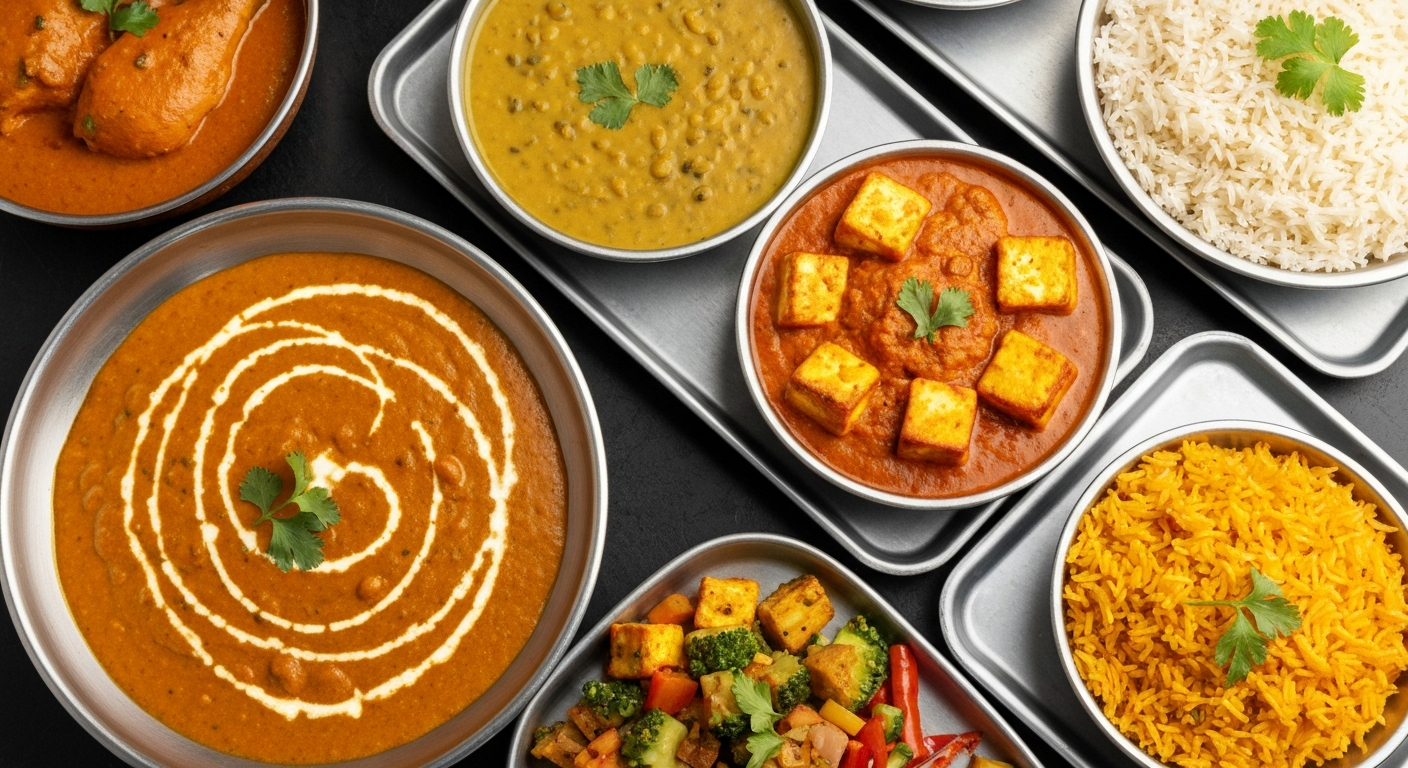
The culinary landscape of travel catering, whether aboard an international flight or a luxury cruise, presents a unique set of challenges and opportunities. Passenger satisfaction is paramount, and a diverse, high-quality menu is a key differentiator. For caterers looking to offer memorable dining experiences, especially for a global clientele, mastering travel catering Indian menu rotation is a strategic imperative. Indian cuisine, with its rich tapestry of flavors, regional variations, and inherent versatility, is exceptionally well-suited to meet the diverse palates and dietary needs of travelers.
This article delves into effective strategies for refreshing Indian menus seasonally or cyclically, ensuring consistent quality, authenticity, and operational efficiency for airlines, cruise lines, and other large-scale travel catering operations. We'll explore how strategic rotation can combat menu fatigue, excite passengers, and streamline kitchen processes.
The Unique Demands of Culinary Excellence in Travel Catering
Travel catering operates under constraints far removed from a typical restaurant kitchen. Space is limited, equipment is specialized, and the need for consistency, food safety, and efficiency is absolute. Furthermore, catering to an international passenger base means accommodating a wide spectrum of dietary preferences, cultural expectations, and spice tolerances. Delivering authentic, flavorful Indian cuisine repeatedly, across hundreds or thousands of meals, requires a robust system that prioritizes both culinary integrity and operational practicality.
Key considerations for travel caterers include:
- Consistency: Maintaining the same flavor profile and quality across numerous batches, regardless of location or chef.
- Food Safety: Adhering to stringent global food safety standards, crucial for passenger health and brand reputation.
- Dietary Adaptability: Offering options that cater to vegetarian, vegan, gluten-free, Halal, and other specific dietary requirements.
- Operational Efficiency: Minimizing prep time, reducing waste, and optimizing labor in a high-volume, often compact kitchen environment.
- Menu Fatigue Prevention: Regularly introducing new dishes or variations to keep the dining experience fresh and engaging for frequent travelers.
The Unparalleled Appeal of Indian Cuisine for Global Travelers
Indian cuisine is a global phenomenon, celebrated for its aromatic spices, vibrant colors, and diverse textures. Its inherent vegetarian and vegan friendliness, coupled with a vast array of regional specialties, makes it an ideal choice for travel catering. From the rich, creamy curries of North India to the light, tangy flavors of the South, and the seafood-centric dishes of the coasts, Indian food offers an endless palette for culinary exploration. This diversity is precisely what makes travel catering Indian menu rotation so effective in delighting passengers.
Moreover, Indian dishes often travel well. Many gravies and curries develop deeper flavors over time, making them suitable for preparation in advance. The use of robust spices also contributes to natural preservation, a practical benefit in catering logistics.
Strategic Approaches to Indian Menu Rotation
Effective menu rotation goes beyond simply swapping out a few dishes. It involves a thoughtful strategy that considers regional diversity, seasonality, thematic elements, and dietary needs. Here are several approaches to implement a dynamic travel catering Indian menu rotation:
1. Regional Culinary Journeys
India's vast geography gives rise to distinct culinary traditions. Rotating menus by region allows caterers to showcase the incredible diversity of Indian food, offering passengers a virtual culinary tour:
- North Indian Delights: Focus on creamy gravies like Butter Chicken or Paneer Makhani, rich Biryanis, hearty lentil dishes (Dal Makhani), and tandoor-cooked specialties. These are often milder, richer, and more indulgent.
- South Indian Spice: Introduce lighter, spicier fare such as Coconut Fish Curry, Chicken Chettinad, various Dosas and Idlis (though these may be harder for mass catering), and tamarind-based gravies like Sambar or Rasam. Rice is a staple here.
- East Indian Flavors: Explore mustard-oil based preparations, fish curries (e.g., Bengali Fish Curry), and lighter vegetable dishes. Often characterized by a subtle sweetness and pungent notes.
- West Indian Variety: Feature dishes influenced by coastal regions and diverse cultural histories. Examples include Goan Fish Curry, Pav Bhaji, or Parsi dishes that blend sweet, sour, and spicy elements.
By dedicating a menu cycle or a specific segment of the menu to a particular region, caterers can provide an authentic and varied experience without overwhelming the kitchen with an entirely new set of ingredients each time.
2. Seasonal & Thematic Rotations
While the concept of seasonality might seem less relevant for prepared gravies, it can still influence the fresh accompaniments, side dishes, and overall 'feel' of the menu. For instance:
- Summer Menus: Lighter, more refreshing dishes, perhaps with a focus on fresh vegetables or tangy fruit-based desserts. Think of cooling raitas or lighter lentil preparations.
- Winter Menus: Heartier, warming curries, richer gravies, and more substantial breads. Soups and stews can also be incorporated.
Beyond seasonality, thematic rotations can tie into cultural festivals or global events. Offering special menus for Diwali, Eid, or even major sporting events can create excitement and a sense of occasion for passengers.
3. Dietary Inclusivity as a Core Strategy
Indian cuisine is inherently rich in vegetarian options, and with careful planning, many dishes can be adapted to be vegan, gluten-free, or Halal. Rather than viewing dietary restrictions as limitations, caterers can leverage the versatility of Indian food to offer diverse choices within their rotation:
- Vegetarian/Vegan Focus: Many Indian gravies are vegetable-based (e.g., Palak Paneer can be adapted with tofu or other plant proteins, Chana Masala, Dal Tadka). Ensure dedicated preparation to avoid cross-contamination.
- Gluten-Free Options: Naturally gluten-free dishes are abundant (most curries, rice dishes). Focus on using gluten-free flours for breads or offering rice as the primary accompaniment.
- Halal Certified: Sourcing Halal-certified meat and ensuring Halal preparation standards are met for meat-based dishes. Our products are manufactured under Halal certification, simplifying this for many caterers.
Integrating these considerations into the menu rotation ensures that a broader range of passengers can enjoy authentic Indian flavors.
4. The Cycle-Based Approach
For high-frequency routes or long voyages, a structured cycle-based rotation (e.g., a 2-week or 4-week cycle) is highly effective. This involves planning a set of menus that rotate over a predefined period before repeating. This approach:
- Prevents Repetition: Passengers, especially frequent flyers or long-cruise guests, won't encounter the exact same dishes too often.
- Simplifies Procurement: Ingredients and prepared bases can be ordered and managed more predictably.
- Aids Staff Training: Kitchen staff become proficient in a defined set of rotating menus, reducing errors and improving efficiency.
Operational Efficiency Through Prepared Indian Bases
Implementing a dynamic travel catering Indian menu rotation might sound complex, but it can be significantly streamlined by leveraging high-quality, pre-prepared Indian gravies, pastes, and sauces. This is where partnering with a reliable B2B food supplier becomes invaluable.
MITRA brand products are manufactured to chef-grade standards, offering authentic Indian flavors in a convenient, bulk format. Our range of gravies, pastes, and sauces allows caterers to:
- Ensure Consistency: Every batch of curry, regardless of where or when it's prepared, will have the same authentic flavor profile and texture. This is critical for brand reputation in travel catering.
- Reduce Prep Time and Labor Costs: Eliminating the need for extensive spice grinding, onion caramelizing, or complex gravy bases frees up valuable kitchen staff for other tasks, leading to significant labor savings.
- Minimize Waste: Pre-portioned or easy-to-measure bases reduce ingredient waste and allow for better inventory control.
- Maintain Authenticity: Our products are developed by culinary experts to capture the true essence of regional Indian cuisine, ensuring passengers experience genuine flavors.
- Meet Stringent Safety Standards: Our products are manufactured under strict quality controls and hold certifications including FSSAI, US FDA, ISO, Halal, HACCP, and GMP. This provides peace of mind regarding food safety and regulatory compliance, which is non-negotiable in travel catering.
By using prepared bases, caterers can easily introduce new dishes into their rotation without a steep learning curve for the kitchen staff. A single base can often be adapted to create several different curries, simply by adding different proteins or vegetables, thus maximizing versatility within a rotating menu.
Implementing a Robust Rotation Strategy
Successful menu rotation requires more than just a list of dishes; it demands careful planning and execution:
- Supply Chain Reliability: Ensure your supplier can consistently deliver the required products. ODOD LLC prides itself on a robust supply chain. For products in stock in our US (Houston) or local-country warehouses, shipping occurs within 2 days. If an item is not in stock, the lead time is 35-60 days, and customers are notified immediately of any delay. We ship to a growing list of countries, including USA, Canada, UK, UAE, Australia, Germany, Italy, India, France, Ireland, Switzerland, and Netherlands.
- Staff Training: Even with prepared bases, staff need to be trained on preparation methods, portion control, and presentation for new menu items.
- Feedback Mechanisms: Regularly solicit feedback from passengers and crew on menu items. This data is invaluable for refining rotations and understanding preferences.
- Cost Management: Analyze the cost implications of each menu item within the rotation, ensuring profitability while maintaining quality. Leveraging bulk purchasing and efficient prepared bases, like ours, can significantly aid in cost control.
Partnering for Culinary Success
At ODOD LLC, we understand the complexities of B2B food supply for large-scale operations like travel catering. Our MITRA brand is designed to be a reliable partner, providing chef-grade Indian gravies, pastes, sauces, rice, and spices that simplify operations without compromising on authenticity or flavor.
Whether you're looking to introduce a new regional Indian menu, enhance your existing offerings, or streamline your kitchen processes, our products offer a consistent, high-quality solution. With a minimum order quantity (MOQ) of 50 kg, we are equipped to support the demands of high-volume catering operations.
Conclusion
Strategic travel catering Indian menu rotation is a powerful tool for enhancing passenger satisfaction, showcasing culinary diversity, and optimizing kitchen efficiency. By embracing regional variations, dietary inclusivity, and the operational advantages of high-quality prepared Indian bases, travel caterers can consistently deliver authentic and exciting dining experiences. Elevate your culinary offerings and delight your passengers with a thoughtfully curated Indian menu that keeps them coming back for more.
To learn more about how MITRA products can transform your travel catering Indian menu rotation, or to request a quote for our bulk Indian food solutions, please visit ododgroup.com today.