
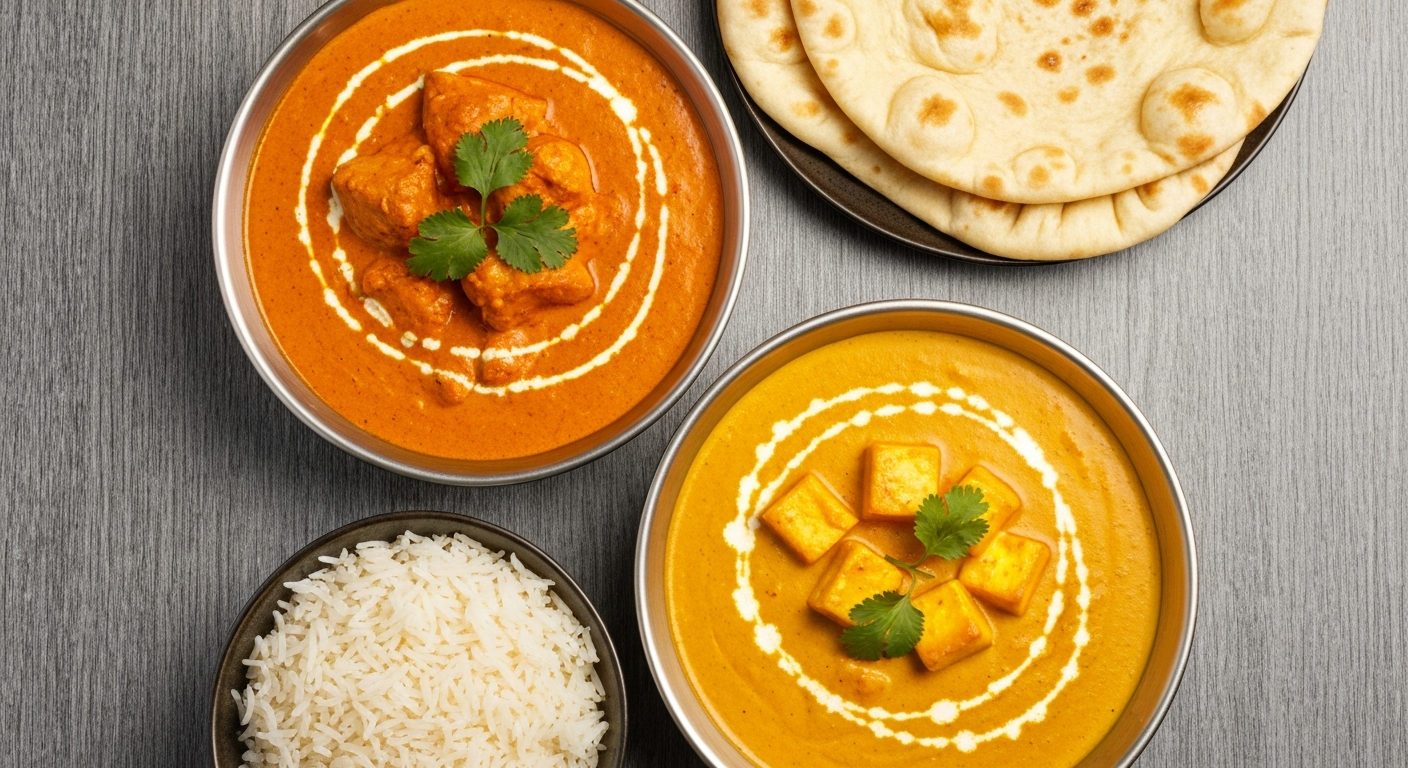
The ghost kitchen model, characterized by its focus on delivery-only operations and minimal overhead, presents unique opportunities for culinary entrepreneurs. However, it also introduces distinct challenges, particularly concerning inventory management and food waste. For operators specializing in Indian cuisine, known for its complex spice blends, lengthy prep times, and diverse fresh ingredients, these challenges can significantly impact profitability. This article explores how embracing pre-prepped Indian ingredients can be a strategic imperative for ghost kitchen food waste reduction Indian operations, leading to improved margins and operational efficiency.
The Unique Pressures on Ghost Kitchen Inventory and Waste
Ghost kitchens operate without a storefront, relying entirely on efficient back-of-house processes and a streamlined supply chain. This model is highly sensitive to fluctuations in demand, which can lead to precarious inventory levels and substantial waste if not managed correctly. Indian cuisine, with its rich tapestry of regional dishes, often requires a wide array of fresh produce, dairy products, and dozens of individual spices. Managing these components in a lean ghost kitchen environment amplifies several critical issues:
- Unpredictable Demand: Delivery spikes and lulls make forecasting difficult. Over-ordering fresh ingredients leads to spoilage, while under-ordering can result in missed sales and customer dissatisfaction.
- Space Constraints: Ghost kitchens are often compact, with limited storage for bulk dry goods, fresh produce, and refrigerated items. This restricts the ability to purchase in large quantities for cost savings and necessitates frequent, smaller deliveries, increasing logistical complexity.
- Labor Costs and Skill Shortages: Authentic Indian cooking demands skilled chefs and significant prep time for tasks like grinding spices, making pastes, caramelizing onions, and slow-cooking gravies from scratch. High labor costs and a scarcity of experienced culinary talent can quickly erode profits.
- Inconsistent Quality: Without standardized processes or experienced staff, the quality and flavor profile of complex Indian dishes can vary, impacting customer loyalty and brand reputation.
- Food Safety Risks: Handling a wide range of raw ingredients, especially in high-volume, fast-paced environments, increases the potential for cross-contamination and food safety issues if protocols are not rigorously followed.
These factors collectively underscore the need for innovative solutions to optimize Indian food inventory management and minimize waste in a ghost kitchen setting.
Pre-Prepped Indian Ingredients: A Strategic Solution for Waste Reduction
Integrating high-quality, pre-prepped Indian gravies, pastes, and sauces into a ghost kitchen's workflow offers a powerful antidote to many of these operational hurdles. By shifting from raw ingredients to ready-to-use bases, operators can achieve dramatic improvements in waste reduction and overall efficiency.
1. Precise Inventory Control and Reduced Spoilage
Pre-prepped ingredients significantly simplify inventory. Instead of stocking dozens of perishable vegetables, herbs, and dairy products required for multiple gravies, kitchens manage a smaller number of shelf-stable or long-shelf-life prepared bases. This leads to:
- Fewer SKUs: Less variety of raw ingredients to track and rotate.
- Extended Shelf Life: Many pre-prepped products have a longer shelf life than their raw components, drastically cutting down on spoilage from unused fresh produce.
- Accurate Usage Rates: Standardized products allow for more precise portioning and better forecasting, reducing overproduction and leftover ingredients.
For operators, this means less capital tied up in perishable inventory and a clearer picture of ingredient costs per dish, directly contributing to ghost kitchen food waste reduction Indian cuisine.
2. Optimizing Labor and Skill Requirements
One of the most significant advantages of pre-prepped Indian ingredients is the reduction in labor. The time-consuming, skilled tasks of preparing gravies and spice blends are offloaded to the supplier. This enables ghost kitchens to:
- Reduce Prep Time: Dishes can be assembled and cooked much faster, improving throughput and delivery times.
- Lower Labor Costs: Less reliance on highly skilled, high-wage chefs for foundational prep work. Existing staff can focus on finishing dishes and managing orders.
- Streamline Training: New staff can be trained more quickly on assembly rather than complex culinary techniques.
This labor optimization directly impacts the bottom line, freeing up resources that would otherwise be spent on ingredient preparation.
3. Maintaining Consistent Quality and Authenticity
Consistency is paramount for ghost kitchens, where customer experience is entirely based on the delivered product. Pre-prepped Indian gravies ensure that every dish tastes the same, every time. This is critical for:
- Brand Reputation: Customers receive the same high-quality, authentic flavors with every order, fostering trust and repeat business.
- Recipe Adherence: Standardized bases eliminate variations that can arise from different chefs or ingredient batches.
- Authenticity: Reputable suppliers craft these bases using traditional recipes and high-quality spices, preserving the authentic taste of regional Indian cuisine without compromise.
4. Scalability and Menu Flexibility
Pre-prepped ingredients inherently support scalability. A ghost kitchen can easily increase production without needing to hire more prep cooks or expand kitchen space. This flexibility also extends to menu development:
- Rapid Menu Expansion: New Indian dishes can be introduced quickly by utilizing existing gravy bases, allowing for agile responses to market trends.
- Seasonal Adaptability: Less reliance on seasonal fresh produce for core gravies means a more stable menu year-round.
- Multi-Concept Potential: A single ghost kitchen can efficiently run multiple Indian concepts using a shared inventory of versatile bases.
Beyond Waste Reduction: Broader Operational Benefits
The impact of pre-prepped Indian ingredients extends beyond just waste reduction, offering a suite of benefits that enhance overall ghost kitchen profitability:
- Cost Savings Beyond Spoilage: While reducing waste is a primary benefit, consider savings on energy (less cooking time for bases), water, and even ingredient purchasing (suppliers can procure at scale).
- Enhanced Food Safety: Products manufactured to stringent standards, holding certifications such as FSSAI, US FDA, ISO, Halal, HACCP, and GMP, reduce in-house handling of raw ingredients, minimizing food safety risks and ensuring compliance.
- Faster Service and Throughput: In the delivery-centric ghost kitchen model, speed is critical. Faster prep and cooking times translate directly into quicker order fulfillment and happier customers.
- Simplified Supply Chain: Managing fewer unique ingredients simplifies ordering, receiving, and storage, reducing administrative burden and potential errors. For operators considering this model, it’s important to note a 50 kg minimum order quantity (MOQ) often applies, ensuring efficiency for both supplier and buyer.
- Global Reach: With products in stock at our US (Houston) or local-country warehouses, orders can ship in as little as 2 days. For items not immediately in stock, a lead time of 35-60 days applies, with immediate notification of any delay. We currently serve a growing list of countries, including the USA, Canada, UK, UAE, Australia, Germany, Italy, India, France, Ireland, Switzerland, and the Netherlands, making high-quality Indian ingredients accessible worldwide.
Choosing the Right Partner for Pre-Prepped Indian Ingredients
When sourcing pre-prepped Indian ingredients, it's crucial for ghost kitchen operators to partner with a supplier that understands the unique demands of professional kitchens. Look for a supplier committed to:
- Authenticity and Flavor: Products developed by expert chefs using traditional recipes and high-quality, authentic spices.
- Consistent Quality: Manufacturing processes that ensure uniform taste, texture, and performance across every batch.
- Food Safety and Certifications: A commitment to the highest food safety standards, evidenced by certifications like FSSAI, US FDA, ISO, Halal, HACCP, and GMP.
- Reliable Supply Chain: Efficient logistics that ensure timely delivery, whether from local stock or through international shipments.
- Scalability: A product range that supports your growth and allows for menu expansion without logistical headaches.
By carefully selecting a partner, ghost kitchens can confidently integrate pre-prepped solutions, knowing they are backed by quality and reliability.
Conclusion
For ghost kitchens specializing in Indian cuisine, mastering inventory and waste is not merely an operational goal—it's a cornerstone of profitability. The strategic adoption of high-quality, pre-prepped Indian ingredients offers a robust solution to the challenges of demand variability, labor costs, and consistency. By significantly reducing ghost kitchen food waste reduction Indian operations achieve greater efficiency, enhance food safety, and deliver an consistently authentic culinary experience, ultimately boosting their margins and securing a competitive edge in the fast-evolving delivery market.
To explore how MITRA's chef-grade Indian gravies, pastes, and sauces can transform your ghost kitchen's efficiency and profitability, visit ododgroup.com for a wholesale inquiry, sample request, or quote.