
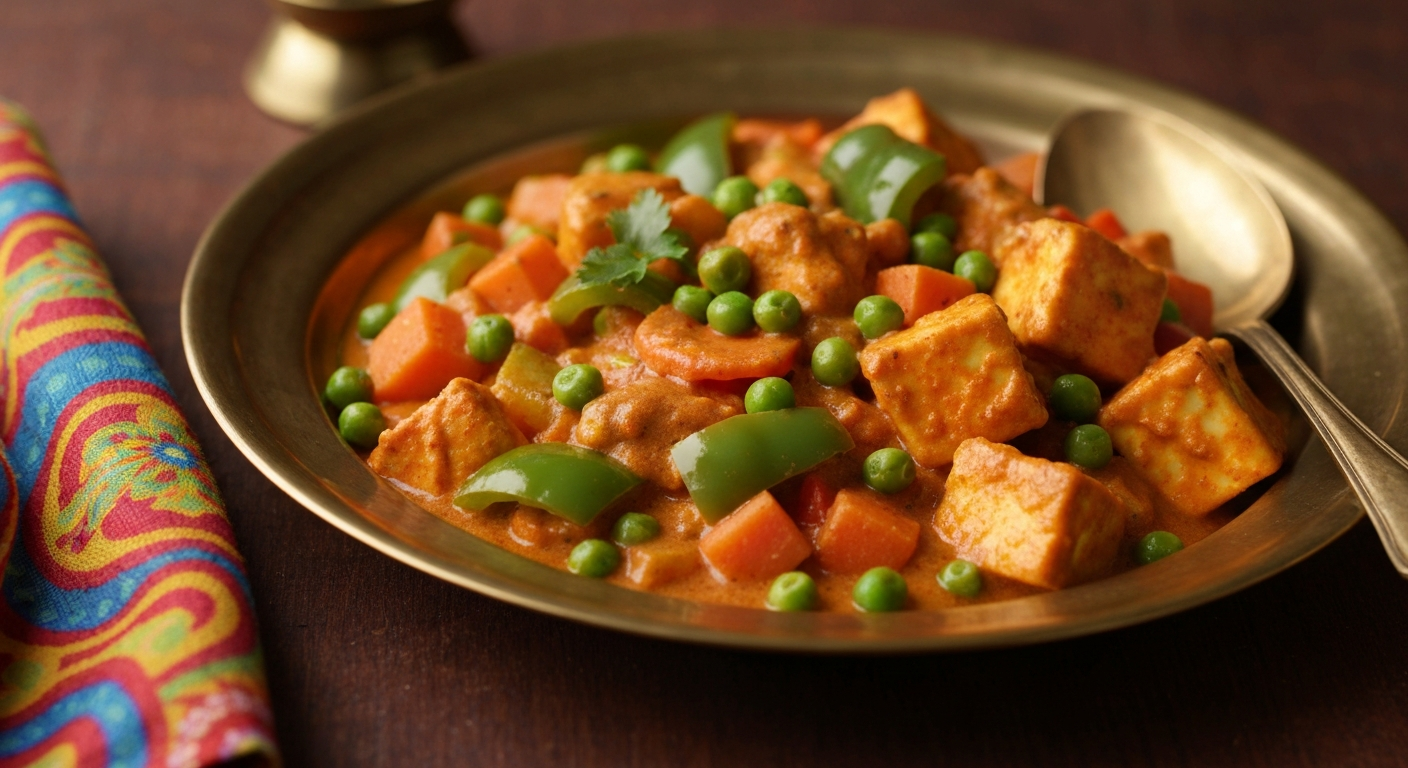
For any multi-unit restaurant operation, maintaining a consistent brand experience is paramount. This challenge becomes particularly nuanced when dealing with the rich, complex, and regionally diverse flavors of Indian cuisine. Achieving restaurant chain Indian flavor consistency across every location — from a bustling urban eatery to a suburban franchise — is not merely an operational goal; it's a cornerstone of brand integrity and customer loyalty.
Indian food, with its intricate spice blends, varied cooking techniques, and deep regional traditions, presents unique hurdles for standardization. Unlike some cuisines where a few core sauces might suffice, Indian cooking often involves a symphony of aromatics, slow-cooked bases, and precise finishing touches. How then can a restaurant chain ensure that a Butter Chicken in one city tastes identical to the one served a thousand miles away, or that a Paneer Makhani consistently delights with the same creamy, tangy notes?
This article explores the strategies and solutions for restaurant chains to achieve unwavering flavor consistency, enhance operational efficiency, and solidify their brand identity through a consistently exceptional Indian culinary experience.
The Unique Challenges of Indian Cuisine Consistency for Chains
The complexity of Indian cuisine stems from several factors, each posing a hurdle for multi-unit operations:
Variability in Raw Ingredients
Spices are the soul of Indian cooking, but their quality, potency, and freshness can vary significantly by supplier and season. Fresh produce like tomatoes, onions, and ginger also fluctuate in flavor, moisture content, and sweetness. These natural variations, if not carefully managed, can lead to noticeable differences in the final dish.
The Art of Spice Blending and Tempering
Many traditional Indian recipes rely on bespoke spice blends (masalas) and the art of tempering (tadka), where whole spices are fried in oil to release their aromas. The precise ratios, frying temperatures, and timing are often learned through experience and can be difficult to replicate perfectly by every chef in every kitchen, leading to inconsistent flavor profiles.
Regional Diversity and Recipe Interpretation
Indian cuisine is incredibly diverse, with distinct culinary traditions from North, South, East, and West India. Even a single dish, like biryani, can have countless regional variations. Standardizing these diverse recipes across a chain requires careful selection and meticulous documentation, ensuring that the chosen version is consistently executed.
Chef Skill and Training Discrepancies
Even with detailed recipes, the skill level and experience of individual chefs play a significant role. A highly experienced chef might intuitively adjust for ingredient variations, while a less experienced one might strictly follow a recipe, potentially missing critical nuances. Training programs can help, but human variability remains a factor.
Operational Pressures
In a busy commercial kitchen, time and efficiency are critical. The extensive prep work often required for authentic Indian cooking – grinding spices, slow-cooking gravies from scratch – can be demanding. Rushing these steps or taking shortcuts under pressure can compromise flavor and consistency.
Why Flavor Consistency is Non-Negotiable for Restaurant Chains
Inconsistency in flavor isn't just a minor inconvenience; it's a significant threat to a restaurant chain's success and reputation:
- Brand Erosion: A restaurant chain builds its brand on a promise of a specific experience. If a customer enjoys a dish at one location but finds it disappointing at another, it erodes trust and diminishes the brand's perceived quality.
- Customer Dissatisfaction and Lost Loyalty: Inconsistent quality leads to customer disappointment. In today's competitive market, diners have many choices, and a single negative experience can drive them to competitors, impacting repeat business and word-of-mouth referrals.
- Negative Reviews: Online reviews are powerful. Inconsistent food quality can quickly lead to negative feedback, harming the chain's online reputation and discouraging new customers.
- Operational Inefficiency: Inconsistent results often stem from inconsistent processes, leading to wasted ingredients, rework, and unpredictable cooking times. This impacts food costs and labor efficiency.
- Stunted Growth and Scalability: A chain cannot effectively expand or franchise if its core product cannot be reliably replicated. Consistency is the foundation for successful scaling.
Strategies for Achieving Restaurant Chain Indian Flavor Consistency
Addressing the unique challenges of Indian cuisine requires a multi-faceted approach. While traditional methods like extensive training and detailed recipe books are foundational, modern solutions offer significant advantages for multi-unit operations.
1. Standardized Recipes and Comprehensive Training
Every dish must have a meticulously documented, standardized recipe that includes precise ingredient measurements, cooking steps, and quality checkpoints. This should be coupled with robust training programs for all kitchen staff, ensuring they understand not just what to do, but why each step is important for flavor integrity.
2. Centralized Sourcing and Quality Control
Working with a limited number of trusted suppliers for key ingredients helps reduce variability. Implementing strict quality control protocols for incoming ingredients ensures that only the best raw materials enter your kitchens. This can include regular audits and specifications for spices, produce, and dairy.
3. Leveraging High-Quality Prepared Bases and Gravies
This is where significant gains in restaurant chain Indian flavor consistency can be made. By utilizing chef-grade, pre-prepared gravies, pastes, and sauces, chains can eliminate much of the variability inherent in scratch cooking. These products are manufactured under controlled conditions, ensuring consistent spice ratios, cooking times, and flavor profiles batch after batch.
- Eliminates Ingredient Variability: The core flavor components are standardized at the source.
- Reduces Reliance on Skill: Complex base gravies no longer depend on individual chef interpretations.
- Ensures Authentic Flavor: High-quality prepared bases are developed by culinary experts to capture authentic regional tastes.
- Frees Up Kitchen Staff: Chefs can focus on finishing, presentation, and customization rather than labor-intensive base preparation.
4. Implementing Robust Quality Assurance Protocols
Beyond ingredient sourcing, chains need systems to monitor the consistency of finished dishes. This can include regular taste tests, blind evaluations, and feedback mechanisms across all locations. Digital tools can help track compliance with recipes and operational standards.
5. Streamlining the Supply Chain
An efficient and reliable supply chain is crucial. This involves working with suppliers who understand the demands of multi-unit operations, can ensure consistent product availability, and adhere to strict delivery schedules. For specialized Indian ingredients, this means partnering with distributors who understand the nuances of the cuisine.
The Strategic Advantage of MITRA Products for Consistency
At ODOD LLC, our MITRA brand is engineered to directly address the challenges of restaurant chain Indian flavor consistency. We provide chef-grade Indian gravies, pastes, sauces, rice, and spices that allow professional kitchens to deliver authentic, consistent, and high-quality Indian cuisine with operational efficiency.
Our products are manufactured to stringent quality and safety standards, holding certifications such as FSSAI, US FDA, ISO, Halal, HACCP, and GMP. These certifications are your assurance that every batch of our gravies or spices meets global benchmarks for safety, hygiene, and quality, directly translating to predictable and consistent flavor in your dishes.
How MITRA Supports Your Consistency Goals:
- Standardized Flavor Profiles: Our gravies and pastes are developed by culinary experts to deliver authentic regional tastes, ensuring that a Korma or a Tikka Masala tastes precisely the same, every time, across all your locations.
- Premium Ingredients: We source high-quality spices and ingredients, processed and blended to exact specifications, removing the variability of raw material sourcing at each restaurant.
- Reduced Prep Time & Labor Costs: By providing ready-to-use bases, we significantly cut down on the labor-intensive initial preparation steps, allowing your chefs to focus on quick finishing and presentation.
- Simplified Training: New kitchen staff can be trained faster and more effectively on consistent dish preparation when the core flavor components are already standardized.
- Scalability: Our bulk supply capabilities and consistent product quality provide a reliable foundation for expanding your operations, whether adding new units or increasing production at existing ones.
Operational Details for Our Partners:
We understand the logistics of running a restaurant chain. Our minimum order quantity (MOQ) is 50 kg, designed to meet the needs of commercial kitchens. For products in stock in our US (Houston) or local-country warehouses, shipping is expedited within 2 days. If a product is not immediately in stock, we notify customers promptly, with a lead time of 35-60 days to ensure fresh production and delivery.
ODOD LLC currently serves a growing list of countries, including the USA, Canada, UK, UAE, Australia, Germany, Italy, India, France, Ireland, Switzerland, and Netherlands, with more markets continually being added to our distribution network.
Conclusion
Achieving restaurant chain Indian flavor consistency is a critical differentiator in a competitive market. It strengthens your brand, builds customer loyalty, and streamlines your operations. By strategically adopting high-quality, chef-grade prepared ingredients like those offered by MITRA, restaurant chains can overcome the complexities of Indian cuisine, ensuring every dish served is a consistent, authentic, and memorable experience.
Partner with ODOD LLC to bring unparalleled flavor consistency and operational excellence to your multi-unit Indian restaurant concept. Explore our full range of products and discover how we can help you standardize your menu and elevate your brand.
---