
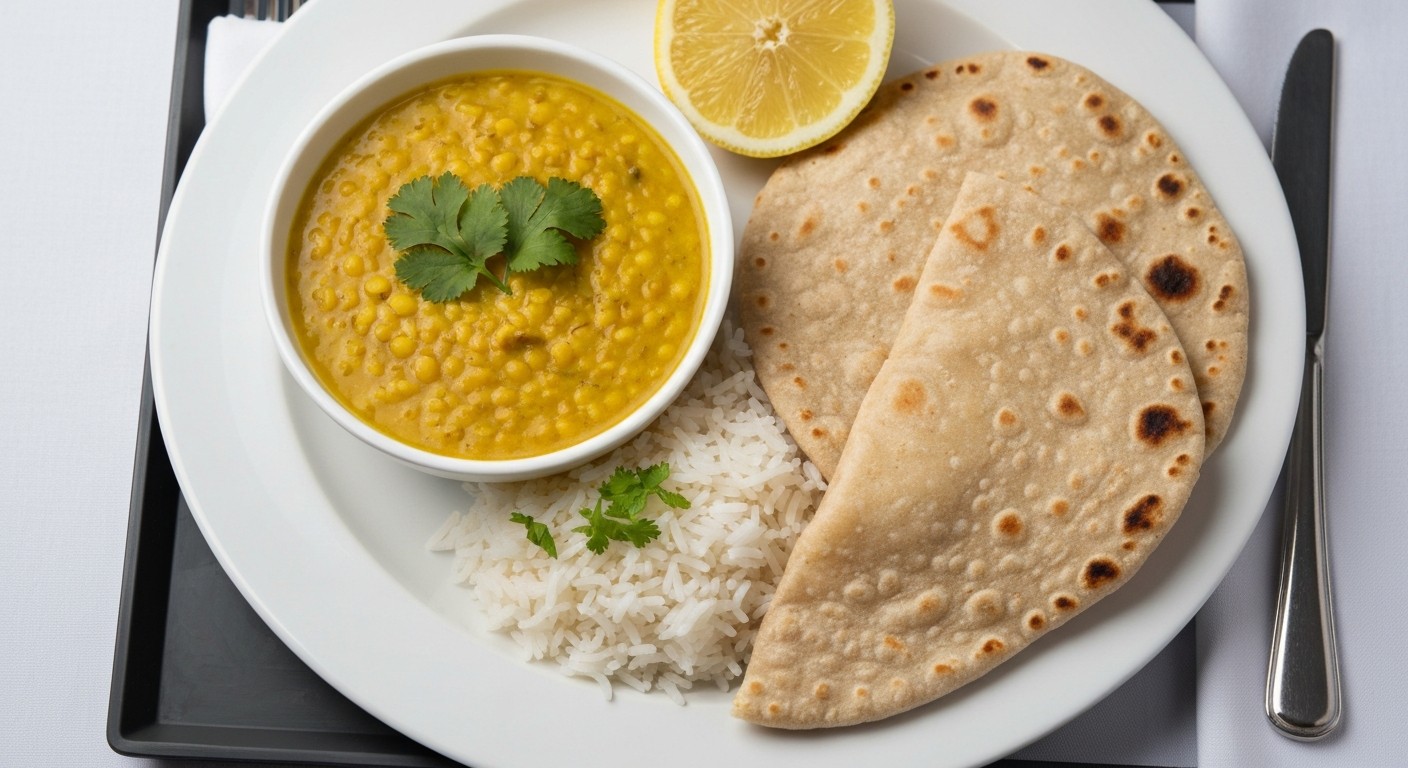
In the dynamic world of travel, meeting diverse passenger needs is paramount. For cruise lines and airlines, the challenge of providing delicious, authentic, and compliant airline cruise Indian special diet meals is particularly complex. Passengers today expect not only culinary excellence but also strict adherence to their dietary requirements, whether for health, religious, or ethical reasons. Ensuring consistency across thousands of meals, often prepared in confined spaces with limited staff, demands a strategic approach.
This article explores the intricacies of catering to specialized Indian dietary needs in high-volume settings and outlines practical strategies for achieving both authenticity and compliance. We will delve into the specific dietary considerations within Indian cuisine, the logistical hurdles faced by onboard kitchens, and how standardized, chef-grade ingredients can be a cornerstone for success.
The Unique Challenges of Indian Special Diet Catering at Sea and in the Air
Operating a kitchen on a cruise ship or an aircraft presents a distinct set of challenges, amplified when catering to specialized dietary needs, especially for a cuisine as diverse and ingredient-rich as Indian food.
Logistical Constraints and Operational Efficiency
Space is a premium in both airline galleys and ship kitchens. This limits the number of ingredients that can be stored and the dedicated areas for preparation. For special diets, this means a heightened risk of cross-contamination if separate workstations and utensils are not meticulously maintained. Furthermore, the sheer volume of meals required, often across multiple sittings or flights, necessitates extreme efficiency without compromising quality or safety.
Consistency Across Voyages and Flights
For a global brand, consistency is key to passenger satisfaction and brand reputation. A passenger expecting a specific Halal Indian meal on one flight or cruise should receive the same quality and taste on their next journey. Achieving this uniformity with fresh, from-scratch preparation can be incredibly difficult, given varying crew skills, ingredient availability in different ports, and the inherent variability of raw produce.
Authenticity Versus Dietary Restrictions
Indian cuisine is renowned for its rich flavors, aromatic spices, and diverse regional variations. Adapting traditional recipes to meet dietary restrictions (e.g., gluten-free, dairy-free, low-sodium) without sacrificing authenticity is a delicate balance. Chefs must navigate ingredient substitutions carefully to ensure the final dish still delivers the expected taste profile.
Stringent Regulatory Compliance
Food safety and dietary labeling regulations are strict and vary by jurisdiction and type of travel. Caterers must ensure that special diet meals are not only prepared safely but also accurately labeled to prevent allergic reactions or other health incidents. Certifications such as FSSAI, US FDA, ISO, Halal, HACCP, and GMP are crucial for demonstrating adherence to global standards, especially when sourcing ingredients or finished products.
Understanding Diverse Indian Dietary Needs
Indian cuisine naturally lends itself to a wide array of dietary preferences, but specific requirements demand careful attention.
Vegetarian and Vegan Meals
Vegetarianism is deeply rooted in Indian culture, making it a common request. However, distinctions exist:
- Lacto-Vegetarian: Permits dairy products but excludes eggs, meat, and fish. Many traditional Indian dishes fall into this category.
- Vegan: Excludes all animal products, including dairy, eggs, and honey. This requires careful substitution of ghee, paneer, and yogurt with plant-based alternatives.
- Jain: A stricter form of vegetarianism that also excludes root vegetables (onions, garlic, potatoes, carrots, radishes) and certain other ingredients, often due to religious beliefs about non-violence towards even small organisms. This requires highly specialized meal planning.
- Sattvic: Often associated with yogic practices, this diet emphasizes fresh, wholesome, easily digestible foods, avoiding onions, garlic, and sometimes even heating spices excessively.
Gluten-Free Options
While many traditional Indian dishes are naturally gluten-free (e.g., those based on rice, lentils, or chickpea flour), cross-contamination is a significant concern. Flours like wheat (atta) are staple ingredients in breads like naan and roti. Providing truly gluten-free Indian meals requires dedicated preparation areas or certified gluten-free ingredients.
Lactose-Free and Dairy-Free
Dairy products like yogurt, paneer, and ghee are central to many Indian curries and desserts. Offering lactose-free or entirely dairy-free options necessitates plant-based milk, creams, and oil alternatives that can replicate the richness and texture without compromising flavor.
Nut Allergies
Cashews, almonds, and peanuts are frequently used in Indian gravies and desserts for thickening and flavor. Identifying and avoiding these allergens, or offering nut-free alternatives, is critical for passenger safety.
Halal Certification
For Muslim passengers, Halal certification is non-negotiable. This extends beyond just meat products to include the entire supply chain, from processing to preparation, ensuring no haram (forbidden) ingredients or cross-contamination. Sourcing ingredients and prepared meals from Halal-certified suppliers is essential.
Low Sodium and Low Fat
Health-conscious travelers, or those with specific medical conditions, may require low-sodium or low-fat Indian meals. This means reducing salt content and opting for leaner cooking methods and healthier fats, while still delivering robust flavors.
The Strategic Advantage of Standardized Indian Gravies and Pastes
For cruise lines and airlines, the solution to many of these challenges lies in leveraging high-quality, standardized Indian gravies, pastes, and sauces. These chef-grade products offer a powerful tool for consistency, efficiency, and safety.
Ensuring Unwavering Consistency
Pre-prepared gravies and pastes eliminate the variability inherent in scratch cooking. Each batch is manufactured to precise specifications, guaranteeing a consistent flavor profile, texture, and appearance every time. This means a Chicken Tikka Masala served on a trans-Atlantic flight will taste identical to one served on a Caribbean cruise, upholding brand standards and passenger expectations.
Streamlined Kitchen Operations
With ready-to-use bases, kitchen staff can significantly reduce preparation time and labor costs. Instead of spending hours roasting spices, blending ingredients, and simmering gravies, chefs can focus on finishing dishes, plating, and ensuring timely service. This efficiency is invaluable in the fast-paced, space-constrained environments of onboard kitchens.
Minimizing Cross-Contamination Risks
Sourcing certified special diet gravies and pastes drastically reduces the risk of cross-contamination. Products specifically labeled as gluten-free, dairy-free, or Halal, manufactured in controlled environments, provide a safer foundation for meal preparation. This allows kitchen teams to simply add the appropriate protein or vegetables, confident in the base's compliance.
Facilitating Dietary Compliance and Certification
Reputable suppliers of bulk Indian gravies and pastes will provide detailed ingredient lists and hold relevant certifications (FSSAI, US FDA, ISO, Halal, HACCP, GMP). This transparency simplifies menu planning and auditing, making it easier for caterers to demonstrate compliance with international food safety and dietary standards. When a base product is already certified Halal, for instance, the caterer only needs to ensure the added protein and preparation methods maintain that certification.
Key Considerations for Sourcing Indian Special Diet Meals in Bulk
When selecting a supplier for airline cruise Indian special diet meals components, several factors are critical for success.
Certifications and Quality Assurance
Always prioritize suppliers who can provide clear documentation of certifications such as FSSAI, US FDA, ISO, Halal, HACCP, and GMP. These attest to rigorous quality control, hygienic manufacturing practices, and adherence to international food safety standards. A supplier's commitment to these standards is a direct reflection of their reliability.
Ingredient Transparency and Allergen Management
Comprehensive ingredient lists and clear allergen declarations are non-negotiable. Suppliers should be able to provide detailed specifications for each product, enabling caterers to confidently select items that meet specific dietary requirements and manage potential allergens effectively.
Scalability and Supply Chain Reliability
Cruise lines and airlines operate on massive scales, requiring consistent supply for thousands of meals daily. A reliable supplier must demonstrate the capacity to meet large minimum order quantities (MOQ), such as a 50 kg minimum, and maintain a robust supply chain. This includes efficient logistics, warehousing capabilities, and clear communication regarding lead times.
Packaging and Shelf Stability
Bulk packaging designed for institutional use, offering extended shelf life without refrigeration (where appropriate), is crucial for onboard storage. Packaging should be durable, easy to open and dispense, and minimize waste.
Global Reach and Shipping Efficiency
For international operations, a supplier with a strong global distribution network is invaluable. ODOD LLC, for example, ships to countries like the USA, Canada, UK, UAE, Australia, Germany, Italy, India, France, Ireland, Switzerland, and Netherlands, with more being added. Products in stock in our US (Houston) or local-country warehouses can ship in 2 days. For items not immediately in stock, a lead time of 35-60 days applies, with immediate notification of any potential delays.
Integrating Indian Special Diet Meals into Onboard Service
Even with the best ingredients, successful implementation requires careful planning and execution.
Crew Training and Awareness
Train galley staff on the proper handling, preparation, and serving of special diet meals. This includes understanding labeling, preventing cross-contamination, and reheating instructions. Awareness of the cultural and health significance behind these meals can also enhance service quality.
Clear Communication with Passengers
Implement clear systems for passengers to request special diet meals in advance and for crew to confirm these requests onboard. Well-labeled meals and direct communication can build trust and enhance the passenger experience.
Menu Integration
Design menus that thoughtfully incorporate special diet options, ensuring they are not merely afterthoughts but integral parts of the culinary offering. For Indian cuisine, this means showcasing the versatility of gravies and pastes to create diverse and appealing special diet dishes.
Partnering for Culinary Excellence and Compliance
Meeting the demand for consistent, authentic, and compliant airline cruise Indian special diet meals is a significant undertaking. By partnering with a dedicated supplier of chef-grade Indian gravies, pastes, sauces, rice, and spices, cruise lines and airlines can streamline operations, enhance passenger satisfaction, and uphold the highest standards of food safety and dietary adherence.
Our products are manufactured to stringent quality standards, holding certifications including FSSAI, US FDA, ISO, Halal, HACCP, and GMP, ensuring that every batch meets global benchmarks for safety and quality. We specialize in providing bulk solutions with a 50 kg minimum order quantity, designed to support large-scale catering operations around the world.
Elevate your onboard culinary offerings and ensure every passenger's dietary needs are met with confidence and authenticity. To learn more about our range of Indian food solutions for your catering needs, please inquire via ododgroup.com. We look forward to helping you deliver exceptional dining experiences.