
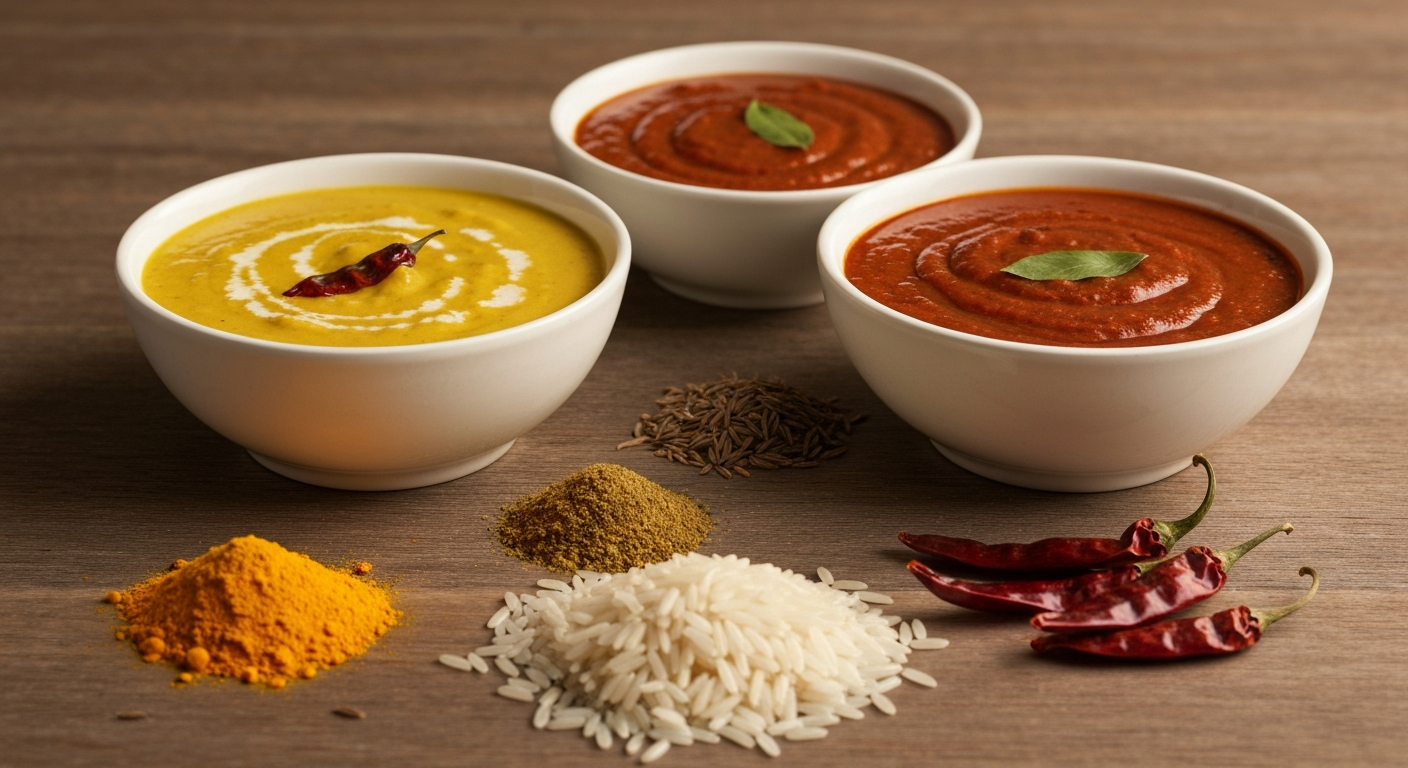
For hotel chains operating multiple dining outlets, maintaining a consistent culinary experience across all locations is paramount to brand integrity and guest satisfaction. This challenge is particularly pronounced when dealing with specialized cuisines like Indian food, which relies on a precise balance of regional spices, authentic gravies, and traditional cooking techniques. The key to overcoming this complexity and ensuring unwavering quality lies in centralized Indian ingredient sourcing multi-unit operations.
This article explores how hotel groups can leverage a centralized procurement strategy to standardize their Indian menus, optimize costs, and enhance operational efficiency across all their properties. We will delve into the benefits, practical implementation steps, and the role of a reliable supplier in achieving culinary excellence and consistency.
The Unique Challenges of Multi-Unit Indian Cuisine in Hotels
Indian cuisine is renowned for its diversity, with distinct regional flavors, spice blends, and cooking methods. Translating this rich culinary tradition into a consistent offering across multiple hotel locations presents several hurdles:
- Flavor and Quality Variability: Relying on local suppliers for spices, pastes, and gravies often leads to inconsistencies in flavor, aroma, and overall dish quality. Different batches of spices can vary in potency, and locally prepared gravies may not adhere to a standardized recipe, resulting in a different guest experience from one hotel to another.
- Supply Chain Complexity: Managing procurement from numerous vendors for each hotel unit can be an administrative burden, leading to higher costs, increased paperwork, and a greater risk of supply disruptions.
- Cost Control and Budgeting: Decentralized purchasing often means hotels pay different prices for the same ingredients, missing out on bulk discounts and economies of scale. Fluctuating market prices for individual ingredients can make accurate budgeting difficult.
- Operational Inefficiencies: Chefs and kitchen staff in each unit spend valuable time sourcing, vetting suppliers, and standardizing ingredients, diverting focus from food preparation and innovation. This also impacts inventory management and waste reduction efforts.
- Food Safety and Compliance: Ensuring consistent adherence to food safety standards (like HACCP and GMP) becomes more challenging when ingredients are sourced from various, unvetted suppliers across different regions.
- Recipe Standardization Difficulties: Even with a master recipe, if the core ingredients—especially gravies, spice blends, and specialty rice—differ in quality or composition, the final dish will inevitably vary.
The Power of Centralized Indian Ingredient Sourcing Multi-Unit Operations
Centralized Indian ingredient sourcing multi-unit refers to the strategy of consolidating the procurement of all Indian ingredients through a single, trusted supplier or a limited number of pre-approved vendors. This approach transforms the supply chain from a fragmented, reactive system into a streamlined, proactive one.
Benefits for Hotel Chains:
- Unwavering Menu Consistency: This is perhaps the most significant advantage. By sourcing standardized, high-quality gravies, pastes, sauces, rice, and spices from a single source, every hotel kitchen receives identical core ingredients. This ensures that a Chicken Tikka Masala in your New York property tastes exactly the same as in your London or Dubai location, reinforcing brand consistency and guest expectations.
- Significant Cost Efficiencies: Centralized purchasing allows for bulk orders, leveraging higher volumes to secure better pricing and discounts. It also reduces administrative costs associated with managing multiple vendor relationships and streamlines invoicing processes. Predictive sourcing minimizes waste and optimizes inventory levels.
- Enhanced Operational Efficiency: Kitchen staff are freed from the time-consuming tasks of sourcing and quality checking individual ingredients. They can focus on culinary execution, menu development, and delivering exceptional guest experiences. Standardized ingredients also simplify training for new chefs, as they learn to work with consistent products.
- Mitigated Supply Chain Risks: Partnering with a large-scale, reliable supplier provides greater stability and resilience against supply disruptions. A well-established distributor with a global logistics network can ensure consistent availability of essential Indian ingredients, even in challenging market conditions.
- Superior Food Safety and Compliance: A single, reputable supplier will adhere to stringent international food safety and quality certifications. This simplifies compliance monitoring for the hotel chain, as all ingredients arrive with guaranteed standards, such as FSSAI, US FDA, ISO, Halal, HACCP, and GMP.
- Optimized Inventory Management: Centralized data on ingredient usage across all units allows for more accurate forecasting, reducing overstocking and spoilage. This leads to better cash flow management and less waste.
- Stronger Brand Reputation and Guest Satisfaction: Consistent quality and authentic flavors across all properties translate directly into positive guest experiences, leading to repeat business, favorable reviews, and a stronger brand image in the competitive hospitality market.
Key Pillars of Effective Centralized Sourcing for Indian Ingredients
Implementing a successful centralized Indian ingredient sourcing multi-unit strategy requires attention to several critical areas:
1. Standardized Product Specifications
Before engaging with suppliers, hotel chains must clearly define the exact specifications for every Indian ingredient. This includes:
- Gravies and Pastes: Detailed flavor profiles, spice levels, ingredient lists, texture, and consistency. For example, a Korma gravy should have a specific richness and balance of sweetness and nuts.
- Spices: Purity, grind size, aroma intensity, and origin (if relevant for specific regional authenticity).
- Rice: Grain length, aroma, cooking characteristics, and variety (e.g., Basmati, Sona Masuri).
- Packaging: Requirements for bulk packaging, shelf life, and storage conditions to ensure freshness and reduce waste across multiple kitchens.
These specifications serve as the benchmark for supplier evaluation and ongoing quality control.
2. Strategic Supplier Vetting and Partnership
Choosing the right supplier is the cornerstone of centralized sourcing. Hotel chains should look for partners who:
- Have a proven track record in supplying high-quality Indian ingredients to professional kitchens.
- Hold comprehensive food safety and quality certifications (e.g., FSSAI, US FDA, ISO, Halal, HACCP, GMP).
- Can demonstrate consistency in product quality and supply volume.
- Offer a broad range of chef-grade Indian gravies, pastes, sauces, rice, and spices.
- Possess robust logistics capabilities for reliable, timely delivery to all your locations.
- Are willing to enter into long-term partnerships, offering transparent pricing and dedicated account management.
3. Robust Logistics and Global Distribution Network
For multi-unit operations spread across different cities or even countries, the supplier's logistics network is crucial. A supplier with strategically located warehouses and efficient distribution channels can significantly reduce lead times and ensure freshness. For instance, if a product is in stock in our US (Houston) or local-country warehouse, it ships in 2 days. For items not immediately in stock, the lead time is typically 35-60 days, with immediate notification to the customer regarding any delays.
4. Advanced Inventory Management and Forecasting
Centralized sourcing facilitates better data collection on ingredient usage across all units. This data can be analyzed to forecast demand more accurately, allowing for 'just-in-time' inventory practices where appropriate, minimizing storage costs, and reducing spoilage. Regular communication with the supplier regarding upcoming menu changes or seasonal demand spikes is essential for seamless operations.
5. Continuous Quality Assurance and Food Safety Protocols
With a centralized system, quality checks can be streamlined. Rather than each hotel unit verifying every batch from various suppliers, the central procurement team, in partnership with the chosen supplier, can establish rigorous quality assurance protocols. This includes regular audits, sample testing, and adherence to all relevant food safety regulations, ensuring every delivery meets the hotel chain's high standards.
Implementing Centralized Sourcing: A Step-by-Step Guide
- Audit Current Ingredient Usage: Begin by cataloging all Indian ingredients currently used across your hotel properties. Identify common items, unique regional needs, and current supplier relationships.
- Define Core Indian Menu Items: Determine which Indian dishes are essential to your brand and require absolute consistency. These will be the primary focus for centralized sourcing.
- Develop Detailed Specifications: Work with your culinary teams to create precise specifications for each ingredient, as outlined above.
- Identify and Vet Potential Suppliers: Research and engage with suppliers who specialize in authentic, chef-grade Indian ingredients and have the capacity for large-scale, multi-unit distribution. Request samples and conduct rigorous quality testing.
- Pilot Program: Start with a pilot program in a few select hotel units. This allows for testing the new supply chain, gathering feedback from chefs, and fine-tuning processes before a full rollout.
- Full Rollout and Training: Once the pilot is successful, implement the centralized sourcing model across all properties. Provide comprehensive training to culinary teams on how to work with the new standardized ingredients and the benefits of the new system.
- Monitor and Optimize: Continuously monitor ingredient quality, delivery performance, cost savings, and chef feedback. Establish regular review cycles with your supplier to address any issues and explore opportunities for further optimization.
ODOD LLC (MITRA): Your Partner in Centralized Indian Ingredient Sourcing
At ODOD LLC, under our MITRA brand, we understand the exacting standards of hotel culinary operations. We specialize in providing chef-grade Indian gravies, pastes, sauces, rice, and spices designed for professional kitchens, enabling centralized Indian ingredient sourcing multi-unit strategies that deliver consistent quality and operational efficiency.
Our products are manufactured to meet the highest international standards, backed by certifications including FSSAI, US FDA, ISO, Halal, HACCP, and GMP. This ensures that every ingredient you receive adheres to stringent food safety and quality benchmarks, giving your culinary teams confidence and peace of mind.
We support multi-unit operations with a minimum order quantity (MOQ) of 50 kg, designed to cater to the scale of hotel kitchens and facilitate efficient bulk purchasing. Our robust logistics network serves a growing list of countries, including the USA, Canada, UK, UAE, Australia, Germany, Italy, India, France, Ireland, Switzerland, and the Netherlands.
Whether your hotels are located across a single country or span multiple continents, our commitment to authentic flavors, consistent quality, and reliable supply chain management makes us an ideal partner for standardizing your Indian culinary offerings. We help your chefs focus on creating memorable dining experiences, knowing that the foundational ingredients are consistently exceptional.
Conclusion
For hotel chains, the pursuit of culinary consistency across all properties is a continuous journey. When it comes to Indian cuisine, centralized Indian ingredient sourcing multi-unit operations offer a powerful solution. By consolidating procurement, hotel groups can achieve unparalleled menu consistency, realize significant cost savings, enhance operational efficiencies, and uphold the highest standards of food safety and quality. This strategic approach not only elevates the dining experience for guests but also strengthens the hotel brand's reputation as a purveyor of authentic and reliable culinary excellence.
Elevate your Indian culinary offerings and streamline your operations. Discover how MITRA can support your hotel chain's journey towards consistent, high-quality Indian cuisine across all your locations.
Request a Quote or Sample
To learn more about our range of chef-grade Indian ingredients and how we can support your centralized sourcing strategy, please visit ododgroup.com to request a quote or sample today. Our team is ready to discuss your specific needs and help you achieve culinary consistency across your multi-unit operations.