
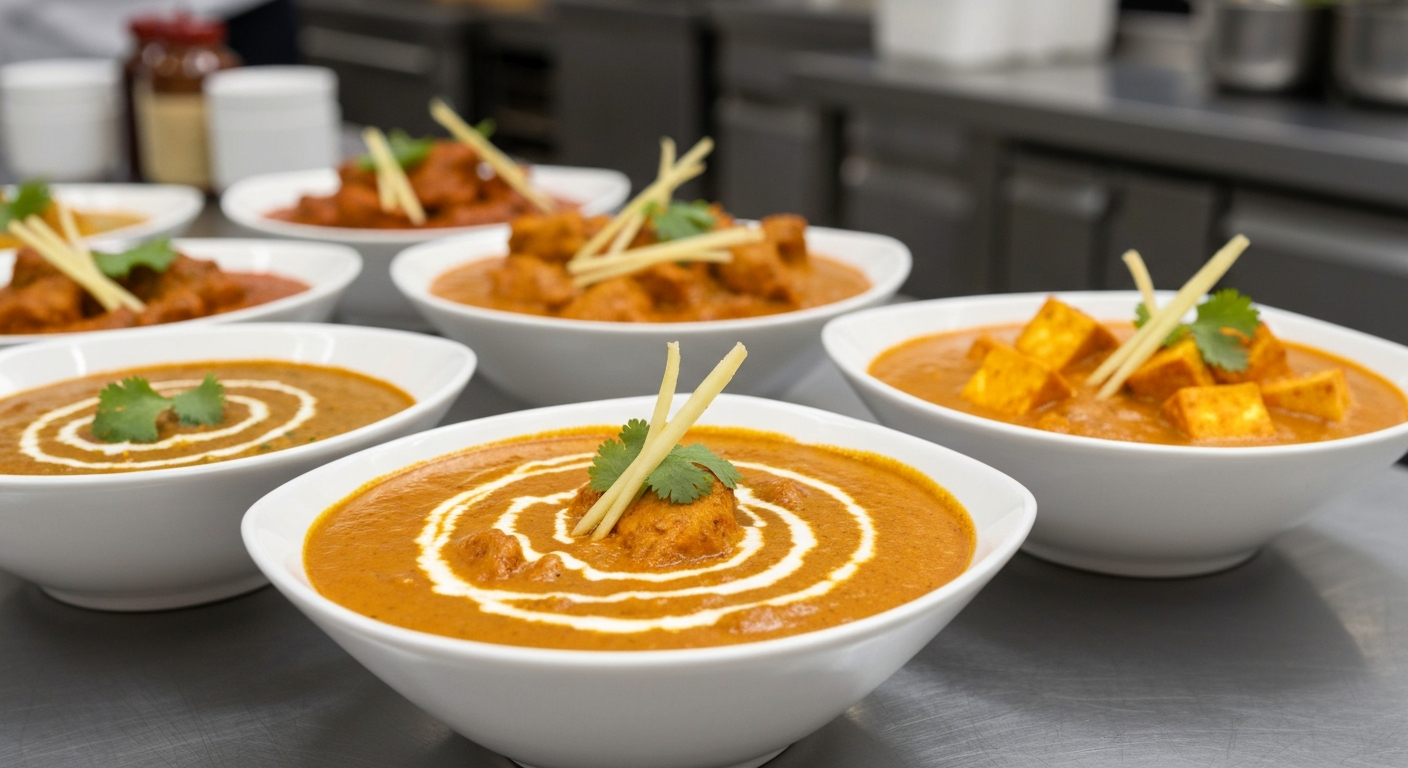
The culinary landscape is rapidly evolving, with ghost kitchens emerging as a dominant force in food service. These delivery-only operations thrive on efficiency, speed, and consistent quality, all while navigating the complexities of digital order management. For ghost kitchens specializing in Indian cuisine, the challenge is particularly nuanced: how to deliver authentic, high-quality dishes at scale, maintaining flavor integrity and meeting rapid delivery demands? The answer lies in mastering ghost kitchen Indian order fulfillment – a strategic blend of culinary expertise, operational excellence, and robust supply chain management.
Indian cuisine, celebrated for its rich flavors, aromatic spices, and diverse regional variations, presents unique opportunities and challenges for the ghost kitchen model. From intricate curries and slow-cooked dals to freshly baked breads and vibrant biryanis, the preparation often involves multiple steps and precise timing. This article explores practical strategies for ghost kitchens to streamline their operations, ensuring efficient order fulfillment without compromising the authenticity and taste that customers expect from Indian food.
The Unique Landscape of Indian Cuisine in Ghost Kitchens
Operating an Indian cuisine ghost kitchen requires a deep understanding of both traditional cooking methods and modern operational demands. Unlike a traditional sit-down restaurant, a ghost kitchen's success hinges entirely on its ability to produce consistent, high-quality food that travels well and arrives promptly. This is especially true for Indian dishes, where flavor profiles are complex and texture can be sensitive to transport.
Maintaining Authenticity and Quality Under Pressure
Indian cooking is often characterized by its layering of flavors, achieved through precise tempering of spices, slow simmering, and careful ingredient selection. Replicating this authenticity in a high-volume, fast-paced ghost kitchen environment is a significant hurdle. Chefs must find ways to reduce prep time without sacrificing the depth of flavor or the integrity of the dish.
High Demand for Variety and Customization
Customers ordering Indian food often seek a wide variety of dishes, from vegetarian specialties like Paneer Butter Masala and Dal Makhani to meat-based favorites such as Chicken Tikka Masala and Lamb Rogan Josh. Furthermore, dietary preferences and spice level adjustments are common requests. Managing this diversity and customization efficiently is crucial for `ghost kitchen indian order fulfillment`.
Streamlining Prep and Production for Efficiency
Efficiency in the kitchen is the bedrock of successful ghost kitchen operations. For Indian cuisine, this means optimizing every stage, from ingredient preparation to final plating.
Standardization with Prepared Ingredients
One of the most impactful strategies for efficiency is the adoption of high-quality, pre-made gravies, pastes, and sauces. These products, designed for professional kitchens, offer several advantages:
- Consistent Flavor Profile: Ensure every dish tastes the same, regardless of the chef on duty.
- Reduced Prep Time: Eliminate hours of chopping, grinding, and slow-cooking base gravies, allowing staff to focus on finishing dishes.
- Cost Efficiency: Minimize waste from raw ingredients and reduce labor costs associated with extensive prep.
- Scalability: Easily scale production up or down to meet fluctuating demand without compromising quality.
By leveraging chef-grade Indian gravies and pastes, kitchens can significantly cut down on the most time-consuming aspects of Indian cooking, allowing for faster order turnaround and higher throughput.
Batch Cooking and Mise en Place
Implementing robust batch cooking protocols for components like rice, lentils, and certain vegetables can greatly enhance speed. A well-organized `mise en place` system, where all necessary ingredients for each dish are prepped, portioned, and readily available, further reduces assembly time during peak hours.
Kitchen Layout and Workflow Optimization
Designing the physical layout of the ghost kitchen with a focus on logical workflow is paramount. Stations should be arranged to minimize movement, from cold storage and prep areas to cooking lines, plating, and dispatch. Clear labeling, dedicated equipment for specific tasks, and regular cleaning schedules contribute to both efficiency and food safety.
Digital Order Management and Integration
In a ghost kitchen, the digital interface is the storefront. Seamless integration of order platforms and efficient management of incoming requests are critical for `ghost kitchen indian order fulfillment`.
Platform Integration and Centralized Systems
Ghost kitchens typically operate across multiple third-party delivery platforms. Integrating these into a single, centralized order management system (OMS) or point-of-sale (POS) system is essential. This prevents missed orders, reduces manual data entry errors, and provides a consolidated view of incoming demand.
Menu Engineering for Digital Platforms
Optimizing the digital menu is more than just listing dishes. It involves:
- Clear Descriptions: Detailed, appetizing descriptions that accurately convey ingredients and flavor profiles, especially important for diverse Indian dishes.
- Managing Modifiers: Efficiently handling requests for spice levels, dietary restrictions (e.g., vegan, gluten-free), and add-ons without slowing down the kitchen.
- Highlighting Popular Items: Strategically placing best-sellers to guide customer choices and streamline kitchen focus.
- Photography: High-quality, appealing images that showcase the vibrancy of Indian cuisine.
Real-time Inventory Management
Accurate, real-time inventory tracking is vital for preventing stockouts of critical Indian ingredients and managing perishable items. Integrated systems can automatically update inventory as orders come in, flagging low stock levels and assisting with reordering decisions. This is particularly important for specialty spices or specific vegetables that might have longer lead times.
Ensuring Quality and Food Safety in High-Volume Operations
Maintaining rigorous food safety standards is non-negotiable for any food service operation, especially ghost kitchens dealing with high volumes and complex dishes like those found in Indian cuisine.
Temperature Control and Holding Times
Indian gravies and curries often need to be held at specific temperatures to maintain quality and safety. Investing in high-quality holding equipment, implementing strict temperature monitoring protocols, and adhering to safe holding times are crucial. Rapid cooling procedures for batch-cooked items are equally important to prevent bacterial growth.
Packaging Solutions for Transit
The right packaging is vital for ensuring food quality upon arrival. For Indian dishes, this means:
- Leak-Proof Containers: Essential for gravies and curries to prevent spills.
- Heat Retention: Insulated packaging to keep food warm during delivery.
- Separate Components: Packaging rice, breads, and gravies separately to maintain texture and prevent sogginess.
- Ventilation: For items like samosas or pakoras, packaging that allows steam to escape can prevent them from becoming soggy.
Adherence to Food Safety Standards
Compliance with industry-recognized food safety certifications is paramount. Our products, for instance, are manufactured under stringent quality controls and hold certifications such as FSSAI, US FDA, ISO, Halal, HACCP, and GMP. Ghost kitchens should emulate this commitment to safety through thorough staff training, strict hygiene protocols, and regular audits. These certifications are not just regulatory requirements; they are a testament to a commitment to delivering safe, high-quality food.
Optimizing Delivery Logistics and Customer Experience
The final leg of `ghost kitchen indian order fulfillment` is delivery. How smoothly this process runs directly impacts customer satisfaction and repeat business.
Efficient Dispatch and Route Planning
Working closely with delivery partners and leveraging their route optimization tools can significantly cut down on delivery times. Clear communication channels with drivers, accurate order readiness notifications, and designated pickup zones in the kitchen all contribute to a faster dispatch process.
Communication with Customers
Transparency is key. Providing customers with real-time order updates, estimated delivery times, and immediate notifications of any unforeseen delays can manage expectations and improve satisfaction, even if issues arise.
Feedback Loops for Continuous Improvement
Actively soliciting and analyzing customer feedback is invaluable. Reviews can highlight areas for improvement in food quality, packaging, or delivery efficiency. Using this data to refine menu items, adjust operational flows, or improve staff training creates a cycle of continuous improvement.
Strategic Sourcing for Consistent Supply
The foundation of any successful ghost kitchen, particularly one specializing in Indian cuisine, is a reliable and consistent supply chain. Sourcing high-quality, chef-grade ingredients is non-negotiable.
Reliable Suppliers and Quality Assurance
Partnering with suppliers who understand the demands of professional kitchens and can consistently deliver premium ingredients is crucial. For Indian cuisine, this means access to authentic spices, high-quality legumes, and specialty produce. Suppliers should also be able to provide necessary documentation and certifications for their products.
Managing Lead Times and Inventory
Effective inventory management is critical to avoid disruptions. For products in stock in our US (Houston) or local-country warehouses, shipping typically occurs within 2 days. However, for items not immediately available, the lead time can be between 35-60 days. Customers are always notified immediately of any potential delays. Therefore, strategic planning and maintaining adequate stock levels are essential to prevent running out of key ingredients, especially during peak demand.
Minimum Order Quantities and Global Reach
When sourcing in bulk, understanding supplier requirements such as a 50 kg minimum order quantity (MOQ) allows for efficient procurement and better cost management. ODOD LLC, through its MITRA brand, serves a wide range of countries including USA, Canada, UK, UAE, Australia, Germany, Italy, India, France, Ireland, Switzerland, and Netherlands, with more locations continuously being added. This extensive reach ensures that ghost kitchens can access high-quality Indian ingredients and prepared gravies, regardless of their operational base.
Conclusion
Mastering `ghost kitchen indian order fulfillment` is a multifaceted endeavor that blends culinary artistry with operational precision. By embracing prepared ingredients, optimizing kitchen workflows, leveraging digital tools, prioritizing food safety, and establishing robust supply chains, ghost kitchens can meet the high expectations of customers craving authentic Indian flavors. The ability to consistently deliver quality, speed, and efficiency will define success in this competitive and rapidly expanding sector.
Ready to elevate your ghost kitchen's Indian cuisine offerings? Explore our range of chef-grade Indian gravies, pastes, and sauces designed to streamline your operations and ensure consistent quality. Inquire about our bulk supply options and see how we can support your business. Visit ododgroup.com to request a quote or sample.