
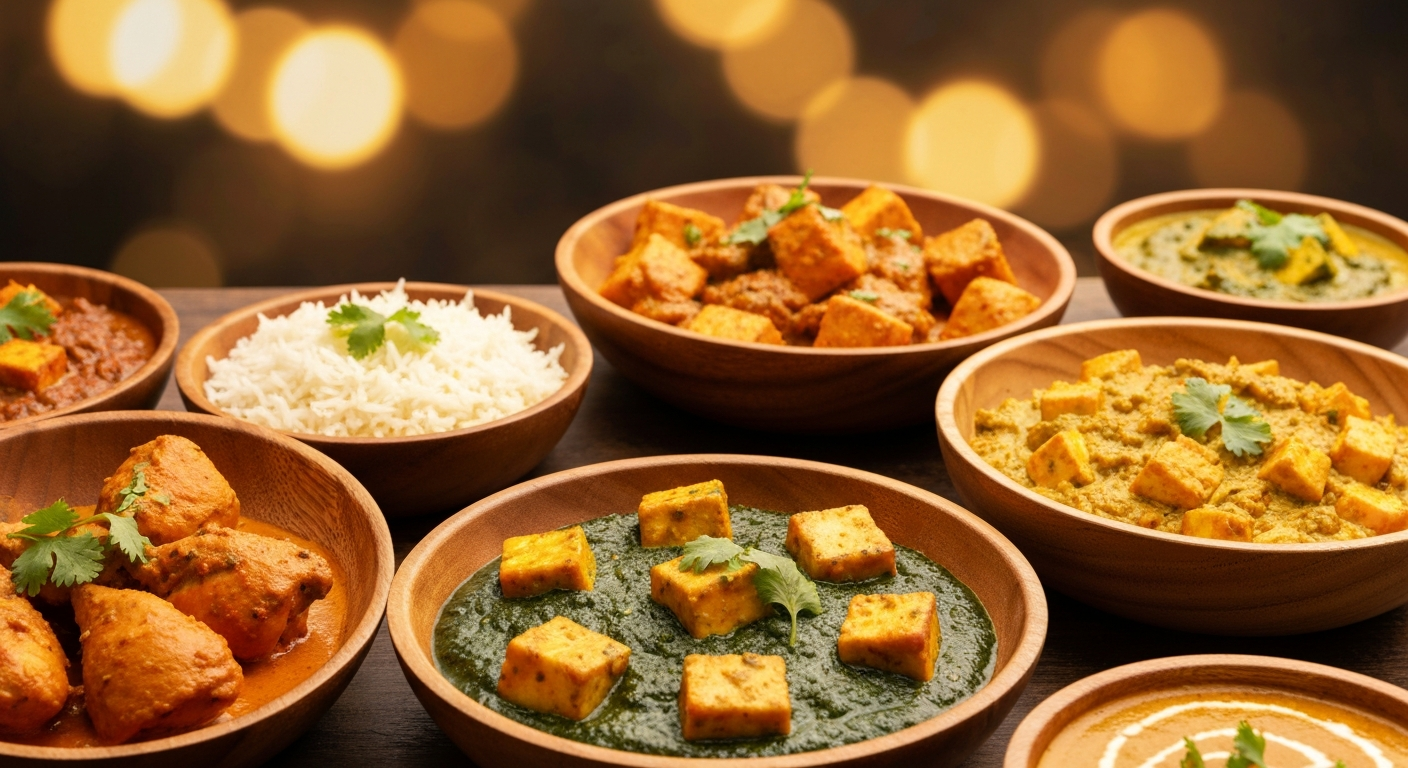
The landscape of American foodservice is continually evolving, with a noticeable and sustained surge in demand for global flavors. Among these, Indian cuisine stands out, moving beyond niche markets to become a mainstream favorite. For food distributors, this represents a significant opportunity, but one that requires a specialized approach. Successfully penetrating and growing within this market hinges on one critical factor: a well-equipped `distributor sales team indian foodservice training` program.
This article provides a comprehensive guide for distributors looking to empower their sales teams. We'll explore the nuances of the Indian foodservice market, the specific product knowledge required, and the operational benefits that will resonate with a diverse client base, from independent restaurants and cloud kitchens to large hotel chains and catering operations. By investing in targeted training, your sales team can transition from simply selling products to offering valuable, tailored solutions that drive client success and, in turn, grow your market share.
The Expanding Palate: Understanding the Indian Foodservice Landscape
Indian cuisine is one of the most diverse and rapidly growing segments in the global foodservice industry. Its popularity stems from a rich tapestry of regional flavors, aromatic spices, and a wide array of vegetarian and non-vegetarian options that appeal to an increasingly adventurous diner base. This growth isn't just confined to major metropolitan areas; it's a nationwide trend, creating opportunities for distributors in every market.
However, the Indian foodservice market is not monolithic. It encompasses:
- Traditional Indian Restaurants: Seeking authenticity, consistency, and efficiency in their core offerings.
- Mainstream Restaurants and Chains: Looking to diversify menus, add ethnic options, or offer a specific Indian dish as a special.
- Cloud/Ghost Kitchens: Prioritizing speed, consistency, and minimal labor for high-volume delivery.
- Hotels and Resorts: Integrating Indian cuisine into buffets, banquets, and room service menus.
- Catering Companies: Requiring scalable, high-quality solutions for events of all sizes.
- Institutional Foodservice: Hospitals, universities, and corporate dining facilities responding to diverse dietary needs and preferences.
Each of these segments has unique needs and challenges. A sales team equipped with deep product knowledge and an understanding of these operational contexts can effectively position ready-to-use Indian gravies, pastes, sauces, rice, and spices as indispensable solutions.
Core Components of Effective `Distributor Sales Team Indian Foodservice Training`
To truly master the Indian cuisine market, your sales team needs more than just a product catalog. They need a robust understanding of the cuisine itself, the products that facilitate its preparation, and the operational advantages these products offer to various foodservice clients.
1. In-Depth Product Knowledge: Beyond the Label
Your sales team must be experts on the products they sell. This goes beyond knowing names; it means understanding ingredients, flavor profiles, and applications.
- Gravies and Pastes: These are often the backbone of Indian dishes. Training should cover:
- Types: Makhani (Butter Chicken base), Korma, Tikka Masala, Vindaloo, Saag (Spinach), Chettinad, Goan Curry, etc. Explain the distinct flavor profile and regional origin of each.
- Applications: How a single base gravy can be used for multiple protein options (chicken, paneer, vegetables, lamb) or even as a sauce for wraps and bowls.
- Quality Indicators: Emphasize the importance of natural ingredients, balanced spices, and a consistent texture that replicates scratch-made quality.
- Sauces: Ready-to-use chutneys, tamarind sauce, mint sauce, and other accompaniments that elevate a dish.
- Rice: The significance of high-quality Basmati rice in Indian cuisine, its various forms (aged, parboiled), and cooking methods.
- Spices: While ready-to-use products reduce the need for extensive spice knowledge, understanding common whole spices (cardamom, cloves, cinnamon, bay leaves) and ground spices (turmeric, cumin, coriander, chili powder) helps sales teams speak to authenticity. Introduce the concept of complex blends like Garam Masala.
Highlight how chef-grade, ready-to-use products from suppliers like MITRA offer authenticity and consistency without the extensive labor and ingredient sourcing typically required for scratch preparation.
2. Culinary Basics and Application Guidance
Sales teams don't need to be master chefs, but a foundational understanding of Indian culinary principles and practical applications will significantly boost their credibility.
- Regional Diversity: Briefly introduce the broad strokes of North Indian (creamy, rich gravies), South Indian (spicy, tangy, rice-centric), East Indian (mustard oil, seafood), and West Indian (coastal, often sweet and sour) cuisines. This helps in recommending appropriate products.
- Streamlining Operations: Demonstrate how ready-to-use gravies and pastes dramatically reduce prep time, skilled labor requirements, and ingredient waste. Show how a single base can be customized with fresh additions to create unique dishes.
- Menu Integration: Provide examples of how non-Indian restaurants can easily integrate one or two Indian dishes using these products, or how Indian restaurants can expand their existing menu with new regional specialties without overhauling their kitchen operations.
3. Operational Benefits for Foodservice Clients
This is where sales teams shift from selling products to selling solutions. They must articulate the tangible benefits for a client's bottom line and operational efficiency.
- Labor Savings: The most compelling argument. Ready-to-use products drastically cut down on the need for highly skilled Indian chefs for base gravy preparation, reducing labor costs and dependency on specialized staff.
- Consistency and Quality: Guaranteeing the same authentic flavor and quality dish after dish, regardless of kitchen staff rotation or skill level. This is crucial for brand reputation and customer satisfaction.
- Waste Reduction: Eliminating spoilage of raw ingredients (onions, tomatoes, ginger, garlic, spices) used in scratch-made gravies. Products with longer shelf lives (when unopened) also contribute to better inventory management.
- Cost Efficiency: Beyond labor, consider the cost of purchasing individual spices and ingredients, the energy for slow cooking, and the potential for batches to go wrong. Ready-to-use products offer predictable costs per portion.
- Scalability: Enabling kitchens to easily scale production for high-volume periods, catering events, or new locations without compromising quality or increasing staff proportionally.
- Menu Diversification: Allowing kitchens to offer a wider range of Indian dishes with minimal additional effort or investment.
Structuring Your `Distributor Sales Team Indian Foodservice Training` Program
An effective training program is not a one-time event; it's an ongoing process that adapts to market changes and new product introductions.
Initial Onboarding and Foundational Knowledge
- Market Overview: A deep dive into the growth of Indian cuisine, key demographics, and market segments.
- Product Immersion: Detailed sessions on each product category (gravies, pastes, spices, rice), including ingredients, flavor profiles, and ideal uses.
- Culinary Context: Basic explanations of key Indian cooking techniques and regional differences.
- Operational Benefits: Training on how to quantify labor savings, consistency, and cost efficiencies.
Ongoing Education and Resources
- Regular Updates: Quarterly or bi-annual sessions on new product introductions, emerging trends in Indian cuisine, and competitive intelligence.
- Hands-on Demonstrations: Product tasting sessions are invaluable. Allow sales teams to prepare simple dishes using the products, experiencing the ease and quality first-hand. Consider bringing in a chef for live cooking demonstrations.
- Resource Library: Provide comprehensive product sheets, spec sheets, suggested recipe ideas, FAQs, and testimonials. These resources should be easily accessible.
- Supplier Support: Encourage direct interaction with supplier product specialists who can offer deeper insights and support for complex client inquiries.
Sales Techniques Specific to Indian Foodservice
- Needs-Based Selling: Train your team to ask targeted questions about a client's current operations, labor challenges, menu goals, and customer feedback. This helps identify pain points that MITRA's solutions can address.
- Solution-Oriented Pitches: Instead of listing product features, teach them to present how specific gravies or pastes solve a client's identified problems (e.g., "Our Tikka Masala gravy can cut your prep time for this dish by 70% and ensure consistent flavor across all shifts.")
- Handling Objections: Address common objections such as "It's not authentic if it's not made from scratch" by emphasizing that chef-grade ready-to-use products provide an authentic base that allows chefs to focus on customization and plating, maintaining quality and consistency.
- Cross-selling and Upselling: Train teams to identify opportunities to sell complementary products (e.g., if a client buys Makhani gravy, suggest Basmati rice or a specific spice blend for garnish).
Partnering for Success: Leveraging Supplier Expertise
Choosing the right supplier is as crucial as training your team. A reliable partner like MITRA not only provides high-quality products but also supports your sales team with the resources and expertise needed to succeed.
MITRA supplies chef-grade Indian gravies, pastes, sauces, rice, and spices to professional kitchens. Our products are manufactured to stringent quality standards, holding certifications including FSSAI, US FDA, ISO, Halal, HACCP, and GMP. This ensures that every product your team sells meets the highest benchmarks for safety, quality, and authenticity.
How MITRA Supports Your Sales Team:
- Product Expertise: Our team can provide detailed information on our product range, including unique selling points, usage instructions, and potential menu applications.
- Quality Assurance: Confidently assure your clients of consistent, authentic flavors and superior quality, backed by our comprehensive certifications.
- Logistical Reliability: We understand the importance of timely delivery. Products in stock in our US (Houston) or local-country warehouses ship in 2 days. If an item is not in stock, the lead time is 35-60 days, and customers are notified immediately of any delay. Our minimum order quantity (MOQ) is a manageable 50 kg, designed to support diverse business needs.
- Global Reach: We currently serve customers in the USA, Canada, UK, UAE, Australia, Germany, Italy, India, France, Ireland, Switzerland, and the Netherlands, with more countries being added regularly. This broad reach demonstrates our capacity and commitment to global foodservice.
By leveraging MITRA's product quality, certifications, and logistical capabilities, your sales team can build stronger relationships with clients, offering them reliable solutions that streamline their operations and delight their customers.
Conclusion
The Indian cuisine market offers substantial growth opportunities for food distributors who are prepared to meet its unique demands. Investing in a comprehensive `distributor sales team indian foodservice training` program is not merely an expense; it's a strategic investment that yields significant returns. By equipping your sales force with in-depth product knowledge, culinary understanding, and a clear grasp of operational benefits, you empower them to become trusted advisors to their clients.
This approach transforms your sales team from order-takers into solution providers, enhancing client loyalty and securing a leading position in this dynamic and expanding market. Partner with a supplier like MITRA, and provide your team with the tools they need to confidently navigate and conquer the Indian foodservice landscape.
Ready to empower your sales team and expand your reach in the Indian foodservice market? Inquire today to learn more about MITRA's range of chef-grade products, request a quote, or arrange for samples. Visit ododgroup.com to connect with our team and explore how we can support your distribution efforts.