
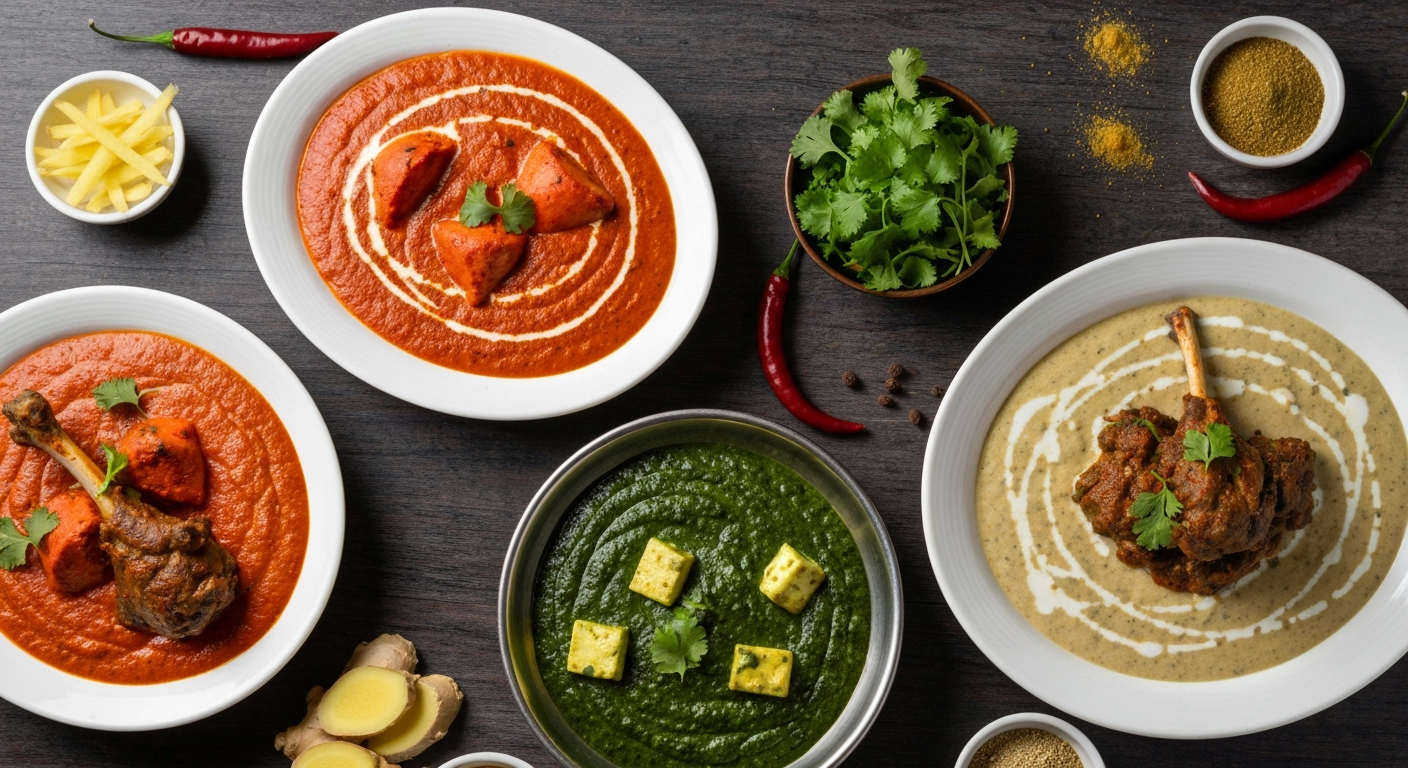
In the competitive landscape of modern food service, restaurants constantly seek innovative strategies to diversify their offerings while maintaining operational efficiency and cost control. For establishments specializing in Indian cuisine, or those looking to integrate authentic Indian dishes into a broader menu, the challenge often lies in balancing the complex, labor-intensive nature of traditional Indian cooking with the demands of a high-volume kitchen. This is where strategic restaurant indian menu base product utilization becomes a pivotal approach.
Traditionally, Indian cooking relies on preparing a multitude of gravies and masalas from scratch daily, a process that demands significant time, skilled labor, and a diverse inventory of fresh ingredients. While this dedication to scratch cooking is admirable, it can lead to inconsistencies, increased food waste, and higher labor costs, especially during peak service hours. The solution lies not in compromising authenticity, but in optimizing the foundational elements of the cuisine: the versatile gravy bases that underpin a vast array of Indian dishes.
The Operational Challenges of Traditional Indian Kitchens
Operating an Indian kitchen, whether it's a dedicated Indian restaurant or a section within a multi-cuisine establishment, presents unique hurdles:
- Labor Intensity: The extensive chopping, grinding, sautéing, and slow-cooking required for authentic gravies and masalas are time-consuming. Finding and retaining skilled chefs capable of consistently executing these complex preparations is a significant challenge.
- Ingredient Management: A wide variety of fresh vegetables, spices, and dairy products are needed daily. This leads to complex inventory management, potential for spoilage, and fluctuating ingredient costs.
- Consistency Issues: Even the most experienced chefs can have variations in their daily preparations. Achieving a consistent taste profile for a signature Butter Chicken or a perfectly balanced Rogan Josh, day after day, across multiple shifts, is difficult.
- Speed of Service: During busy periods, the time required to prepare dishes from scratch can slow down service, impacting customer satisfaction and table turnover.
- Menu Limitations: The sheer effort involved in preparing many different bases can limit the breadth of the menu a kitchen can realistically offer without overwhelming staff or compromising quality.
These challenges highlight a critical need for solutions that streamline kitchen operations without sacrificing the rich flavors and authentic character that diners expect from Indian cuisine.
Restaurant Indian Menu Base Product Utilization: A Strategic Approach
The strategic use of high-quality, chef-grade Indian gravy bases offers a powerful solution to these operational dilemmas. By leveraging pre-prepared, authentic bases, restaurants can dramatically simplify their kitchen processes, achieve unparalleled consistency, and expand their menu without increasing complexity or labor overhead. This approach allows chefs to focus their creativity on finishing dishes, customizing flavors, and presenting plates, rather than spending hours on foundational prep work.
These bases are not shortcuts that diminish quality. Instead, they are meticulously crafted by culinary experts, often using traditional recipes and premium ingredients, and manufactured under stringent quality controls. They provide a consistent, flavorful foundation that can be transformed into a multitude of distinct dishes with minimal additional effort.
Mastering Versatility: Core Indian Gravy Bases and Their Applications
Let's explore how a few fundamental Indian gravy bases can be utilized to create a diverse and appealing menu:
Makhani Gravy: The Foundation of Richness
Makhani gravy, known for its creamy texture, rich tomato base, and subtle sweetness, is a cornerstone of North Indian cuisine. Its versatility extends far beyond the iconic Butter Chicken.
- Butter Chicken (Murgh Makhani): The classic application. Simply add pre-cooked tandoori chicken pieces to the simmering makhani base, finish with a swirl of cream and fresh cilantro.
- Paneer Butter Masala: A vegetarian counterpart, using cubes of paneer (Indian cottage cheese) instead of chicken.
- Malai Kofta: Soft, creamy vegetable or paneer dumplings simmered in makhani gravy, often enriched with cashew paste for extra creaminess.
- Dal Makhani: While traditionally a slow-cooked lentil dish, a touch of makhani base can enhance its richness and depth, especially in a restaurant setting where speed is crucial.
- Butter Prawn/Shrimp Masala: Seafood alternative, offering a rich, comforting dish with a different protein profile.
Customization Notes: Chefs can adjust the spice level, add a touch of kasuri methi (dried fenugreek leaves) for aroma, or incorporate various vegetables like peas or mushrooms for unique variations.
Onion-Tomato (Bhuna) Gravy: The Versatile Workhorse
The bhuna gravy is characterized by a robust blend of caramelized onions, ripe tomatoes, ginger, garlic, and a complex array of dry spices. It's the backbone for many hearty and savory Indian curries.
- Chicken Tikka Masala: Often considered a British national dish, it's easily prepared by adding grilled chicken tikka to the bhuna base, perhaps with a touch of cream for richness.
- Rogan Josh: A rich, aromatic lamb curry. Lamb pieces are cooked until tender in the bhuna base, often with an emphasis on Kashmiri chilies and yogurt for a distinctive flavor and color.
- Kadai Chicken/Paneer: A semi-dry dish featuring bell peppers and onions, cooked in a bhuna base with freshly ground kadai spices. Excellent with either chicken or paneer.
- Chana Masala: Hearty chickpea curry. The bhuna base provides a robust foundation for chickpeas, often finished with amchur (dry mango powder) for tang.
- Aloo Gobi: A classic potato and cauliflower dry curry can be given a saucier twist by incorporating a bhuna base.
- Keema Matar: Minced meat (lamb or chicken) with peas, cooked in the bhuna base for a flavorful and satisfying dish.
Customization Notes: Varying the tempering (tadka) with whole spices, adjusting the tomato-to-onion ratio, or adding yogurt can dramatically alter the final profile of dishes made from this versatile base.
White Gravy: For Mild and Creamy Delights
Typically made from a blend of cashews, almonds, cream, and sometimes yogurt, white gravy offers a rich, mild, and subtly sweet foundation, perfect for elegant dishes.
- Korma (Navratan Korma, Chicken Korma, Vegetable Korma): The quintessential application. Proteins (chicken, lamb, paneer) or a medley of nine "jewels" (navratan) like fruits, nuts, and vegetables are cooked in this creamy base.
- Shahi Paneer: Royal paneer curry, where paneer cubes are gently simmered in the rich white gravy, often with saffron and cardamom.
- Malai Mutter: Green peas cooked in a mild, creamy white gravy, a simple yet elegant vegetarian option.
- Koſta Curry (without tomato): While Malai Kofta often uses makhani, a different profile can be achieved with white gravy for a milder, richer kofta dish.
Customization Notes: Fresh green chilies can be added for a subtle kick, or a touch of saffron for color and aroma. The texture can be varied by adjusting the amount of cream or yogurt.
Beyond the Core: Expanding with Regional Bases
While the above three are workhorses, other specialized bases can further expand a menu's regional diversity:
- Palak (Spinach) Gravy: For dishes like Palak Paneer or Palak Chicken, offering a healthy and vibrant green option.
- South Indian Curry Base (Coconut/Tamarind): A base for dishes like Goan Fish Curry, Kerala Curry, or Chettinad preparations, bringing tangy and spicy notes characteristic of southern India.
By carefully selecting and utilizing these high-quality bases, a single kitchen can effectively offer a sprawling menu that caters to diverse tastes, from the mild and creamy to the robust and spicy, across various regional Indian cuisines.
Tangible Benefits for Your Restaurant Operations
The strategic adoption of pre-prepared Indian gravy bases translates into significant operational advantages for any food service establishment:
- Labor Efficiency: Reduce the need for highly specialized and time-consuming prep work. Your culinary team can focus on assembly, finishing, and presentation, maximizing their output and reducing labor costs.
- Cost Control and Waste Reduction: Consistent portioning of bases minimizes food waste. Predictable ingredient costs for the bases themselves allow for better menu pricing and profit margin management. Less perishable raw ingredients need to be stocked.
- Unwavering Consistency: Every dish prepared from a standardized base will taste the same, every time. This ensures a consistent brand experience for your customers, fostering loyalty and repeat business.
- Enhanced Speed of Service: With foundational gravies ready, dish preparation time is drastically cut. This is crucial during peak hours, enabling faster table turnover and improved customer satisfaction.
- Seamless Menu Expansion: The ability to create a wide array of dishes from a limited number of bases allows for agile menu development. Introduce new specials or seasonal items with ease, without overhauling your kitchen processes.
- Simplified Inventory Management: Instead of dozens of raw ingredients for multiple gravies, you manage a smaller number of versatile bases, simplifying ordering, storage, and stock rotation.
Maintaining Authenticity and Quality with Pre-Prepared Bases
A common misconception is that using pre-prepared bases compromises authenticity or quality. This is far from the truth when sourcing chef-grade products. ODOD LLC, through its MITRA brand, provides bases manufactured to the highest standards, ensuring authentic flavors derived from traditional recipes and premium ingredients. Our products are manufactured to FSSAI, US FDA, ISO, Halal, HACCP, and GMP certifications, guaranteeing both safety and quality.
Chefs retain full creative control. The bases provide the foundational flavor profile, but the final dish is still a canvas for culinary artistry. Chefs can:
- Adjust Spice Levels: Add fresh chilies, tempering, or garam masala to suit specific customer preferences.
- Incorporate Fresh Aromatics: Garnish with fresh cilantro, ginger juliennes, or fried onions.
- Vary Proteins and Vegetables: Easily swap chicken for lamb, paneer, tofu, or seasonal vegetables.
- Add Finishing Touches: A dollop of fresh cream, a squeeze of lemon, or a sprinkle of toasted spices can elevate the dish.
This approach empowers chefs to deliver authentic, high-quality Indian cuisine efficiently, without the daily grind of starting every gravy from scratch.
Implementing a Base-Centric Menu Strategy
Successfully integrating a base-centric strategy requires thoughtful planning:
- Select Your Core Bases: Identify the 3-5 most versatile bases that align with your restaurant's culinary vision and target demographic.
- Train Your Team: Educate your kitchen staff on the proper handling, heating, and customization techniques for each base. Emphasize consistency in portioning and finishing.
- Develop Standard Operating Procedures (SOPs): Create clear, step-by-step recipes for each menu item derived from a base, ensuring uniformity across all preparations.
- Experiment and Innovate: Encourage your chefs to explore new combinations, seasonal specials, and fusion dishes using the bases as a reliable starting point.
- Monitor Feedback: Continuously gather feedback from staff and customers to refine your menu and preparation methods.
Partnering for Success: MITRA Chef-Grade Indian Bases
ODOD LLC understands the demands of professional kitchens. Our MITRA brand offers a comprehensive range of chef-grade Indian gravies, pastes, sauces, rice, and spices designed to support your operational efficiency and culinary excellence. We provide products manufactured to stringent quality standards, allowing you to focus on creating memorable dining experiences.
Our minimum order quantity is a 50 kg MOQ, catering to the needs of professional food service operations. We pride ourselves on efficient logistics: if a product is in stock in our US (Houston) or local-country warehouse, it ships in 2 days. For items not immediately in stock, the lead time is 35-60 days, and customers are notified immediately of any delay. We currently serve a growing list of countries, including the USA, Canada, UK, UAE, Australia, Germany, Italy, India, France, Ireland, Switzerland, and Netherlands, with more locations being added regularly.
By leveraging MITRA's versatile Indian bases, your restaurant can achieve unprecedented menu diversity, operational efficiency, and consistent quality, ensuring customer satisfaction and business growth.
Ready to transform your kitchen operations and expand your Indian menu offerings? Visit ododgroup.com to request a quote, sample, or wholesale inquiry today.