
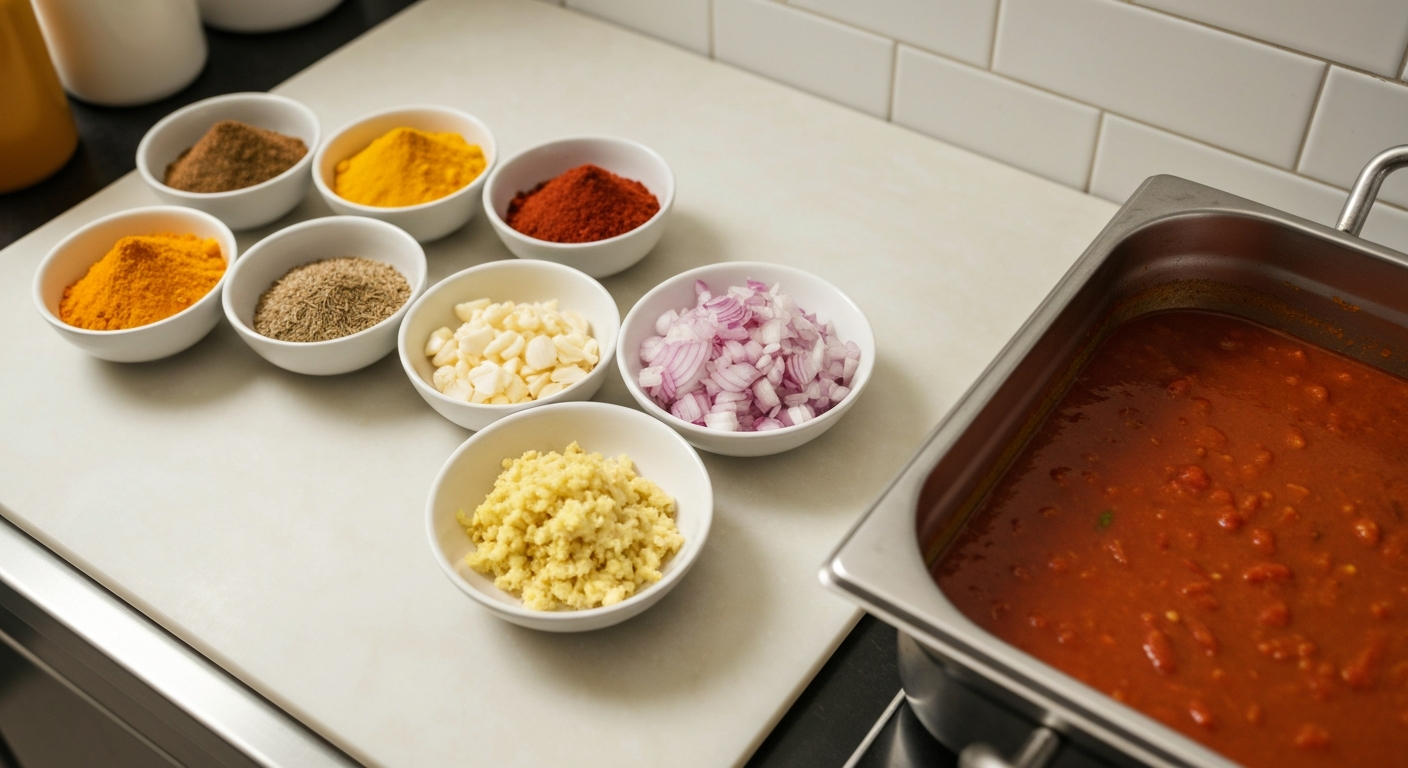
Operating a professional kitchen, especially one specializing in Indian cuisine, presents unique challenges and opportunities for efficiency. One of the most critical areas for profitability and sustainability is indian cuisine kitchen waste management. Smart ingredient management isn't just about saving money; it's about optimizing every aspect of your operation, from ingredient sourcing to plate presentation, ensuring authenticity and quality while minimizing environmental impact and maximizing your bottom line.
Indian cuisine, renowned for its diverse flavors, aromatic spices, and fresh ingredients, can also be a significant source of kitchen waste if not managed meticulously. From perishable vegetables and dairy products to specialty spices and pre-prepped gravies, every component requires careful handling. This article delves into practical strategies for restaurant owners, chefs, and kitchen managers to enhance yield, reduce waste, and implement truly smart ingredient management for Indian dishes.
The Unique Challenges of Indian Cuisine Kitchen Waste Management
Indian kitchens face distinct challenges in waste management compared to other cuisines, primarily due to:
- High Perishability: Many staple ingredients like fresh herbs (coriander, mint), vegetables (tomatoes, onions, ginger, garlic), and dairy products (paneer, yogurt) have short shelf lives.
- Complex Recipes & Prep: Dishes often involve numerous ingredients, requiring extensive chopping, blending, and marinating, which can generate significant trim waste if not planned.
- Spice Management: A vast array of whole and ground spices are used. Improper storage can lead to loss of potency, making them unusable, while over-ordering can result in expired stock.
- Batch Cooking: While efficient, batch cooking gravies and bases requires precise forecasting to avoid excess production that might spoil.
- Customer Expectations: Guests expect fresh, vibrant dishes, meaning ingredients must be top-quality, leaving less room for using 'less-than-perfect' produce.
Addressing these challenges systematically is key to transforming potential waste into profit.
Pillar 1: Precision in Inventory Management and Sourcing
The foundation of effective waste reduction lies in stringent inventory control. For Indian cuisine, this means more than just counting boxes; it means understanding the lifecycle of every ingredient.
Implement a Robust Inventory System
Transition from manual tracking to a digital inventory system. This allows for:
- Accurate Usage Tracking: Monitor exactly how much of each ingredient is used per dish and across the menu over time. This data is invaluable for forecasting.
- First-In, First-Out (FIFO): Strictly adhere to FIFO for all perishable and non-perishable goods. Label everything with clear delivery and expiry dates.
- Minimum and Maximum Stock Levels: Establish realistic par levels for all ingredients, especially high-volume items like onions, tomatoes, and rice, to prevent over-ordering and stockouts.
- Supplier Relationship Management: Work closely with suppliers to ensure timely deliveries of fresh produce and spices, negotiating for optimal packaging to minimize damage and spoilage during transit.
Strategic Sourcing for Freshness and Efficiency
- Local and Seasonal: Prioritize local and seasonal produce where possible. It's often fresher, more flavorful, and has a longer shelf life, reducing spoilage during storage.
- Bulk vs. Just-In-Time: While bulk purchasing can offer cost savings, it can also lead to increased waste if not managed. For highly perishable items, consider just-in-time delivery to maintain freshness.
- Quality Checks on Arrival: Train staff to inspect all deliveries meticulously. Reject produce that shows signs of spoilage, damage, or isn't up to your quality standards. This prevents bad ingredients from entering your inventory and contaminating others.
Pillar 2: Smart Menu Planning and Recipe Standardization
Your menu is a powerful tool for waste reduction. Thoughtful planning can significantly cut down on unused ingredients.
Cross-Utilization of Ingredients
Design your menu so that common ingredients are used across multiple dishes. For example:
- A base onion-tomato gravy can be used for Butter Chicken, Paneer Makhani, and many vegetable curries.
- Pre-cooked chickpeas (chole) can feature in Chana Masala, a salad, or a side dish.
- Leftover roasted vegetables can be pureed into a soup base or incorporated into a 'bhaji' style side dish.
This strategy reduces the number of unique ingredients you need to stock, simplifying inventory and cutting down on waste from items used in only one dish.
Recipe Standardization and Portion Control
Standardized recipes are non-negotiable for consistency and waste reduction. For Indian cuisine, where flavors are nuanced, this means:
- Precise Measurements: Detail exact quantities for every ingredient, including spices, gravies, and garnishes. Use standardized scoops and measuring tools.
- Yield Management: Document the expected yield of each recipe and train staff to achieve it consistently.
- Portion Control: Clearly define and train staff on standard portion sizes for all dishes. This not only controls food costs but also reduces plate waste. For example, specify exact ladle sizes for gravies or cup measures for rice.
- Ingredient Prep Guides: Provide detailed instructions for how ingredients should be prepped (e.g., dicing size for onions, julienning ginger) to minimize trim waste and ensure consistency.
Pillar 3: Efficient Prep, Batch Cooking, and Storage Techniques
How ingredients are prepared, cooked, and stored directly impacts their lifespan and potential for waste.
Optimized Prep Strategies
- Mise en Place: Emphasize thorough mise en place. Pre-chopping, dicing, and portioning ingredients for service can prevent last-minute rushes leading to errors and waste.
- Trim Utilization: Train staff to identify and utilize edible trimmings. Vegetable scraps can be saved for stocks or purees. Stems of herbs like coriander can be finely chopped and added to gravies.
- Smart Spice Management: Store whole spices in airtight containers in a cool, dark place. Grind spices in smaller batches as needed to retain maximum aroma and flavor, preventing loss of potency.
Leveraging Batch Cooking for Indian Bases
Batch cooking core Indian gravies and pastes is a hallmark of efficient Indian kitchens. This strategy significantly reduces daily prep time and ensures consistent flavor profiles. However, it requires careful management:
- Accurate Forecasting: Base batch sizes on historical sales data and upcoming demand to avoid overproduction.
- Proper Cooling: Rapidly cool large batches of gravies and curries using blast chillers or ice baths to bring them below critical temperatures quickly, preventing bacterial growth.
- Airtight Storage: Store cooked gravies and pastes in clearly labeled, airtight containers in the refrigerator or freezer. Label with production date and use-by date.
Advanced Storage and Preservation
- Humidity and Temperature Control: Understand the specific storage requirements for different ingredients. Root vegetables thrive in cool, dark, dry places, while leafy greens need refrigeration and some humidity.
- Freezing: Utilize freezing for extending the life of excess gravies, purees, and even some pre-portioned vegetables.
- Vacuum Sealing: Consider vacuum sealing for certain ingredients to extend shelf life and prevent freezer burn.
Pillar 4: Waste Monitoring, Repurposing, and Staff Engagement
Effective waste management is an ongoing process that requires data, creativity, and a committed team.
Waste Audits and Tracking
- Daily Waste Logs: Implement a system for tracking all discarded food items. Categorize waste (e.g., spoilage, prep waste, plate waste) and quantify it by weight or volume. This data reveals patterns and problem areas.
- Regular Analysis: Review waste logs regularly to identify trends. Is a particular ingredient consistently spoiling? Is plate waste high for a certain dish? Use this data to adjust purchasing, recipes, or portion sizes.
Creative Repurposing and Upcycling
- Chef Specials: Encourage chefs to create daily specials using ingredients that are nearing their expiry or surplus items. This can be a creative outlet and a waste-reduction tool.
- Stocks and Soups: Vegetable trimmings, chicken bones, and other scraps can be simmered into flavorful stocks, which are essential for many Indian dishes.
- Employee Meals: Utilize wholesome, safe leftovers for staff meals, provided they meet all food safety standards.
Staff Training and Accountability
- Education: Regularly educate staff on the financial and environmental impact of food waste. Explain the 'why' behind waste management policies.
- Best Practices: Train all kitchen staff on proper storage, prep techniques, FIFO, and portion control.
- Incentives: Consider offering incentives for teams that demonstrate significant reductions in waste. Foster a culture where waste reduction is everyone's responsibility.
Leveraging Pre-Made Solutions for Consistency and Waste Reduction
For professional kitchens managing complex Indian menus, the consistency and efficiency offered by high-quality pre-made gravies and bases can be a game-changer for waste management. Products like MITRA's chef-grade Indian gravies, pastes, and sauces reduce the need for extensive raw ingredient prep, minimizing trim waste, spoilage of perishable items, and the labor associated with making bases from scratch. This allows kitchens to:
- Control Costs: Predictable ingredient costs and reduced labor hours directly impact profitability.
- Ensure Consistency: Deliver the same authentic flavor profile every time, regardless of the chef on duty.
- Minimize Spoilage: Shelf-stable or pre-portioned bases eliminate the risk of fresh ingredients spoiling before use.
- Optimize Inventory: Streamline inventory by reducing the number of raw ingredients needed for core bases.
Our products are manufactured to rigorous standards, holding certifications such as FSSAI, US FDA, ISO, Halal, HACCP, and GMP, ensuring safety and quality. This allows your team to focus on fresh garnishes, protein preparation, and final plating, rather than hours of base preparation.
The Bottom Line: Sustainability and Profitability Go Hand-in-Hand
Effective indian cuisine kitchen waste management is not merely a trend; it's a fundamental business practice for any successful restaurant. By implementing precise inventory controls, strategic menu planning, efficient prep techniques, and fostering a waste-conscious culture, professional kitchens can significantly reduce operational costs, enhance profitability, and contribute to a more sustainable food system. The benefits extend beyond the balance sheet, building a reputation for responsible operation and quality.
MITRA is committed to supporting professional kitchens in achieving these goals. We ship to a growing list of countries, including the USA, Canada, UK, UAE, Australia, Germany, Italy, India, France, Ireland, Switzerland, and Netherlands. If a product is in stock in our US (Houston) or local-country warehouse, it ships in 2 days. For items not in stock, the lead time is 35-60 days, and customers are notified immediately of any delays. Our minimum order quantity is a 50 kg MOQ.
Explore how our range of chef-grade Indian gravies, pastes, sauces, rice, and spices can help your kitchen maximize yield and minimize waste. Visit ododgroup.com to request a quote or sample today.