
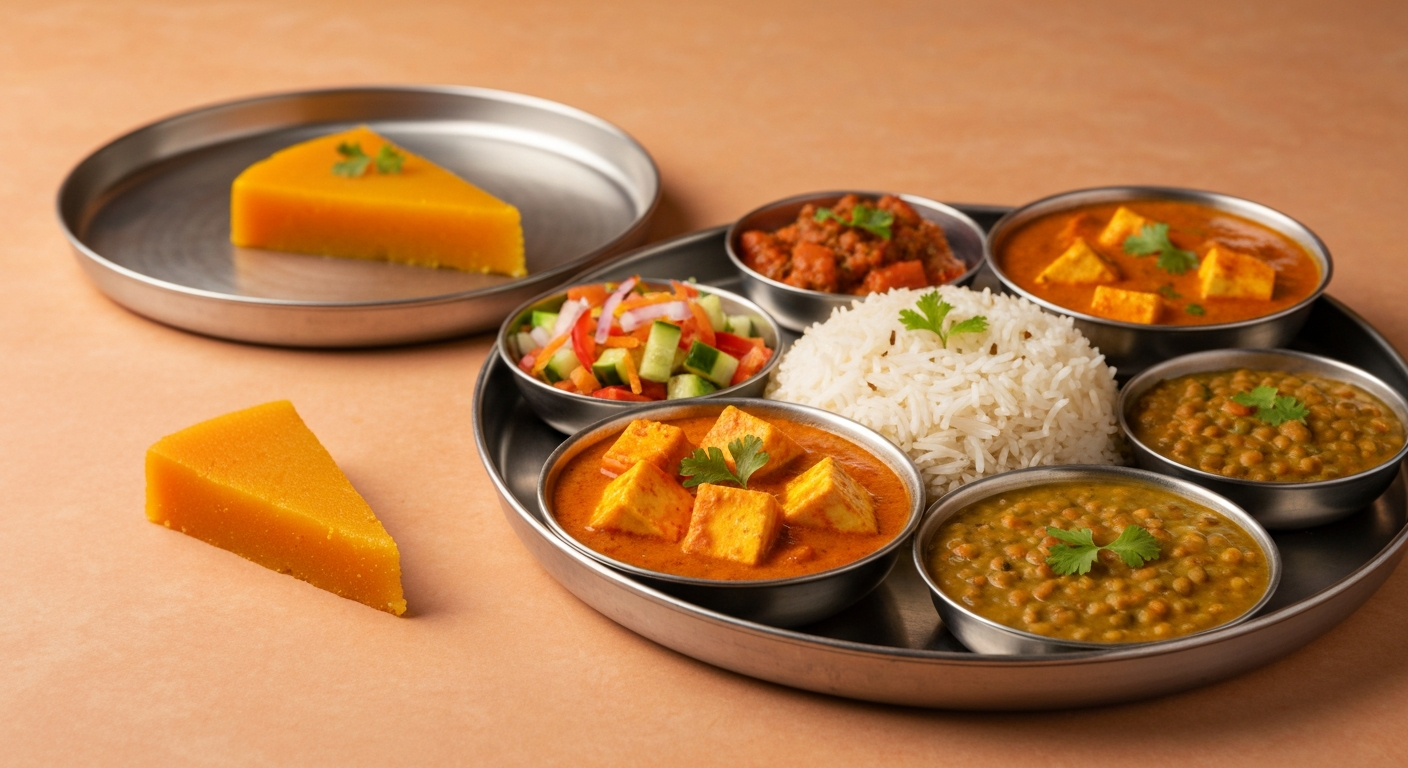
In the dynamic landscape of hospitality, catering to the evolving preferences of guests is paramount. Modern travelers and diners are increasingly prioritizing health, wellness, and mindful eating, even when indulging in diverse culinary experiences. For hotel chains, this trend presents a unique opportunity to enhance their offerings, particularly within ethnic cuisines. Among these, Indian cuisine, with its rich tapestry of flavors and regional diversity, stands out. However, the perception of Indian food as inherently heavy or rich often deters health-conscious guests. The key lies in strategic menu development, focusing on healthy Indian menu options foodservice that are both authentic and aligned with contemporary wellness trends.
This article explores how hotel kitchens can successfully integrate nutritious and wholesome Indian dishes into their menus, satisfying the discerning palates of today’s guests while maintaining operational efficiency. It’s about leveraging the inherent goodness of Indian ingredients and cooking techniques to present Indian cuisine in a fresh, health-focused light.
The Evolving Palate: Why Healthy Indian Matters for Hotels
The hospitality sector is witnessing a significant shift in guest expectations. Beyond comfort and luxury, guests seek experiences that align with their personal values, including health and sustainability. For hotel restaurants, this translates into a demand for transparency in ingredients, diverse dietary accommodations, and dishes that support a healthy lifestyle without compromising on flavor or authenticity. Indian cuisine, when thoughtfully prepared, is perfectly positioned to meet these demands.
Consider the following trends driving this shift:
- Wellness Tourism: A growing segment of travelers actively seeks destinations and experiences that promote health and well-being. Offering healthy dining options, especially within culturally rich cuisines like Indian, becomes a significant draw.
- Dietary Diversity: Plant-based, gluten-free, low-carb, and high-protein diets are no longer niche. Guests expect options that cater to these specific needs, and Indian cuisine, with its abundant use of vegetables, lentils, and naturally gluten-free ingredients, offers a versatile foundation.
- Mindful Eating: Guests are more aware of what they consume, seeking fresh, unprocessed ingredients and balanced meals. They appreciate dishes that are flavorful yet light, allowing them to enjoy their dining experience without feeling overly full.
- Authenticity with a Twist: While guests crave authentic flavors, they are also open to innovative preparations that adapt traditional dishes to modern health standards.
For hotel chains, integrating healthy Indian menu options is not just about meeting demand; it's about elevating the guest experience, fostering loyalty, and differentiating their culinary offerings in a competitive market.
Deconstructing "Healthy" in Indian Cuisine: Beyond the Stereotypes
Indian cuisine is often stereotyped as being heavy, oily, and laden with cream. While some regional dishes can be rich, the vast majority of traditional Indian cooking is inherently wholesome, focusing on fresh, seasonal ingredients, diverse spices, and balanced macronutrients. The perception of unhealthiness often stems from restaurant adaptations that prioritize richness over balance.
At its core, healthy Indian cooking embraces:
- Abundant Vegetables and Legumes: Lentils (dals), chickpeas, and a wide array of seasonal vegetables form the backbone of countless Indian dishes, providing fiber, protein, vitamins, and minerals.
- Powerful Spices: Indian spices like turmeric, ginger, garlic, cumin, coriander, and fenugreek are not just flavor enhancers; many possess anti-inflammatory, antioxidant, and digestive properties. Using them effectively can reduce the need for excessive fats.
- Whole Grains: Traditional Indian breads like roti and chapati, often made from whole wheat flour, and rice varieties like brown rice or basmati, offer complex carbohydrates.
- Balanced Flavors: The intricate balance of sweet, sour, salty, bitter, and pungent flavors in Indian cooking often leads to satisfying meals that don't rely on excessive fats or sugars for palatability.
By re-emphasizing these fundamental principles, hotel kitchens can craft nutritious Indian dishes that surprise and delight guests.
Crafting Healthy Indian Menu Options for Foodservice: Practical Strategies for Hotels
Implementing a healthy Indian menu requires a thoughtful approach that balances culinary tradition with modern nutritional science and operational realities. Here’s how hotel foodservice operations can achieve this:
1. Ingredient Focus: Fresh, Lean, and Wholesome
- Lean Proteins: Prioritize lean cuts of chicken, fish, and plant-based proteins like paneer (in moderation), tofu, tempeh, and a wider variety of lentils and beans. Offer grilled or baked options instead of deep-fried.
- Fresh Produce: Emphasize seasonal vegetables and fruits. Utilize them not just as sides but as core components of gravies and stir-fries, increasing their proportion significantly.
- Whole Grains: Introduce options like brown rice, millets (e.g., foxtail millet upma, pearl millet roti), and whole wheat flatbreads. Consider quinoa or couscous as healthy, non-traditional accompaniments.
- Healthy Fats: Replace ghee and heavy cream with healthier alternatives or use them sparingly. Opt for olive oil, mustard oil, or avocado oil in cooking where appropriate, or focus on fats from nuts and seeds. Coconut milk can be a lighter alternative to dairy cream in some preparations.
2. Modern Cooking Techniques and Adaptations
- Minimize Frying: Shift from deep-frying to shallow frying, sautéing, grilling, baking, or steaming. For example, serve grilled chicken tikka instead of butter chicken, or baked vegetable samosas instead of fried ones.
- Reduce Oil and Cream: Consciously reduce the amount of oil and cream used in gravies. Leverage the intense flavors of spices, fresh herbs, and tomato/onion bases to build richness naturally.
- Smart Thickening: Instead of heavy cream, use puréed vegetables (e.g., spinach, tomatoes, cashews in moderation), yogurt, or ground lentils to thicken gravies.
- Portion Control: Offer smaller, well-balanced portions. A traditional thali concept, with controlled portions of various dishes, can be an excellent way to present a wholesome Indian meal.
3. Highlighting Regional Diversity and Specialty Diets
Indian cuisine boasts immense regional variety, with many regional dishes naturally lighter and healthier. Explore:
- South Indian Cuisine: Emphasize dishes like idli, dosa, appam, sambar, and various vegetable poriyals, which are often fermented, steamed, or stir-fried. These are naturally rich in plant-based proteins and often gluten-free.
- Coastal Cuisine: Showcase fish and seafood preparations, often cooked with lighter coconut-based gravies or grilled with minimal oil.
- North Indian Adaptations: Reinterpret popular dishes. For instance, a lentil-based dal makhani with reduced cream, or chicken curries with a tomato-onion base and less oil.
For specific dietary needs:
- Plant-Based Indian Foodservice: Indian cuisine is a treasure trove for vegetarian and vegan options. Clearly label dishes as vegan, using coconut milk or nut-based alternatives for dairy.
- Gluten-Free Indian Options: Many traditional Indian dishes are naturally gluten-free (e.g., most dals, curries without wheat flour, rice dishes, dosas, idlis). Ensure cross-contamination protocols are in place.
Leveraging Authentic, Ready-to-Use Solutions for Efficiency
Implementing a diverse and healthy Indian menu from scratch across multiple hotel locations can be a significant operational challenge. This is where high-quality, authentic, ready-to-use Indian gravies, pastes, sauces, and spices become invaluable. As a leading supplier to foodservice, MITRA brand products are manufactured to stringent quality and safety standards, providing consistency and efficiency without compromising on flavor or authenticity.
Our range of chef-grade Indian gravies and pastes allows hotel kitchens to:
- Ensure Consistency: Deliver the same authentic taste and quality across all properties, crucial for brand reputation.
- Reduce Labor Costs: Minimize prep time for complex gravies and spice blends, freeing up kitchen staff for other tasks.
- Control Portioning and Waste: Ready-to-use products enable precise portioning, reducing food waste and improving cost management.
- Maintain Authenticity: Developed by culinary experts, our products capture the true essence of regional Indian flavors, making it easier to offer a diverse and authentic menu.
- Support Health Goals: Our products provide a consistent base that chefs can then customize with fresh vegetables, lean proteins, and reduced fats to create wellness menus hotels will be proud to serve.
All our products are produced under robust quality certifications, including FSSAI, US FDA, ISO, Halal, HACCP, and GMP. These certifications ensure that every product meets the highest international standards for food safety and quality, providing peace of mind for hotel operators and their guests.
Operational Excellence and Guest Satisfaction
By adopting a strategy that incorporates healthy Indian menu options, hotel chains can achieve multiple operational and guest satisfaction benefits:
- Enhanced Guest Experience: Guests appreciate choices that align with their health goals, leading to higher satisfaction and positive reviews.
- Competitive Advantage: Differentiating your hotel's dining experience through unique and healthy culinary offerings can attract a broader clientele.
- Streamlined Operations: Utilizing high-quality, pre-prepared gravies and pastes from suppliers like ODOD LLC (MITRA brand) allows kitchens to maintain high standards efficiently, especially for large-scale hotel catering solutions and banquet services.
- Cost Efficiency: Reduced labor, consistent ingredient costs, and minimized waste contribute to better profit margins.
- Adaptability: The ability to quickly adapt menus to new dietary trends or seasonal ingredients without extensive recipe development.
Partnering for Success: Your Foodservice Supply Chain
ODOD LLC is committed to being a reliable partner for hotel chains seeking to elevate their Indian culinary offerings. We understand the specific needs of foodservice operations, from consistent quality to efficient logistics.
Our wholesale program requires a 50 kg minimum order quantity (MOQ), ensuring we cater to the scale required by hotel kitchens and large-volume operations. For products in stock at our US (Houston) or local-country warehouses, we guarantee shipping within 2 days. For items not immediately in stock, the lead time is typically 35-60 days, and customers are always notified immediately of any potential delays, ensuring transparent communication and planning.
We proudly serve a growing list of countries, including the USA, Canada, UK, UAE, Australia, Germany, Italy, India, France, Ireland, Switzerland, and the Netherlands, with continuous expansion into new markets. Our robust supply chain is designed to support your culinary ambitions globally.
Conclusion
The demand for healthy and wholesome dining is a permanent shift in the hospitality industry. For hotel chains, embracing healthy Indian menu options foodservice is not just a trend; it's a strategic imperative for guest satisfaction, operational excellence, and market differentiation. By focusing on fresh ingredients, smart cooking techniques, and leveraging high-quality, authentic ready-to-use solutions like MITRA brand gravies and pastes, hotels can offer a compelling Indian culinary experience that is both delicious and health-conscious.
Elevate your hotel's dining experience and meet the modern guest's expectations for authentic, healthy Indian cuisine. Explore our product range and discover how partnering with ODOD LLC can transform your menu offerings. We invite you to inquire about our wholesale solutions, request a sample, or discuss your specific foodservice needs via ododgroup.com.