
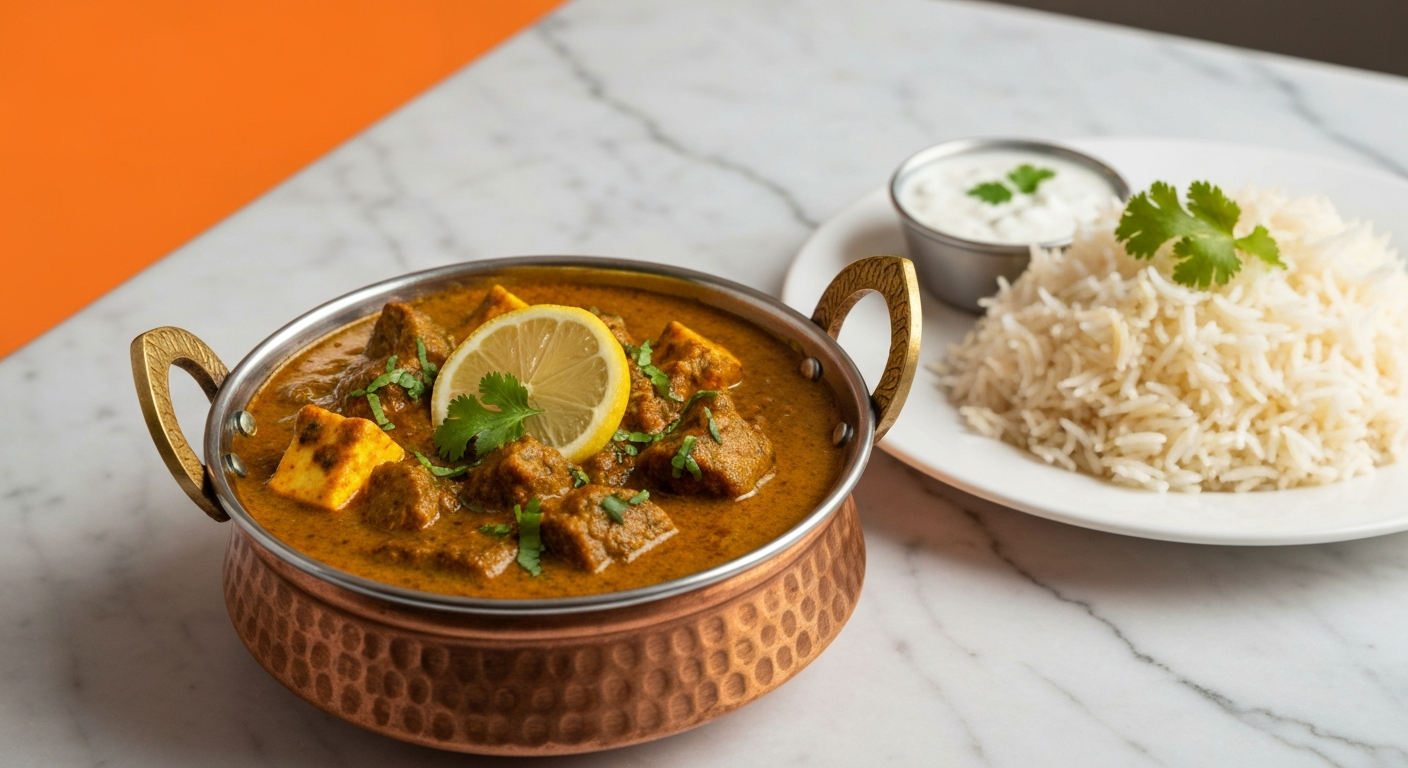
In the dynamic environment of hotel food and beverage operations, maintaining impeccable food safety standards is paramount. For establishments featuring authentic Indian cuisine, this challenge is amplified by the inherent complexity of the dishes. The intricate preparations, numerous ingredients, and multi-stage cooking processes common in Indian cooking present unique opportunities for human error, which can compromise both food quality and guest safety. This article explores how standardized Indian gravies, pastes, and sauces serve as a critical strategy for indian food safety human error reduction foodservice operations, particularly within the demanding context of hotel kitchens.
The Unique Food Safety Landscape of Indian Cuisine in Hotels
Indian cuisine is celebrated globally for its rich flavors, aromatic spices, and diverse regional specialties. From slow-cooked curries like Rogan Josh to vibrant lentil dishes and complex biryanis, each recipe demands precision, specific ingredient ratios, and often, extensive preparation. In a high-volume hotel kitchen, where multiple chefs and kitchen staff may be involved in preparing the same dish across different shifts or locations, maintaining consistency and safety becomes a significant operational hurdle.
The traditional approach to Indian cooking, while yielding authentic flavors, often relies heavily on the individual skill and experience of the chef. This dependency can introduce variability in ingredient measurement, cooking times, and even hygiene practices. A slight miscalculation in spice blend, an oversight in temperature control, or improper handling of raw ingredients can not only alter the taste profile but also pose serious food safety risks. For hotel chains, where brand reputation and guest trust are fundamental, minimizing these variables is not just good practice—it's essential for business continuity and compliance with stringent health regulations.
Understanding Human Error in Foodservice Operations
Human error is an inescapable factor in any complex system, and a professional kitchen is no exception. In the context of foodservice, common errors that can compromise food safety include:
- Cross-Contamination: Improper handling of raw meats, vegetables, or spices, leading to the transfer of harmful bacteria from one food item or surface to another.
- Incorrect Ingredient Measurements: While seemingly benign for taste, incorrect ratios of ingredients, especially those affecting pH or water activity, can impact the microbial stability of a dish. Furthermore, mismeasuring spices or oils can lead to inconsistent cooking and potential spoilage.
- Inadequate Cooking Temperatures: Failure to reach and maintain appropriate internal temperatures for meats and other ingredients can allow pathogens to survive.
- Improper Cooling or Holding Temperatures: Foods left in the "danger zone" (between 40°F and 140°F or 5°C and 60°C) for extended periods are susceptible to rapid bacterial growth.
- Poor Personal Hygiene: Inadequate handwashing, use of contaminated gloves, or improper uniform practices by kitchen staff.
- Misinterpretation of Recipes or Procedures: Ambiguous instructions or lack of clear standard operating procedures (SOPs) can lead to varied execution and potential safety lapses.
In a hotel setting, where staff turnover can occur, and multiple chefs may rotate through different stations, the risk of these errors is amplified. Training new staff to master the nuances of traditional Indian cooking while adhering to strict safety protocols is a time-consuming and resource-intensive endeavor.
Standardized Indian Ingredients: A Strategic Solution for Error Reduction
The adoption of high-quality, standardized Indian gravies, pastes, and sauces offers a robust solution to many of the food safety challenges presented by human error. These chef-grade products are manufactured under controlled conditions, ensuring consistency, safety, and authenticity from the outset. Here's how they contribute to indian food safety human error reduction foodservice:
1. Consistency from the Source
Standardized ingredients eliminate the variability associated with preparing bases from scratch. Each batch of gravy or paste is produced to an exact specification, using precise measurements of spices, aromatics, and other components. This means the foundational flavor and, crucially, the safety parameters (like pH levels) are consistent every time, regardless of the individual chef preparing the final dish.
2. Simplified Preparation and Reduced Steps
By providing pre-prepared bases, the number of steps required in the kitchen is significantly reduced. Chefs no longer need to spend hours chopping, grinding, sautéing, and slow-cooking foundational elements. This reduction in complex, multi-stage processes directly translates to fewer opportunities for errors in ingredient handling, measurement, and cooking execution.
3. Minimized Cross-Contamination Risk
Fewer raw ingredients being handled in the hotel kitchen means fewer potential points of cross-contamination. Standardized gravies often arrive ready-to-use, minimizing the need for extensive raw vegetable or meat preparation that can introduce pathogens if not handled correctly. This streamlined process reduces the overall 'touch points' in the kitchen, making it easier to maintain a sterile environment.
4. Enhanced Training and Onboarding Efficiency
Training new kitchen staff on complex Indian recipes can be daunting. With standardized bases, the focus shifts from mastering intricate foundational cooking to mastering the finishing techniques. This simplifies training protocols, accelerates the onboarding process for new hires, and ensures that even less experienced staff can produce safe and consistent Indian dishes with confidence.
5. Predictable Outcomes and Quality Control
From a food safety perspective, predictability is key. Standardized ingredients provide a predictable starting point, allowing hotel kitchens to focus on ensuring the final cooking stage meets all safety requirements. This simplifies quality control checks and allows for easier adherence to HACCP principles, as critical control points become clearer and more manageable.
Strengthening Key Food Safety Pillars with Standardization
Implementing standardized Indian ingredients reinforces several core pillars of food safety management:
- HACCP Integration: Standardized products simplify the identification and control of critical control points (CCPs). Since the base is already consistent and safe, the kitchen can concentrate on CCPs related to final cooking temperatures, holding times, and proper serving. This makes HACCP plan development and adherence more straightforward and effective.
- Temperature Control: Many standardized gravies require only heating and combining with proteins or vegetables, reducing the complexity of multi-stage cooking that often involves prolonged periods in the temperature danger zone. This helps ensure that dishes reach and maintain safe temperatures efficiently.
- Ingredient Traceability: Reputable suppliers of standardized ingredients provide comprehensive documentation, making ingredient traceability simpler. In the event of an issue, tracing the source of a component is far more efficient than tracking multiple individual raw ingredients.
- Hygiene Protocols: With less raw ingredient preparation and fewer steps, kitchen staff can focus more diligently on personal hygiene and maintaining clean work surfaces, further reducing the risk of contamination.
Our products are manufactured to rigorous standards, holding certifications such as FSSAI, US FDA, ISO, Halal, HACCP, and GMP. These certifications signify a commitment to quality control, hygiene, and safety throughout the production process, providing an additional layer of assurance for hotel operators.
Beyond Safety: Operational Advantages for Hotel Chains
While food safety is the primary driver, standardized Indian ingredients offer a cascade of operational benefits for hotel chains:
- Consistent Guest Experience: Guests expect consistent quality, whether they dine at your flagship hotel or a regional property. Standardized bases guarantee that a Chicken Tikka Masala tastes authentic and identical across all locations, enhancing brand reputation and guest satisfaction.
- Cost Efficiency: Reduced ingredient waste, predictable portion control, and optimized labor allocation contribute to significant cost savings. Less time spent on basic prep frees up skilled chefs for creative menu development and plating.
- Labor Optimization: Hotel kitchens often face labor shortages and high turnover. Standardized gravies allow for more efficient use of skilled culinary talent, enabling them to focus on innovation and presentation rather than repetitive, time-consuming foundational cooking. It also makes it easier to cross-train staff.
- Menu Expansion and Flexibility: Introducing new Indian dishes becomes less resource-intensive. Chefs can experiment with new regional specialties or seasonal variations by simply pairing different proteins and vegetables with existing standardized bases, expanding the menu without extensive new training or sourcing.
- Scalability: For hotel chains with multiple properties, standardized ingredients are crucial for scalability. They allow for the consistent delivery of high-quality, safe Indian cuisine across a wide geographic footprint, ensuring brand standards are met everywhere.
Implementing Standardized Indian Ingredients in Your Hotel Kitchen
Integrating standardized Indian gravies and pastes into a hotel kitchen requires a thoughtful approach:
- Supplier Selection: Choose a supplier that demonstrates a deep understanding of Indian cuisine, maintains the highest manufacturing standards, and holds relevant certifications. A reliable supplier will also offer product consistency and support.
- Integration Strategy: Identify which Indian dishes can most benefit from standardized bases without compromising authenticity. Often, it's the foundational gravies for popular curries that offer the most significant impact on efficiency and safety.
- Staff Training: Even with simpler processes, proper training is essential. Educate staff on the benefits of standardized ingredients, how to use them correctly, and how they contribute to the overall food safety program. Emphasize consistency in finishing techniques.
- Quality Control and Feedback: Regularly assess the quality of finished dishes and solicit feedback from guests. This continuous loop helps fine-tune processes and ensures the standardized ingredients meet both operational and culinary expectations.
Our products are delivered with a commitment to efficiency. If a product is in stock in our US (Houston) or local-country warehouse, it ships in 2 days. For items not in stock, the lead time is 35-60 days, and customers are notified immediately of any delay. We cater to professional kitchens with a 50 kg minimum order quantity (MOQ) and currently serve the USA, Canada, UK, UAE, Australia, Germany, Italy, India, France, Ireland, Switzerland, and Netherlands, with more countries being added regularly.
Conclusion
For hotel chains striving for culinary excellence and uncompromising food safety in their Indian menus, standardized gravies, pastes, and sauces represent a powerful solution. By significantly reducing the potential for human error in complex preparations, these products not only enhance safety and compliance but also drive operational efficiencies, ensure consistent quality, and support menu innovation. Embracing this strategy allows hotel kitchens to deliver authentic, delicious, and consistently safe Indian cuisine, bolstering guest satisfaction and reinforcing brand reputation.
Ready to elevate your Indian menu's safety and consistency? Explore our range of chef-grade Indian gravies and pastes and discover how MITRA brand products can transform your hotel kitchen operations. Visit ododgroup.com to request a quote or sample today.