
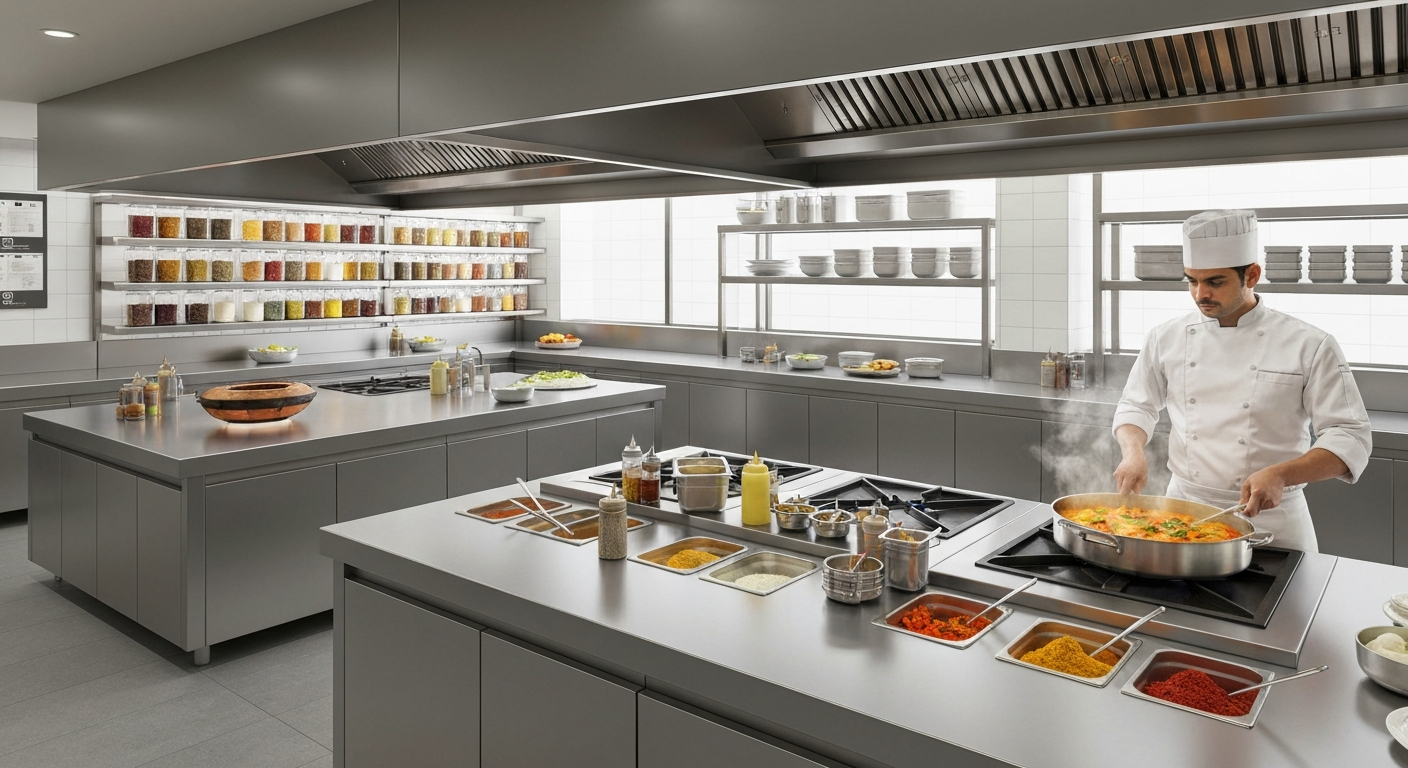
In the competitive landscape of hotel hospitality, delivering an exceptional dining experience is paramount. Guests today seek authenticity, variety, and efficiency, and providing high-quality Indian cuisine often presents unique challenges within a traditional kitchen setup. From managing complex spice blends to accommodating diverse regional dishes, traditional approaches can strain resources, space, and staff. This is where the strategic implementation of foodservice modular Indian kitchen design emerges as a transformative solution, enabling hotel chains to maximize operational efficiency, maintain culinary consistency, and elevate their Indian food offerings across multiple dining concepts.
The Evolving Demands on Hotel Foodservice Kitchens
Hotel kitchens are inherently complex. They must cater to a wide array of dining scenarios: a la carte restaurants, large-scale banquets, room service, grab-and-go options, and often, multiple distinct culinary concepts under one roof. For Indian cuisine, this complexity is amplified by its inherent diversity and the intricate preparation required for many dishes. Hoteliers frequently grapple with:
- Space Constraints: Kitchen real estate is often at a premium, making efficient layout crucial.
- Labor Challenges: Skilled chefs specializing in Indian cuisine can be difficult to find and retain. The extensive prep work for traditional Indian dishes also increases labor hours.
- Consistency and Quality: Ensuring the same high standard of taste and texture across different outlets and shifts is a constant battle.
- Menu Versatility: Guests expect a range of authentic regional Indian dishes, from rich North Indian curries to lighter South Indian fare, demanding diverse ingredients and cooking methods.
- Food Safety and Hygiene: Managing a high volume of fresh ingredients and complex preparations requires rigorous adherence to food safety protocols.
These challenges underscore the need for a kitchen design philosophy that is flexible, scalable, and inherently efficient, especially when integrating a cuisine as dynamic as Indian food.
Understanding Foodservice Modular Indian Kitchen Design
A modular kitchen design paradigm involves creating distinct, self-contained workstations or zones that can be easily rearranged, expanded, or specialized to meet specific culinary needs. For Indian cuisine, this means designing specific modules for various stages of preparation and cooking, allowing for dedicated workflows that enhance efficiency and reduce cross-contamination.
Core Principles of Modular Design:
- Flexibility and Adaptability: Modules can be configured to support different menu requirements, whether it’s a dedicated tandoor section, a dosa station, or a comprehensive curry prep area. This adaptability allows hotels to quickly pivot their offerings based on guest demand or special events.
- Optimized Workflow: By separating tasks into logical zones (e.g., cold prep, hot cooking, finishing, dishwashing), ingredients and staff move more efficiently, reducing bottlenecks and wasted motion. For Indian cooking, this could mean a dedicated zone for spice grinding and blending, another for gravy base preparation, and separate stations for various cooking methods.
- Space Utilization: Modular units are often designed to be compact and multi-functional, making the most of every square foot. Vertical storage solutions and specialized equipment further enhance space efficiency.
- Scalability: A modular system can be easily expanded or contracted. A hotel might start with a compact Indian kitchen module for room service, then scale up to a larger setup for a specialty restaurant or banquet hall by adding more units.
Enhancing Efficiency with Ready-to-Use Indian Gravies and Pastes
The true power of a modular Indian kitchen design is realized when paired with high-quality, pre-prepared ingredients. ODOD LLC, an American food-supply company, provides chef-grade Indian gravies, pastes, sauces, rice, and spices under the MITRA brand, specifically designed for professional kitchens. These products are manufactured to stringent standards, holding certifications such as FSSAI, US FDA, ISO, Halal, HACCP, and GMP, ensuring both quality and safety.
Integrating MITRA's range into a modular setup offers significant advantages for hotel foodservice:
- Reduced Prep Time: Ready-to-use gravies like Tikka Masala, Korma, or Makhani eliminate hours of chopping, sautéing, and slow-cooking, allowing chefs to focus on finishing dishes and presentation.
- Consistency Across Locations: Pre-formulated gravies ensure that a Chicken Tikka Masala tastes identical whether served in the hotel's fine dining restaurant, through room service, or at a buffet station. This consistency builds brand trust and guest satisfaction.
- Lower Skill Requirements: While culinary expertise is always valued, the reliance on perfectly balanced base gravies means less time spent on training new staff in complex Indian cooking techniques, making it easier to maintain quality with a diverse team.
- Portion Control and Waste Reduction: Using measured quantities of pre-made gravies helps control costs and minimizes food waste, a critical factor for large-scale operations.
- Menu Expansion: With foundational gravies readily available, chefs can easily experiment with new Indian dishes or regional variations without significant additional prep burden, expanding menu offerings without overhauling the entire kitchen.
Key Considerations for Designing a Foodservice Modular Indian Kitchen
When planning a modular Indian kitchen, several factors must be carefully considered to ensure optimal functionality and long-term success:
1. Layout and Zoning
Divide the kitchen into logical zones based on the flow of food preparation:
- Receiving and Storage: Dedicated areas for dry goods (spices, rice), refrigerated items (dairy, produce), and frozen goods. For MITRA products, efficient storage for bulk gravies and pastes is key.
- Prep Zone (Cold Prep): Areas for washing, cutting vegetables, and marinating meats. Consider dedicated sinks and prep tables.
- Cooking Zone (Hot Line): This is the heart of the Indian kitchen, requiring versatile equipment. Modular units can include:
- Curry Station: Induction cooktops or gas ranges for simmering gravies and preparing various curries.
- Tandoor/Grill Station: For naan, tandoori meats, and grilled vegetables. Proper ventilation is critical here.
- Fry Station: For pakoras, samosas, and other fried items.
- Rice/Bread Station: Dedicated areas for cooking rice and finishing breads.
- Finishing/Plating Zone: Where dishes are assembled and garnished before serving.
- Dishwashing and Waste Management: Efficient areas for cleaning and waste disposal to maintain hygiene.
2. Equipment Selection
Choose versatile, high-performance equipment that fits the modular concept:
- Multi-functional Cooktops: Induction ranges offer precise temperature control and energy efficiency. Wok burners can be integrated for specific dishes.
- Combi Ovens: Ideal for roasting, steaming, and baking, offering versatility for various Indian preparations.
- Commercial Blenders/Grinders: Essential for fresh purees and spice blends, though much of this can be minimized with pre-made gravies.
- Tandoor Ovens: If offering authentic tandoori items, ensure proper placement and ventilation.
- Refrigeration Units: Reach-in and walk-in units strategically placed for easy access to ingredients.
3. Ventilation and Utilities
Indian cooking often involves strong aromas and high heat. Robust ventilation systems are non-negotiable. Ensure adequate electrical, gas, and water connections are available for each module, allowing for future reconfigurations.
4. Food Safety and Hygiene
Modular design can enhance food safety by creating clear separation between raw and cooked foods. Easy-to-clean surfaces, proper waste disposal, and adherence to certifications like FSSAI, US FDA, ISO, Halal, HACCP, and GMP are paramount. ODOD LLC ensures its products meet these high standards, helping kitchens maintain compliance.
Real-World Benefits for Hotel Operations
The adoption of a foodservice modular Indian kitchen design, supported by quality bulk ingredients, translates into tangible benefits for hotel chains:
- Enhanced Guest Experience: Consistent, authentic Indian flavors across all outlets lead to higher guest satisfaction and positive reviews. The ability to offer a wider, more diverse Indian menu also appeals to a broader demographic.
- Operational Cost Savings: Reduced labor hours due to less prep work, minimized food waste through consistent ingredient usage, and efficient energy consumption from optimized layouts all contribute to a healthier bottom line.
- Increased Throughput: Streamlined workflows mean dishes can be prepared and served faster, crucial during peak dining hours or large events.
- Easier Staff Training and Retention: Simplification of complex tasks frees up chefs to focus on creativity and leadership, while new staff can be trained more quickly on standardized processes and ingredient usage.
- Adaptability to Trends: The flexible nature of modular design allows hotels to quickly respond to evolving culinary trends or adjust menus for special events without costly kitchen overhauls.
Partnering for Culinary Excellence
ODOD LLC is committed to supporting professional kitchens with high-quality, consistent Indian culinary solutions. Our range of gravies, pastes, sauces, rice, and spices, available under the MITRA brand, is designed to integrate seamlessly into a modern, efficient kitchen operation. We understand the demands of hotel foodservice and offer products that help streamline operations while maintaining the authentic flavors your guests expect.
With a 50 kg minimum order quantity (MOQ), we cater to the needs of large-scale operations. If a product is in stock in our US (Houston) or local-country warehouse, it ships in 2 days. For items not in stock, the lead time is typically 35-60 days, and customers are notified immediately of any delays. We currently serve a growing list of countries including the USA, Canada, UK, UAE, Australia, Germany, Italy, India, France, Ireland, Switzerland, and the Netherlands.
Optimizing your hotel's Indian culinary offerings doesn't have to mean sacrificing authenticity for efficiency. By embracing foodservice modular Indian kitchen design and leveraging high-quality, pre-prepared ingredients, hotel chains can achieve both, delivering exceptional dining experiences that delight guests and enhance operational performance.
Ready to transform your hotel's Indian kitchen operations? Inquire today via ododgroup.com to learn more about our products and how we can support your culinary vision.