
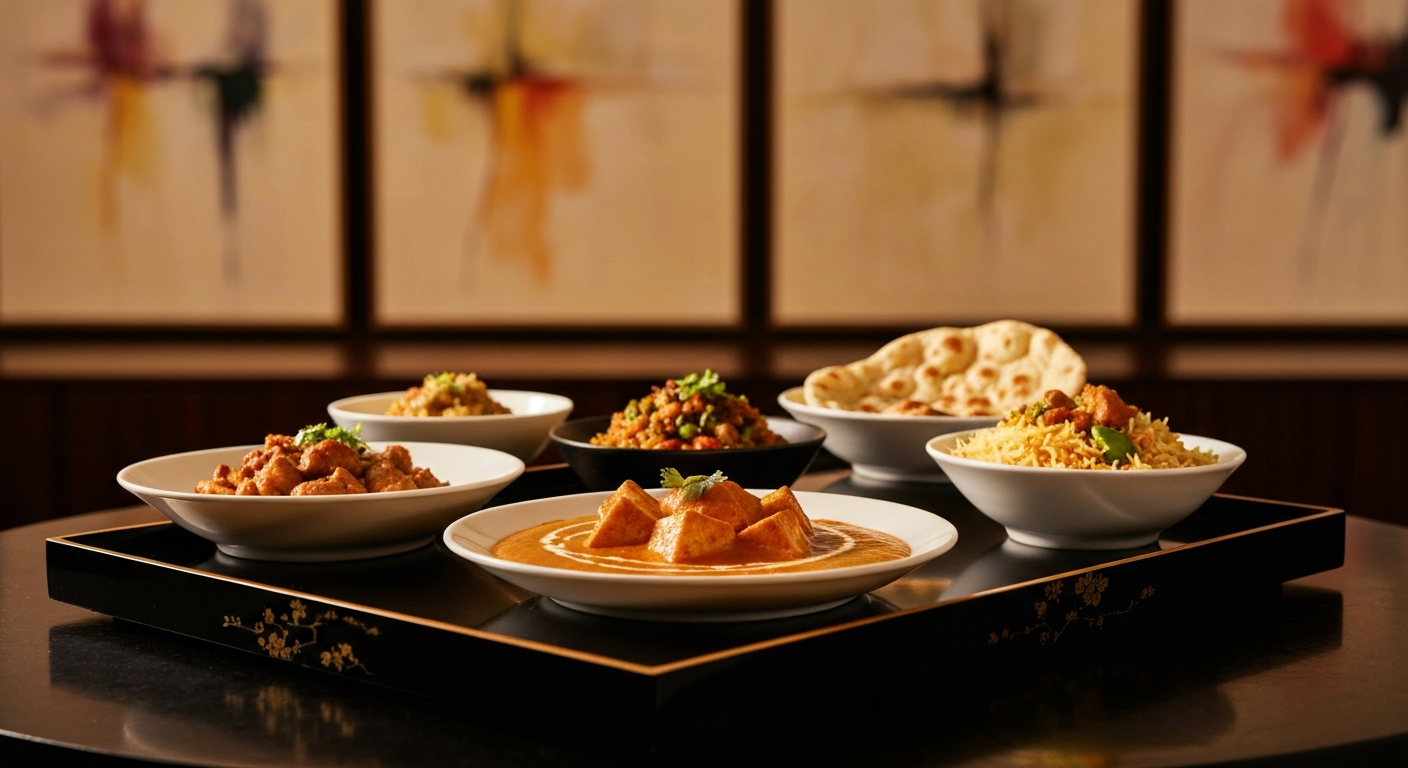
The global travel industry, encompassing both cruise lines and airlines, serves millions of passengers daily, many of whom seek diverse and authentic culinary experiences. Among the most sought-after cuisines is Indian food, renowned for its rich flavors, aromatic spices, and vast regional variety. However, delivering authentic Indian meals on international routes presents a unique set of challenges, particularly concerning cruise airline Indian food compliance with a myriad of global food safety, labeling, and dietary regulations. For professional kitchens operating in this demanding sector – from large-scale caterers to in-house cruise and airline culinary teams – understanding and navigating these complexities is paramount to operational success and passenger satisfaction.
This article delves into the strategies and considerations essential for ensuring that the Indian cuisine served on board meets the highest standards of safety, quality, and regulatory adherence, regardless of the flight path or port of call. We will explore the critical aspects of international food safety, meticulous labeling requirements, and the advantages of partnering with suppliers who specialize in compliant, chef-grade Indian food products.
The Unique Demands of Cruise and Airline Catering
Operating a kitchen on a cruise ship or for an airline is fundamentally different from a land-based restaurant. The environment introduces layers of complexity that directly impact food preparation, storage, and service. These unique demands necessitate a proactive approach to sourcing and compliance.
Diverse Passenger Demographics and Dietary Needs
International travel exposes passengers to cultures and cuisines from around the globe, and their expectations for onboard dining are increasingly sophisticated. A single flight or cruise can host individuals from dozens of countries, each potentially with specific dietary requirements, allergies, or religious food preferences. Providing authentic Indian cuisine means catering not just to taste but also to these diverse needs, including vegetarian, vegan, gluten-free, and Halal options, all while maintaining rigorous safety standards.
Stringent Food Safety Regulations Across Jurisdictions
Food safety is non-negotiable in any food service, but for cruise lines and airlines, it's amplified by the cross-border nature of their operations. A cruise ship might visit ports in multiple countries within a week, each with its own health and food safety authorities. Similarly, an airline operates under the regulations of its country of origin, destination countries, and often international aviation standards. This means food products must meet a complex web of requirements from bodies like the US FDA, and adhere to internationally recognized standards such as ISO, HACCP, and GMP, among others. The sheer volume and variability of these regulations make consistent compliance a continuous challenge.
Logistical Complexities and Supply Chain Integrity
Limited storage space, the need for efficient use of ingredients, and precise inventory management are constants in cruise and airline kitchens. Resupply points are often infrequent and geographically dispersed. This necessitates a highly reliable and transparent supply chain that can deliver consistent quality products to various global hubs. Ensuring the integrity of the supply chain, from raw ingredient sourcing to final product delivery, is crucial for maintaining food safety and authenticity.
Maintaining Quality and Authenticity in Challenging Environments
Altitude, cabin pressure, and the motion of a ship can all affect the perception of taste and aroma. Chefs must work with ingredients and preparations that can withstand these conditions while retaining their intended flavor and texture. For Indian cuisine, which relies heavily on fresh spices and intricate cooking techniques, preserving authenticity under these constraints requires specialized products and a deep understanding of culinary science.
Understanding International Food Safety Standards for Indian Cuisine
To effectively navigate the global landscape of food service, particularly when offering Indian cuisine on international routes, a thorough understanding of prevailing food safety standards and certifications is essential. These standards are designed to protect public health and ensure the quality and integrity of food products.
Key Certifications and Their Importance
Reputable food suppliers, especially those catering to the B2B sector, will hold a suite of certifications that attest to their commitment to food safety and quality. For products like Indian gravies, pastes, and sauces, these often include:
- FSSAI: Ensures food safety and quality standards for food products. While primarily focused on a specific region, its principles align with global best practices.
- US FDA: Essential for products entering the United States market, ensuring they meet strict safety and labeling regulations.
- ISO: A broad set of international standards covering quality management, environmental management, and other operational aspects, indicating a commitment to continuous improvement and consistency.
- Halal: Crucial for catering to Muslim passengers, ensuring products are prepared and processed according to Islamic dietary laws.
- HACCP: A systematic preventive approach to food safety from biological, chemical, and physical hazards in production processes. It identifies potential hazards and implements critical control points to prevent them.
- GMP: Guidelines that provide a framework for manufacturing practices to ensure products are consistently produced and controlled according to quality standards.
These certifications are not just labels; they represent a rigorous adherence to processes, hygiene, and quality control throughout the production cycle. For cruise and airline operators, sourcing from suppliers with these credentials significantly de-risks their food supply chain and simplifies compliance efforts.
Traceability and Supply Chain Integrity
Full traceability of ingredients and finished products is a cornerstone of modern food safety. In the event of a food safety concern, the ability to quickly identify the origin of every component allows for rapid response and containment. A robust supply chain management system ensures that all raw materials are sourced ethically and safely, and that products are handled and transported under controlled conditions to maintain their quality and safety until they reach the professional kitchen.
Navigating Labeling and Allergen Information
Beyond food safety, accurate and comprehensive labeling is a critical component of cruise airline Indian food compliance. International regulations vary significantly regarding ingredient declarations, nutritional information, and, most importantly, allergen labeling.
Global Labeling Requirements
Different countries have distinct mandates for what must be included on a food label. This can range from the order of ingredients by weight to specific formatting requirements for nutritional panels. For a global operation, ensuring that all products meet the labeling standards of every potential jurisdiction can be a logistical nightmare. Partnering with a supplier who understands and can provide products compliant with multiple international labeling standards is a significant advantage.
Meticulous Allergen Declarations
Food allergies are a serious concern for passengers, and mislabeling can have severe consequences. Regulations in regions like the EU and the US mandate clear and prominent declarations of common allergens (e.g., peanuts, tree nuts, dairy, soy, wheat, fish, shellfish). Cross-contamination during preparation is also a critical risk that must be managed. Suppliers who provide pre-prepared Indian gravies and pastes must have robust allergen management programs in place, clearly indicating potential allergens and processes to minimize cross-contact.
Accommodating Dietary Restrictions
Beyond allergens, a growing number of passengers follow specific dietary patterns. Offering compliant Indian cuisine often means having options for vegetarians, vegans, and those requiring gluten-free meals. While ODOD LLC does not make specific health claims, our products are manufactured to stringent quality standards that allow for these considerations to be met when combined with other ingredients in your kitchen. For instance, Halal certification on our products ensures they meet the dietary laws for Muslim consumers, which is a key requirement for many international routes.
Authenticity Meets Compliance: Sourcing Indian Cuisine Components
The heart of Indian cuisine lies in its authenticity – the vibrant spices, the slow-cooked gravies, and the regional nuances that define each dish. Recreating this authenticity consistently across a global catering operation while adhering to strict compliance standards is a formidable task.
The Challenge of Consistent Authenticity and Safety
Preparing traditional Indian dishes from scratch for thousands of passengers daily demands significant kitchen space, skilled labor, and a vast inventory of fresh spices and ingredients. Ensuring consistency in flavor and quality, while simultaneously managing the inherent food safety risks of large-scale preparation, can be overwhelming. Variations in ingredient quality, chef skill, and preparation time can lead to inconsistent results and potential compliance issues.
The Role of High-Quality, Pre-Prepared Indian Gravies and Pastes
This is where chef-grade, pre-prepared Indian gravies, pastes, and sauces offer a strategic advantage. Products manufactured to precise specifications, using authentic recipes and high-quality ingredients, provide a consistent base for a wide array of Indian dishes. They significantly reduce preparation time, labor costs, and the risk of human error in seasoning and cooking. More importantly, when sourced from a compliant supplier, these products come with the necessary certifications and detailed labeling information, simplifying the compliance burden for the end-user.
For example, a high-quality Korma gravy base, manufactured under HACCP and GMP guidelines and carrying Halal certification, allows a cruise or airline chef to rapidly prepare a delicious, compliant Korma dish. This ensures the dish not only tastes authentic but also meets the food safety and dietary requirements of passengers, no matter where they are traveling.
Logistics and Supply Chain for Global Operations
Efficient logistics and a robust supply chain are as critical as the products themselves when serving the international travel industry. The ability to deliver products reliably and swiftly to diverse global locations directly impacts operational efficiency and menu planning.
Reliable Global Distribution Networks
ODOD LLC understands the demands of global logistics. Our products are distributed to key markets including the USA, Canada, UK, UAE, Australia, Germany, Italy, India, France, Ireland, Switzerland, and the Netherlands, with our network continuously expanding to serve more countries. This extensive reach ensures that our partners, whether in Houston or Hamburg, can access the ingredients they need.
Managing Lead Times and Stock Levels
Predictability in supply is crucial for large-scale catering. For products in stock in our US (Houston) or local-country warehouses, we ensure shipment within 2 days. For items not immediately in stock, the lead time is typically 35-60 days. We prioritize immediate notification to customers regarding any potential delays, allowing for proactive menu adjustments and inventory management. This transparency helps cruise and airline kitchens plan effectively, minimizing disruptions.
Minimum Order Quantity for B2B Efficiency
To cater to the operational scale of cruise lines, airlines, and large catering operations, our minimum order quantity (MOQ) is 50 kg. This volume ensures that our partners receive sufficient supply to meet their demands efficiently, while also streamlining our distribution processes to maintain competitive pricing and service.
Partnering for Success: The MITRA Advantage for Compliant Indian Cuisine
For professional kitchens in the cruise and airline sectors, partnering with a specialized B2B food supplier like ODOD LLC, under the MITRA brand, offers a significant strategic advantage in achieving cruise airline Indian food compliance and operational excellence.
Our commitment is to provide chef-grade Indian gravies, pastes, sauces, rice, and spices that meet the exacting standards of international catering. Our products are manufactured to stringent quality controls and hold essential certifications including FSSAI, US FDA, ISO, Halal, HACCP, and GMP. This means that when you integrate MITRA products into your menu, you are not just getting authentic flavors but also products that have been rigorously vetted for safety and compliance.
By leveraging our pre-prepared solutions, your culinary teams can:
- Ensure Consistent Quality and Authenticity: Deliver consistently delicious and authentic Indian flavors across all routes and flights, regardless of the kitchen's location or the chef on duty.
- Streamline Operations and Reduce Costs: Minimize preparation time, reduce labor requirements, and optimize inventory management by utilizing ready-to-use bases.
- Simplify Compliance: Benefit from products that are already manufactured to international food safety and labeling standards, reducing the burden of individual compliance checks.
- Enhance Menu Versatility: Easily expand your Indian menu offerings without needing extensive specialized training or equipment.
- Support Diverse Dietary Needs: Confidently cater to a wide range of passenger dietary preferences with clearly labeled and certified products.
In the complex world of global catering, navigating the labyrinth of food safety regulations and ensuring culinary excellence can be daunting. By choosing a partner committed to quality, authenticity, and unwavering compliance, cruise lines and airlines can elevate their Indian food offerings, enhance passenger satisfaction, and maintain impeccable operational standards.
Conclusion
Ensuring cruise airline Indian food compliance is a multifaceted challenge that requires a deep understanding of international regulations, a commitment to food safety, and a reliable supply chain. For professional kitchens serving global travelers, the strategic advantage lies in partnering with suppliers who can deliver authentic, high-quality Indian cuisine components that are rigorously certified and compliant with diverse international standards.
By focusing on certified products, robust traceability, and clear labeling, cruise lines and airlines can confidently offer exquisite Indian meals that delight passengers while meeting every regulatory requirement. This not only safeguards public health but also enhances brand reputation and operational efficiency in a highly competitive industry.
---
Ready to elevate your Indian cuisine offerings with compliant, chef-grade products? Explore the MITRA range and request a quote or sample today. Visit ododgroup.com to learn more about our solutions for your professional kitchen needs.